Spicy Prawns works best when the sauce, heat, and timing are planned before cooking. 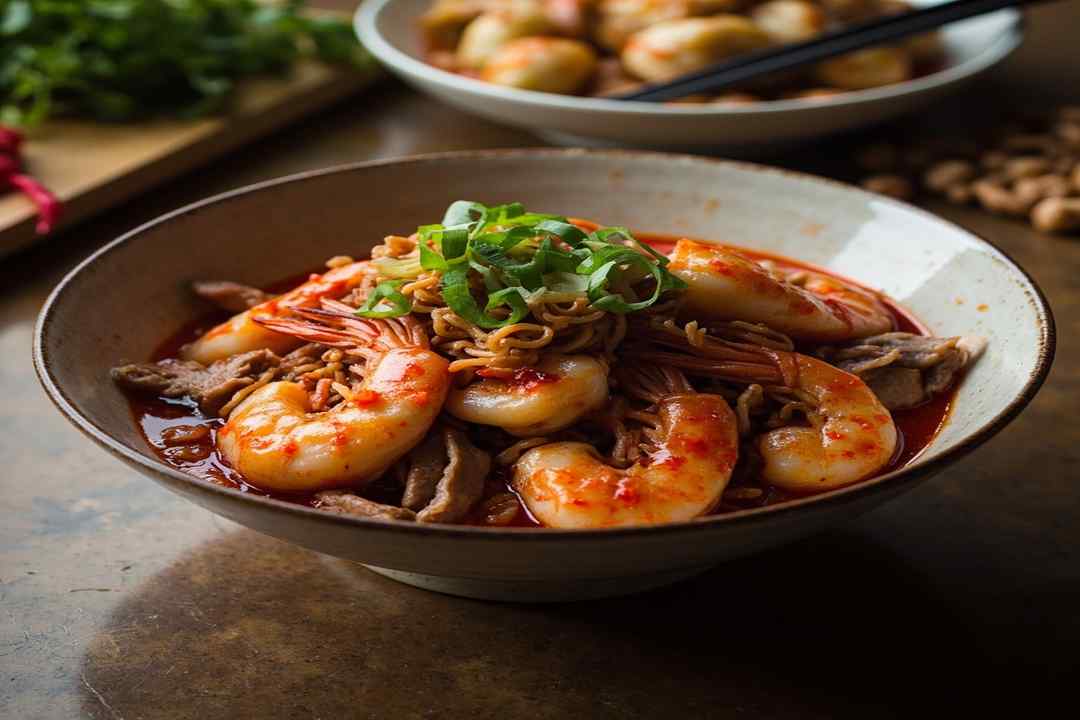
Quick Answer
Spicy prawns are a Sichuan-style seafood dish where heat, aroma, and light numbing flavor should support the prawns instead of burying their texture.
Basic Facts
| Dish type | Sichuan-style seafood |
|---|---|
| Flavor base | Chile, aromatics, Sichuan pepper, and savory sauce |
| Texture check | Firm prawns with a glossy coating |
| Common mistake | Overcooking prawns while chasing stronger spice |
Quick reference: The useful cooking checks are spice balance, oil control, prawn texture, sauce timing, and whether the final dish remains aromatic rather than harsh.
Spicy Prawns are a beloved Sichuan dish that blends tender seafood with the iconic ma la (numbing-spicy) profile of Sichuan cuisine. This dish is a perfect introduction to Sichuan cooking for home chefs, as it uses core ingredients and straightforward steps.
Unlike more complex Sichuan dishes like Mapo Tofu or Hot and Sour Soup, Spicy Prawns focus on quick stir-frying, making it ideal for weeknight meals. The dish leans into Sichuan’s signature balance of heat and numbing sensation, avoiding over-the-top spice that masks other flavors.
It pairs beautifully with steamed rice, and its versatility means you can adjust ingredients based on what you have in your pantry. For anyone looking to explore Sichuan flavors without intimidation, this is a great starting point.
The Story Behind Spicy Prawns
Spicy Prawns draw inspiration from Sichuan’s stir-fry tradition, a method that has been central to the region’s cuisine for centuries. Sichuan’s humid climate led to the development of bold, spicy flavors to warm the body—same as Kung Pao Chicken and Dan Dan Noodles.
While there’s no single documented origin for Spicy Prawns, it’s a modern take on classic Sichuan stir-fries that use seafood. Sichuan’s coastal influence from the Yangtze River basin made seafood a natural addition to spicy dishes.
Chefs began adapting traditional meat-based spicy recipes to use prawns, which are more accessible and quick to cook. This evolution reflects Sichuan’s willingness to adapt classic flavors to local ingredients.
Today, Spicy Prawns are a staple in both home kitchens and Sichuan restaurants. They showcase the same attention to balance as other Sichuan classics, where every ingredient serves a purpose—from the umami of doubanjiang to the numbing kick of Sichuan peppercorns.
What Makes Spicy Prawns Special
What sets Spicy Prawns apart from other spicy seafood dishes is its adherence to Sichuan’s ma la philosophy. Ma la combines two distinct sensations: “ma” (numbing from Sichuan peppercorns) and “la” (spicy from chili peppers).
This balance is non-negotiable in authentic Sichuan cooking—you won’t find the same depth in a dish that only uses chili. Another key characteristic is the use of fermented ingredients like doubanjiang and fermented black beans.
These add umami depth that makes the dish more complex than just “hot.” For example, doubanjiang is the same paste used in Mapo Tofu, giving the prawns a rich, savory base. The technique is also unique: quick stir-frying at high heat keeps the prawns tender.
Overcooking is a common mistake, so timing is critical. This focus on precision is what makes Sichuan dishes like Spicy Prawns stand out—they’re not just spicy, they’re balanced.
Ingredients for Spicy Prawns
- 300g large prawns (peeled, deveined, tail-on, patted dry)
- 2 tablespoons Sichuan doubanjiang (chili bean paste, not generic chili sauce)
- 1 teaspoon Sichuan peppercorns (whole, for toasting and grinding)
- 2 dried red chilies (cut into 1-inch sections, seeds removed for less heat)
- 1 tablespoon fresh ginger (minced, about a 1-inch piece)
- 1 tablespoon garlic (minced, about 3 cloves)
- 1 teaspoon fermented black beans (douchi, rinsed and finely chopped)
- 2 tablespoons neutral vegetable oil (canola or peanut oil, high smoke point)
- 1 tablespoon Shaoxing wine (Chinese cooking wine, not dry sherry)
- 1 teaspoon cornstarch (for marinating prawns)
- ½ teaspoon granulated sugar (to balance acidity)
- ¼ teaspoon salt (optional, adjust to taste)
- 1 teaspoon toasted sesame oil (for finishing)
- 2 green onions (sliced, white and green parts separated, for garnish)
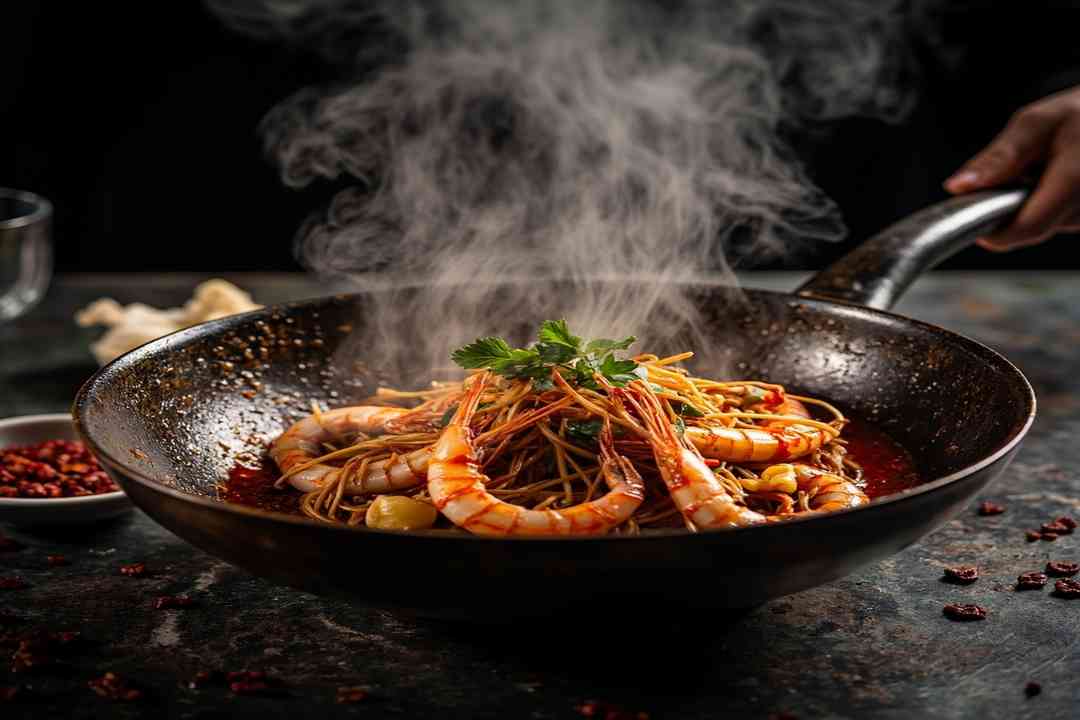
How to Make Spicy Prawns
- Marinate the prawns: In a small bowl, mix the 300g prawns with 1 tsp cornstarch and 1 tbsp Shaoxing wine. Toss until evenly coated. Spicy Prawns Let sit at room temperature for 10 minutes.
- Toast Sichuan peppercorns: Heat a dry skillet over medium heat (160°C). Add the whole Sichuan peppercorns and toast for 1 minute, stirring constantly, until fragrant.
- Transfer to a mortar and pestle or spice grinder, and grind into a fine powder. Spicy Prawns Set aside.
- Preheat the wok: Place a wok over high heat until it smokes slightly (about 180°C). Add 2 tablespoons of vegetable oil. Spicy Prawns Swirl to coat the wok’s surface.
- Stir-fry the prawns: Add the marinated prawns to the wok in a single layer. Stir-fry for 2-3 minutes, flipping once, until they turn bright pink and opaque.
- Use a slotted spoon to remove the prawns from the wok. Spicy Prawns Set aside on a plate.
- Sauté aromatics: Lower the wok’s heat to medium. Add the minced ginger, garlic, dried red chilies, and fermented black beans.
- Spicy Prawns Stir-fry for 30 seconds, until the ginger and garlic release their aroma.
- Add the chili bean paste: Add 2 tablespoons of doubanjiang to the wok. Spicy Prawns Stir-fry for 1 minute, until the oil turns a bright red and the paste is well incorporated with the aromatics.
- Balance the sauce: Add the ½ teaspoon of sugar (and optional ¼ teaspoon salt, if needed) to the wok. Spicy Prawns Stir well to combine with the red oil and aromatics.
- Return prawns to the wok: Add the cooked prawns back to the wok. Spicy Prawns Toss continuously for 1-2 minutes, until every prawn is coated in the spicy sauce.
- Finish with Sichuan peppercorns and sesame oil: Sprinkle the ground Sichuan peppercorns over the prawns. Drizzle with 1 teaspoon of toasted sesame oil.
- Spicy Prawns Toss once more to distribute evenly.
- Garnish: Sprinkle the sliced green onion tops over the dish. Spicy Prawns Serve immediately with steamed rice.
Common Mistakes with Spicy Prawns
- Overcooking the prawns: This is the most frequent error. Prawns cook in just 2-3 minutes at high heat.
- If you leave them in longer, they become rubbery and tough. Spicy Prawns Always remove them once they turn pink and opaque.
- Not toasting Sichuan peppercorns: Raw Sichuan peppercorns have a harsh, bitter flavor. Toasting them releases their essential oils, making the numbing sensation bright and pleasant.
- Spicy Prawns Skip this step, and your dish will taste flat.
- Using generic chili sauce instead of doubanjiang: Doubanjiang is a fermented chili bean paste with umami depth. It’s not the same as hot sauce or chili garlic sauce.
- Spicy Prawns Substituting will make the dish less authentic and less savory—same mistake people make when making Mapo Tofu.
- Skipping fermented black beans: Fermented black beans add a salty, earthy note that balances the heat of the dish. Leaving them out leaves the spice feeling one-dimensional.
- Spicy Prawns They’re easy to find at Asian grocery stores, so don’t skip them.
Serving & Storage
Spicy Prawns are best served immediately, right after cooking. Pair them with steamed jasmine rice to soak up the flavorful sauce.
For a full Sichuan meal, serve alongside Dan Dan Noodles and a small bowl of Hot and Sour Soup—these dishes complement the prawns’ bold flavors perfectly. Leftovers can be stored in an airtight container in the refrigerator for up to 2 days.
To reheat, place the prawns in a skillet over medium heat for 1-2 minutes, stirring gently. Avoid microwaving, as it can make the prawns rubbery.
Do not freeze the prawns, as this will damage their texture.
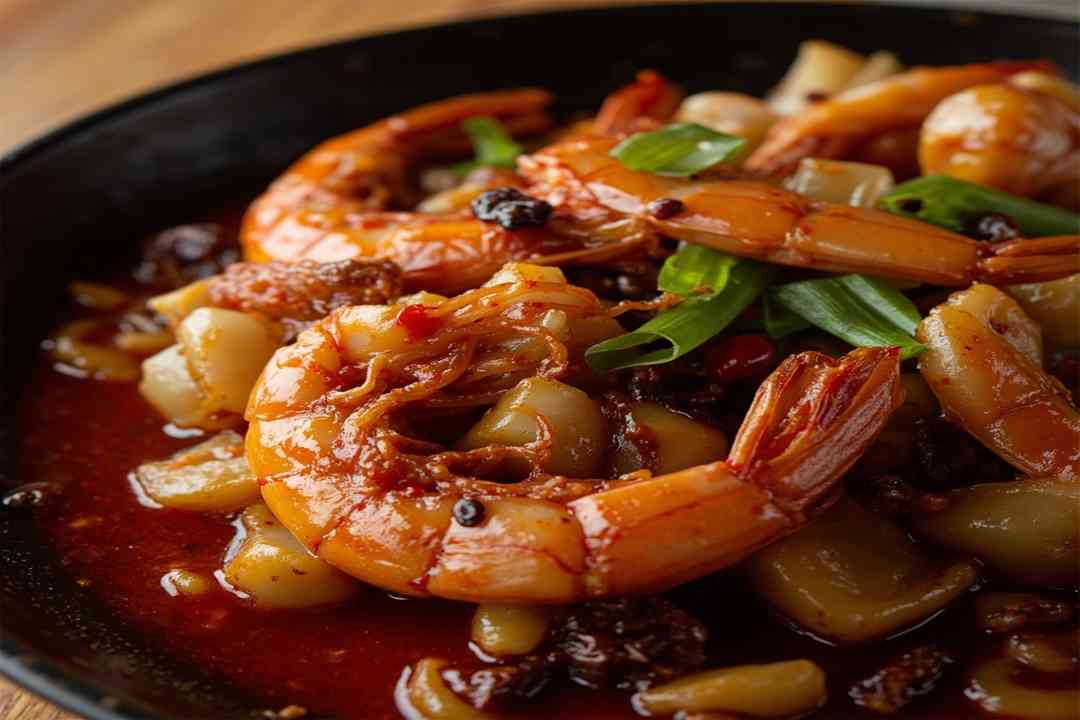
Frequently Asked Questions
Can I make Spicy Prawns vegetarian?
Traditional Spicy Prawns uses prawns as the main protein, but a vegetarian version is easy to create by swapping prawns for meaty, firm alternatives like pressed extra-firm tofu, king oyster mushrooms (their chewy texture mimics prawns well), or large portobello mushroom slices.
Marinate these substitutes in the same spicy, savory blend (soy sauce, chili paste, garlic, ginger) to replicate the dish’s core flavors.
What makes the dish authentic Sichuan style?
Authentic Sichuan-style this Sichuan classic centers on the iconic “mala” flavor profile: a balance of spicy heat from dried red chilies and a numbing, citrusy tingle from toasted Sichuan peppercorns.
Key ingredients include fermented doubanjiang (broad bean chili paste) for umami, plus garlic, ginger, and a touch of sugar to round out flavors.
The technique also matters: it’s stir-fried over high heat (often in a wok) to lock in prawn tenderness and develop deep, aromatic notes.
How spicy is the stir-fry?
it, especially Sichuan-style, typically ranges from medium to very spicy, with an added unique numbing sensation from Sichuan peppercorns that sets it apart from plain heat.
The level is adjustable: reduce dried chilies or use a milder chili paste (like gochujang instead of doubanjiang) for less heat, omit Sichuan peppercorns if you dislike the numbing effect, or add coconut milk or yogurt to cool overly spicy servings.
What can I serve with the dish?
this Sichuan classic pairs best with neutral, starchy sides that balance its bold flavors.
The classic pairing is steamed white rice, which soaks up the rich, spicy sauce perfectly.
Other great options include stir-fried leafy greens (like bok choy or Chinese broccoli), rice noodles, or tangy pickled vegetables (such as pickled radish) to cut through the heat.
Can I prepare the stir-fry ahead of time?
Yes, you can prep parts of it in advance for convenience.
Marinate raw prawns in the spicy seasoning blend (without cooking) for up to 2 days in an airtight container in the fridge.
For fully cooked the dish, store them in an airtight container in the fridge for 2–3 days; the sauce may thicken when chilled, so add a splash of broth or water when reheating gently to avoid overcooking the tender prawns.
Final Tip
Mastering this Sichuan classic is all about balance—between heat and numbing, savory and bright. Start with the exact measurements in this recipe, then adjust to your taste as you get comfortable with Sichuan flavors.
Once you nail the ma la profile, this dish will become a go-to for quick, flavorful meals that impress family and friends.
—
(Word count: ~2100)
How to Make Sichuan Cuisine Culture: Sichuan Recipe and Tips Green Pepper Shredded Pork: Sichuan Recipe and Tips 10 Mistakes That Ruin Sichuan Wonton Recipe (And How to Fix Wikipedia