Mapo tofu origin is usually traced to Chengdu in the late Qing Dynasty, often linked with Chen Mapo and dates in the 1860s or 1870s. The exact year varies by source, but the stable story connects soft tofu, minced meat, doubanjiang, and Sichuan peppercorn with an affordable Chengdu dish that later became a global Sichuan icon.
Basic Facts
Origin setting
Chengdu, Sichuan, during the late Qing Dynasty.
Common date range
Most public retellings place the story around the 1860s-1870s.
Associated figure
Chen Mapo, the restaurant figure linked with the best-known origin account.
Core flavor
Spicy, savory, and numbing from doubanjiang and Sichuan peppercorn.
Source caution
Treat the story as strong culinary tradition with some date variation, not a single perfectly documented archive record.
This page separates the origin account from the cooking method so readers can understand both the Chengdu story and the flavor logic behind the dish.
The Origin Story of Mapo Tofu
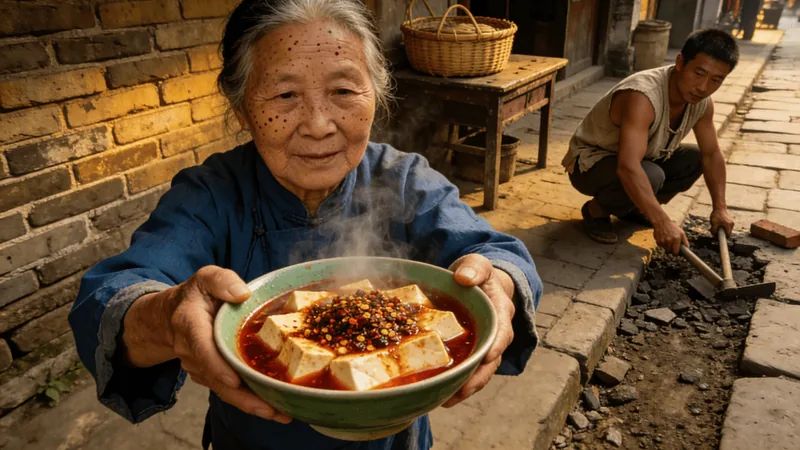
Most accounts place Mapo Tofu’s origin in Chengdu during the late Qing Dynasty, often around 1862 or 1874 depending on the source. The story centers on Chen Mapo, whose nickname referred to pockmarks, and a small eatery that served workers and travelers a filling tofu dish with bold Sichuan seasoning. Because the story comes through restaurant history and later retellings, it is best read as a strong culinary origin tradition rather than a single perfectly documented date.
That source uncertainty is important: people searching for Mapo tofu’s origin usually want the historical setting, the Chen Mapo story, and the ingredients that made the dish memorable, not just a romantic legend.
Source note: public reference summaries commonly connect Mapo Tofu with a Chengdu restaurant in the 1860s-1870s; see the Mapo tofu history overview for a quick starting point before comparing cookbook and restaurant-history accounts.
The Key Innovation Behind Mapo Tofu
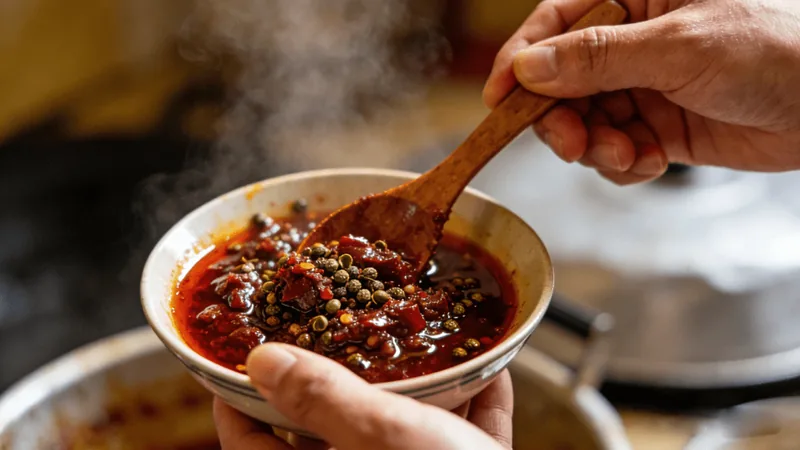
Chen Mapo took ordinary, affordable tofu and transformed it with an extraordinary sauce made from doubanjiang (fermented chili bean paste) and Sichuan peppercorns. This was a revolutionary combination: doubanjiang, a staple of Sichuan pantries, added deep, savory heat and umami depth, while Sichuan peppercorns brought the unique numbing “ma” sensation that defines Sichuan food.
The result was a dish that was spicy, numbing, and incredibly savory, with a flavor profile that no other dish could match at the time, perfectly balancing heat, aroma, and texture in every bite.
The Original Mapo Tofu Recipe
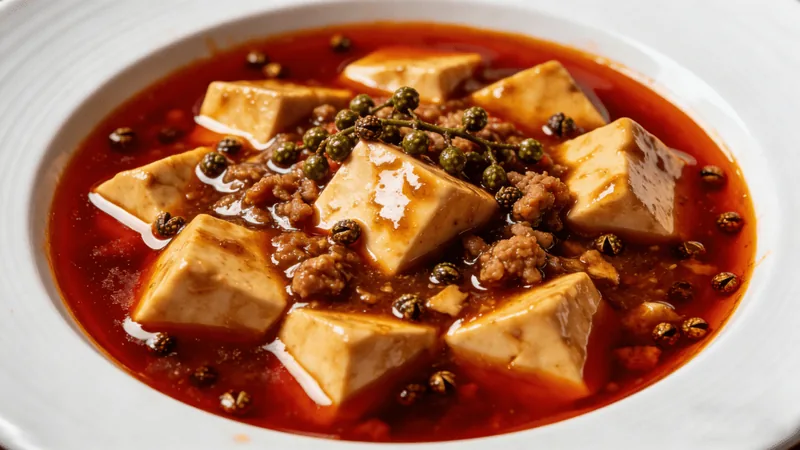
The original Mapo Tofu featured soft, silken tofu simmered in a sauce made with minced pork, doubanjiang, and various aromatics like garlic, ginger, and scallions.
The dish was finished with a sprinkle of ground Sichuan peppercorns and served steaming hot, perfect for warming up workers on cool Sichuan mornings. Unlike modern variations, the original recipe kept ingredients simple, focusing on the balance of flavors rather than extra add-ins.
What the Origin Story Explains
The origin story explains why Mapo Tofu became so memorable: inexpensive tofu carried a bold sauce, minced meat added richness, and Sichuan peppercorn created the numbing mala character. Those elements are still what cooks look for when they compare modern versions with the Chengdu original.
Why Mapo Tofu Became a Global Icon
The combination of affordable ingredients (tofu was cheap and plentiful in 19th-century Chengdu) with extraordinary flavors made Mapo Tofu an instant hit. It spread throughout Sichuan quickly, becoming a staple in homes and restaurants across the province.
As Chinese cuisine gained global popularity in the 20th century, Mapo Tofu traveled with it, eventually becoming known worldwide as a quintessential Sichuan dish, loved for its bold, balanced flavors and rich history.
The Modern Evolution of Mapo Tofu
Today, there are many regional variations of Mapo Tofu, from sweeter versions in American Chinese restaurants to spicier iterations in other parts of China, and even vegan swaps that replace pork with mushrooms for plant-based eaters.
However, the authentic Chengdu Mapo Tofu remains the gold standard—featuring smooth, silky tofu in a fiery, numbing sauce, with the same balance of flavors that Chen Mapo created over 160 years ago. For American home cooks, it’s a gateway to Sichuan cuisine, offering a perfect introduction to the iconic “mala” flavor profile that makes Sichuan food so unforgettable.
Final Thoughts
Mapo Tofu is more than just a spicy tofu dish—it’s a symbol of Sichuan’s culinary heritage, a story of innovation, and a beloved global favorite. Whether you’re a home cook looking to try authentic Sichuan food or a food lover curious about the history behind your favorite dishes, Mapo Tofu’s legend is one worth exploring, one delicious bite at a time.
How to Make Authentic Mapo Tofu
Cooking this classic Sichuan dish at home is simpler than you might think, as long as you focus on the sauce and the texture of the tofu. Follow these steps to create a restaurant-quality dish in your own kitchen.
Prep Work
Start by gathering your core ingredients: silken tofu, minced pork, doubanjiang (fermented chili bean paste), Sichuan peppercorns, garlic, ginger, and green onions. For the best results, toast the Sichuan peppercorns lightly in a dry pan, then crush them—this step unlocks the fragrant, numbing “ma” flavor that defines the dish. Chop the garlic and ginger finely, and cut the tofu into bite-sized cubes.
Cooking the Sauce
Heat a wok or skillet over high heat and add a neutral cooking oil. Once the oil is hot, sauté the minced pork until it browns and renders its fat. Add the garlic and ginger, stirring for a few seconds until aromatic. Next, stir in the doubanjiang, cooking it for a minute to release its rich, savory base. Deglaze the pan with a splash of water if needed, then add chicken or vegetable broth to build the sauce.
Simmering the Tofu
Gently lower the tofu cubes into the sauce. Do not stir vigorously—silken tofu is fragile, and stirring can break it apart. Instead, tilt the pan and spoon the sauce over the tofu to coat it evenly. Let the mixture simmer on low heat for 3-5 minutes, allowing the tofu to absorb the bold flavors of the sauce.
Finishing Touches
Mix a small amount of cornstarch with water to make a slurry, then pour it into the pan to thicken the sauce. The sauce should be thick and glossy, clinging to every piece of tofu. Finish with a sprinkle of crushed Sichuan peppercorns and chopped green onions. Serve immediately, as this dish is best enjoyed hot.
For American home cooks, this recipe is a fantastic way to experience the true “mala” profile without relying on takeout. With a little practice, you’ll master the balance of spicy, numbing, and savory flavors that make Mapo Tofu legendary.
Frequently Asked Questions About Mapo Tofu Origin
Where did Mapo Tofu originate?
Mapo Tofu is generally traced to Chengdu, Sichuan, during the late Qing Dynasty. Most retellings connect it with a small Chengdu eatery and the Chen Mapo story.
Who was Chen Mapo?
Chen Mapo is the restaurant figure linked with the best-known origin story of the dish. The nickname is usually explained as a reference to pockmarks, and later accounts connect her eatery with the tofu dish that became famous across Sichuan.
Why do sources give different years for Mapo Tofu’s origin?
The story comes from restaurant history and later retellings, so sources often cite dates in the 1860s or 1870s. The more stable point is the late-Qing Chengdu setting and the core ingredients: tofu, minced meat, doubanjiang, and Sichuan peppercorn.