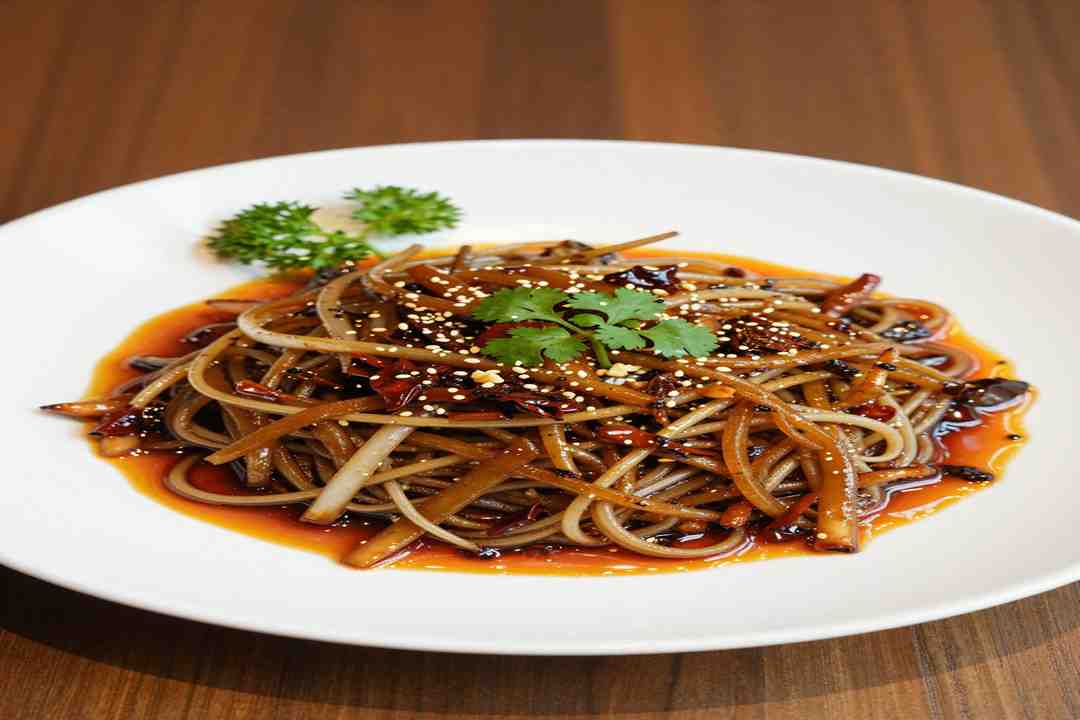
Sichuan cuisine culture is a vibrant blend of history, geography, and bold flavors that defines one of China’s most beloved culinary traditions. It’s not just about spice—it’s about balance, warmth, and connection to the land.
This culture has shaped how millions eat, both in Sichuan and across the globe. Whether you’re biting into a silky Mapo Tofu or slurping Dan Dan Noodles, you’re tasting centuries of local wisdom.
Sichuan’s climate is key to its cuisine. The region’s hot, humid summers and cool, damp winters made locals crave flavors that cut through moisture.
Mala—numbing-spicy—emerged as the perfect solution. This combination of Sichuan peppercorns (for the tingly “ma” sensation) and dried chilies (for the fiery “la” kick) isn’t random.
It’s a practical choice that has become the soul of Sichuan cuisine culture.
The Story Behind Sichuan Cuisine Culture
Sichuan cuisine culture evolved over 2,000 years in China’s southwestern Sichuan province. Its location along the Yangtze River valley brought fertile land and unique ingredients.
Early street vendors sold simple, filling dishes to laborers—food that was affordable, flavorful, and easy to eat on the go. Iconic dishes like Mapo Tofu, Kung Pao Chicken, Dan Dan Noodles, and Hot and Sour Soup all started this way.
Pixian, a district in Sichuan, is the heart of the region’s fermented ingredients. Pixian doubanjiang—fermented chili bean paste, aged for 3+ years—adds deep umami to almost every classic Sichuan dish.
This paste was originally made by farmers to preserve chili peppers, but it became a cornerstone of Sichuan cuisine culture. Over time, these street foods were elevated to restaurant classics, but their core focus on bold, balanced flavors never changed.
What Makes Sichuan Cuisine Culture Special
Sichuan cuisine culture stands out for its signature flavor profile: mala. But it’s not just heat—mala is a layered combination of numbing and spicy, with salty, sweet, and aromatic undertones.
Authentic Sichuan dishes use five core flavor profiles: mala, sweet-sour, numbing-salty, spicy-sweet, and aromatic. This balance is what sets it apart from other spicy cuisines.
Key techniques define the culture too. Stir-fry uses high heat (180°C+) for quick cooking, locking in texture.
Quick-braise simmers ingredients in a flavorful liquid for rich depth. Dry-fry crisps ingredients without extra oil, adding crunch.
These techniques, paired with specific ingredients, create dishes that are both complex and approachable. Unlike many regional cuisines, Sichuan food isn’t just about one flavor—it’s about harmonizing multiple tastes in every bite.
Ingredients for Sichuan Cuisine Culture
- 300g soft tofu (cubed 2cm)
- 2 tablespoons Pixian doubanjiang (fermented chili bean paste)
- 1 teaspoon Sichuan peppercorns (toasted and ground)
- 1 tablespoon dried red chilies (cut into 1-inch segments)
- 150g lean ground pork
- 2 cloves garlic (minced)
- 1 teaspoon fresh ginger (grated)
- 1 tablespoon light soy sauce
- 1 teaspoon cornstarch (mixed with 2 tablespoons water, slurry)
- 2 tablespoons vegetable oil
- 1 cup low-sodium chicken broth
- 1 green onion (sliced, for garnish)
- 1/2 teaspoon granulated sugar
- 1/4 teaspoon white pepper
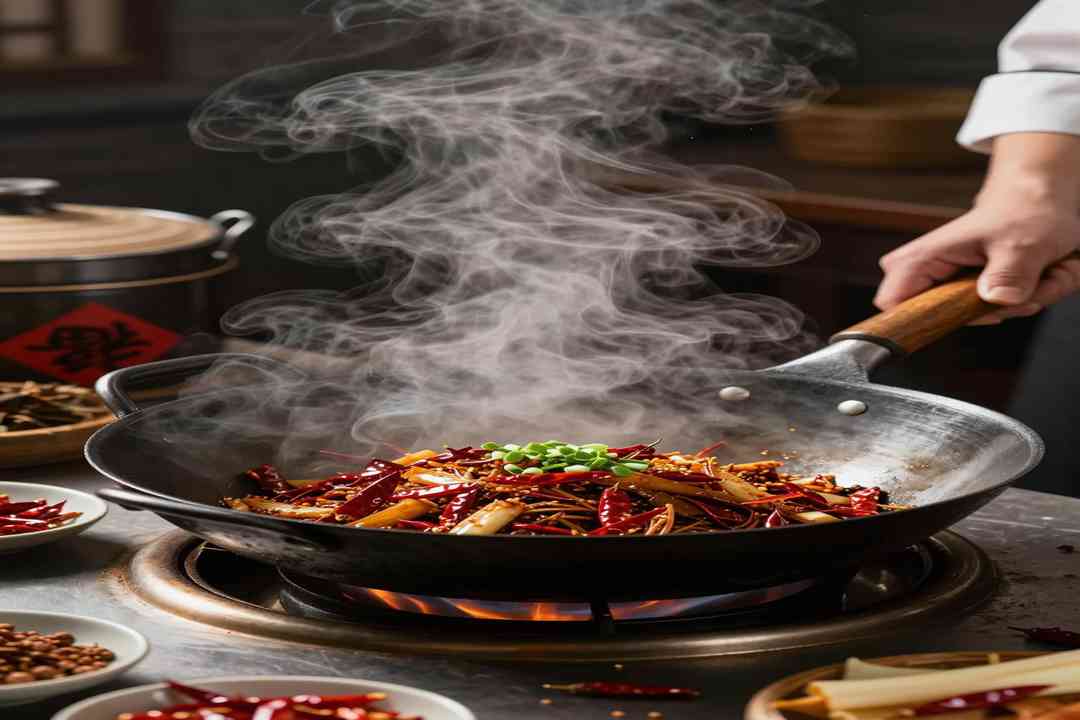
How to Make Sichuan Cuisine Culture (Mapo Tofu)
- Toast Sichuan peppercorns in a dry pan over low heat for 1 minute. Stir constantly to avoid burning. Let cool, then grind finely.
- Cut soft tofu into 2cm cubes. Blanch in boiling water for 2 minutes. This firms the tofu so it doesn’t break during cooking. Drain and set aside.
- Heat 2 tablespoons vegetable oil in a wok over medium-high heat (160°C). Add ground pork. Stir-fry for 2 minutes until browned and crumbly.
- Add minced garlic and grated ginger to the wok. Stir-fry for 30 seconds until aromatic. Don’t burn them—they’ll turn bitter.
- Add Pixian doubanjiang. Stir-fry for 1 minute to release its red oil and deep, savory flavor. This step is critical for authentic taste.
- Pour in chicken broth, light soy sauce, and sugar. Bring to a gentle simmer (95°C). The sugar balances the chili’s sharpness.
- Gently add blanched tofu cubes. Simmer for 5 minutes. Don’t stir aggressively—use a spatula to lift and lower the tofu.
- Pour the cornstarch slurry into the wok. Stir slowly for 1 minute until the sauce thickens and coats the tofu evenly.
- Turn off the heat. Sprinkle ground Sichuan peppercorns over the top. This adds the signature numbing kick.
- Garnish with sliced green onions. Serve immediately with steamed rice.
Common Mistakes with Sichuan Cuisine Culture
The biggest mistake home cooks make is mismanaging the mala balance. Many skip Sichuan peppercorns entirely, missing the unique numbing sensation that defines the culture.
Others overdo it, making the dish feel harsh instead of layered. Another error is under-blanching tofu—this leaves it soft and prone to breaking, ruining the dish’s texture.
Another common misstep is using unfermented chili paste instead of Pixian doubanjiang. Regular chili paste lacks the deep umami from years of fermentation.
Also, skipping the small amount of sugar is a mistake—it’s not for sweetness alone; it rounds out the chili and salt, creating a balanced flavor. Rushing the stir-fry of doubanjiang also wastes its potential to release aroma.
Serving & Storage
Serve Mapo Tofu immediately, while the sauce is hot and the tofu is tender. Pair it with steamed jasmine rice to neutralize the heat and numbing.
A side of cold cucumber salad (tossed with garlic and sesame oil) also works to cool the palate. For larger meals, add Kung Pao Chicken or Hot and Sour Soup to complete a Sichuan-style spread.
For storage: Leftovers keep in an airtight container in the fridge for up to 2 days. Reheat gently in a wok over medium heat, adding 1-2 tablespoons of chicken broth to loosen the sauce.
Avoid freezing—frozen tofu loses its smooth texture and becomes spongy. Freshly cooked Mapo Tofu is always best.
Final Tip
When cooking Sichuan dishes, trust your taste more than strict measurements. The mala ratio is personal—some love a strong numbing kick, others prefer a milder tingle.
Toast Sichuan peppercorns fresh and grind them just before use to preserve their unique aroma. Most importantly, have fun—the mixture is about bold, joyful flavors meant to be shared with others.
—
10 Mistakes That Ruin Best Sichuan Eggplant Recipes (And How 10 Mistakes That Ruin Sichuan Soup Recipes (And How to Fix T Why Your Homemade Mapo Tofu Never Tastes Like the Restaurant WikipediaCan I make it vegetarian?
Yes, the sauce has a rich, centuries-old tradition of vegetarian dishes, rooted in both Buddhist temple cuisine and everyday home cooking. Meat is easily substituted with ingredients like firm tofu, wood ear mushrooms, bamboo shoots, and king oyster mushrooms, paired with iconic Sichuan seasonings such as Pixian doubanjiang (fermented broad bean chili paste), Sichuan peppercorn, and chili oil. Popular vegetarian adaptations include vegetarian Mapo Tofu, Yuxiang-style shredded "pork" (made from shredded king oyster mushrooms), and steamed glutinous rice lotus root, all retaining the cuisine’s signature numbing, spicy, and savory flavors.
What makes this sauce authentic Sichuan style?
Authentic the tofu sauce is defined by its core "mala" (numbing-spicy) flavor profile, shaped by local ingredients and techniques. Key distinguishing elements include staple seasonings like Pixian doubanjiang (a fermented broad bean chili paste central to most savory Sichuan dishes), Sichuan peppercorn (which delivers the unique tingly numbing sensation), erjingtiao chili peppers, and pickled Sichuan vegetables (suan cai). Core techniques include quick stir-frying, slow braising, and dry-heat roasting, with a focus on balancing seven fundamental flavors: sweet, sour, bitter, spicy, numbing, salty, and fragrant— a balance that sets it apart from other regional Chinese cuisines.
How spicy is the mixture?
Sichuan cuisine’s spice is layered and complex, not just purely hot, combining chili heat with the distinct tingle of Sichuan peppercorn. The spice level varies widely across dishes: mild home-style preparations like Kung Pao Chicken or gentle Mapo Tofu have balanced, approachable heat, while bold specialties like mala hotpot, boiled fish (shui zhu yu), or spicy rabbit head are much spicier, designed to deliver a lingering, tingly mala sensation. Unlike harsh generic spicy food, Sichuan’s heat is complemented by savory and umami notes, so it builds gradually rather than causing immediate, harsh burning.
What can I serve with it?
Sichuan cuisine pairs best with items that balance its bold, intense flavors. The most traditional and common pairing is plain steamed white rice, which helps neutralize the tingly mala heat. Light, refreshing cold sides also work well, such as garlic cucumber salad, pickled Sichuan mustard greens, or wood ear mushroom salad. For beverages, jasmine tea (a staple in Sichuan dining) or cold light beer cuts through the richness of heavy dishes like braised pork or mala hotpot. Lighter accompaniments like steamed buns or simple egg drop soup also complement the cuisine’s strong flavors without overpowering them.
Can I prepare the sauce ahead of time?
Yes, many parts of Sichuan cuisine can be prepped in advance, and some dishes even improve with rest. Savory base sauces (for Mapo Tofu, Kung Pao Chicken, or similar dishes) can be mixed and refrigerated for up to 3 days, while marinating meats or chopping vegetables for stir-fries is easy to do ahead of time. Braised or stewed Sichuan dishes (like red-braised pork or suan cai fish) develop deeper, more balanced flavors when made a day ahead, as spices and seasonings meld together. However, quick stir-fried dishes with delicate ingredients (such as leafy greens) are best cooked right before serving to retain their texture. Cooked Sichuan dishes can be refrigerated for 2–3 days or frozen for up to a month for longer storage.