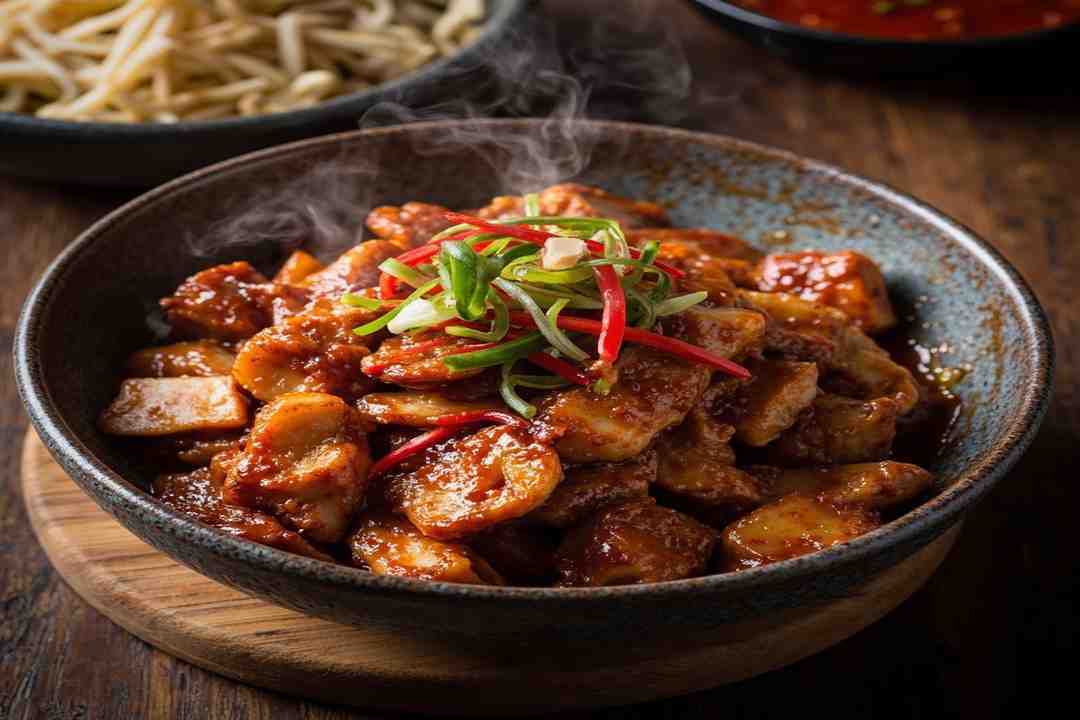
Sichuan cuisine is a symphony of flavors—numbing, spicy, savory, and tangy, all layered to create dishes that linger on the palate. Among its most beloved and iconic creations is Twice-Cooked Pork, or Hui Guo Rou, a staple in every Sichuan household and a must-order at any local eatery.
What sets this dish apart is not just its bold taste, but the intentional two-step cooking technique that balances the richness of pork with bright, aromatic spices. For home cooks, mastering Twice-Cooked Pork means getting the balance of heat, ingredients, and timing right to replicate that authentic Sichuan flavor.
Today, we’ll break down everything you need to know to make this classic dish at home, from core ingredients to step-by-step techniques, common mistakes to avoid, and creative variations to try.
What Is Twice-Cooked Pork, Exactly?
Twice-Cooked Pork is a stir-fry dish rooted in Sichuan’s culinary philosophy of harmony—where every step serves a purpose. The name comes from its signature two-step cooking process: first, pork belly is boiled to set its shape and remove excess fat, then sliced thin.
Second, the slices are stir-fried with Sichuan’s signature ingredients, resulting in pork with crispy, golden edges on the outside and tender, marbled layers inside, coated in a glossy, spicy sauce. The dish’s unique “ma” (numbing) sensation comes from Sichuan peppercorns, while the “la” (spicy) kick comes from fermented broad bean chili sauce.
Unlike many stir-fries that cook ingredients once, the second fry is critical: it caramelizes the sauce, infuses every slice with deep flavor, and ensures the pork isn’t greasy. It’s a dish that feels both familiar and extraordinary, perfect for family meals or special occasions.
Core Ingredients for Authentic Twice-Cooked Pork
To make a truly authentic version, you need to prioritize quality ingredients—substitutions can dilute the dish’s signature flavors drastically. Here’s the essential list:
- Pork Belly: The star of the show. Choose a slab with even layers of fat and lean (roughly 3 parts fat to 7 parts lean).
- Fresh, not frozen, pork works best for a tender texture. Slice it yourself into 3mm-thick, uniform pieces—pre-sliced pork often has uneven thickness.
- Pixian Doubanjiang: Non-negotiable. Pixian, a small town in Sichuan, produces the world’s finest fermented broad bean chili sauce, aged for at least three years.
- It has a deep, umami-rich flavor with a hint of salt and slow-burning spice. If you can’t find Pixian, opt for a high-quality Sichuan doubanjiang—generic versions lack the depth and complexity.
- Sichuan Peppercorns: These give the dish its iconic numbing sensation. Toast whole peppercorns in a dry pan over low heat for 30 seconds until fragrant, then grind lightly (don’t turn them into powder).
- Pre-ground peppercorns lose their aroma quickly, so whole is best.
- Aromatics: Garlic (3-4 cloves, minced), ginger (1-inch piece, minced), scallions (white parts for stir-frying, green parts for garnish).
- Optional Add-Ins: Douchi (fermented black beans, adds extra umami), pickled mustard greens (suan cai, for a tangy twist), and a small amount of light soy sauce (for salt and color).
Substitutions for Overseas Cooks: If Pixian doubanjiang is unavailable, mix 1 tbsp of regular chili sauce with 1 tsp of miso paste (note it won’t match the original’s depth). For Sichuan peppercorns, use a blend of black and white pepper, but it will lack the numbing effect.
Step-by-Step: How to Cook Twice-Cooked Pork at Home
Follow these steps for perfect results every time, with tips tailored to home kitchens:
Step 1: Boil the Pork
- Place the pork belly slab (about 500g) in a large pot of cold water. Add 1 slice of ginger and 1 tied scallion to the water—this removes any gamey smell.
- Bring to a boil, then reduce to a gentle simmer. Cook for 15-20 minutes. Test doneness by inserting a skewer: it should slide through easily, but the pork should still be slightly firm (if it’s too soft, it will fall apart when sliced).
- Remove the pork from the water and let it cool completely (chilling in the fridge for 30 minutes makes slicing much easier). Once cool, slice into 3mm-thick pieces.
Step 2: Prep the Sauce and Aromatics
- Mince the garlic and ginger. Toast the Sichuan peppercorns in a dry pan over low heat, then grind lightly with a mortar and pestle.
- Mash 2 tbsp of Pixian doubanjiang with a spoon to break up the chili pieces. If using douchi, rinse them and mince.
Step 3: Stir-Fry (The Second Cook)
- Heat a wok (or large skillet) over high heat. Add 1 tbsp of peanut oil (best for high heat).
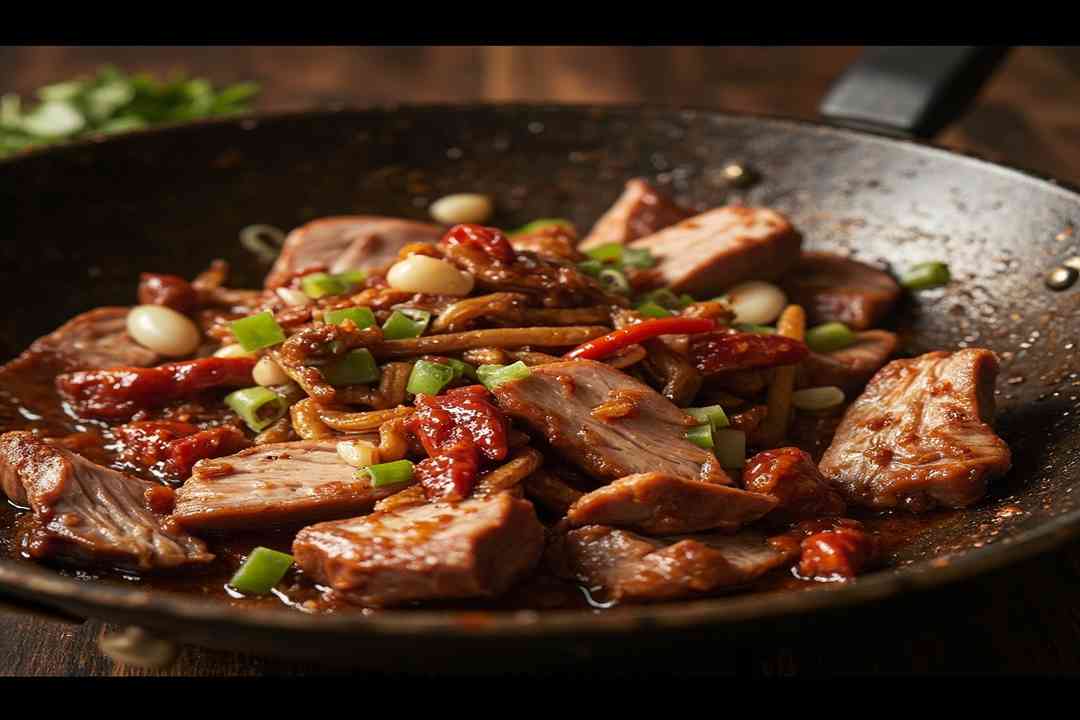
- Add the sliced pork to the pan. Stir-fry for 2-3 minutes, until edges turn golden and crispy. Don’t overcrowd the pan—cook in batches if needed.
- Push the pork to the side of the pan. Add garlic, ginger, and ground peppercorns to the empty side. Stir-fry for 10 seconds until fragrant.
- Add the mashed doubanjiang (and douchi, if using) to the pan. Toss with the pork to coat evenly, cooking for 1 more minute.
- If using pickled mustard greens, add them now and stir-fry for 30 seconds.
- Finally, add the green scallion parts and a pinch of light soy sauce (only if needed for salt). Stir once, then turn off the heat.
Step 4: Serve Immediately
Twice-Cooked Pork is best enjoyed hot, right after cooking. It pairs perfectly with steamed rice, as the neutral grain balances the dish’s bold flavors.
Common Mistakes to Avoid (And Fix Them)
Even with the right ingredients, small missteps can ruin the dish. Here are the most frequent errors and quick fixes:
- Over-Boiling Pork: Soft, mushy pork falls apart when sliced. Fix: Reduce boiling time to 15 minutes, and test with a skewer—stop when it’s firm but not hard.
- Using Low-Quality Doubanjiang: Generic doubanjiang is too salty and lacks depth. Fix: Invest in Pixian doubanjiang (it’s worth the cost) or use a trusted Sichuan brand.
- Skipping Toasting Peppercorns: Pre-ground peppercorns lose their aroma. Fix: Toast whole peppercorns in a dry pan before grinding—this unlocks their essential oils for a more fragrant dish.
- Not Draining Pork: Excess water makes pork steam instead of fry, leading to sogginess. Fix: Pat sliced pork dry with paper towels before stir-frying.
- Too Much Sauce: Overusing doubanjiang makes the dish overly salty and greasy. Fix: Stick to 2 tbsp of doubanjiang for 500g of pork, adjusting to taste.
Variations to Try (Beyond the Classic)
Once you master the traditional Twice-Cooked Pork, experiment with these creative twists:
- Suan Cai Twice-Cooked Pork: Add pickled mustard greens during the stir-fry step. Their tangy flavor cuts through the pork’s richness, adding a bright contrast.
- Lotus Root Twice-Cooked Pork: Blanch thin lotus root slices for 1 minute, then add to the stir-fry. The crunchy texture pairs beautifully with crispy pork.
- Vegetarian Twice-Cooked Pork: Replace pork with pressed tofu or king oyster mushrooms. Use the same sauce and stir-fry steps for a flavorful plant-based version.
- Extra Spicy Version: Toss in 2-3 dried red chilies during the stir-fry for an extra kick of heat.
Serving Suggestions to Elevate Your Meal
Twice-Cooked Pork is a hearty main dish, so pair it with simple sides that don’t overpower its flavors:
- Steamed White Rice: The neutral rice balances the dish’s numbing and spicy notes, making each bite more satisfying.
- Simple Cucumber Salad: A light salad with sliced cucumbers, a dash of vinegar, and a pinch of salt cuts through the pork’s richness.
- Another Sichuan Classic: For a full Sichuan meal, serve alongside our guide to authentic Mapo Tofu, which adds another layer of bold, spicy umami.
If you enjoyed learning about Twice-Cooked Pork, you might also like our guide to authentic Mapo Tofu, another iconic Sichuan dish that showcases the region’s bold flavors, and our tips for perfect Shui Zhu Niu Rou if you love tender, spicy meats.
How to Make Sichuan Cuisine Culture: Sichuan Recipe and Tips Why Your Simple Mapo Tofu Never Tastes Like the Restaurant — Authentic Sichuan Chili Oil: Sichuan Home Cooking Guide Wikipedia
Frequently Asked Questions
Can I make Twice-Cooked Pork vegetarian?
Yes, you can adapt the sauce for vegetarian diets by swapping traditional pork belly for umami-rich alternatives like smoked firm tofu, seitan, or sliced king oyster mushrooms.
Marinate the substitute in soy sauce, rice wine, and a touch of sesame oil to mimic the savory, slightly fatty profile of pork, then follow the classic Sichuan stir-fry steps with chili bean paste and aromatics.
What makes this sauce authentic Sichuan style?
Authentic Sichuan-style the tofu sauce relies on two core elements: the “twice-cooked” method (boiling a whole slab of pork belly first to cook it through, then slicing it and pan-frying until edges turn crispy and curled) and the signature ma la (numbing-spicy) sauce.
Key ingredients include Pixian chili bean paste (a fermented Sichuan staple), Sichuan peppercorns, garlic, ginger, and scallions, with no heavy sweet or tangy additives that would overpower the dish’s bold, balanced profile.
How spicy is the mixture?
Traditional Sichuan it has a medium-spice level, defined more by its savory fermented chili kick than overwhelming heat, plus a subtle numbing tingle from Sichuan peppercorns.
It is less fiery than dishes like Sichuan boiled fish, but has a noticeable boldness.
To adjust spice: reduce chili bean paste and omit dried chilies for a mild version, or add extra Pixian bean paste, fresh Thai chilies, or chili oil for extra heat.
What can I serve with the sauce?
this sauce is a rich, savory main dish that pairs best with neutral, starchy sides to balance its bold flavors.
The most classic pairing is steamed white rice, which soaks up the flavorful sauce.
Light, fresh sides like steamed bok choy, garlic sautéed spinach, or a tangy cold cucumber salad cut through the pork’s richness and add texture contrast.
For traditional multi-course Sichuan meals, it is often served alongside other dishes like mapo tofu or stir-fried green vegetables.
Can I prepare the tofu sauce ahead of time?
Yes, you can prep most components ahead of time for convenience.
The boiled pork belly (the first “cook” step) can be made 1–2 days in advance, sliced, and stored in an airtight container in the refrigerator.
The sauce mixture (chili bean paste, garlic, ginger, Sichuan peppercorns) can also be prepped and stored separately for up to 3 days.
For best texture, however, avoid frying the pork slices until right before serving—frying ahead will make the pork lose its crispy edge, so cook the dish fresh when you’re ready to eat.
{“@context”:”https://schema.org”,”@type”:”FAQPage”,”mainEntity”:[{“@type”:”Question”,”name”:”Can I make the mixture vegetarian?”,”acceptedAnswer”:{“@type”:”Answer”,”text”:”Yes, you can adapt it for vegetarian diets by swapping traditional pork belly for umami-rich alternatives like smoked firm tofu, seitan, or sliced king oyster mushrooms. Marinate the substitute in soy sauce, rice wine, and a touch of sesame oil to mimic the savory, slightly fatty profile of pork, then follow the classic Sichuan stir-fry steps with chili bean paste and aromatics.”}},{“@type”:”Question”,”name”:”What makes the sauce authentic Sichuan style?”,”acceptedAnswer”:{“@type”:”Answer”,”text”:”Authentic Sichuan-style this sauce relies on two core elements: the “twice-cooked” method (boiling a whole slab of pork belly first to cook it through, then slicing it and pan-frying until edges turn crispy and curled) and the signature ma la (numbing-spicy) sauce. Key ingredients include Pixian chili bean paste (a fermented Sichuan staple), Sichuan peppercorns, garlic, ginger, and scallions, with no heavy sweet or tangy additives that would overpower the dish’s bold, balanced profile.”}},{“@type”:”Question”,”name”:”How spicy is the tofu sauce?”,”acceptedAnswer”:{“@type”:”Answer”,”text”:”Traditional Sichuan the mixture has a medium-spice level, defined more by its savory fermented chili kick than overwhelming heat, plus a subtle numbing tingle from Sichuan peppercorns. It is less fiery than dishes like Sichuan boiled fish, but has a noticeable boldness. To adjust spice: reduce chili bean paste and omit dried chilies for a mild version, or add extra Pixian bean paste, fresh Thai chilies, or chili oil for extra heat.”}},{“@type”:”Question”,”name”:”What can I serve with it?”,”acceptedAnswer”:{“@type”:”Answer”,”text”:”the sauce is a rich, savory main dish that pairs best with neutral, starchy sides to balance its bold flavors. The most classic pairing is steamed white rice, which soaks up the flavorful sauce. Light, fresh sides like steamed bok choy, garlic sautéed spinach, or a tangy cold cucumber salad cut through the pork’s richness and add texture contrast. For traditional multi-course Sichuan meals, it is often served alongside other dishes like mapo tofu or stir-fried green vegetables.”}},{“@type”:”Question”,”name”:”Can I prepare this sauce ahead of time?”,”acceptedAnswer”:{“@type”:”Answer”,”text”:”Yes, you can prep most components ahead of time for convenience. The boiled pork belly (the first “cook” step) can be made 1–2 days in advance, sliced, and stored in an airtight container in the refrigerator. The sauce mixture (chili bean paste, garlic, ginger, Sichuan peppercorns) can also be prepped and stored separately for up to 3 days. For best texture, however, avoid frying the pork slices until right before serving—frying ahead will make the pork lose its crispy edge, so cook the dish fresh when you’re ready to eat.”}}]}
{
“@context”: “https://schema.org”,
“@type”: “Article”,
“headline”: “Authentic Twice-Cooked Pork: Sichuan Home Cooking Guide”,
“description”: “Twice-Cooked Pork: Sichuan cuisine is a symphony of flavors—numbing, spicy, savory, and tangy, all layered to create dishes that linger…”,
“author”: {
“@type”: “Person”,
“name”: “Editorial Team”
},
“datePublished”: “2026-06-26T02:18:49.432668+00:00”,
“dateModified”: “2026-06-26T02:18:49.432668+00:00”
}