Sour Cabbage Fish works best when the sauce, heat, and timing are planned before cooking. 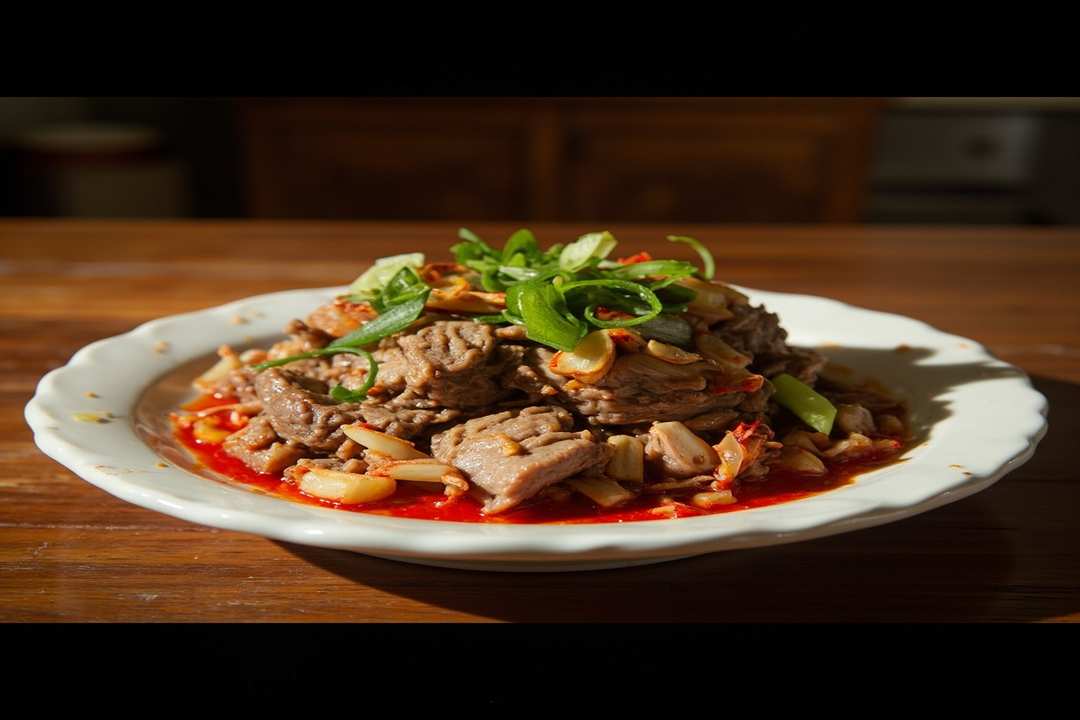
Sour Cabbage Fish is a beloved Sichuan dish that balances tangy, spicy, and numbing flavors with tender fresh fish. This home-style favorite is perfect for family dinners, and it stands out among iconic Sichuan dishes like Mapo Tofu and Hot and Sour Soup.
It’s approachable for home cooks, but mastering the balance of flavors takes a few key tricks—making it a great dish to try if you’re new to Sichuan cuisine.
Many Sichuan households serve Sour Cabbage Fish at weekend gatherings, where its bright, fermented aroma fills the table. Unlike heavier Sichuan staples like Kung Pao Chicken, this dish feels light yet deeply flavorful, with the sour cabbage cutting through the richness of the fish.
It’s also a versatile option for weeknights, as it takes just 45 minutes from prep to plate.
The Story Behind Sour Cabbage Fish
Sour Cabbage Fish has roots in rural Sichuan, where fermented cabbage (called suan cai) was a staple preserved vegetable. For generations, families fermented cabbage in clay jars for months to create a tangy, umami-rich ingredient that lasted through winter.
Freshwater fish from Sichuan’s rivers was abundant, so combining these two local ingredients made sense.
The dish evolved to include Sichuan’s signature spices—Pixian doubanjiang (chili bean paste) and Sichuan peppercorns—to add the iconic numbing and spicy notes. It’s similar to Dan Dan Noodles in its use of fermented ingredients, but the whole fish makes it a hearty main course.
Sour Cabbage Fish Over time, it spread to urban Sichuan restaurants, becoming a go-to for diners craving authentic, balanced Sichuan flavors.
What makes it unique is how it marries preserved and fresh elements. The sour cabbage adds a complex tang that’s not found in dishes like Mapo Tofu, which relies on ground pork for depth.
Sour Cabbage Fish This balance of old and new is part of why it’s stayed popular for decades.
What Makes Sour Cabbage Fish Special
The flavor profile of Sour Cabbage Fish is threefold: tangy from fermented cabbage, spicy from doubanjiang, and numbing from Sichuan peppercorns. This trifecta is the heart of Sichuan cuisine, and the dish executes it perfectly.
Unlike many spicy dishes, it doesn’t overwhelm—each flavor complements the next.
Key techniques set it apart from other Sichuan fish dishes. First, pan-frying the fish before simmering locks in moisture, so it stays tender instead of falling apart.
Second, toasting the doubanjiang and Sichuan peppercorns releases their essential oils, amplifying their flavors. Sour Cabbage Fish Most home cooks skip this step, leading to a flat-tasting dish.
Compared to other Sichuan classics, Sour Cabbage Fish is less oily than Kung Pao Chicken and less dense than Mapo Tofu. It’s also more aromatic, thanks to the slow-cooked sour cabbage.
This makes it a great choice for those who want to experience Sichuan’s complex flavors without feeling heavy after eating.
Ingredients for Sour Cabbage Fish
- 1 whole grass carp (approx 1.5kg, scaled, gutted, fins trimmed)
- 200g homemade sour cabbage (shredded, rinsed lightly to reduce saltiness)
- 3 tablespoons Pixian doubanjiang (Sichuan chili bean paste)
- 1 teaspoon Sichuan peppercorns (crushed, optional to remove seeds)
- 2 tablespoons chili oil (for garnish)
- 1 tablespoon fresh ginger (minced)
- 2 garlic cloves (thinly sliced)
- 1 scallion (chopped, for garnish)
- 1 teaspoon sea salt (for seasoning the fish)
- 1 tablespoon light soy sauce
- 1 teaspoon granulated sugar
- 500ml chicken broth (or water for a lighter version)
- 2 tablespoons cornstarch (mixed with 3 tablespoons cold water to make a slurry)
- 1 small red chili (sliced, optional for extra spice)
- 2 tablespoons canola oil (for pan-frying)
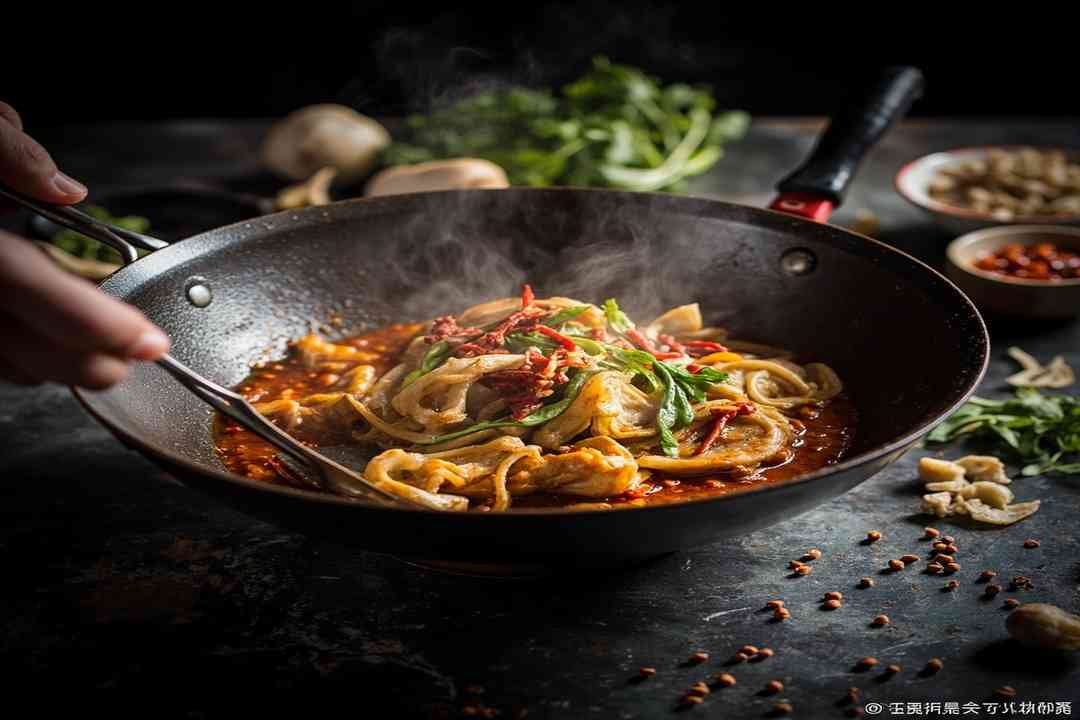
How to Make Sour Cabbage Fish
- Prepare the fish: Score both sides of the grass carp at 2cm intervals (deep enough to reach the bone). Rub the entire fish with ½ teaspoon sea salt.
- Sour Cabbage Fish Let it rest at room temperature for 10 minutes to absorb seasoning.
- Pan-fry the fish: Heat 2 tablespoons canola oil in a wok over medium heat (160°C). Gently place the fish into the wok.
- Fry for 3 minutes per side until golden brown and slightly crispy. Sour Cabbage Fish Remove the fish and set it aside on a plate.
- Toast Sichuan peppercorns: In the same wok (with leftover oil), add crushed Sichuan peppercorns. Heat over low heat (120°C) for 30 seconds, stirring constantly, until fragrant.
- Sour Cabbage Fish Use a fine sieve to remove the peppercorns (optional, to avoid bitter texture in the final dish).
- Sauté aromatics: Add minced ginger and sliced garlic to the wok. Sour Cabbage Fish Stir-fry for 1 minute over medium heat until aromatic.
- Cook doubanjiang: Add Pixian doubanjiang to the wok. Stir-fry for 2 minutes until the red oil separates and the sauce is fragrant.
- Sour Cabbage Fish This step is critical for releasing the deep umami flavor of doubanjiang.
- Sour cabbage: Add shredded sour cabbage to the wok. Sour Cabbage Fish Stir-fry for 5 minutes over medium heat until the cabbage softens and its tangy aroma fills the air.
- Simmer the sauce: Pour in 500ml chicken broth. Add light soy sauce and granulated sugar. Sour Cabbage Fish Bring to a rolling boil.
- Cook the fish: Gently place the pan-fried fish back into the wok. Reduce heat to low (120°C), cover, and simmer for 15 minutes.
- Sour Cabbage Fish This allows the fish to absorb the sauce’s flavors without overcooking.
- Thicken the sauce: Remove the fish from the wok and transfer to a serving platter. Bring the sauce back to a simmer.
- Stir in the cornstarch slurry slowly, while stirring constantly. Sour Cabbage Fish Cook for 2 minutes until the sauce thickens to a glossy consistency.
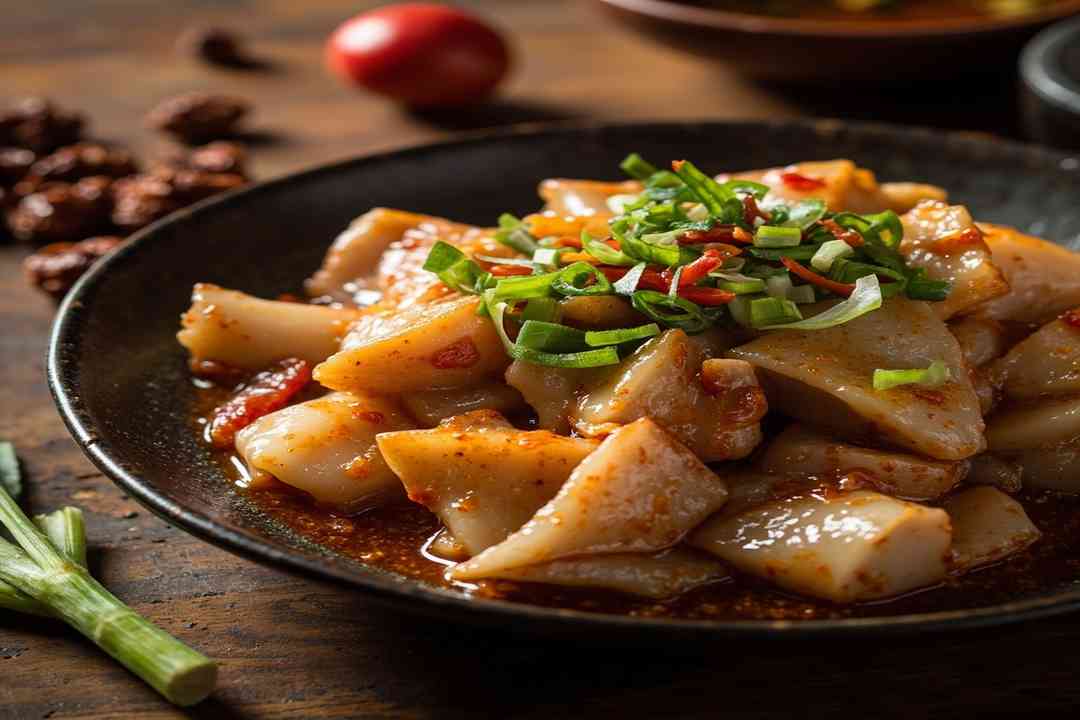
- Garnish: Pour the thickened sauce over the fish. Top with chopped scallions, sliced red chili (if using), and a drizzle of chili oil. Sour Cabbage Fish Serve immediately with steamed rice.
Common Mistakes with Sour Cabbage Fish
The most common mistake is overcooking the fish. If you simmer it longer than 15 minutes, the flesh becomes mushy and loses its tender texture.
This happens because fish cooks quickly, and prolonged heat breaks down its delicate proteins. Sour Cabbage Fish Beginners often skip this step, leading to a disappointing dish.
Another mistake is not toasting the Sichuan peppercorns. Raw peppercorns have a harsh, unbalanced flavor—only toasting them releases the subtle numbing tingle that defines Sichuan cuisine.
Sour Cabbage Fish Many home cooks add them directly to the sauce, which misses this key step.
Rushing the doubanjiang cooking is also a mistake. Pixian doubanjiang needs to be stir-fried for 2 minutes to break down its solids and release its red oil.
Sour Cabbage Fish Skipping this makes the sauce taste flat and salty, without the deep umami it should have.
A final mistake is not rinsing the sour cabbage. Homemade sour cabbage is often very salty, and skipping a light rinse makes the entire dish overly salty.
Sour Cabbage Fish Even a quick rinse reduces excess salt without losing the tangy flavor.
Serving & Storage
Serve Sour Cabbage Fish hot, straight from the wok, with steamed white rice. The rice balances the tangy and spicy flavors, making each bite more enjoyable.
It pairs well with other Sichuan classics like Kung Pao Chicken or Dan Dan Noodles for a full, flavorful meal.
For storage, keep leftovers in an airtight container in the fridge for up to 2 days. Reheat gently in a wok over low heat—microwaving can make the fish rubbery.
Sour Cabbage Fish Do not freeze the dish, as the texture of the fish will deteriorate significantly once thawed.
Frequently Asked Questions
Can I make the dish vegetarian?
Yes, you can adapt this Sichuan classic to be vegetarian with simple, accessible substitutions.
Replace the traditional whole fish or fish fillets with protein-rich alternatives like pressed extra-firm tofu, marinated tempeh, or plant-based fish fillets.
Swap any fish stock in the broth for low-sodium vegetable or mushroom stock, and keep the core fermented sour cabbage (suan cai) to retain the dish’s signature tangy flavor.
What makes the stir-fry authentic Sichuan style?
Authentic Sichuan-style it (locally called suan cai yu) is defined by region-specific ingredients and balanced Sichuan flavor profiles.
Key elements include fermented Napa cabbage (suan cai, not regular pickled cabbage), whole fresh grass carp (a mild, flaky fish common in Sichuan home cooking), Sichuan pickled chili peppers (pao la jiao), and Sichuan peppercorns for the signature “ma” (numbing) taste.
The dish balances tangy sourness, mild spice, and umami, with a technique that blanches the fish quickly to keep it tender rather than overcooked.
How spicy is the dish?
Traditional this Sichuan classic has a mild to moderate spice level, with a subtle, warm kick from Sichuan pickled chili peppers rather than extreme heat.
It is less fiery than bold Sichuan dishes like boiled fish, but the pickled chilies add a noticeable, savory heat that complements the sour cabbage and tender fish.
The spice level is easy to adjust: reduce or omit pickled chilies for a mild version, remove chili seeds/membranes to cut heat, or add extra chili oil for more spiciness.
What can I serve with the stir-fry?
it pairs best with simple, mild sides that balance its bold tang and spice.
The most classic pairing is steamed white rice, which soaks up the flavorful broth perfectly.
Other great options include light stir-fried leafy greens (like bok choy or spinach) to add freshness, steamed mantou (soft Chinese steamed buns) for sopping up extra broth, or cold cucumber salad to cut through the dish’s warmth.
Many people also add fresh noodles to leftover the dish broth for a quick second meal.
Can I prepare this Sichuan classic ahead of time?
You can prep most components of the stir-fry ahead of time, though the fish is best added fresh to avoid a mushy texture.
The fermented sour cabbage can be prepped or store-bought in advance, and the aromatic broth base (made with ginger, garlic, pickled chilies, and stock) can be cooked, cooled, and refrigerated for up to 3 days.
If prepping fully, wait to cook the fish until just before serving.
Leftovers (with fish removed) can be stored in an airtight container in the fridge for up to 4 days, and reheated gently before adding fresh, lightly blanched fish if desired.
Final Tip
A final key tip: Don’t rush the simmering step. Letting the fish cook slowly in the sauce for 15 minutes lets every bite absorb the tangy, spicy flavors that make it unforgettable.
Even if you’re new to Sichuan cooking, this recipe is forgiving—follow the exact times and temperatures, and you’ll have a dish that’s perfect for family dinners or small gatherings.
Why Your Sichuan Spicy Tofu Recipe Never Tastes Like the Res Why Your Sichuan Chili Oil Recipe Never Tastes Like the Rest Stop Ruining Sichuan Noodle Soup Recipe — 10 Steps Chefs Act Wikipedia