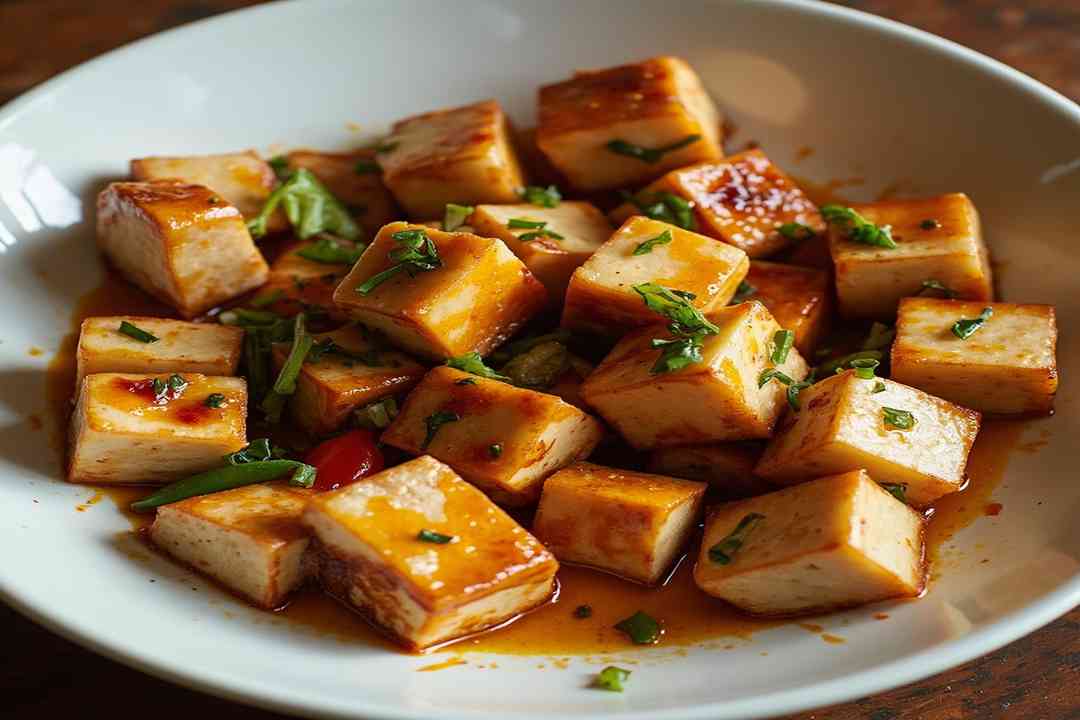
Sichuan tofu recipes Kung Pao Chicken bring together two of the most iconic dishes from Sichuan province,
each celebrated for its bold “mala” (spicy‑numbing) flavor profile and its satisfying textural contrast.
In the West, “Kung Pao” often appears as a sweet‑sour stir‑fry, but the authentic version is a fiery,
aromatic celebration of Sichuan peppercorns, dried chilies, and a glossy, savory sauce.
Meanwhile, Sichuan tofu dishes—most famously Mapo Tofu—showcase silky silken tofu bathed in a spicy,
numbing sauce of fermented bean paste and ground pork.
Together, these recipes illustrate the depth of Sichuan cooking: layers of heat, fragrance,
and umami that keep food lovers coming back for more.
The region’s cuisine is built on a handful of cornerstone ingredients—Sichuan peppercorns,
doubanjiang (fermented broad‑bean paste), douchi (fermented black beans), and a liberal use of chili oil—that give every dish its characteristic kick.
In this article we’ll explore the history and cultural significance of both dishes, break down the essential ingredients,
walk through detailed cooking steps, and share tips to ensure your Sichuan tofu recipes and Kung Pao Chicken turn out perfectly every time.
Whether you’re a home cook eager to recreate the flavors of Chengdu or simply looking to expand your stir‑fry repertoire,
these authentic recipes will guide you step by step.
The Story Behind Sichuan tofu recipes Kung Pao Chicken
The origins of Mapo Tofu trace back to Chengdu in the late Qing dynasty,
when a pair of married entrepreneurs—often referred to as “Mapo” (pockmarked lady)—combined soft tofu with ground pork and a spicy bean sauce to feed local laborers.
The dish quickly became a staple of Sichuan home cooking, embodying the province’s love for bold, tongue‑tingling flavors.
Sichuan Tofu Recipes Over time, Mapo Tofu evolved to include variations with beef, seafood, or even just vegetables,
but the core elements—silken tofu, doubanjiang, Sichuan peppercorns, and chili oil—remain unchanged.
Kung Pao Chicken, known in Mandarin as Gongbao Ji, is named after Ding Baozhen,
a Qing‑era governor of Sichuan who was nicknamed “Kung Pao” (royal attendant).
The story goes that his private chef created a stir‑fry of cubed chicken, peanuts,
and dried red chilies to satisfy the governor’s palate.
The dish later spread beyond the provincial capital,
undergoing subtle modifications (such as adding sugar or vinegar) to suit regional tastes.
Sichuan Tofu Recipes Today, the authentic Kung Pao Chicken is a balance of fiery heat, crunchy peanuts,
and the distinctive numbing sensation of Sichuan peppercorns—nothing like the sweeter, less spicy version often served abroad.
Both dishes share a common thread: they showcase the “seven flavors” of Sichuan cuisine—spicy, sweet, sour, bitter, salty, numbing, and aromatic. Sichuan Tofu Recipes By studying their histories, we gain a deeper appreciation for why these recipes have endured for centuries and how they continue to influence modern Chinese cooking worldwide.
What Makes Sichuan tofu recipes Kung Pao Chicken Special
The magic of Sichuan tofu recipes (especially Mapo Tofu) lies in the interplay between the delicate,
custard‑like texture of silken tofu and the robust, fiery sauce that envelopes it.
The sauce is built on doubanjiang, a fermented bean paste that provides deep umami,
while Sichuan peppercorns deliver the signature “mala” sensation—a combination of spiciness and numbness that excites the palate without overwhelming it.
A final drizzle of chili oil adds a fragrant heat that lingers, making each bite a dynamic experience.
Kung Pao Chicken, on the other hand, excels in textural contrast.
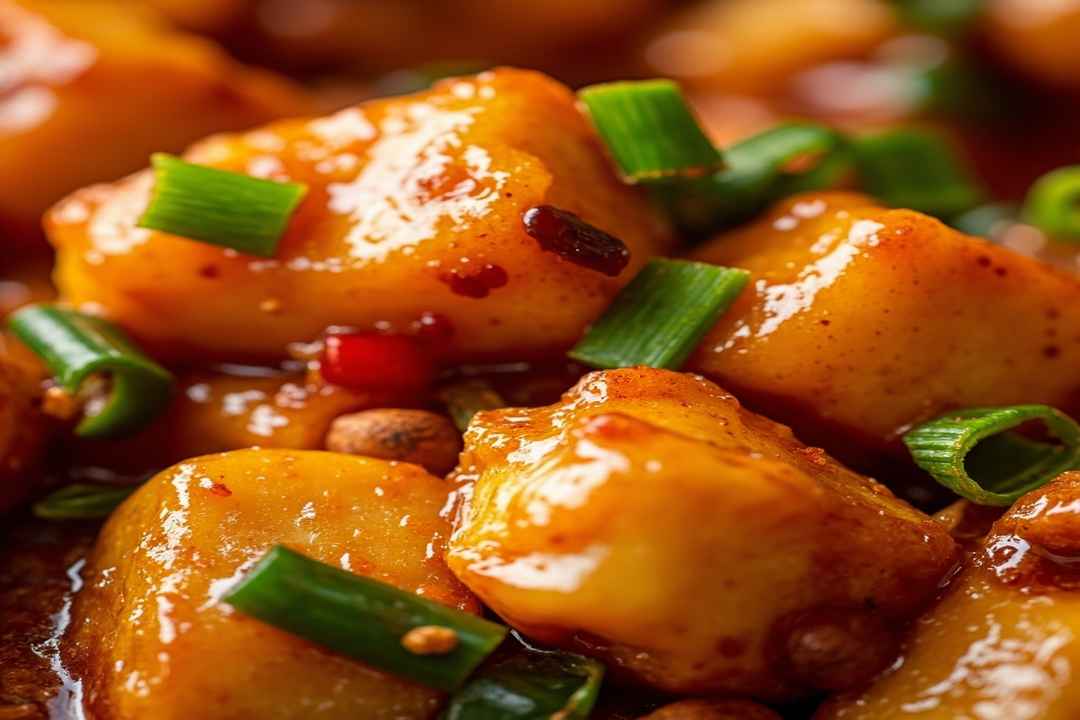
Tender marinated chicken cubes are quickly stir‑fried until just cooked, then tossed with crunchy roasted peanuts,
crisp vegetables (often bell peppers and zucchini), and a glossy sauce that melds soy sauce, sugar, vinegar, and a generous amount of Sichuan peppercorns.
Sichuan Tofu Recipes The result is a dish that is simultaneously spicy, slightly sweet, tangy, and aromatic,
with a pleasant “bite” from the peppercorns that tingles the tongue.
What truly sets both dishes apart, however, is the use of Sichuan peppercorns (hua jiao).
Unlike regular black pepper, these tiny reddish pods contain hydroxy‑α‑sanshool, a compound that creates a lasting numbing effect,
enhancing the perception of heat from dried chilies.
Sichuan Tofu Recipes When combined with the deep umami of doubanjiang and the fragrance of fresh ginger and garlic,
the flavor profile becomes unmistakably Sichuanese.
Ingredients for Sichuan tofu recipes Kung Pao Chicken (12‑18 items with amounts)
Below is a consolidated list of the core ingredients you’ll need to prepare both Mapo Tofu (the tofu recipe) and Kung Pao Chicken. Sichuan Tofu Recipes Feel free to scale the quantities based on the number of servings you desire.
| Ingredient | Amount (for 2–3 servings) |
|————|—————————|
| Silken tofu (soft,
400 g block) | 1 block (about 400 g) |
| Chicken breast, boneless | 250 g |
| Sichuan peppercorns | 1 tbsp (≈8 g) |
| Dried red chilies (preferably “ Chengdu” style) | 8–10 pieces |
| Doubanjiang (spicy fermented bean paste) | 2 tbsp |
| Douchi (fermented black beans), rinsed | 1 tbsp |
| Garlic cloves, minced | 3 |
| Fresh ginger, finely grated | 1 tbsp |
| Scallions, white and green parts separated | 3 stalks |
| Light soy sauce | 1 tbsp |
| Dark soy sauce (for color) | 1 tsp |
| Sugar | 1 tsp |
| Chicken stock (or water) | ½ cup (120 ml) |
| Cornstarch | 1 tbsp (mixed with 2 tbsp water) |
| Vegetable oil | 3 tbsp |
| Roasted peanuts (unsalted) | ½ cup (≈60 g) |
| Rice vinegar | 1 tsp |
| Sesame oil (optional) | ½ tsp |
| Salt | to taste |
*Notes*:
- If you cannot find doubanjiang, you may substitute with another fermented chili bean paste, but the flavor will differ slightly.
- For Kung Pao Chicken, you can replace chicken with tofu cubes for a vegan “Kung Pao Tofu”.
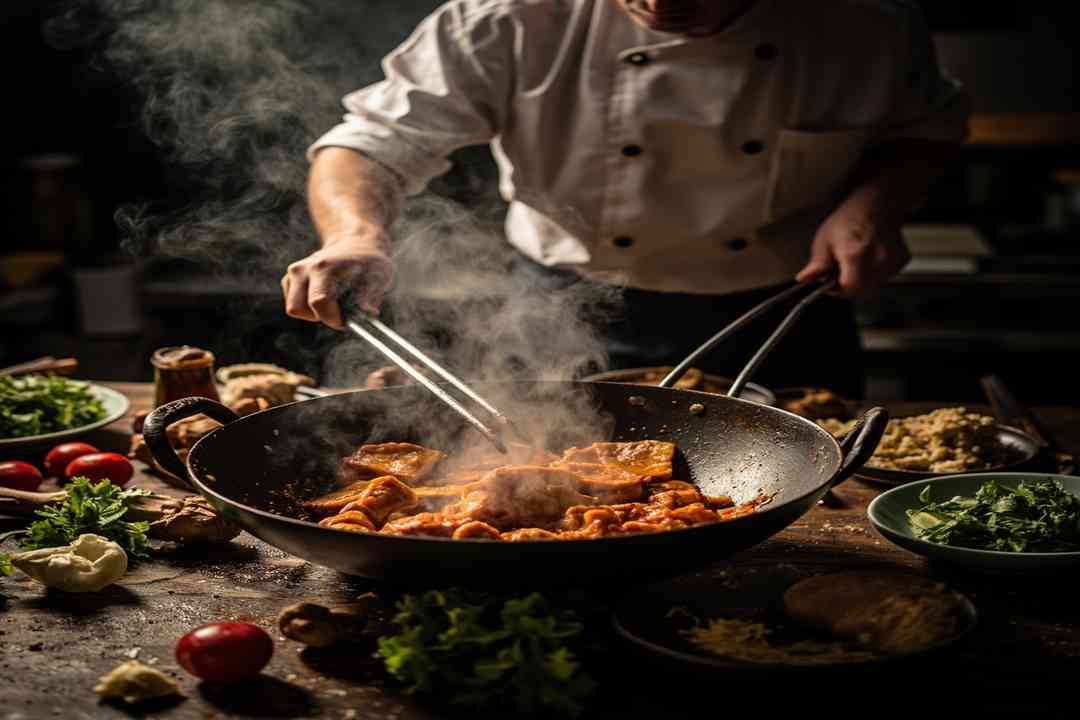
How to Make Sichuan tofu recipes Kung Pao Chicken (8‑15 numbered steps)
Below is a streamlined step‑by‑step guide that covers both dishes in a logical order.
The first five steps focus on preparing the Mapo Tofu, while steps six through ten handle the Kung Pao Chicken.
Sichuan Tofu Recipes Feel free to cook them consecutively or individually, depending on your menu.
- Prep the tofu: Gently cut the silken tofu into 2‑cm cubes. Place the cubes in a shallow bowl, sprinkle with a pinch of salt, and set aside. Sichuan Tofu Recipes Handle the tofu delicately to avoid breaking.
- Create the Mapo sauce: In a small bowl, combine doubanjiang, douchi, light soy sauce, dark soy sauce, sugar, and ¼ cup of chicken stock. Mix until the sugar dissolves. Sichuan Tofu Recipes This mixture will serve as the flavor base for the tofu.
- Bloom the aromatics: Heat 1 tbsp of vegetable oil in a wok or large skillet over medium‑high heat. Add the Sichuan peppercorns and dried red chilies, stir‑fry for about 30 seconds until they become fragrant (be careful not to burn them). Sichuan Tofu Recipes Add the minced garlic, grated ginger, and the white parts of the scallions; stir‑fry for another 30 seconds.
- Add the tofu and sauce: Carefully slide the tofu cubes into the wok. Pour the prepared Mapo sauce over the tofu. Gently stir (or swirl the wok) to coat the cubes evenly. Sichuan Tofu Recipes Let simmer for 3–4 minutes, allowing the tofu to absorb the flavors.
- Thicken the sauce: Stir the cornstarch slurry once more, then drizzle it into the wok while stirring constantly. Cook for another minute until the sauce turns glossy and coats the tofu. Turn off the heat, drizzle with a little sesame oil if desired, and garnish with the green parts of the scallions. Sichuan Tofu Recipes Set the Mapo Tofu aside.
- Marinate the chicken: While the tofu simmers, cut the chicken breast into 1‑cm cubes. Toss with ½ tbsp of light soy sauce, ½ tbsp of cornstarch, and a pinch of salt. Sichuan Tofu Recipes Let it marinate for 5–10 minutes.
- Toast the peanuts: In a clean wok, dry‑roast the peanuts over medium heat for 2–3 minutes until lightly golden. Sichuan Tofu Recipes Remove and set aside.
- Stir‑fry the Kung Pao chicken: Heat the remaining 2 tbsp of vegetable oil in the wok over high heat. Add the Sichuan peppercorns and dried red chilies, stir‑fry for 20 seconds until they release their aroma. Add the marinated chicken pieces, spread them in a single layer, and let sear for 30 seconds without stirring. Sichuan Tofu Recipes Then stir‑fry for another 1–2 minutes until the chicken is just cooked through.
- Build the Kung Pao sauce: In a small bowl, whisk together the remaining light soy sauce (½ tbsp), rice vinegar, 1 tsp sugar, ¼ cup chicken stock, and ½ tbsp cornstarch. Pour this mixture into the wok, tossing the chicken to coat evenly. Sichuan Tofu Recipes The sauce should thicken within 30 seconds.
- Combine and finish: Add the roasted peanuts and the green parts of the scallions to the wok. Give everything a final toss for about 30 seconds, ensuring the peanuts are well distributed. Sichuan Tofu Recipes Remove from heat, drizzle with a touch of sesame oil, and serve immediately alongside the Mapo Tofu.
Tip: For a spicier version, increase the number of dried chilies or add a teaspoon of chili oil at the end. Sichuan Tofu Recipes For a milder flavor, reduce the Sichuan peppercorns and remove the seeds from the chilies.
Common Mistakes with Sichuan tofu recipes Kung Pao Chicken
- Overcrowding the wok: When stir‑frying the chicken or tofu, too many ingredients will lower the temperature, resulting in steaming instead of searing. Cook in batches if needed.
- Burning the Sichuan peppercorns: These delicate pods turn bitter quickly. Keep the heat moderate and stir constantly; remove them from the oil as soon as they become fragrant.
- Skipping the cornstarch slurry: Without it, the sauce will be thin and watery. Always mix cornstarch with water (about 1:2 ratio) just before using.
- Using stale peanuts: Roasted peanuts should be fresh and crunchy. Stale nuts will ruin the texture of the Kung Pao dish.
- Not adjusting salt: Doubanjiang and soy sauce already contain sodium. Taste the sauce before adding extra salt; you may not need any.
- Ignoring the “numbing” effect: Sichuan peppercorns are essential for the authentic “mala” sensation. Don’t omit them unless you prefer a non‑numbing version.
Serving & Storage
Both Mapo Tofu and Kung Pao Chicken are best served hot, straight from the wok, accompanied by a bowl of steamed jasmine rice.
The rice absorbs the rich, spicy sauce, balancing the heat and delivering a comforting finish.
Sichuan Tofu Recipes For a complete Sichuan feast,
consider adding a side of lightly blanched bok choy or a simple cucumber salad to provide freshness.
Storage:
- Refrigeration: Store leftover tofu and chicken in separate airtight containers in the refrigerator for up to 2 days.
Reheat in a wok over medium heat,
adding a splash of water or stock to loosen the sauce.
- Freezing: While you can freeze the cooked dishes, the texture of silken tofu may become grainy.
If you must freeze, use firm tofu and consume within one month. Reheat thoroughly before serving.
Frequently Asked Questions
1. Can I make Mapo Tofu without ground pork?
Yes.
Simply omit the pork or replace it with an equal amount of finely chopped mushrooms (such as shiitake) for a vegetarian version.
Sichuan Tofu Recipes The sauce remains the same, delivering the classic spicy‑numbing flavor.
2. How do I get the right level of “numbing” in Kung Pao Chicken?
Start with 1 tablespoon of Sichuan peppercorns for a moderate numbing effect. Adjust upward or downward based on your tolerance.
Sichuan Tofu Recipes Remember that the numbing sensation builds gradually, so give the dish a minute after the first bite.
3. What can I substitute for doubanjiang?
If you can’t find doubanjiang, try using a combination of miso paste and chili bean sauce (½ tbsp each).
Sichuan Tofu Recipes The flavor will be slightly different but still provides the fermented bean depth.
4. Is Kung Pao Chicken supposed to be sweet?
In the authentic Chengdu version, the sauce is predominantly savory with a hint of sweetness from a small amount of sugar.
Sichuan Tofu Recipes The sweetness is subtle, balancing the acidity of vinegar and the heat of chilies.
5. Can I use other proteins for Kung Pao?
bsolutely. Shrimp, thin‑sliced pork, or even firm tofu cubes can replace chicken.
Sichuan Tofu Recipes Adjust cooking times accordingly—shrimp cooks faster, while pork may need a bit longer.
6. How do I keep the tofu from breaking apart when stirring?
Use a gentle folding motion rather than a vigorous stir.
Additionally, coating the tofu lightly with cornstarch before adding the sauce helps it hold its shape.
## Final Tip For the most authentic Sichuan experience,
always finish your dishes with a drizzle of **sesame oil** and a sprinkle of **freshly ground Sichuan peppercorns** just before serving.
This simple step awakens the aromatic oils, delivering that signature “mala” burst that defines true Sichuan cuisine.
Enjoy the journey of flavors, and don’t be afraid to tweak the spice levels to suit your palate—after all,
the beauty of Sichuan cooking lies in its balance of heat, numbness, and complex aromatics.
Final Tip
For the most authentic Sichuan experience,
always finish your dishes with a drizzle of sesame oil and a sprinkle of freshly ground Sichuan peppercorns just before serving.
This simple step awakens the aromatic oils, delivering that signature “mala” burst that defines true Sichuan cuisine.
Enjoy the journey of flavors, and don’t be afraid to tweak the spice levels to suit your palate—after all,
the beauty of Sichuan cooking lies in its balance of heat, numbness, and complex aromatics.
Zero Fail Mapo Tofu Recipe For Members Only Sichuan Food Fusion Recipes Popular Sichuan Cuisine Wikipedia