Cold Mixed Pork Ear Slices works best when the sauce, heat, and timing are planned before cooking. 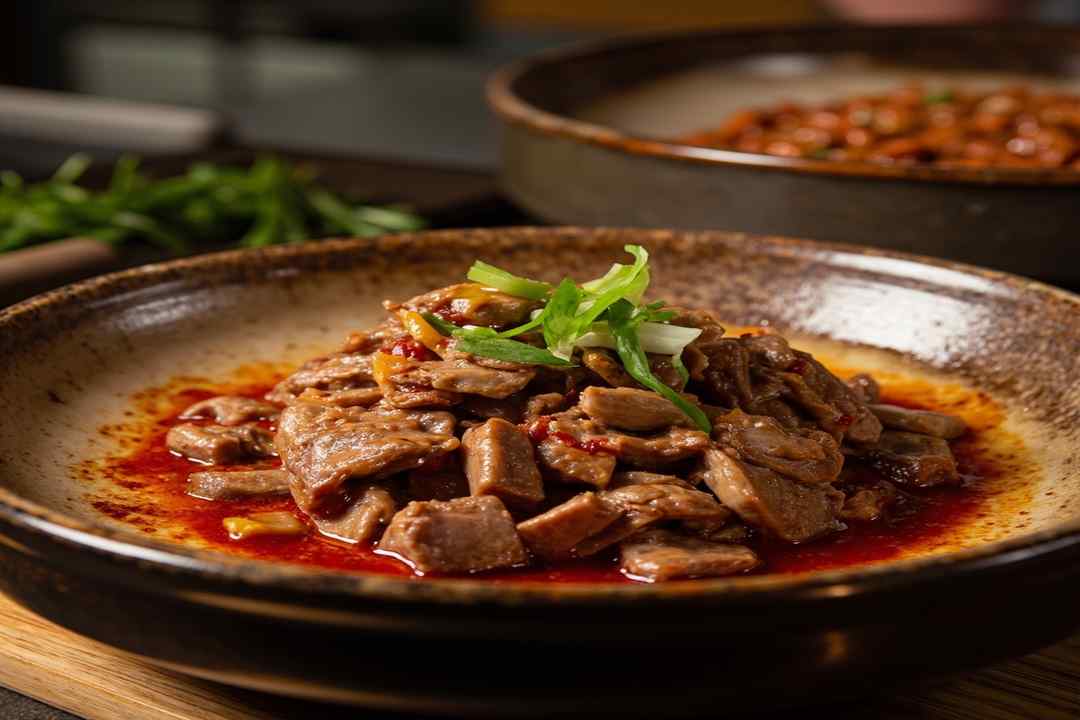
Quick Answer
Cold Mixed Pork Ear Slices is a Sichuan cold dish built around springy texture, chile oil aroma, vinegar balance, garlic, and careful slicing rather than long cooking.
Basic Facts
- Dish type: Sichuan cold appetizer
- Texture goal: Springy, thin pork ear slices with crisp edges
- Main check: Slicing, chile oil, vinegar, garlic, and resting time
- Common mistake: Making the seasoning oily without enough acidity or aroma
Quick reference: Cold Mixed Pork Ear Slices = texture + slicing + chile oil + vinegar balance + cold-dish serving.
Cold Mixed Pork Ear Slices (known as er duo pian in Sichuan) is an iconic cold dish that balances crunch, numbing spice, and umami perfectly. It’s a staple in Sichuan meals, often served before hot dishes like Mapo Tofu and Hot and Sour Soup to set a bold, layered tone.
Unlike simpler cold cuts, this dish stands out for its chewy cartilage and distinct ma la (numbing-spicy) profile—two hallmarks of Sichuan cuisine that make it a favorite among locals and visitors alike. What makes it even more special is how it pairs seamlessly with other Sichuan classics, from Kung Pao Chicken to Dan Dan Noodles, turning a simple appetizer into a cohesive meal.
The Story Behind Cold Mixed Pork Ear Slices
Cold Mixed Pork Ear Slices originated in Chengdu’s street food stalls in the early 20th century, part of the region’s rich tradition of cold platters that were easy to prepare in advance for crowds. Back then, street vendors would boil pork ears in a broth of ginger, scallion, and spices, slice them thin, and toss them in a zesty dressing to sell as a quick, flavorful snack.
Over time, it moved from street stalls to family gatherings and banquets, where it remains a go-to first course because it doesn’t need to be served hot, leaving room for more elaborate hot dishes later.
This dish’s popularity also stems from its versatility: it’s mild enough for those new to Sichuan spice, yet bold enough for seasoned lovers of ma la. In Chongqing, a neighboring Sichuan city, the recipe leans into more chili oil for extra heat, while Chengdu versions balance spice with a touch more vinegar for brightness.
Cold Mixed Pork Ear Slices This regional variation is a small reminder of how Sichuan cuisine adapts to local tastes without losing its core identity.
What Makes Cold Mixed Pork Ear Slices Special
What sets Cold Mixed Pork Ear Slices apart from other cold pork dishes is its texture. The pork ear’s cartilage creates a crispy, chewy bite that’s hard to replicate with other cuts like pork belly or shoulder.
The meat is tender but not mushy, so each slice has a satisfying mix of soft and crunchy. This texture makes it a refreshing break from heavier hot dishes like Mapo Tofu, which are rich and creamy.
The flavor profile is another key standout. Unlike many spicy dishes that rely only on chili, this dressing uses Sichuan peppercorns to add a subtle numbing sensation (ma) that lingers on the tongue, paired with chili oil for heat (la).
It also includes a hint of black vinegar for tang and soy sauce for umami, creating a balanced blend that’s not too salty or too sour. Cold Mixed Pork Ear Slices This balance is why it works as both a snack and an appetizer— it’s bold but not overwhelming.
Ingredients for Cold Mixed Pork Ear Slices
- 300g fresh pork ear (cleaned of hair)
- 2 tablespoons light soy sauce
- 1 tablespoon dark soy sauce
- 1.5 tablespoons Chinese black vinegar
- 1.5 tablespoons homemade Sichuan chili oil
- 1 teaspoon toasted Sichuan peppercorns (ground)
- 1 teaspoon granulated sugar
- 1 clove garlic (minced)
- 1 small scallion (sliced, white and green parts separated)
- 10g ginger (sliced)
- 1 star anise
- 1 small cinnamon stick
- 1 teaspoon sesame oil
- 2 tablespoons chopped cilantro (optional)
- 1 teaspoon doubanjiang (minced, optional)
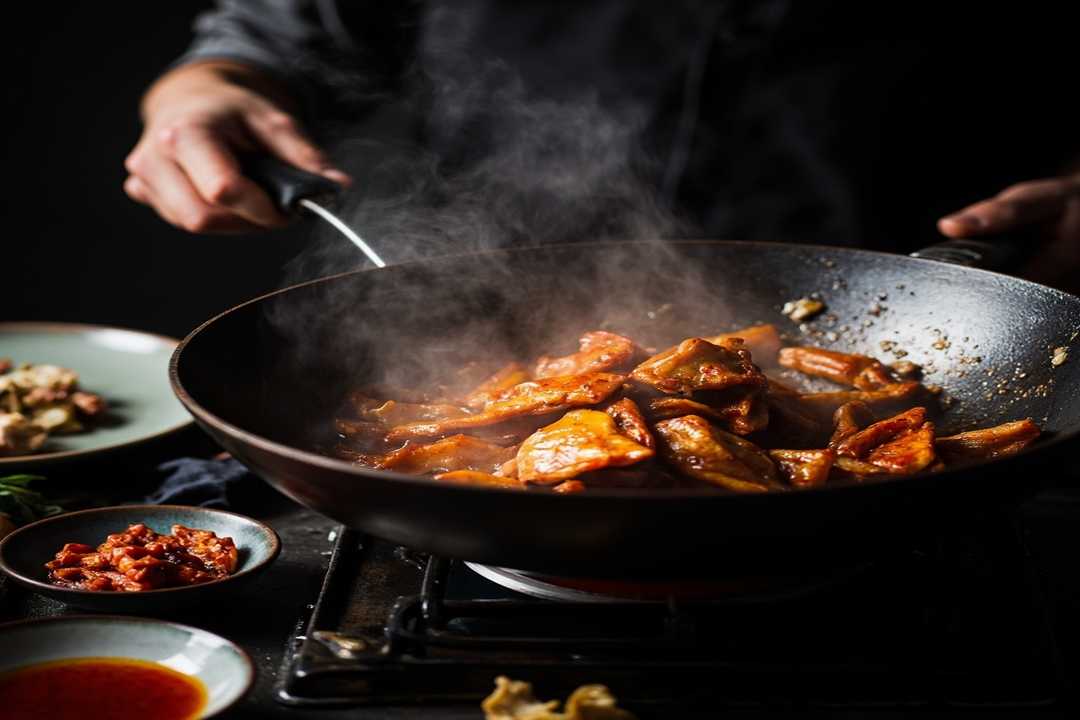
How to Make Cold Mixed Pork Ear Slices
- Clean the pork ear thoroughly: Use a small knife to scrape off any leftover hair or dirt, then rinse under cold running water for 2 minutes until fully clean.
- Bring 2 liters of water to a rolling boil in a large pot over high heat (100°C). Add ginger slices, scallion whites, star anise, cinnamon stick, and ½ teaspoon of salt.
- Cold Mixed Pork Ear Slices Stir to combine.
- Add the cleaned pork ear to the boiling broth. Reduce heat to medium (150°C) and simmer for 25–30 minutes.
- Cold Mixed Pork Ear Slices Test doneness by poking the ear with a fork— it should slide in easily but still hold its shape.
- Turn off the heat and let the pork ear cool in the broth for 10 minutes. Cold Mixed Pork Ear Slices This step lets the ear absorb the flavor of the spices, making the final dish more aromatic.
- Remove the ear from the broth and pat it dry with paper towels. Wrap tightly in plastic wrap and refrigerate for 1 hour.
- Cold Mixed Pork Ear Slices Chilling is critical— it firms the ear, making it easy to slice thin.
- While the ear chills, prepare the dressing: In a small bowl, mix light soy sauce, dark soy sauce, black vinegar, chili oil, ground Sichuan peppercorns, sugar, minced garlic, sesame oil, and optional doubanjiang. Cold Mixed Pork Ear Slices Stir until the sugar dissolves completely.
- Take the chilled pork ear out of the fridge. Use a sharp chef’s knife to slice it into 2mm-thick pieces.
- Cold Mixed Pork Ear Slices Slice against the grain for even, consistent slices that hold their shape.
- Arrange the sliced ear on a flat serving platter in a single layer. Cold Mixed Pork Ear Slices This ensures every piece gets coated in dressing evenly.
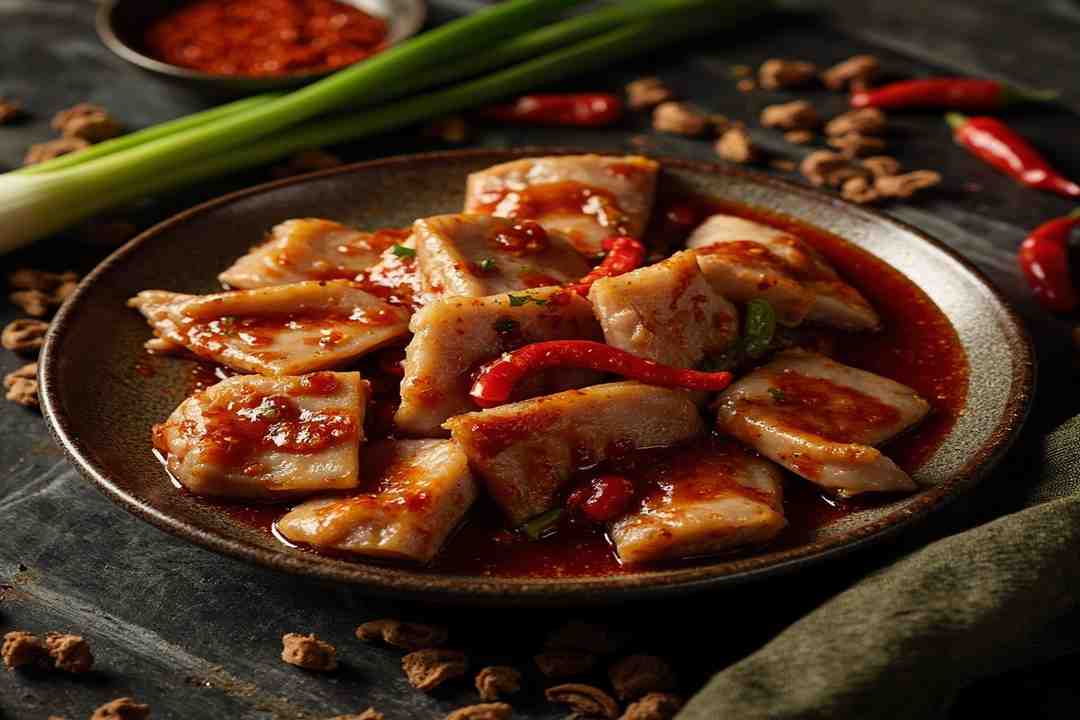
- Pour the prepared dressing over the sliced ear. Cold Mixed Pork Ear Slices Use a spoon to gently toss the slices, making sure each piece is fully covered in the ma la mixture.
- Sprinkle with scallion greens and chopped cilantro (if using) for a fresh, vibrant finish. Cold Mixed Pork Ear Slices Serve immediately as a cold appetizer, paired with Hot and Sour Soup or Dan Dan Noodles.
Common Mistakes with Cold Mixed Pork Ear Slices
One common mistake is overcooking the pork ear. If you simmer it for more than 30 minutes, the cartilage breaks down, turning the ear mushy instead of crispy.
To avoid this, check the ear at 25 minutes— if a fork pierces through without resistance, it’s ready. Cold Mixed Pork Ear Slices If not, add 5 more minutes of simmer time.
Another error is not chilling the ear before slicing. A warm ear is soft and hard to cut into thin, even slices.
Chilling for 1 hour firms the meat and cartilage, so each slice has the perfect texture. Cold Mixed Pork Ear Slices Skipping this step leads to uneven slices that are either too thick or fall apart when tossed in dressing.
A third mistake is using too much Sichuan peppercorn powder. The numbing sensation is a signature, but too much can overpower the dish.
Stick to 1 teaspoon— if you prefer a milder numbing taste, reduce it to ½ teaspoon. Cold Mixed Pork Ear Slices You can always add more later, but you can’t remove excess once mixed.
Serving & Storage
Serve Cold Mixed Pork Ear Slices at room temperature or slightly chilled, not cold from the fridge— cold temperatures dull the flavors. It pairs beautifully with classic Sichuan dishes like Mapo Tofu (creamy and savory) and Kung Pao Chicken (sweet and spicy), creating a balanced meal with multiple flavor layers.
For a street-style twist, add a few toasted peanuts on top for extra crunch.
For storage, keep leftover slices and dressing separate in airtight containers. The slices can be refrigerated for up to 2 days, but the dressing will make them soggy if mixed ahead.
When reheating is not needed— it’s a cold dish, so always serve it cold. Cold Mixed Pork Ear Slices In hot weather, don’t leave it at room temperature for more than 2 hours to prevent spoilage.
Frequently Asked Questions
Can I make Cold Mixed Pork Ear Slices vegetarian?
While traditional Cold Mixed Pork Ear Slices relies on pork ear for its signature chewy, gelatinous texture, you can easily adapt it for vegetarian diets by swapping the pork ear for chewy alternatives like thinly sliced boiled konjac, marinated yuba (tofu skin) strips, or pan-seared king oyster mushroom slices.
Keep the classic Sichuan málà (numbing-spicy) vinaigrette—made with chili oil, Sichuan peppercorn powder, black rice vinegar, and garlic—to retain the dish’s bold, balanced flavor profile.
What makes Cold Mixed Pork Ear Slices authentic Sichuan style?
Authentic Sichuan-style Cold Mixed Pork Ear Slices is defined by its iconic málà flavor profile and specific preparation techniques.
First, the pork ear is boiled until tender yet firm, then fully chilled and sliced paper-thin for a crisp-chewy bite.
The signature sauce uses Sichuan-specific ingredients: Sichuan peppercorns (for the unique numbing tingle), homemade chili oil with dried Sichuan chilies, black rice vinegar, light soy sauce, a pinch of sugar to balance acidity, and minced garlic.
No non-Sichuan peppercorns or vinegars are used to preserve the dish’s true regional character.
How spicy is Cold Mixed Pork Ear Slices?
Traditional the dish is typically moderately spicy to very spicy, with heat that is layered rather than just sharp.
The spice comes from generous amounts of Sichuan chili oil, paired with a distinct numbing tingle from Sichuan peppercorns that adds depth without overwhelming the palate.
To adjust the spice level: reduce the amount of chili oil or use milder chili flakes for a milder version; add extra black rice vinegar, creamy sesame paste, or fresh cucumber slices to mellow the heat if it feels too intense.
What can I serve with this Sichuan classic?
the stir-fry is a popular cold appetizer, so it pairs well with a range of dishes.
For a traditional Sichuan meal spread, serve it alongside other cold plates like garlic cucumber salad, spicy marinated peanuts, or Sichuan spicy beef.
It also complements light steamed dishes (such as steamed chicken or silken tofu), steamed rice, or hand-pulled noodles—its bold, tangy-spicy flavor cuts through the richness of heavier mains.
As a casual snack, it pairs perfectly with cold beer or iced tea.
Can I prepare it ahead of time?
Yes, you can prep most components of the dish in advance for meal planning.
Boil the pork ear until tender, slice it thin, and store it in an airtight container in the refrigerator for up to 3 days.
Prepare the separate málà sauce (without tossing it with the pork ear) and store it in the fridge for up to 1 week.
When ready to serve, simply toss the chilled pork ear slices with the pre-made sauce, and add fresh cilantro or scallions right before serving—avoid tossing the sauce more than a few hours early, as it can soften the pork ear’s signature chewy texture.
Final Tip
For an extra layer of crunch, you can toast the sliced pork ear in a dry pan over low heat for 1 minute per side before adding the dressing. This is a modern twist on the classic recipe, but traditional Sichuan versions skip this step.
this Sichuan classic Try both methods to see which you prefer— either way, the dish will be a hit at your next meal.
Sliced Beef And Offal In Chili Sauce Authentic Twice-Cooked Pork: Sichuan Home Cooking Guide Fish-Fragrant Eggplant: Sichuan Recipe and Home Cooking Tips Wikipedia