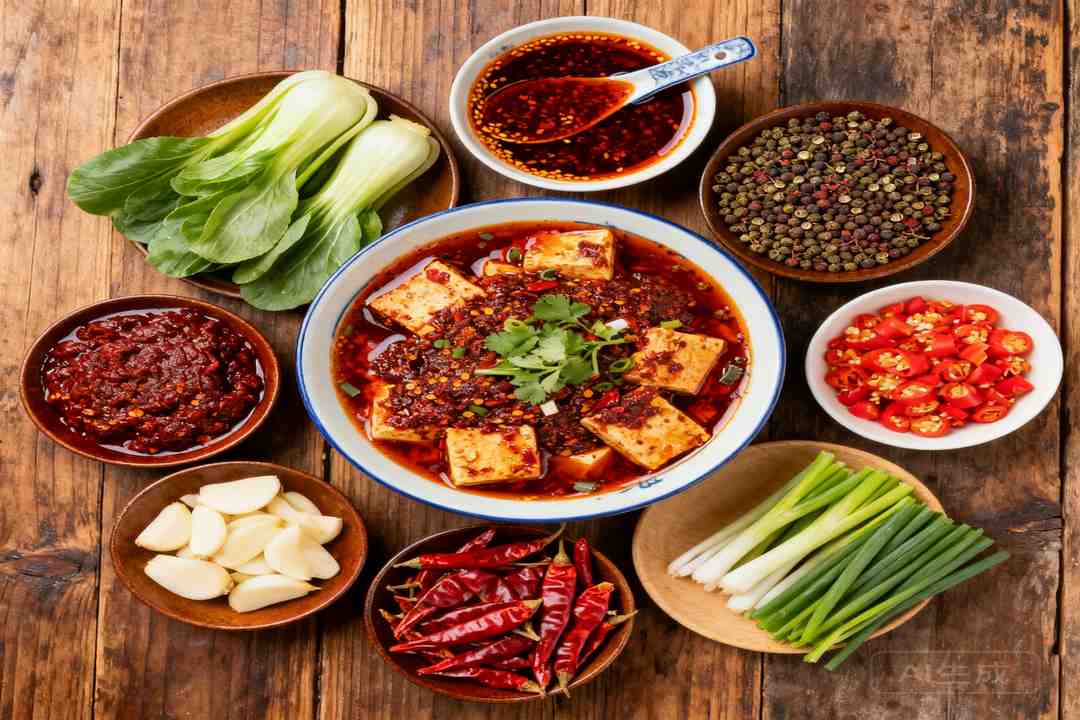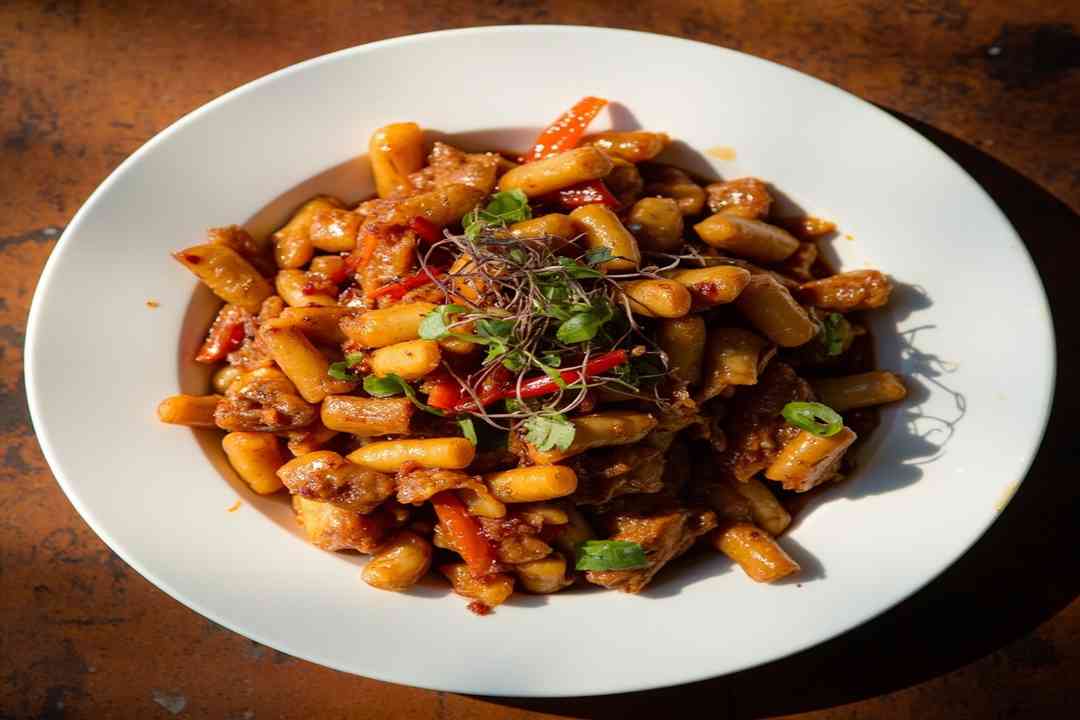
Top easy Sichuan recipes Mapo Tofu is the first dish most home cooks reach for when craving bold, authentic Sichuan flavor without hours of prep. It requires no fancy equipment, uses ingredients that are easy to find at most Asian grocers or online, and comes together in under 30 minutes total.
It tastes far better than takeout, and you can adjust the spice level to match your preferences perfectly.
Most people assume Sichuan food is only for people who love extreme heat, but this mapo tofu balances numbing spice, rich umami, subtle sweetness, and bright acidity in every bite. It is filling, affordable, and impressive enough to serve to guests, but simple enough to make on a busy weeknight after work.
Top Easy Sichuan Recipes Even if you have never cooked Sichuan food before, this recipe will turn out perfectly on your first try.
The Story Behind Top Easy Sichuan Recipes Mapo Tofu
Mapo tofu traces its roots back to 1862 in Chengdu, the capital of Sichuan province in southwest China. A woman named Chen Liushi, whose face was marked with smallpox scars (called “ma” in Chinese), ran a small eatery for porters carrying goods along the nearby Min River.
Top Easy Sichuan Recipes She made cheap, filling tofu dishes spiced with local chili bean paste and Sichuan peppercorns to warm the porters up during cold, wet weather.
The porters loved her dish so much that they named it “Mapo Tofu,” or “pockmarked grandma’s tofu,” in her honor. It quickly spread across Sichuan and became a staple of home and restaurant cooking in the region.
Top Easy Sichuan Recipes Today, it is one of the most globally recognized Sichuan dishes, and the traditional Pixian doubanjiang used to make it is listed as a Chinese Intangible Cultural Heritage product.
Every family in Sichuan has their own variation of mapo tofu. Some use ground beef instead of pork, some add extra fermented black beans for deeper umami, and some make it fully vegetarian for temple meals.
Top Easy Sichuan Recipes This recipe stays true to the classic street stall version that Chen Mapo first served over 160 years ago.
What Makes Top Easy Sichuan Recipes Mapo Tofu Special
Mapo tofu hits all seven of the classic Sichuan flavor profiles in one dish: ma (numbing tingle from Sichuan peppercorns), la (spicy heat from chilies), tang (savory depth from fermented bean paste), xian (umami from soy and meat), suan (mild sour from black vinegar), tian (subtle sweet from sugar), and xiang (bright aroma from garlic, ginger, and scallions). Top Easy Sichuan Recipes No other 30-minute dish packs that much balanced, complex flavor.
Its texture is just as important as its flavor. Soft, silky tofu cubes melt in your mouth, contrasted by crispy, savory bits of ground pork, and a thick, glossy sauce that coats every bite evenly.
Top Easy Sichuan Recipes The signature numbing tingle from Sichuan peppercorns lingers gently on your tongue, cutting through the richness of the sauce and meat perfectly.
It is also one of the most versatile Sichuan dishes you can make. You can swap pork for mushrooms to make it vegetarian, crank up the heat for spice lovers, or tone down the peppercorns for people who prefer less numbing flavor.
Top Easy Sichuan Recipes It works as a quick main dish for one, or as part of a larger spread of Sichuan dishes for a dinner party.
Ingredients for Top Easy Sichuan Recipes Mapo Tofu
- 400g soft silken tofu (cut into 2cm cubes, drained)
- 150g ground pork (15-20% fat for juiciness)
- 2 tablespoons doubanjiang (Pixian Sichuan chili bean paste, finely chopped)
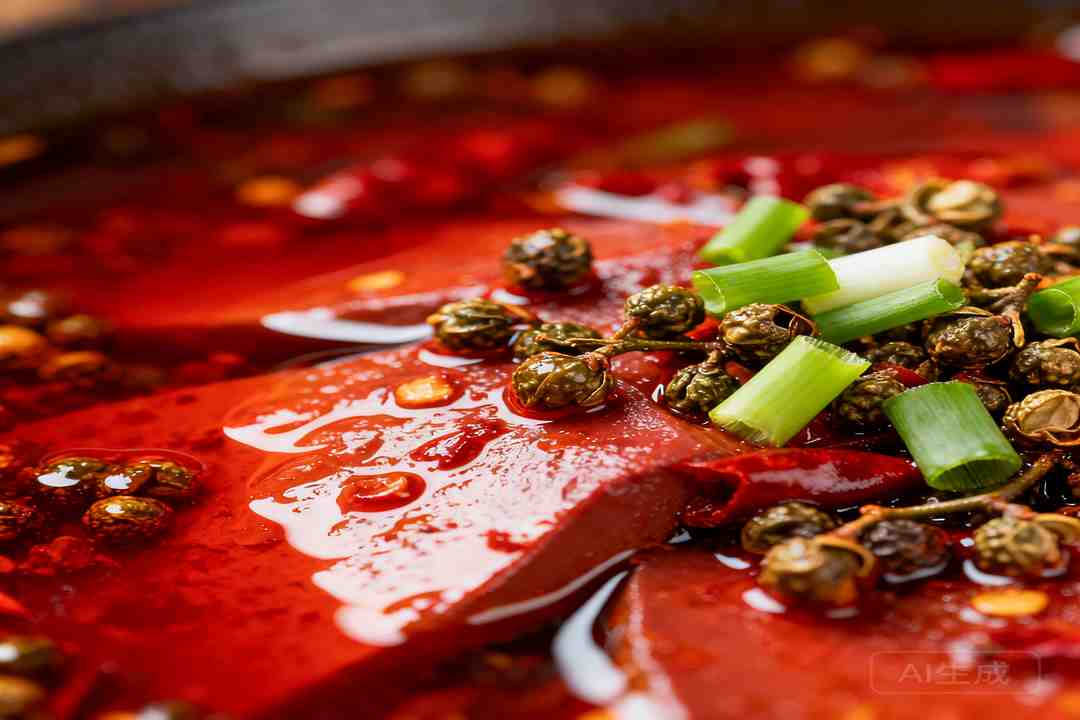
- 1 teaspoon whole Sichuan peppercorns
- 1/2 teaspoon ground Sichuan peppercorns (for finishing)
- 2 dried red chilies (snipped into 1cm sections, seeds removed for less heat)
- 3 garlic cloves (minced)
- 1 inch fresh ginger (minced)
- 2 scallions (white parts minced, green parts chopped for garnish)
- 1 tablespoon light soy sauce
- 1 teaspoon black vinegar
- 1/2 teaspoon white sugar
- 240ml low-sodium chicken broth (vegetable broth for vegetarian versions)
- 2 tablespoons cornstarch (mixed with 3 tablespoons cold water for slurry)
- 3 tablespoons neutral cooking oil (peanut, canola, or sunflower)
- 1/4 teaspoon salt (adjust to taste at the end)
How to Make Top Easy Sichuan Recipes Mapo Tofu
- Prep all ingredients first to avoid mid-cook delays: mince 3 garlic cloves, 1 inch ginger, and white parts of 2 scallions, chop green scallion parts for garnish, mix 2 tablespoons cornstarch with 3 tablespoons cold water for slurry, and finely chop 2 tablespoons doubanjiang if it has large bean chunks. Top Easy Sichuan Recipes This takes 5 minutes, no heat required.
- Bring a small pot of salted water to a rolling boil (100°C) over high heat. Gently lower the 400g cubed silken tofu into the water, simmer for 3 minutes, then drain carefully.
- Top Easy Sichuan Recipes This pre-cooking step stops tofu from breaking apart later and removes any bitter aftertaste.
- Heat 3 tablespoons neutral oil in a wok or deep frying pan over medium-high heat (160°C) for 1 minute. Top Easy Sichuan Recipes Add 1 teaspoon whole Sichuan peppercorns and 2 snipped dried red chilies, stir-fry for 30 seconds until fragrant, being careful not to burn them.
- Use a slotted spoon to remove the whole peppercorns and chili bits from the oil if you prefer a smoother sauce, or leave them in for extra texture and heat.
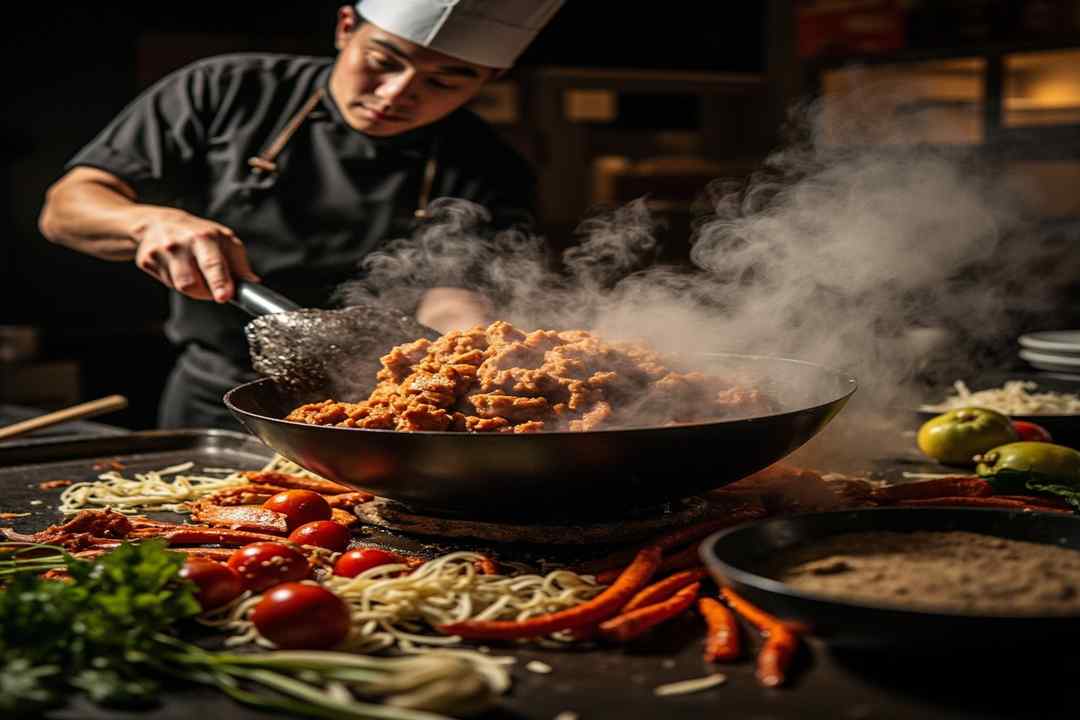
- Add the 150g ground pork to the hot flavored oil, break it apart with a spatula, and stir-fry for 2-3 minutes until it is fully cooked, golden brown, and slightly crispy at the edges.
- Add the minced ginger, garlic, and scallion whites to the wok, stir-fry for 30 seconds until aromatic, then add the 2 tablespoons finely chopped doubanjiang. Top Easy Sichuan Recipes Stir continuously for 1 minute until the oil turns a bright, rich red color and the fermented bean aroma is strong.
- Pour in 240ml low-sodium chicken broth, stir to combine, then add 1 tablespoon light soy sauce, 1 teaspoon black vinegar, and 1/2 teaspoon white sugar. Top Easy Sichuan Recipes Stir to dissolve the sugar, then bring the sauce to a gentle simmer (95°C).
- Gently lower the pre-cooked drained tofu cubes into the simmering sauce, use a spatula to push the sauce over the tofu instead of stirring roughly, and let it simmer for 4-5 minutes so the tofu absorbs the sauce flavors.
- Give the cornstarch slurry a quick stir to remove any lumps, then pour half of it into the wok, stirring gently to thicken the sauce. Top Easy Sichuan Recipes Add more slurry 1 teaspoon at a time if needed, until the sauce is glossy and coats every tofu cube evenly, which takes about 1 minute total.
- Turn off the heat, transfer the mapo tofu to a serving plate, sprinkle with 1/2 teaspoon ground Sichuan peppercorns and the chopped green scallion parts. Top Easy Sichuan Recipes Serve immediately for the best texture and flavor.
Common Mistakes with Top Easy Sichuan Recipes Mapo Tofu
The most common mistake is using firm tofu instead of soft silken tofu, or skipping the pre-boil step for tofu. Firm tofu has a dense, chewy texture that does not absorb sauce well, and unboiled silken tofu breaks apart easily when stirred and has a faint bitter soy aftertaste.
To avoid this, always pick soft or silken tofu marked for hot pot or soup use, and pre-boil it for 3 minutes before adding to the sauce. Another common mistake is burning the doubanjiang or Sichuan peppercorns.
The fermented bean paste burns very quickly over high heat, which gives the dish a bitter, acrid taste instead of rich umami. Top Easy Sichuan Recipes To prevent this, keep the heat at medium-high when stir-frying the paste, and stir continuously for no more than 1 minute until the oil turns red.
A third frequent mistake is over-stirring the tofu once it is added to the sauce. Silken tofu is very delicate, and rough stirring will turn it into a mushy, unappetizing mess.
Instead of stirring in circles, use the edge of your spatula to gently push the sauce over the tofu cubes, and lift the bottom of the wok occasionally to make sure the sauce does not stick. The last common mistake is skipping the ground Sichuan peppercorn finish.
Top Easy Sichuan Recipes Whole peppercorns give aroma to the oil, but the finely ground pepper is what gives the dish its signature ma (numbing) tingle on your tongue, so do not leave it out.
Serving & Storage
Mapo tofu is best served immediately over freshly steamed white rice, so the glossy, spicy sauce can soak into the rice grains. It pairs perfectly with other easy Sichuan side dishes for a full meal: try it with kung pao chicken, cold garlic cucumber salad, hot and sour soup, or dan dan noodles for a balanced, flavorful spread.
Top Easy Sichuan Recipes You can also serve it with steamed buns for a heartier, more traditional Sichuan meal.
Leftover mapo tofu will keep in an airtight container in the fridge for up to 3 days. Note that the tofu will absorb more sauce as it sits, so the flavor will get stronger over time.
Reheat it gently in a small pan over low heat for 3-4 minutes, adding 1 tablespoon of water if the sauce gets too thick. Top Easy Sichuan Recipes Do not freeze it, as the silken tofu will turn grainy and watery when thawed.
Can I make mapo tofu vegetarian or vegan?
Yes, you can easily adapt this recipe for vegetarian or vegan diets. Swap the ground pork for 150g finely chopped shiitake mushrooms or crumbled firm tofu, and use vegetable broth instead of chicken broth.
You can also add 1 teaspoon of mushroom bouillon for extra umami if you have it. Top Easy Sichuan Recipes The flavor will be almost identical to the original pork version, with the same spicy, numbing, savory notes you expect from mapo tofu.
Where can I find Sichuan peppercorns and doubanjiang?
Both ingredients are available at most well-stocked Asian grocery stores, or easily ordered online from major retailers or specialty Asian food sites. Look for doubanjiang labeled “Pixian” for the most authentic, rich flavor, as Pixian county in Sichuan is the origin of the fermented bean paste.
Top Easy Sichuan Recipes Sichuan peppercorns should be fragrant and slightly oily to the touch, avoid old, dusty batches that have no scent.
How do I adjust the spice level for my taste?
You can reduce the heat by removing the seeds from the dried red chilies, or cutting the amount of doubanjiang down to 1 tablespoon instead of 2. If you want extra spice, add 1 teaspoon of chili oil or 1 extra dried red chili to the oil when stir-frying the peppercorns.
Top Easy Sichuan Recipes You can also adjust the amount of ground Sichuan peppercorn at the end to reduce or increase the numbing tingle to your preference.
Can I use firm tofu instead of silken tofu?
While traditional mapo tofu uses soft silken tofu, you can use medium-firm or firm tofu if you prefer a chewier texture that does not break apart as easily. If you use firm tofu, skip the pre-boil step, and pat the tofu cubes dry with a paper towel before adding to the sauce.
Top Easy Sichuan Recipes Stir-fry the firm tofu for 2 minutes before adding the broth to give it a slightly crispy outer edge.
How do I get the signature numbing “ma” flavor?
The numbing ma flavor comes exclusively from Sichuan peppercorns, so do not try to substitute it with other types of pepper. For the strongest numbing effect, toast the whole Sichuan peppercorns for 30 seconds in a dry pan over low heat before grinding them for the finishing step.
Top Easy Sichuan Recipes This amplifies their aromatic oils, giving you that classic tingly feeling on your tongue that makes Sichuan food so unique.
Frequently Asked Questions
Can I make mapo tofu vegetarian or vegan?
Yes, you can easily adapt this recipe for vegetarian or vegan diets. Swap the ground pork for 150g finely chopped shiitake mushrooms or crumbled firm tofu, and use vegetable broth instead of chicken broth.
You can also add 1 teaspoon of mushroom bouillon for extra umami if you have it. Top Easy Sichuan Recipes The flavor will be almost identical to the original pork version, with the same spicy, numbing, savory notes you expect from mapo tofu.
Where can I find Sichuan peppercorns and doubanjiang?
Both ingredients are available at most well-stocked Asian grocery stores, or easily ordered online from major retailers or specialty Asian food sites. Look for doubanjiang labeled “Pixian” for the most authentic, rich flavor, as Pixian county in Sichuan is the origin of the fermented bean paste.
Top Easy Sichuan Recipes Sichuan peppercorns should be fragrant and slightly oily to the touch, avoid old, dusty batches that have no scent.
How do I adjust the spice level for my taste?
You can reduce the heat by removing the seeds from the dried red chilies, or cutting the amount of doubanjiang down to 1 tablespoon instead of 2. If you want extra spice, add 1 teaspoon of chili oil or 1 extra dried red chili to the oil when stir-frying the peppercorns.
Top Easy Sichuan Recipes You can also adjust the amount of ground Sichuan peppercorn at the end to reduce or increase the numbing tingle to your preference.
Can I use firm tofu instead of silken tofu?
While traditional mapo tofu uses soft silken tofu, you can use medium-firm or firm tofu if you prefer a chewier texture that does not break apart as easily. If you use firm tofu, skip the pre-boil step, and pat the tofu cubes dry with a paper towel before adding to the sauce.
Top Easy Sichuan Recipes Stir-fry the firm tofu for 2 minutes before adding the broth to give it a slightly crispy outer edge.
How do I get the signature numbing “ma” flavor?
The numbing ma flavor comes exclusively from Sichuan peppercorns, so do not try to substitute it with other types of pepper. For the strongest numbing effect, toast the whole Sichuan peppercorns for 30 seconds in a dry pan over low heat before grinding them for the finishing step.
Top Easy Sichuan Recipes This amplifies their aromatic oils, giving you that classic tingly feeling on your tongue that makes Sichuan food so unique.
Final Tip
The best part of cooking mapo tofu at home is that you can tweak it to match your exact taste preferences every time. Don’t stress if your first batch is not perfect—even Sichuan home cooks adjust their recipe a little every time they make it.
Top Easy Sichuan Recipes Grab your ingredients, turn on some music, and enjoy the process of making a classic, delicious dish that will impress everyone at your dinner table.