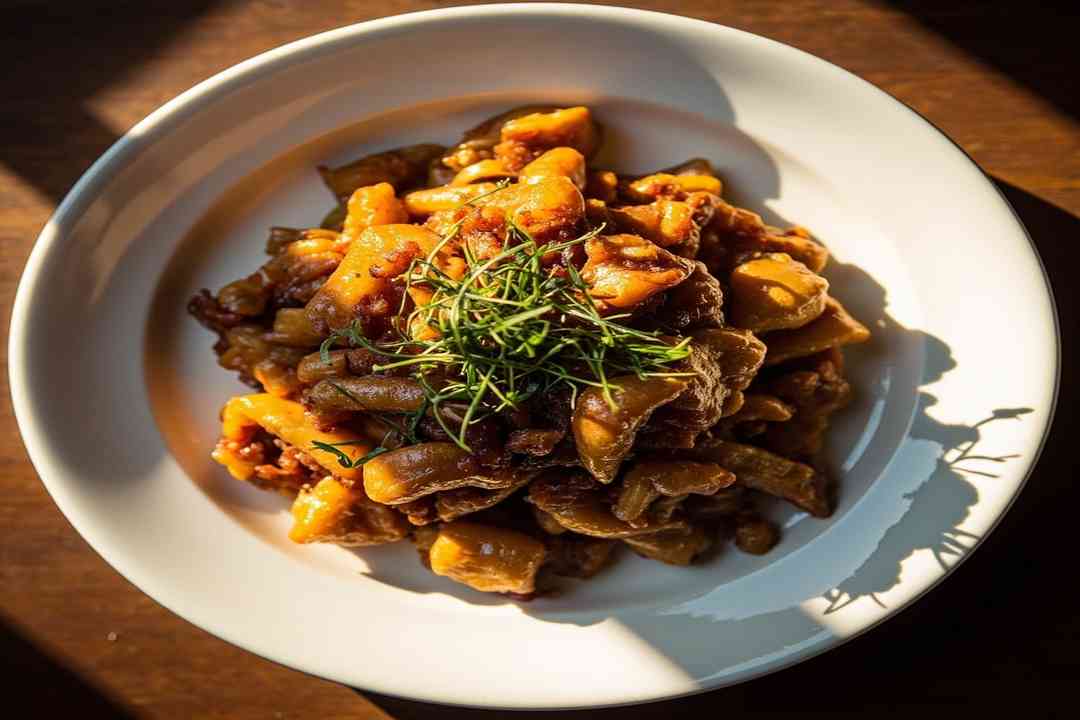
Sichuan food history is not only told through famous restaurant dishes. It also lives in everyday home cooking, where simple vegetables, preserved seasonings, and quick wok techniques show how local families built deep flavor from ordinary ingredients.
For centuries, it’s been served at family dinners, village festivals, and street stalls across the province.
This dish bridges Sichuan’s rural and urban culinary identities. It uses ingredients that were easy for farmers to grow, and it adapts to whatever is available in the market.
Unlike elaborate banquet dishes like Hot and Sour Soup, it’s quick to make – perfect for busy weeknights.
The Story Behind Sichuan food history Stir-Fried Cabbage
Sichuan’s climate – cool winters and humid summers – makes cabbage a reliable, year-round staple. Farmers grew Napa cabbage in mountain plots, since it thrives in the region’s fertile soil.
They developed quick stir-fry methods to cook it, using the same techniques as iconic Sichuan dishes like Kung Pao Chicken, where high heat preserves texture and flavor.
The dish’s signature flavor comes from Pixian doubanjiang, a fermented chili bean paste that’s also a core ingredient in Mapo Tofu. This paste adds depth, saltiness, and a subtle umami that makes the cabbage shine.
Early Sichuan cooks paired it with pork to add protein, turning a simple vegetable into a satisfying meal.
Over time, the dish became a symbol of Sichuan’s home cooking. It’s often served with steamed rice, just like Dan Dan Noodles, and it’s a go-to when guests drop by – easy to scale up, and always flavorful.
What Makes Sichuan food history Stir-Fried Cabbage Special
This dish balances Sichuan’s signature flavor profile: spicy, numbing, savory, and tangy. The doubanjiang gives the heat, Sichuan peppercorns add the tingly numbing sensation, and black vinegar cuts through the richness.
It’s not just a side – it’s a complete, balanced meal when paired with pork.
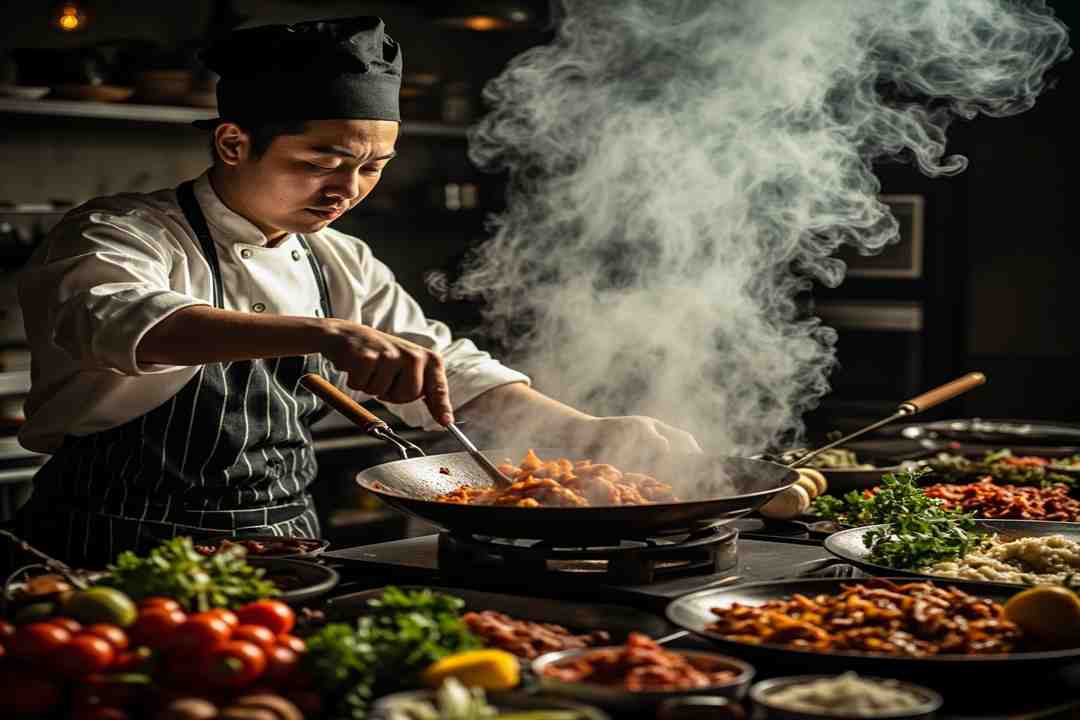
Key techniques set it apart. Wok hei (the smoky, high-heat flavor from a well-heated wok) is essential.
Cabbage is stir-fried quickly at high heat, so it stays crisp-tender, not mushy. The pork is cooked separately first to get a crispy edge, so it doesn’t get lost in the cabbage.
It’s versatile too. You can add mushrooms for a vegetarian version, or extra dried chilies for more heat.
Unlike many traditional dishes, it doesn’t require special tools – just a wok and a stovetop.
Ingredients for Sichuan food history Stir-Fried Cabbage
- 300g Napa cabbage (outer leaves torn, inner stalks sliced into 5cm pieces)
- 150g lean pork shoulder (sliced into thin 2cm strips, patted dry)
- 2 tablespoons Pixian doubanjiang (drained of excess brine, mashed with a fork)
- 1 teaspoon Sichuan peppercorns (whole, not ground)
- 1 tablespoon garlic (minced, from 2-3 cloves)
- 1 teaspoon fresh ginger (grated, from a 1cm piece)
- 1 small dried red chili (broken into 2 pieces, seeds optional)
- 1 tablespoon light soy sauce (low-sodium preferred)
- 1 teaspoon black vinegar (Chinese black vinegar, not balsamic)
- 1 teaspoon granulated sugar (balances salt and spice)
- 2 tablespoons vegetable oil (high smoke point, like canola or peanut)
- 1 tablespoon toasted sesame oil (for finishing)
- 1 teaspoon cornstarch (mixed with 2 tablespoons cold water, slurry)
How to Make Sichuan food history Stir-Fried Cabbage
- Toast Sichuan peppercorns in a dry small pan over low heat for 1 minute. Stir constantly until fragrant. Let cool 30 seconds, then grind to fine powder with a mortar or spice grinder. Set aside.
- Make the cornstarch slurry: In a small bowl, mix 1 teaspoon cornstarch with 2 tablespoons cold water. Stir until no lumps remain. Set near the wok.
- Place a wok over medium-high heat. Add 2 tablespoons vegetable oil. Let the oil heat to 180°C (you’ll see a faint wisp of smoke).
- Add sliced pork strips to the wok. Stir-fry vigorously for 2 minutes. Cook until pork turns golden brown and slightly crispy at edges. Use a slotted spoon to remove pork to a plate; set aside.
- Lower wok heat to medium. Add dried red chili, minced garlic, and grated ginger. Stir for 30 seconds until garlic is fragrant and pale golden.
- Add mashed Pixian doubanjiang to the wok. Stir-fry for 1 minute until oil turns bright red and paste is well combined with aromatics.
- Turn wok heat back to high. Add all prepared cabbage to the wok. Stir-fry continuously for 3 minutes until leaves wilt but stalks stay crisp-tender.
- Add cooked pork back to the wok. Toss everything together for 1 minute, ensuring pork is evenly distributed.
- Pour in light soy sauce, black vinegar, and granulated sugar. Stir well to coat all ingredients.
- Pour cornstarch slurry into the wok. Stir constantly for 30 seconds until sauce thickens and coats every piece of cabbage and pork.
- Turn off heat. Drizzle with toasted sesame oil and ground Sichuan peppercorns. Toss once gently to combine. Serve immediately.
Common Mistakes with Sichuan food history Stir-Fried Cabbage
The most common mistake is overcooking the cabbage. If you stir-fry it for more than 3 minutes, it turns mushy and loses its crisp texture.
This ruins the dish’s balance, as Sichuan cooks value texture as much as flavor. Fix this by using high heat and stirring constantly – don’t walk away from the wok during step 7.
Another mistake is not toasting the Sichuan peppercorns. Raw peppercorns taste grassy and dull, without the bright, numbing tingle that’s key to Sichuan food.
Always toast them first, even if you’re short on time. A quick 1-minute toast makes a big difference.
Many people use too much doubanjiang. This paste is salty and spicy, so excess will overpower the cabbage.
Drain the excess brine from the doubanjiang before mashing, and stick to the 2 tablespoons in the recipe. If you want more flavor, add a little extra garlic instead.
Serving & Storage
Serve Sichuan food history Stir-Fried Cabbage immediately, straight from the wok. It’s best paired with steamed white rice, just like Dan Dan Noodles or Kung Pao Chicken.
For a garnish, add a sprinkle of chopped scallions if you have them. Avoid microwaving leftovers, as it will make the cabbage soggy.
Storage: Keep leftover cabbage in an airtight container in the fridge for up to 1 day. To reheat, place it in a wok over high heat for 2 minutes, stirring constantly.
This will bring back some of the crisp texture. Don’t store it longer than 2 days, as the cabbage will lose its flavor.
Frequently Asked Questions
Can I make Sichuan food history vegetarian?
Yes, vegetarian versions of Sichuan dishes are not only possible but also rooted in the region’s long Buddhist culinary tradition, which dates back over 1,500 years.
Traditional substitutions for meat in historical Sichuan recipes include firm tofu, wood ear mushrooms, lotus root, konjac, or bamboo shoots, while iconic Sichuan seasonings like Pixian doubanjiang (fermented broad bean paste), Sichuan peppercorn, and pickled mustard greens are used to preserve the cuisine’s characteristic bold, complex flavors.
What makes Sichuan food history authentic Sichuan style?
Authentic Sichuan style, shaped by more than 2,000 years of culinary evolution, is defined by its signature “mala” (numbing-spicy) flavor profile, which emerged after chili peppers were introduced to Sichuan in the 16th century via global trade routes.
Key historical ingredients include Pixian doubanjiang (a staple since the Qing Dynasty), fermented black beans, and Sichuan peppercorn, while core techniques like stir-frying, braising, and pickling have been central to Sichuan cooking for centuries, distinguishing it from other regional Chinese cuisines.
How spicy is Sichuan food history?
The spice level of historical Sichuan food varies widely across the region’s diverse culinary traditions, but its most famous trait is the unique “mala” sensation, which combines the heat of chili peppers with the tingly, numbing effect of Sichuan peppercorn.
Mild historical Sichuan dishes (like steamed tofu or braised vegetables) are common in home cooking, while intensely spicy dishes (like “guai wei” or “odd flavor” dishes) are popular in street food and regional specialties.
Home cooks and chefs often adjust spice levels by balancing chili quantity with Sichuan peppercorn to avoid overwhelming the palate.
What can I serve with Sichuan food history?
Traditional pairings for Sichuan food, rooted in centuries-old dining customs, are designed to balance the cuisine’s bold, spicy flavors.
Plain steamed rice is the most common accompaniment, as its neutral taste cuts through heat and numbing sensations.
Light side dishes like cold cucumber salad, pickled mustard greens (a staple in Sichuan households for generations), or hot and sour soup also complement rich Sichuan main courses, while noodles or steamed buns are popular alternatives for more substantial meals.
Can I prepare Sichuan food history ahead of time?
Many historical Sichuan dishes are well-suited for advance preparation, a practice that has been standard in Sichuan home cooking for generations.
Dishes like braised pork belly (hong shao rou), mapo doufu, and pickled vegetable-based recipes actually develop deeper, more complex flavors when rested for 1 to 2 hours after cooking, and can be stored in the refrigerator for up to 3 days.
However, dishes that rely on fresh textures—such as stir-fried leafy greens or crispy Sichuan fried chicken—are best prepared immediately before serving to retain their quality.
Final Tip
Sichuan food history Stir-Fried Cabbage is more than just a simple vegetable dish. It’s a window into how Sichuan cooks turned humble, local ingredients into something memorable.
The next time you’re looking for a quick, flavorful meal, grab a head of Napa cabbage and follow this recipe. You’ll taste centuries of Sichuan’s culinary wisdom in every crisp, spicy, numbing bite.
Easy Sichuan Cuisine Festivals Recipe for Home Cooks How to Make Sichuan Cuisine Culture: Sichuan Recipe and Tips 10 Mistakes That Ruin Sichuan Wonton Recipe (And How to Fix Wikipedia