Dry Pot Potato Slices works best when the sauce, heat, and timing are planned before cooking. 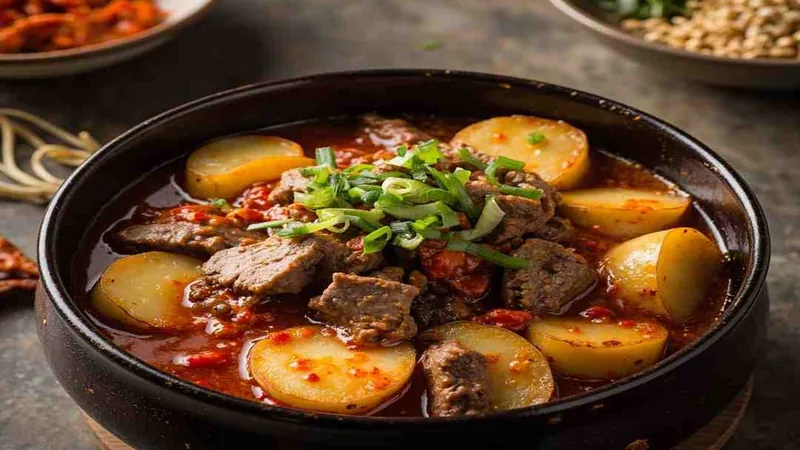
Quick Answer
Dry Pot Potato Slices are a Sichuan-style home dish where thin potato slices are cooked until tender-edged, spicy, aromatic, and lightly crisp without becoming oily.
Basic Facts
- Dish type: Sichuan dry pot vegetable dish
- Flavor base: Chiles, aromatics, doubanjiang or savory seasoning, and Sichuan pepper
- Texture check: Tender slices with lightly crisp edges
- Common mistake: Cutting potatoes too thick or overloading the pan
Quick reference: Dry Pot Potato Slices result = slice thickness + oil control + spice timing + pan heat + final texture.
Dry Pot Potato Slices is a beloved Sichuan home-style dish that balances crispy potatoes, savory spices, and a hint of numbing heat from Sichuan peppercorns. It’s not just a spicy side—its layered flavors make it a star on any Sichuan meal spread.
Pair it with classics like Mapo Tofu and Dan Dan Noodles for a complete, authentic experience. This dish is easy to master at home, even for beginners, as long as you follow key Sichuan cooking techniques.
Street vendors and home cooks alike in Sichuan swear by this dish. It’s quick to prepare, uses affordable ingredients, and satisfies cravings for both texture and bold taste.
If you’ve ever wanted to bring a taste of Chengdu to your kitchen, Dry Pot Potato Slices is the perfect place to start.
The Story Behind Dry Pot Potato Slices
Dry pot dishes have deep roots in Sichuan’s culinary history, born from a need to make leftover ingredients taste extraordinary. Originally, these dishes were stir-fried in a small pot over an open fire, with minimal sauce to keep ingredients crisp.
Over time, Dry Pot Potato Slices emerged as a favorite because potatoes are cheap, versatile, and absorb spices perfectly.
In Sichuan family meals, this dish is often served alongside other iconic plates like Kung Pao Chicken and Hot and Sour Soup. It balances the heat of Mapo Tofu with its own numbing-spicy kick, creating a harmony that’s unique to Sichuan cuisine.
Unlike wet dishes, dry pot potato slices don’t have excess sauce—each bite is coated in flavor without feeling heavy.
What makes this dish stand out is how it turns simple ingredients into something memorable. Dry Pot Potato Slices It’s not just about spiciness; it’s about the careful balance of málà (numbing-spicy), savory, and slightly sweet notes that define Sichuan cooking.
What Makes Dry Pot Potato Slices Special
The magic of Dry Pot Potato Slices lies in its texture and flavor balance. The potatoes are fried until golden and crispy on the outside, but stay tender inside.
This contrast is key—no soggy, mushy slices here. The pork belly adds a rich, fatty layer that melts in your mouth, complementing the potatoes perfectly.
Flavor-wise, it’s all about the spices. The combination of doubanjiang (Sichuan chili bean paste), dried red chilies, and crushed Sichuan peppercorns creates that signature málà taste.
Dry Pot Potato Slices The Sichuan peppercorns give a tingly, numbing sensation on the tongue, which is a hallmark of Sichuan cuisine—something you won’t find in other Chinese dishes.
Another unique aspect is the dry cooking method. Unlike stir-fried dishes with lots of sauce, dry pot potato slices are tossed just enough to coat each ingredient without drowning them.
This ensures every bite has a concentrated flavor, making it ideal for pairing with steamed rice or noodle dishes.
Ingredients for Dry Pot Potato Slices
- 300g waxy potatoes (like Russet, peeled and sliced 0.5cm thick)
- 100g pork belly (sliced thin, ~2mm)
- 2 tablespoons doubanjiang (Sichuan chili bean paste, finely chopped)
- 1 teaspoon Sichuan peppercorns (crushed, divided)
- 2 dried red chilies (broken into small pieces)
- 3 garlic cloves (minced)
- 1-inch fresh ginger (minced)
- 1 small shallot (sliced thinly)
- 1 tablespoon light soy sauce
- 1 teaspoon dark soy sauce (for color)
- 1 teaspoon granulated sugar
- 1 tablespoon rice vinegar (optional, for a tangy note)
- 3 tablespoons vegetable oil (for frying)
- 1 green onion (chopped, for garnish)
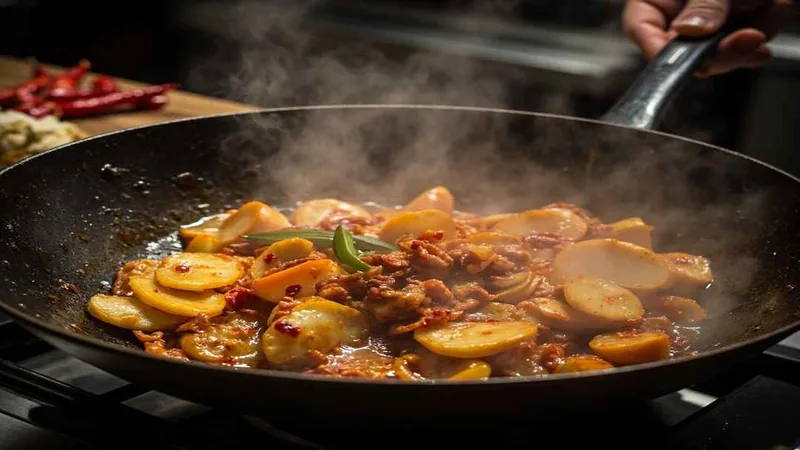
How to Make Dry Pot Potato Slices
- Heat 3 tablespoons of vegetable oil in a wok or deep pan to 180°C (use a thermometer to confirm). Dry Pot Potato Slices This temp ensures crispy potatoes without absorbing excess oil.
- Pat potato slices dry with paper towels to remove surface moisture. Dry Pot Potato Slices Overcrowding the pan will lower oil temp—fry in batches if needed.
- Add potato slices to the hot oil. Fry for 3-4 minutes, turning once, until golden and crispy. Dry Pot Potato Slices Remove and drain on paper towels.
- Leave 1 tablespoon of oil in the wok. Dry Pot Potato Slices Heat over medium heat.
- Add pork belly slices. Stir-fry for 2 minutes until fat renders and edges turn brown. Dry Pot Potato Slices Remove and set aside.
- In the same wok, add dried red chilies, half the crushed Sichuan peppercorns, minced garlic, ginger, and shallot. Dry Pot Potato Slices Stir-fry for 30 seconds until fragrant (don’t burn the garlic).
- Add chopped doubanjiang. Dry Pot Potato Slices Stir-fry for 1 minute until the oil turns bright red and the spices release their aroma.
- Return pork belly to the wok. Dry Pot Potato Slices Toss well to coat with the spice mixture.
- Add light soy sauce, dark soy sauce, sugar, and optional rice vinegar. Dry Pot Potato Slices Stir for 1 minute to combine flavors.
- Add fried potato slices. Gently toss to coat every slice in the sauce. Dry Pot Potato Slices Cook for 2 minutes until potatoes are heated through.
- Turn off heat. Dry Pot Potato Slices Garnish with chopped green onion and remaining Sichuan peppercorns for extra aroma.
Common Mistakes with Dry Pot Potato Slices
Many home cooks make small errors that ruin the dish’s texture and flavor. The first mistake is not drying potato slices before frying.
Excess moisture makes potatoes steam instead of fry, leading to soggy results. Dry Pot Potato Slices Always pat slices dry with paper towels first.
Second, overcrowding the pan while frying potatoes lowers the oil temperature. This causes potatoes to absorb too much oil and become greasy.
Dry Pot Potato Slices Fry in small batches if your pan is too big for all slices at once.
Third, using too much doubanjiang. This sauce is salty and spicy—using more than 2 tablespoons can make the dish overly salty.
Dry Pot Potato Slices Stick to the measurement, and adjust if needed based on your doubanjiang’s saltiness.
Fourth, skipping Sichuan peppercorns. They are essential for the signature numbing flavor that defines Dry Pot Potato Slices.
If you don’t have them, substitute carefully (more on this in FAQ) but know it won’t be authentic.
Serving & Storage
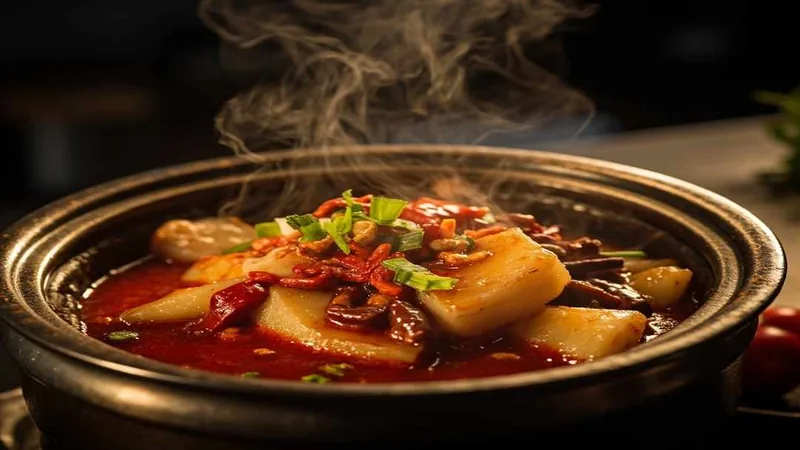
Serve Dry Pot Potato Slices hot, right after cooking. Transfer to a small dry pot or bowl for serving—this keeps the dish warm longer.
It pairs perfectly with steamed rice, which balances the bold flavors. For a complete Sichuan meal, serve it alongside Mapo Tofu and Hot and Sour Soup.
If you have leftovers, store them in an airtight container in the fridge for up to 2 days. To reheat, use a wok over medium heat—microwaving will make the potatoes soggy.
the dish Toss gently for 2-3 minutes until heated through, adding a splash of oil if needed to crisp them up again.
Frequently Asked Questions
Can I make this Sichuan classic vegetarian?
Yes, you can easily adapt the stir-fry to be vegetarian by omitting any meat (like pork belly or ground pork) common in non-vegetarian versions.
To retain the rich, savory umami flavor, substitute meat with dried shiitake mushrooms, vegetarian oyster sauce, or mushroom stock, which replicate the deep savoriness without animal products.
What makes it authentic Sichuan style?
Authentic Sichuan the dish are defined by their iconic málà (numbing-spicy) flavor profile, achieved using Sichuan peppercorns (for the tingly, numbing sensation) and dried red chili peppers (for bold heat).
Key ingredients also include doubanjiang (fermented broad bean chili paste) for savory depth, plus garlic, ginger, and sometimes fermented black beans.
The signature technique is high-heat stir-frying to get crispy potato slices (tender inside, crunchy outside) tossed quickly with seasonings, with minimal broth to keep it dry rather than soupy.
How spicy is this Sichuan classic?
Traditional authentic the stir-fry are medium to high in spice, balancing the heat of dried chilies with the unique tingle of Sichuan peppercorns (not just plain heat).
The exact spice level is adjustable: if you’re sensitive to spice, reduce the number of dried chilies, skip or use less Sichuan peppercorns, or add a pinch of sugar to balance the heat.
For a milder version, you can even use sweet paprika for subtle warmth without intense spice.
What can I serve with it?
the dish is a hearty, bold-flavored dish that pairs perfectly with steamed white rice, as the mild rice balances its spicy, savory notes and soaks up the flavorful sauce.
For a complete meal, serve it alongside light, refreshing sides like garlic bok choy, cucumber salad, or steamed edamame to cut through the dish’s richness.
It also works well as part of a Sichuan meal spread, paired with dishes like mapo tofu or cold noodles for variety.
Can I prepare this Sichuan classic ahead of time?
You can prep most components ahead of time to save work: slice potatoes, soak them in cold water to remove excess starch (to keep them crispy), and store in an airtight container in the fridge for up to 2 days.
Aromatics (garlic, ginger, dried chilies) and seasonings can also be pre-measured and stored separately.
However, it’s best to cook the potato slices and toss them with the sauce right before serving—reheating fully cooked potato slices will make them mushy, so avoid completing the entire dish ahead of time for optimal texture.
Final Tip
The key to authentic the stir-fry is patience with the spice stir-fry step. Don’t rush when cooking the garlic, ginger, and doubanjiang—let them release their aroma slowly. This builds depth that makes the dish taste like it’s from a Sichuan restaurant.
Pair it with a bowl of Hot and Sour Soup to cut through the richness, and you’ve got a meal that’s both satisfying and true to Sichuan roots.
13 Mistakes That Ruin Sichuan Peppercorn (And How to Fix Dry-Fried Pork Intestines: Sichuan Recipe and Tips Authentic Mapo Tofu Sauce: Sichuan Home Cooking Guide Wikipedia