Quick Answer
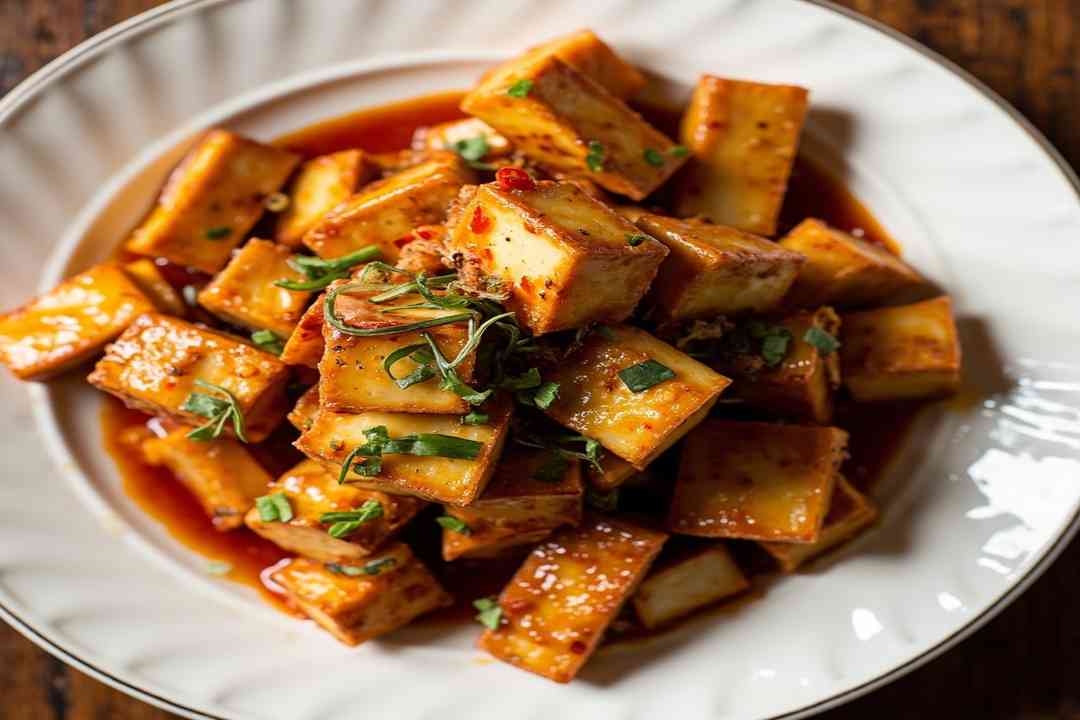
Good Sichuan tofu recipes balance tofu texture with doubanjiang, aromatics, stock or sauce, controlled heat, and finishing seasoning; simply adding more chile does not create the cuisine’s layered flavor.
Basic Facts
| Core ingredient | Tofu matched to the cooking method |
|---|---|
| Flavor base | Doubanjiang, aromatics, and savory seasoning |
| Texture check | Avoid breaking or overcooking the tofu |
| Common mistake | Using heat without aroma and balance |
Evidence Note
Source: Britannica Sichuan cuisine overview. Use the source for context and verify page-specific claims against the cited wording.
Related reading: Mapo tofu | Sichuan ingredients
Quick reference: direct answer + four checked facts + evidence source + two internal references + stated limitation.
Tofu Sichuan recipes Dan Dan Noodles are the perfect fusion of two of Sichuan’s most beloved comfort food staples. This dish marries creamy, sauce-soaked silken tofu with the iconic chewy noodles and bold ma la (numbing spicy) flavor that makes Sichuan cuisine famous.
It skips westernized tweaks to deliver the exact taste you’d find from a street vendor in downtown Chengdu, with a light, balanced texture that works for weeknight dinners or weekend feasts.
Most home cooks only associate Dan Dan noodles with ground pork, but adding tofu stretches the dish, cuts through heavy fatty richness, and adds a silky, melt-in-your-mouth contrast to chewy noodles and crispy pork bits. Tofu Sichuan Recipes This recipe is rooted in traditional Sichuan home cooking techniques, so it’s easy to master even if you’re new to working with Sichuan specialty ingredients.
The Story Behind tofu Sichuan recipes Dan Dan Noodles
Dan Dan noodles first emerged in 19th century Chengdu, sold by street vendors who carried their supplies on shoulder poles called “dan dan”. Each pole slung a pot of boiling water, a jar of spicy sauce, and containers of toppings, so vendors could make fresh noodles on demand for manual laborers looking for cheap, filling meals.
Tofu Sichuan Recipes The dish quickly became a city-wide staple for its bold flavor and low cost.
Mapo tofu, the other star of this fusion dish, also dates back to 19th century Chengdu. It was invented by a pock-marked elderly woman (called “ma po” in Mandarin) who ran a roadside eatery for travelers crossing the nearby mountains.
Tofu Sichuan Recipes She combined soft silken tofu with spicy minced pork and Sichuan peppercorns to create a warming, flavorful dish that kept travelers full for hours of walking. Sichuan home cooks started merging the two dishes roughly 50 years ago, swapping half the pork for tofu to stretch ingredients for large, low-income families.
They quickly discovered the tofu absorbs every drop of spicy sauce, balancing the salty, umami flavor of the pork and adding a lightness that makes the noodles feel less heavy than all-pork versions. Tofu Sichuan Recipes Today, the tofu version is a popular menu item at small family restaurants across Sichuan.
What Makes tofu Sichuan recipes Dan Dan Noodles Special
This dish hits every note of the classic Sichuan flavor profile: spicy, numbing, savory, slightly sour, and subtly sweet. The soft tofu crumbles melt in your mouth, the ground pork adds a crispy, salty bite, and the chewy alkaline noodles hold onto every drop of thick, fragrant sauce.
Tofu Sichuan Recipes The tingle of Sichuan peppercorn lingers on your tongue long after the last bite.
A few key techniques set this recipe apart from simplified western versions. Toasting Sichuan peppercorns before grinding amplifies their aromatic, numbing flavor instead of tasting harsh and bitter.
Frying doubanjiang (chili bean paste) low and slow releases its rich fermented umami and bright red oil without burning. Tofu Sichuan Recipes Blanching tofu first removes any beany aftertaste so it only takes on the flavor of the sauce.
It’s also incredibly versatile. You can make it fully vegetarian by swapping pork for crispy pan-fried extra-firm tofu, adjust the spice level to match your tolerance, and put the entire dish together in under 30 minutes.
Tofu Sichuan Recipes It works just as well for a quick weeknight dinner as it does for a casual dinner party with friends.
Ingredients for tofu Sichuan recipes Dan Dan Noodles
- 200g dried alkaline wheat noodles (traditional Dan Dan noodle variety)
- 150g soft silken tofu, drained of excess water
- 100g ground pork (15% fat for juiciness and crispness)
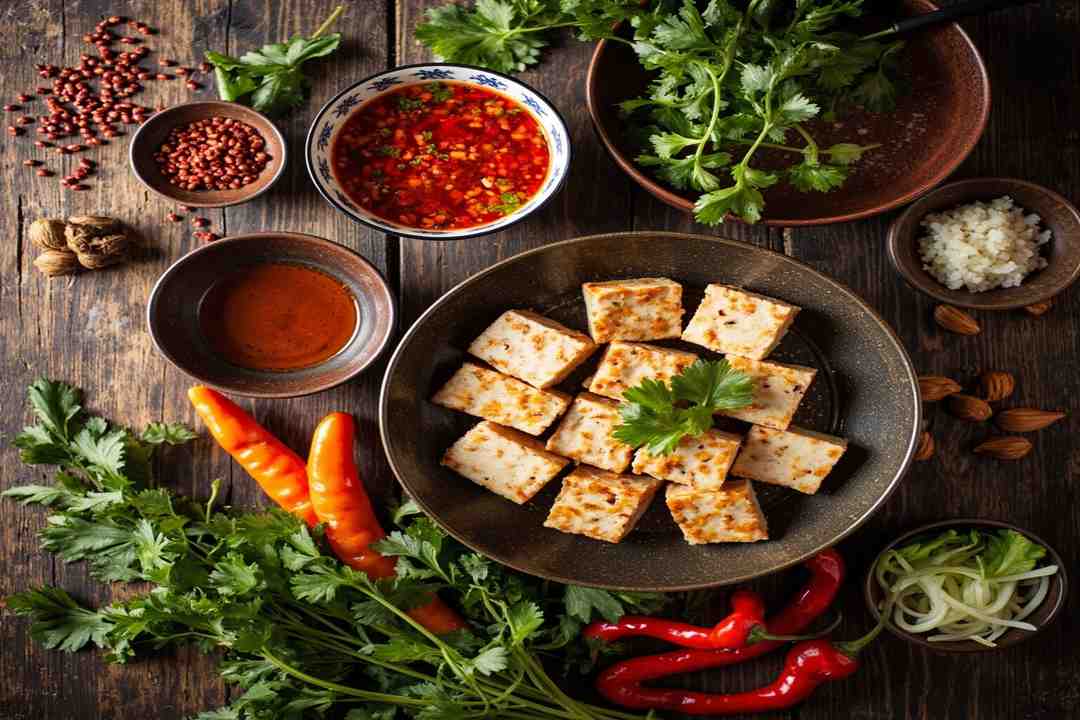
- 2 tablespoons doubanjiang (Pixian Sichuan chili bean paste, finely chopped)
- 1 teaspoon whole Sichuan peppercorns
- 1 tablespoon pickled mustard greens (ya cai, rinsed and finely diced)
- 2 garlic cloves, finely minced
- 1 teaspoon grated fresh ginger
- 1 tablespoon light soy sauce
- 1 teaspoon black vinegar
- 1 teaspoon granulated sugar
- 1 toasted sesame oil
- 2 tablespoons neutral cooking oil (peanut or canola)
- 2 tablespoons chopped scallions (white and green parts separated)
- 1 teaspoon toasted white sesame seeds
How to Make tofu Sichuan recipes Dan Dan Noodles
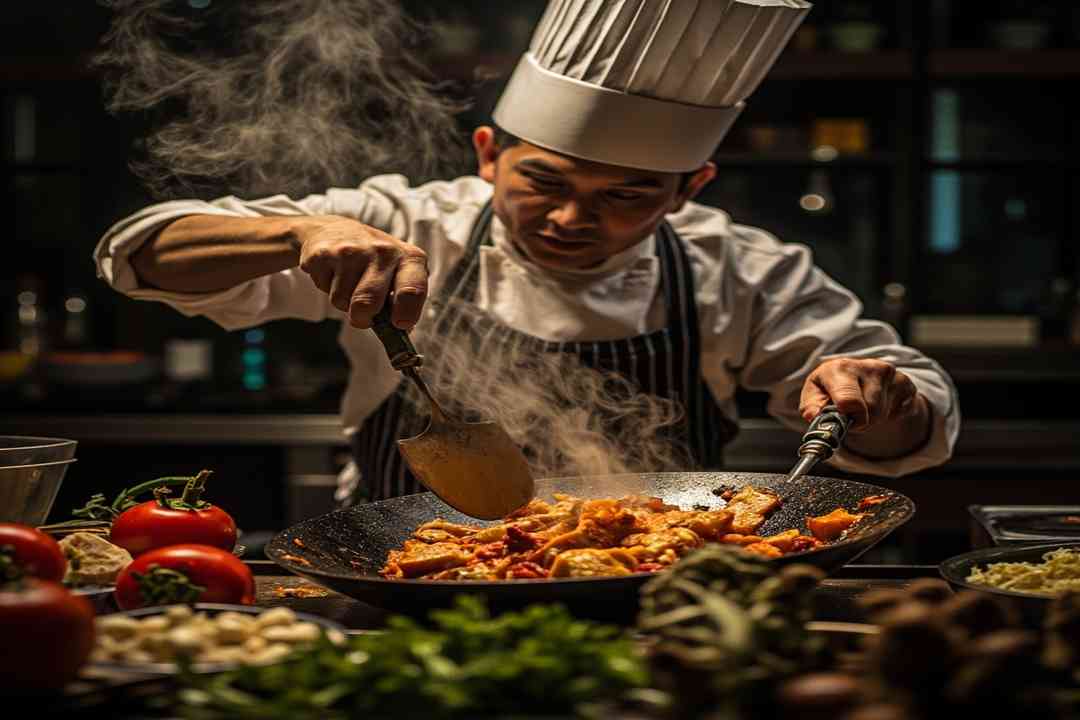
- Prep the Sichuan peppercorn powder first: Heat a dry wok over low heat (about 100°C). Add 1 teaspoon whole Sichuan peppercorns, toast for 2-3 minutes until fragrant, shaking the wok often to avoid burning.
- Let cool completely, then grind to a fine powder with a mortar and pestle or spice grinder. Tofu Sichuan Recipes Set aside.
- Prep the tofu: Bring a small pot of water to a gentle boil (95°C). Add the 150g drained silken tofu, simmer for 2 minutes to remove any beany aftertaste.
- Drain, pat lightly with paper towels, then crumble into 1cm bite-sized pieces. Tofu Sichuan Recipes Set aside.
- Make the sauce base: In a large serving bowl, mix 1 tablespoon light soy sauce, 1 teaspoon black vinegar, 1 teaspoon sugar, 1 tablespoon sesame oil, half the ground Sichuan peppercorn powder, and the white parts of the chopped scallions. Tofu Sichuan Recipes Set aside.
- Cook the noodles: Bring a large pot of salted water to a rolling boil (100°C). Add 200g dried alkaline noodles, cook for 4-5 minutes (or per package instructions) until al dente, with a slight chew in the center.
- Tofu Sichuan Recipes Reserve ¼ cup of noodle cooking water, then drain the noodles fully.
- Cook the pork topping: Heat 2 tablespoons neutral oil in a wok over medium-high heat (160°C). Tofu Sichuan Recipes Add 100g ground pork, break it up with a spatula, stir-fry for 3-4 minutes until fully cooked and slightly crispy at the edges.
- Add the aromatics: Lower heat to medium (140°C). Tofu Sichuan Recipes Add the minced garlic, grated ginger, and 1 tablespoon diced pickled mustard greens to the wok, stir-fry for 30 seconds until fragrant, being careful not to burn the garlic.
- Add the doubanjiang and tofu: Stir in 2 tablespoons finely chopped doubanjiang, cook for 1-2 minutes until bright red oil bubbles to the surface of the wok. Tofu Sichuan Recipes Add the crumbled silken tofu, toss gently to coat in the sauce, cook for 2 minutes so the tofu absorbs the flavor.
- Combine all ingredients: Add the drained hot noodles to the serving bowl with the sauce base. Tofu Sichuan Recipes Pour the pork and tofu topping over the noodles, add 1-2 tablespoons of reserved noodle water if the sauce is too thick.
- Toss and finish: Toss the noodles vigorously for 30 seconds until every strand is evenly coated in sauce. Top with the remaining ground Sichuan peppercorn powder, chopped green scallion parts, and 1 teaspoon toasted sesame seeds.
- Tofu Sichuan Recipes Serve immediately.
Common Mistakes with tofu Sichuan recipes Dan Dan Noodles
The first common mistake is using un-toasted Sichuan peppercorns, which taste harsh and bitter instead of aromatic and numbing. Always toast them low and slow first, and let them cool fully before grinding to lock in their delicate flavor.
The second mistake is over-stirring the tofu, which turns it into a mushy paste instead of retaining soft, bite-sized crumbles. Tofu Sichuan Recipes Gently fold it into the sauce instead of stirring aggressively.
The third mistake is overcooking doubanjiang on high heat, which burns the fermented beans and gives the dish a bitter aftertaste. Cook it on medium heat for 1-2 minutes only, until you see bright red oil rise to the surface.
The fourth mistake is using cold noodles to toss with the sauce, which makes the sauce thicken too fast and stick to the bottom of the bowl instead of coating the noodles. Tofu Sichuan Recipes Always toss noodles while they are still piping hot.
Serving & Storage
Serve these noodles immediately after tossing for the best texture and flavor. They pair perfectly with a side of Sichuan hot and sour soup to cut through the spiciness, or a small plate of cucumber salad tossed with rice vinegar and a pinch of salt for a fresh, crisp contrast.
Tofu Sichuan Recipes You can add a soft-boiled egg on top for extra protein, or extra chili oil if you prefer more heat.
Leftovers can be stored in an airtight container in the fridge for up to 2 days. Note that the noodles will absorb the sauce as they sit, so add a splash of hot water when reheating in the microwave or on the stovetop to loosen the sauce back up.
Tofu Sichuan Recipes The tofu will stay soft, but the noodles will lose a bit of their chew, so we don’t recommend freezing leftovers.
Frequently Asked Questions
Can I make this recipe fully vegetarian?
Absolutely. Swap the 100g ground pork for 100g extra-firm tofu that has been pressed, crumbled, and pan-fried for 5 minutes until crispy at the edges.
You can also add a teaspoon of mushroom bouillon to the sauce base to boost umami flavor without meat. Tofu Sichuan Recipes The rest of the recipe stays exactly the same, and you’ll get the same bold, spicy Sichuan flavor profile.
Do I have to use alkaline wheat noodles?
Alkaline noodles give Dan Dan noodles their signature chewy, springy texture and slight tang that pairs perfectly with the spicy sauce. If you can’t find them, regular dried egg noodles work well, or even fresh udon noodles for a chewier bite.
Tofu Sichuan Recipes Avoid thin pasta like spaghetti, as it won’t hold onto the thick sauce as well as wider, chewier noodle varieties.
How do I adjust the spice level for people who don’t like spicy food?
Start by cutting the doubanjiang amount in half, and skip adding extra chili oil. You can also leave out some of the ground Sichuan peppercorn to reduce the numbing sensation.
Tofu Sichuan Recipes The pickled mustard greens, soy sauce, and sugar will still give the dish plenty of savory, balanced flavor, so it won’t taste bland even with less spice.
Where can I find Sichuan specialty ingredients like doubanjiang and ya cai?
Most Asian grocery stores carry these ingredients in the condiment aisle, or you can order them online from specialty Sichuan food retailers. Look for fermented doubanjiang from Pixian, which is the most authentic variety and has a deeper, richer flavor than mass-produced options.
Tofu Sichuan Recipes You can substitute ya cai with finely diced pickled sauerkraut if you can’t find it, though the flavor will be slightly different.
Can I meal prep parts of this recipe ahead of time?
Yes. You can toast and grind the Sichuan peppercorns, chop the aromatics, and mix the sauce base up to 3 days ahead of time and store them in sealed containers in the fridge.
Cook the noodles and the topping right before serving to get the best texture, as pre-cooked noodles will get mushy when reheated. This cuts down the active cooking time to just 15 minutes on busy weeknights.
Final Tip
The secret to truly authentic Sichuan flavor is balance, not just heat. Don’t skip the small amount of sugar in the sauce base—it cuts the sharpness of the chili and vinegar, brings out the umami of the doubanjiang, and ties all the flavors together so no single taste overpowers the rest.
Don’t be afraid to tweak the spice or numbing level to your taste, and enjoy the process of making this classic Sichuan comfort food at home.
Spicy Chinese Food Recipes Best Sichuan Vegetable Recipes Sichuan Vegetable Dishes Recipes Wikipedia