Fish-fragrant eggplant pairs tender eggplant with a sweet-sour garlic, ginger and chili sauce. The fish-fragrant name describes the seasoning style; this written recipe contains no fish.
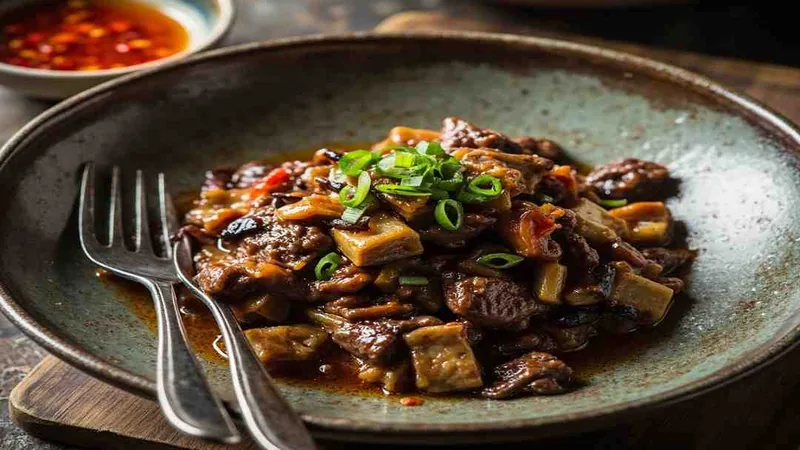
Fish-Fragrant Eggplant is one of Sichuan’s most beloved vegetarian dishes, blending bold, balanced flavors that hold their own against classics like Mapo Tofu and Dan Dan Noodles. It’s a go-to for home cooks and restaurant-goers alike, prized for its crispy-tender texture and layered, mouthwatering sauce.
Unlike many vegetable dishes, it doesn’t skimp on the depth that defines Sichuan cuisine—making it a hit even with meat lovers.
This dish is perfect for anyone wanting to dive into authentic Sichuan cooking without needing to use meat. Fish-Fragrant Eggplant It’s balanced, flavorful, and adaptable to different spice levels, making it approachable for beginners while still satisfying for experienced cooks.
The Story Behind Fish-Fragrant Eggplant
Fish-fragrant (yuxiang) is a signature Sichuan flavor technique, not a reference to actual fish. It originated in Sichuan’s rural kitchens, where cooks developed a sauce that mimicked the bright, savory notes of fish dishes without using seafood.
Fish-Fragrant Eggplant Over time, this flavor profile was adapted to vegetables, and eggplant became one of the most popular choices—its soft, absorbent texture soaks up the yuxiang sauce perfectly.
Yuxiang’s core balance of five flavors—sour, sweet, spicy, salty, and numbing—makes it unique. This balance is what sets Sichuan cuisine apart from other spicy Asian traditions.
Fish-Fragrant Eggplant became a staple in Sichuan home cooking because it’s quick to make, uses affordable ingredients, and pairs well with other classics like Kung Pao Chicken or Hot and Sour Soup. Today, it’s served in Sichuan restaurants worldwide as a must-try vegetarian option.
What Makes Fish-Fragrant Eggplant Special
The magic of Fish-Fragrant Eggplant lies in two key elements: texture and the yuxiang sauce. The eggplant needs to be crispy on the outside and tender inside—soggy eggplant ruins the dish, so proper preparation is critical.
The yuxiang sauce, meanwhile, is not just spicy—it’s a symphony of flavors that hits your tongue in layers: first the sour kick of rice vinegar, then the sweetness of sugar, followed by the heat of doubanjiang, the salt of soy sauce, and the optional numbing tingle of Sichuan peppercorns in this version.
Another standout is that it’s vegetarian but has the richness of meat-based Sichuan dishes. Eggplant’s mild flavor lets the sauce shine, so every bite is packed with flavor.
Unlike some vegetable dishes that feel light and forgettable, this one is hearty enough to be a main course. Fish-Fragrant Eggplant It’s also versatile—you can adjust the spice level or add other veggies like bell peppers if you want to mix things up.
Ingredients for Fish-Fragrant Eggplant
- 300g Chinese long eggplant (avoid large Western eggplants)
- 2 tablespoons Pixian doubanjiang (Sichuan chili bean paste, minced)
- 1 teaspoon whole Sichuan peppercorns
- 1 tablespoon rice vinegar
- 1 tablespoon granulated sugar
- 1 tablespoon light soy sauce
- ½ teaspoon dark soy sauce (for color)
- 2 garlic cloves (minced)
- 1-inch fresh ginger (minced)
- 2 scallions (white parts minced, green parts sliced for garnish)
- 3 tablespoons vegetable oil (for frying)
- 1 teaspoon cornstarch (mixed with 2 tablespoons water, slurry)
- 1 small dried red chili (broken into pieces)
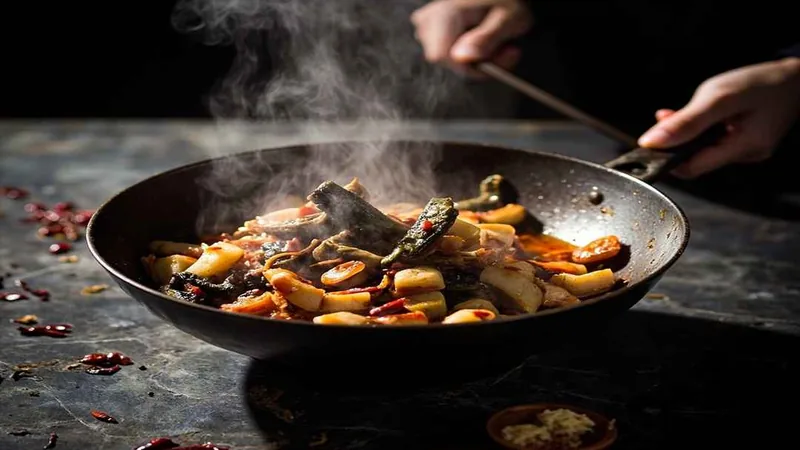
How to Make Fish-Fragrant Eggplant
- Prep the eggplant: Cut into 5cm (2-inch) chunks, then halve lengthwise. Sprinkle with ½ teaspoon salt, toss well, and let sit for 15 minutes to draw out excess moisture.
- Pat dry thoroughly with paper towels. Fish-Fragrant Eggplant This step is critical to avoid soggy eggplant.
- Make the yuxiang sauce: In a small bowl, combine rice vinegar, sugar, light soy sauce, dark soy sauce, and cornstarch slurry. Fish-Fragrant Eggplant Stir until smooth—set aside for later.
- Toast Sichuan peppercorns: Heat a small dry pan over low heat for 2 minutes until fragrant. Transfer to a mortar or spice grinder, then grind into a fine powder. Fish-Fragrant Eggplant Set aside.
- Heat the wok: Pour vegetable oil into a wok and heat to 180°C (350°F). Add the broken dried red chili and fry for 10 seconds—don’t burn it, or it will turn bitter.
- Fish-Fragrant Eggplant Remove and discard the chili.
- Fry the eggplant: Add the eggplant chunks in batches to the wok. Fry for 3-4 minutes, turning occasionally, until golden brown and tender when pierced with a fork.
- Fish-Fragrant Eggplant Remove with a slotted spoon and drain on paper towels.
- Reduce oil: If there’s more than 1 tablespoon of oil left in the wok, drain excess. Fish-Fragrant Eggplant Turn heat to medium-high.
- Sauté aromatics: Add minced ginger, garlic, and white scallion parts. Fish-Fragrant Eggplant Stir-fry for 30 seconds until fragrant—don’t let them burn.
- Cook doubanjiang: Add minced Pixian doubanjiang to the wok. Fish-Fragrant Eggplant Stir-fry for 1 minute until the oil turns bright red and the aroma deepens.
- Combine eggplant and sauce: Add the fried eggplant back to the wok. Pour the prepared yuxiang sauce over it.
- Fish-Fragrant Eggplant Stir-fry for 2-3 minutes until the sauce thickens and coats every eggplant piece evenly.
- Finish: Turn off the heat. Sprinkle with ground Sichuan peppercorns and sliced green scallions. Fish-Fragrant Eggplant Serve immediately—this dish is best hot from the wok.
Common Mistakes with Fish-Fragrant Eggplant
Many home cooks miss the mark on Fish-Fragrant Eggplant by skipping small but essential steps. The first mistake is not salting the eggplant before frying.
Excess moisture makes the eggplant soggy and greasy, so this step is non-negotiable. Letting it rest for 15 minutes draws out water, so it fries up light and crispy.
The second mistake is over or under-frying the eggplant. Under-fried eggplant is raw and bitter, while over-fried becomes mushy.
Fish-Fragrant Eggplant Stick to 3-4 minutes per batch at 180°C—test with a fork to make sure it’s tender but holds its shape.
Sichuan peppercorns are optional in fish-fragrant eggplant. If using the peppercorns listed in this version, grind them just before cooking for a fresher aroma.
Fish-Fragrant Eggplant Don’t skip this—it’s a key part of the yuxiang flavor.
Serving & Storage
Fish-Fragrant Eggplant is best served immediately, straight from the wok, with steamed jasmine rice. It pairs perfectly with other Sichuan classics like Mapo Tofu or Kung Pao Chicken, balancing their spiciness with its layered flavors.
It works as both a main course or a side dish.
For leftovers, store in an airtight container in the fridge for up to 2 days. Reheat gently in a skillet with 1 teaspoon of oil to crisp the eggplant again—microwaving will make it soggy, so avoid that.
Fish-Fragrant Eggplant Don’t freeze leftovers, as eggplant texture breaks down when frozen.
Frequently Asked Questions
Can I make Fish-Fragrant Eggplant vegetarian?
Yes, you can adapt Fish-Fragrant Eggplant to be vegetarian by replacing the traditional ground pork with umami-rich alternatives like finely chopped shiitake mushrooms, plant-based ground meat, or pressed, pan-fried firm tofu.
The signature fish-fragrant flavor— a balanced mix of savory, sweet, sour, and spicy— remains intact without meat, making it a flexible vegetarian option.
What makes Fish-Fragrant Eggplant authentic Sichuan style?
Authentic Sichuan-style the dish centers on the iconic “yu xiang” (fish fragrant) flavor profile, which mimics the taste of Sichuan fish dishes without seafood.
Key ingredients include fermented broad bean chili paste (doubanjiang), black vinegar, light soy sauce, sugar, minced garlic, fresh ginger, and scallions; this recipe adds optional Sichuan peppercorns for a subtle numbing kick, although they are not required for fish-fragrant sauce.
Traditionally, eggplant is first pan-seared or fried to soften its texture before being tossed in the quick-cooking sauce, preserving its tender yet slightly firm bite.
How spicy is this Sichuan classic?
The base version of the stir-fry is moderately spicy, with a gentle to medium heat level derived from fermented chili paste and optional fresh or dried chilies.
Its spice level is highly adjustable: reduce or omit the chili paste for a mild, sweet-savory dish, or add extra chili oil, Thai chilies, or Sichuan chili flakes for a fiery, bold version.
Many home cooks tone down the heat to suit all palates, so it works for various spice preferences.
What can I serve with it?
the dish pairs best with steamed white rice to balance its bold, tangy-spicy flavors.
For a complete Sichuan-style meal, serve it alongside light complementary sides like stir-fried bok choy, cold garlic cucumber salad, mapo tofu, or a simple egg drop soup.
It also works as a flavorful side dish for grilled meats or noodles, adding depth to any spread.
Can I prepare this Sichuan classic ahead of time?
You can prep components of the stir-fry ahead of time for meal prep, though it’s best to combine the sauce and eggplant right before serving to prevent the eggplant from turning mushy.
The pre-mixed flavor sauce (blending chili paste, vinegar, soy sauce, sugar, and aromatics) can be stored in an airtight container in the refrigerator for up to 3 days.
Cooked eggplant, when stored separately, stays fresh in the fridge for 2-3 days; reheat it gently in a pan with a small amount of oil, then toss with warm sauce to serve.
Final Tip
To nail it every time, don’t rush the salting step for eggplant—it’s the secret to crispy, non-soggy bites. If using the optional Sichuan peppercorns in this version, toast them gently without burning them.
Once you master this, you’ll be making it for family and friends again and again.
Easy Traditional Sichuan Cuisine Recipe for Home Cooks Dry-Fried Green Beans: Sichuan Recipe and Home Cooking Tips Spicy Diced Chicken: Sichuan Recipe and Home Cooking Tips Wikipedia