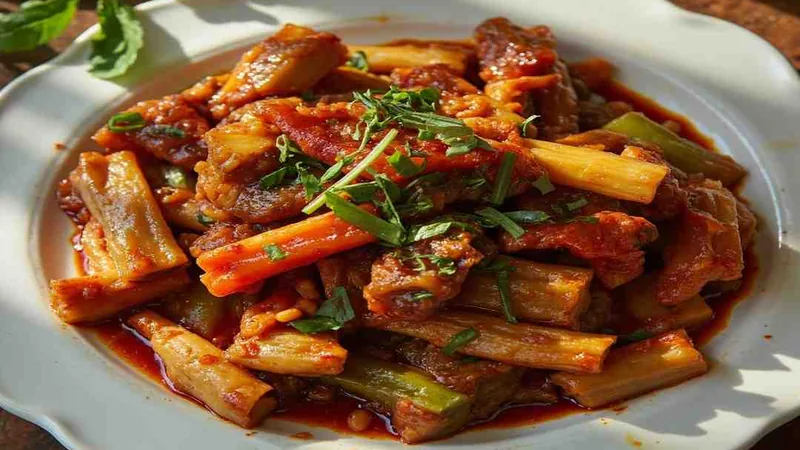
Sichuan vegetable dishes recipes are some of the easiest ways to bring bold flavor to everyday home cooking. With garlic, ginger, dried chilies, Sichuan peppercorns, vinegar, soy sauce, and a little doubanjiang, simple vegetables can become bright, aromatic, and satisfying.
This guide focuses on practical vegetable recipes rather than one meat or fish dish. You can use the same flavor logic for bok choy, cabbage, green beans, eggplant, mushrooms, lotus root, potatoes, and tofu.
For a basic pantry overview, start with our Sichuan food ingredients guide. For more complete meal ideas, browse the Sichuan recipes collection.
The Story Behind Sichuan Vegetable Dishes Recipes
Vegetables have always played an important role in Sichuan meals. They balance rich meat dishes, cool down spicy broths, and add texture to rice, noodles, and tofu. In many home kitchens, a fast vegetable stir-fry is the dish that makes dinner feel complete.
The key is not to make every vegetable extremely spicy. Sichuan cooking uses layers: aromatic oil, chili heat, numbing peppercorn, fermented bean paste, vinegar, garlic, scallions, and careful timing. A good vegetable dish should still taste fresh and recognizable.
What Makes Sichuan Vegetable Dishes Recipes Special
Sichuan vegetable recipes often combine strong aroma with quick cooking. Garlic greens may need only a few minutes, while eggplant or green beans need more time to soften and absorb sauce. The same seasoning can taste very different depending on the vegetable and cooking method.
Another strength is flexibility. You can make a mild garlic vegetable dish for balance, a hot and sour cabbage dish for brightness, or a deeper eggplant dish with doubanjiang and vinegar. This makes vegetable sides useful for both simple dinners and larger Sichuan-style meals.
Ingredients for Sichuan Vegetable Dishes Recipes
You do not need every ingredient for every dish. Choose a vegetable, then build a sauce around it.
- Vegetables: bok choy, cabbage, green beans, eggplant, mushrooms, lotus root, potatoes, pea shoots, or Chinese broccoli.
- Aromatics: garlic, ginger, scallions, dried chilies, and Sichuan peppercorns.
- Sauces: light soy sauce, black vinegar, chili oil, doubanjiang, sesame oil, and a little sugar.
- Texture additions: tofu, mushrooms, pickled mustard greens, peanuts, or sesame seeds.
- Serving base: steamed rice, noodles, dumplings, hot pot, or a tofu main dish.
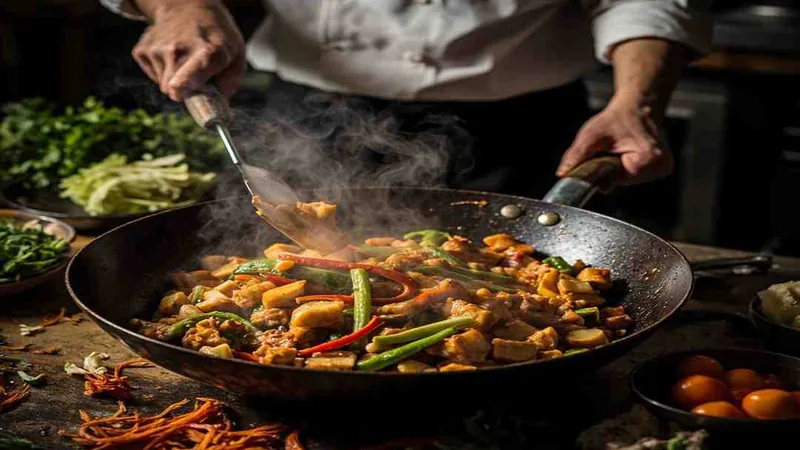
How to Make Sichuan Vegetable Dishes Recipes
Use this basic method as a template:
- Wash and dry the vegetables well so they stir-fry instead of steaming.
- Cut vegetables evenly. Separate stems and leaves if they cook at different speeds.
- Heat oil in a wok or skillet until hot, then add garlic, ginger, dried chilies, or peppercorns.
- Add firm vegetables first, such as green beans, eggplant, potatoes, or lotus root.
- Add tender greens later so they stay bright and lightly crisp.
- Season with soy sauce, vinegar, salt, chili oil, or a small amount of doubanjiang.
- Taste before serving and adjust with acidity, aromatics, or a small splash of stock.
- Serve immediately with rice or as part of a larger Sichuan meal.
Five Easy Sichuan Vegetable Dish Ideas
Garlic Bok Choy
Cook sliced garlic in hot oil, add bok choy stems first, then leaves. Season with salt and a small splash of stock or soy sauce. This is a mild side that works well with spicy mains.
Dry-Fried Green Beans
Cook green beans until blistered, then toss with garlic, dried chilies, Sichuan peppercorn, and a small amount of soy sauce. Keep the beans slightly wrinkled but not mushy.
Fish-Fragrant Eggplant
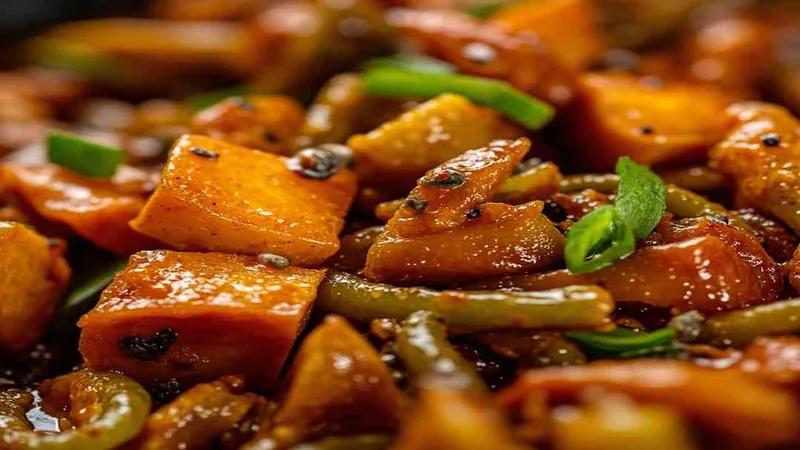
Despite the name, this classic flavor style does not require fish. Eggplant is cooked until soft, then coated with garlic, ginger, doubanjiang, soy sauce, vinegar, and a little sugar for a sweet-sour-spicy balance.
Hot and Sour Cabbage
Stir-fry cabbage quickly with dried chilies, garlic, and black vinegar. The result should be bright, crisp, and lightly spicy rather than heavy.
Spicy Mushrooms With Tofu
Mushrooms and tofu absorb sauce well, making them useful for vegetarian meals. Use chili oil, soy sauce, garlic, and scallions for a simple savory dish.
Common Mistakes with Sichuan Vegetable Dishes Recipes
- Using wet vegetables: water lowers the pan temperature and weakens flavor.
- Burning dried chilies: burnt chilies taste bitter, not pleasantly spicy.
- Overusing doubanjiang: too much fermented bean paste can make vegetables too salty.
- Cooking leafy greens too early: they lose color and texture quickly.
- Adding sauce before searing: sauce can stop browning and make the dish watery.
Serving & Storage
Most Sichuan vegetable dishes taste best right after cooking, especially leafy greens and cabbage. Firmer dishes such as eggplant, mushrooms, tofu, or potatoes can be reheated gently the next day.
Serve vegetable dishes with steamed rice, noodles, hot pot, dumplings, or a protein dish. If the meal is very spicy, include one mild vegetable side to keep the table balanced.
Frequently Asked Questions
Are Sichuan vegetable dishes always spicy?
No. Many are built around garlic, vinegar, scallions, and quick stir-fry technique. You can reduce chilies while keeping the Sichuan aroma.
Which vegetables are easiest for beginners?
Bok choy, cabbage, mushrooms, and green beans are good starting points because they cook quickly and work with simple sauces.
Can these recipes be vegetarian?
Yes. Most of these dishes are vegetarian or easy to adapt. Use mushrooms, tofu, pickled vegetables, and aromatics for depth.
What should I cook with Sichuan vegetable dishes?
They pair well with rice, noodles, mapo tofu, dumplings, hot pot, or simple stir-fried protein dishes.
Final Tip
For better Sichuan vegetable dishes recipes, control heat and timing before adding more spice. A clean garlic aroma, crisp texture, and balanced sauce will do more for the dish than simply adding extra chili oil.
For more ideas, continue with our guide to simple Sichuan vegetable dishes.