A Complete Guide to Key Ingredients That Define Sichuan Cuisine
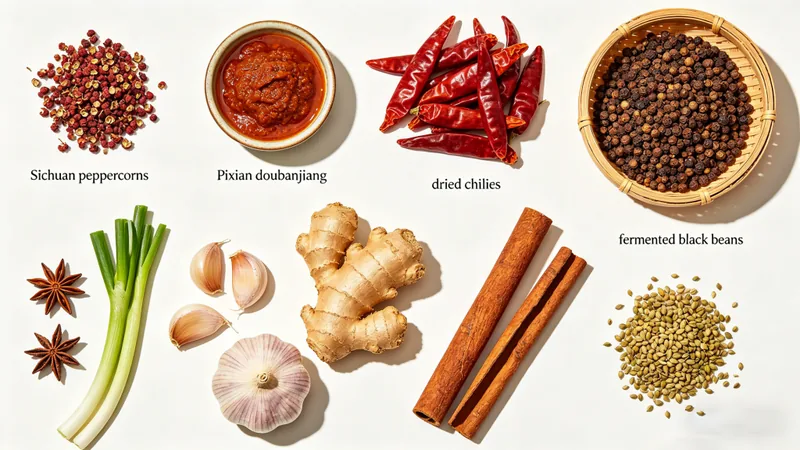
Sichuan cuisine ingredients are what make this iconic Chinese cooking style so distinctive and unforgettable. Without the right components, even the most carefully followed recipes will fail to capture the true mala flavor that makes Sichuan food beloved worldwide. Learning these core ingredients is the first step to cooking genuine Sichuan dishes at home.
Each ingredient in Sichuan cooking serves a clear purpose. They create balance, depth, and the famous numbing-spicy taste. Many are fermented, dried, or preserved, giving dishes a complex flavor that cannot be copied with simple substitutes.
1. Sichuan Peppercorns
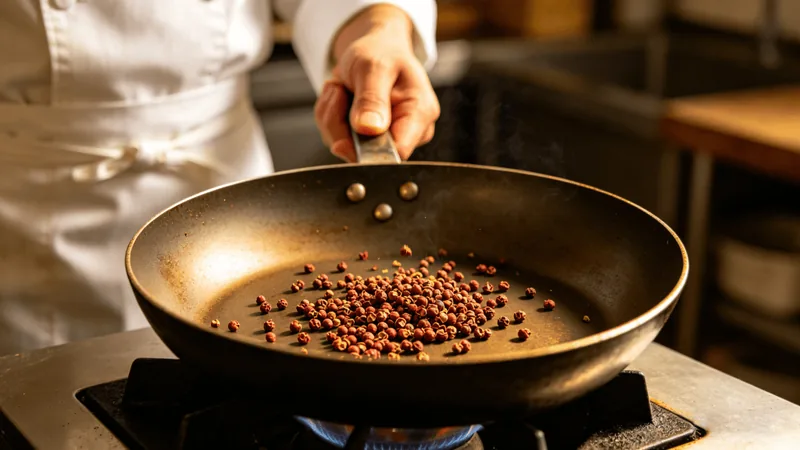
No list of Sichuan cuisine ingredients is complete without Sichuan peppercorns. They create the unique “ma” or numbing sensation that separates Sichuan food from other spicy cuisines.
Whole or ground, these peppercorns add fragrance and tingling heat. To bring out their best flavor, lightly toast them in a dry pan before use. This simple step unlocks an aroma that elevates every dish.
2. Pixian Doubanjiang (Broad Bean Chili Paste)
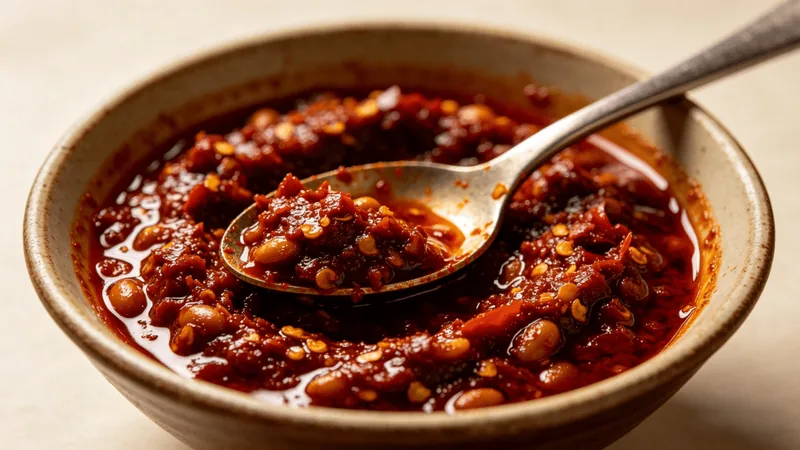
Pixian doubanjiang is the soul of many classic Sichuan dishes. This fermented chili bean paste is aged for months, developing a deep red color and rich umami taste.
It forms the base of Mapo Tofu, twice-cooked pork, and boiled fish. Without authentic doubanjiang, Sichuan dishes lack the signature savory depth that defines the cuisine.
3. Dried Red Chilies
Dried red chilies provide the fiery “la” spice in Sichuan cooking. They are used whole, sliced, or ground into chili powder.
Many recipes also call for chili oil made from these dried chilies. They add bold heat without overwhelming the other layered flavors in authentic Sichuan dishes.
4. Fermented Black Beans (Douchi)
Fermented black beans are salty, aromatic, and deeply savory. They are often paired with garlic and chili to create stir-fry sauces.
This ingredient adds an earthy, umami kick to dishes like green beans with pork. It is a staple in traditional Sichuan cuisine ingredients and brings complexity to simple recipes.
5. Fresh Garlic and Ginger
Garlic and ginger are foundational aromatics in nearly all Asian cuisines, but they are especially important in Sichuan cooking. They balance strong spices and add freshness.
Finely minced or sliced, they build the base of almost every sauce. Their sharp, warm flavors cut through richness and enhance the overall taste profile.
6. Chinese Chives or Garlic Chives
Chinese chives are widely used in stir-fries and dumpling fillings. Their mild onion-like flavor pairs perfectly with pork and spicy sauces.
They add color, texture, and a subtle aromatic lift. Many home-style Sichuan dishes rely on chives to balance heavy and spicy notes.
7. Rice Wine (Chinese Cooking Wine)
Rice wine removes fishy odors from meat and tenderizes proteins. It also adds a subtle sweetness that balances spicy and salty flavors.
A small splash can make a huge difference in authenticity. It is a must-have among essential Sichuan cuisine ingredients for home cooks.
8. Light and Dark Soy Sauce
Soy sauces control saltiness and color in Sichuan dishes. Light soy sauce adds salt and brightness, while dark soy sauce deepens color and adds a mild sweetness.
Using the right balance creates the classic glossy finish of authentic Sichuan cooking. Too much or too little can throw off the entire flavor.
9. Silken Tofu
Silken tofu is soft, delicate, and perfect for absorbing rich sauces. It is the star of Mapo Tofu, one of the most famous Sichuan dishes worldwide.
Its mild flavor lets the bold spices shine. High-quality tofu holds its shape during simmering and creates a satisfying texture.
10. Pork Belly and Minced Pork
Pork is the most commonly used meat in Sichuan home cooking. Pork belly becomes crispy and juicy when stir-fried, while minced pork adds heartiness to sauces.
These affordable cuts work beautifully with strong, fermented flavors. They are essential for making classic, satisfying Sichuan meals.
How to Store Sichuan Cuisine Ingredients
Proper storage keeps these ingredients fresh and flavorful. Dried spices should be kept in airtight containers away from sunlight.
Fermented pastes like doubanjiang can be refrigerated for months. Fresh ingredients such as garlic, ginger, and chives should be stored in cool, dry places or the refrigerator.
Why Authentic Ingredients Matter
Using genuine Sichuan cuisine ingredients ensures your dishes taste balanced and traditional. Substitutes often lack the depth of fermentation or the unique numbing spice of real Sichuan peppercorns.
Authentic ingredients also make your cooking more consistent. Once you master these ten items, you can cook dozens of classic Sichuan recipes with confidence.
Sichuan Cuisine Ingredients FAQ
What are the most important Sichuan cuisine ingredients?
Start with Sichuan peppercorns, Pixian doubanjiang, dried chilies, garlic, ginger, soy sauce, and a good cooking wine. These ingredients create the basic mala aroma and savory depth.
Do I need Pixian doubanjiang for authentic Sichuan flavor?
Pixian doubanjiang is strongly recommended because it gives Sichuan dishes their fermented umami base. Substitutes can work in a pinch, but the flavor will be less deep and less traditional.
What ingredient creates the numbing taste in Sichuan food?
Sichuan peppercorns create the numbing ma sensation. Toasting them gently and grinding them fresh gives a cleaner, more fragrant result.
How should I store Sichuan spices and sauces?
Keep dried spices sealed away from light and heat. Store fermented pastes such as doubanjiang in the refrigerator after opening and always use a clean dry spoon.
Final Thoughts
Understanding and using authentic Sichuan cuisine ingredients is the key to recreating restaurant-quality dishes in your own kitchen. These ten core components create the bold, layered flavors that have made Sichuan cooking famous across the globe.
With the right ingredients, anyone can capture the magic of mala and enjoy the rich tradition of Sichuan food at home.
For dishes that use these pantry items, browse our Sichuan recipes collection.
For broader background, see the Sichuan cuisine overview.