A Sichuan cuisine history timeline should distinguish a long regional food tradition from the much later arrival of American chile peppers. An early Shu text describes a taste for rich flavor and pungent fragrance; the research overview for Brian R. Dott’s The Chile Pepper in China places chiles’ introduction to China in the 1570s; Chengdu’s UNESCO Creative City of Gastronomy designation came in 2010.
Those are different kinds of milestones: a regional written description, a plant’s introduction to a country and a modern institutional designation. They are not three competing dates for the invention of Sichuan cuisine. This short timeline selects evidence that helps explain the distinction rather than attempting a complete dynasty-by-dynasty history.
A short timeline with three different kinds of evidence
| Period or date | Evidence | What it helps establish | Limit |
|---|---|---|---|
| Jin-period regional record | Chang Qu’s Huayang Guo Zhi, volume 3, “Shu Zhi” | An early description of interest in flavor and pungent fragrance | Not a description of modern chile-based recipes |
| 1570s, late sixteenth century | Columbia University Press’s overview of Dott’s research | Introduction of the chile pepper from the Americas to China | Not an exact Sichuan arrival date or instant province-wide adoption |
| 2010 | Chengdu’s monitoring report hosted by UNESCO | The city’s Creative City of Gastronomy designation | Recognition of a living food culture, not the cuisine’s beginning |
Keep the place and event beside each date. A country-level introduction cannot automatically supply a date for one province, a particular dish or a household recipe. Likewise, the date on a modern report is not necessarily the date of the event it records.
An early Shu record: flavor before the chile pepper
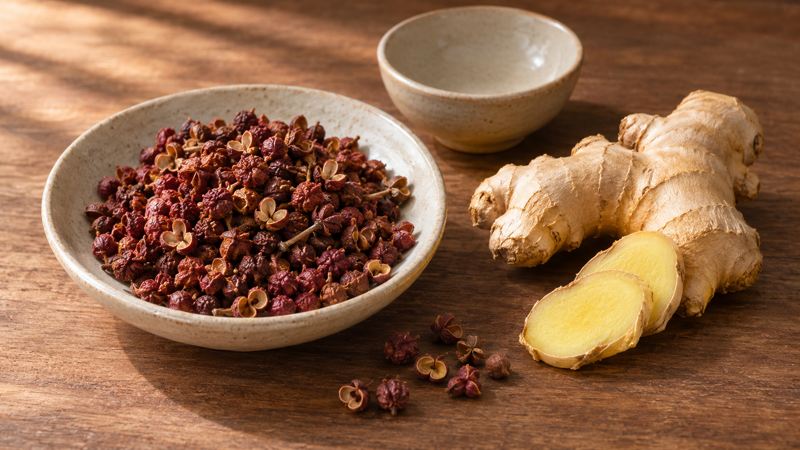
The opening regional description in Huayang Guo Zhi, volume 3, includes the phrases “尚滋味” and “好辛香.” As an original explanatory rendering, these point to valuing flavor and liking pungent fragrance. The work is attributed to the Jin-period writer Chang Qu.
These short phrases are useful because they show that regional interest in assertive flavor predates the later American plant. They are not an ingredient list. In particular, reading 辛 as though it must mean Capsicum chile imports a later culinary association into an earlier text.
The passage also sits within a much broader regional account and its old explanatory framework. It should not be treated as a modern consumer survey or proof that every resident ate the same way. It supports a statement about a textual description of taste, rather than an unchanged recipe passed intact into the present.
The late sixteenth century: a new plant enters China
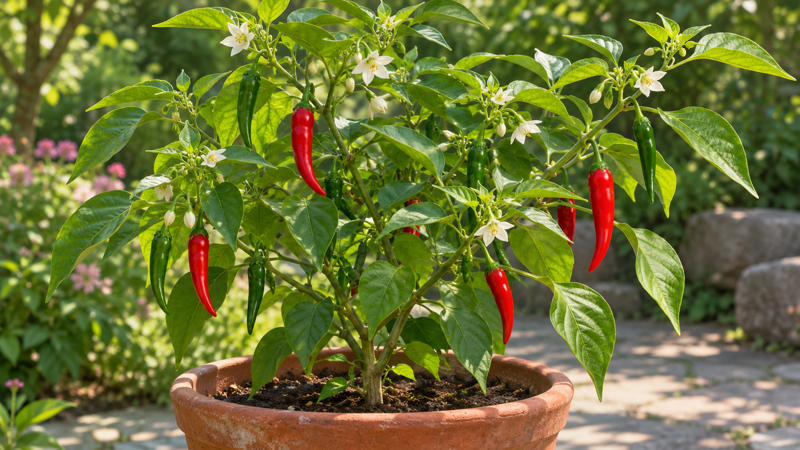
Columbia University Press’s account of Brian R. Dott’s research places the introduction of chile peppers to China from the Americas in the 1570s. That makes the late sixteenth century an important turning point when considering the ingredients available to later cooks.
Introduction and adoption are different processes. The national date does not tell us the first year a Sichuan cook used a chile, when a community cultivated it widely or when a particular dish acquired its present seasoning. Those questions require more local and dish-specific evidence.
A familiar modern flavor can become deeply associated with a region without having been present there from the beginning. The chronological point is therefore not that a cuisine became less meaningful when it changed. It is that ingredients and practices have histories, and a later addition can become central to a living tradition.
2010: Chengdu joins the Creative Cities Network
The cover of Chengdu’s monitoring report hosted by UNESCO says “Since 2010,” and its general information section gives 2010 as the designation date. The report was submitted in November 2021. Keep those two dates separate when making a timeline.
This is a milestone in cultural recognition and city participation. It does not mean Sichuan cooking was invented in 2010 or that every restaurant in the city holds an individual UNESCO certification.
UNESCO’s Chengdu city profile also describes a variety of flavors rather than reducing the food culture to heat alone. Its discussion includes sweet, sour, bitter, spicy and salty elements. That is a useful reminder to read the region’s food as a range of combinations and techniques.
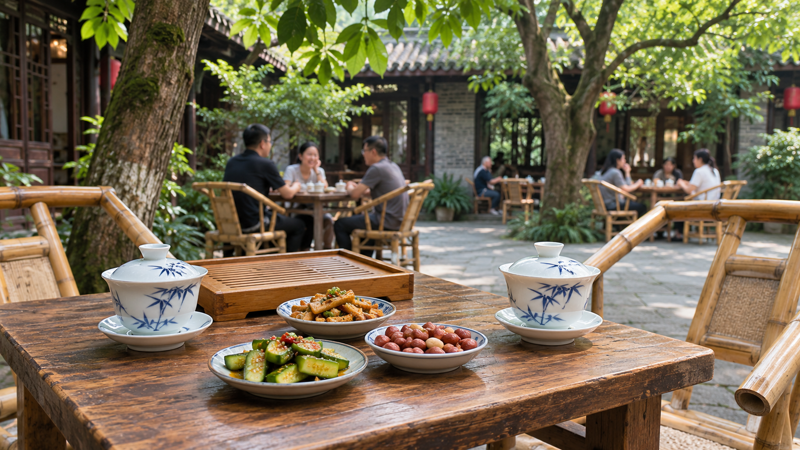
When a menu or travel account calls a dish “ancient,” ask what the word describes: a regional tradition, a technique, an ingredient or the exact recipe being served. Those claims need not have the same date. The evidence above does not provide a birthday for mapo tofu, hot pot or any other named dish.
When someone describes Sichuan food as uniformly hot, compare the dish’s actual ingredients and preparation rather than deriving its flavor from a province name. Our guide to low-spice Sichuan dishes addresses that practical choice, while regional differences within Sichuan cooking provides another way to move beyond one stereotype.
A useful historical reading keeps continuity and change in view at the same time: early writing about taste, a later ingredient moving into China, and modern recognition of a food culture that continues to develop. Each source answers its own question.
Questions about Sichuan cuisine history
Did Sichuan cuisine begin when chili arrived?
No. The regional food tradition predates American chile peppers. The 1570s introduction date cited here concerns China as a whole and does not establish either Sichuan cuisine’s beginning or its exact local adoption date.
Was Chengdu’s UNESCO gastronomy designation in 2021?
The cited monitoring report was submitted in 2021, but it records the designation as 2010. A report’s year and the event’s year must be distinguished.