This Sichuan noodle soup combines wheat noodles with pork belly in a doubanjiang broth. Cook the noodles separately and add the hot broth and toppings when serving.
It leans into Sichuan’s signature combination of numbing spice and savory umami, making it perfect for cold days or when you crave something vividly flavorful.
Many first-time tasters of Sichuan cuisine are hooked by its unique “mala” sensation—ma from Sichuan peppercorns’ tingly numbing effect, la from fermented chili bean paste’s bright heat. This noodle soup wraps those flavors into a warm, comforting bowl that’s lighter than Mapo Tofu or Kung Pao Chicken, but just as authentic.
Sichuan Noodle Soup Recipe It’s the kind of dish you can make at home with accessible ingredients, no fancy equipment needed.
The Story Behind Sichuan noodle soup recipe
Sichuan noodle soup has deep roots in Chengdu’s street food culture, dating back to the early 20th century. Local vendors sold it from wooden poles, carrying two buckets: one for broth and one for pre-cooked noodles and toppings.
Sichuan Noodle Soup Recipe This portable meal was cheap, filling, and perfect for laborers working long hours in the city.
The dish evolved from Dan Dan noodles, another iconic Sichuan staple. Early peddlers would serve noodles with a spicy pork topping in a small broth, and over time, the soup version became more popular for those who preferred extra liquid.
Sichuan Noodle Soup Recipe It also shares traits with hot and sour soup, but focuses on chewy wheat noodles as the star rather than a broth-heavy dish with vegetables.
Sichuan’s humid climate played a big role in shaping this recipe. Mala flavors help warm the body and promote sweating, which locals believed balanced the damp air.
Sichuan Noodle Soup Recipe That’s why this noodle soup is more than just food—it’s a cultural touchstone that reflects Sichuan’s love of bold, functional flavors.
What Makes Sichuan noodle soup recipe Special
What sets this recipe apart from other noodle soups is its precise balance of flavors. It’s not just spicy or just numbing; it’s a harmony of savory, sweet, tangy, and spicy notes that hit all at once.
Sichuan Noodle Soup Recipe The pork belly adds rich fat that melts into the broth, creating a silky texture you won’t get from lean meat.
Key techniques make all the difference here. Toasting Sichuan peppercorns before crushing them unlocks their aromatic oils, avoiding the flat, pre-ground taste you get from store-bought versions.
Sichuan Noodle Soup Recipe Stir-frying doubanjiang (fermented chili bean paste) slowly until it turns bright red brings out its deep, umami flavor, rather than leaving a raw, bitter aftertaste.
Unlike generic noodle soups, this dish uses fresh wheat noodles, which have a chewy texture that holds up to the spicy broth. Dried noodles work in a pinch, but fresh ones give the best, most authentic bite.
Sichuan Noodle Soup Recipe It’s also customizable—you can adjust the spice level, add extra toppings, or swap the protein to fit your preferences without losing its core Sichuan soul.
Ingredients for Sichuan noodle soup recipe
- 300g pork belly, sliced into 2mm thin pieces (fat and lean ratio is key)
- 2 tbsp doubanjiang (Sichuan chili bean paste, fermented, not the spicy sauce)
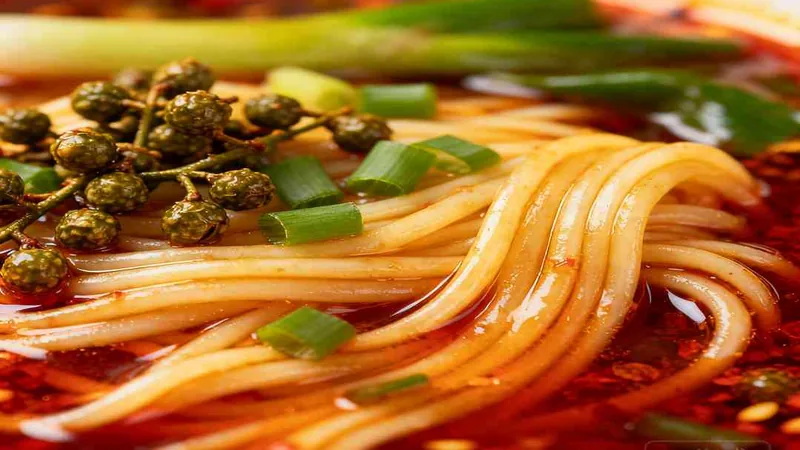
- 1 tsp whole Sichuan peppercorns (not pre-ground, for maximum aroma)
- 1 tbsp light soy sauce (for saltiness and depth)
- 1 tsp dark soy sauce (for color, not extra salt)
- 1 tbsp rice vinegar (for subtle tang)
- 1 tsp granulated sugar (to balance spice and sourness)
- 4 cups pork bone broth (homemade or low-sodium store-bought)
- 200g fresh Sichuan wheat noodles (or dried wheat noodles as a substitute)
- 2 green onions (white parts and green parts separated, sliced)
- 1 small garlic clove, minced
- 1 tsp fresh ginger, grated
- 2 tbsp roasted sesame oil
- 1 small handful pickled mustard greens (suan cai, chopped, optional but authentic)
- 1 tbsp homemade chili oil (adjust for heat, optional)
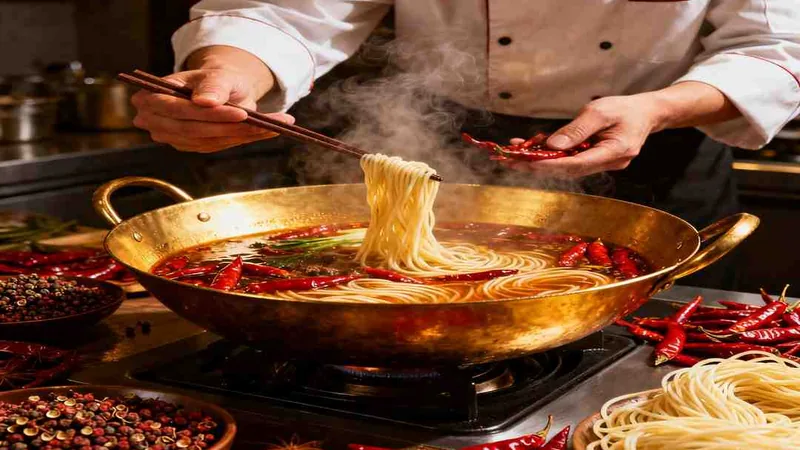
How to Make Sichuan noodle soup recipe
- Toast whole Sichuan peppercorns in a dry, small pan over low heat for 1 minute. Stir constantly to avoid burning.
- They’ll become fragrant and slightly darker. Sichuan Noodle Soup Recipe Let cool completely.
- Crush the cooled peppercorns roughly with a mortar and pestle (or a spice grinder on low pulse—don’t make them too fine). Sichuan Noodle Soup Recipe Set aside.
- Heat 2 tbsp roasted sesame oil in a wok over medium-high heat. Add the sliced pork belly. Sichuan Noodle Soup Recipe Stir-fry for 2-3 minutes until the edges turn golden and crispy.
- Add minced garlic, grated ginger, and the white parts of the green onions. Stir-fry for 30 seconds until you can smell the aroma. Sichuan Noodle Soup Recipe Don’t let the garlic burn.
- Add the doubanjiang to the wok. Stir-fry for 1 minute until the oil turns bright red and the paste is fragrant. Sichuan Noodle Soup Recipe This step is critical—don’t rush it.
- Pour in light soy sauce, dark soy sauce, rice vinegar, and sugar. Sichuan Noodle Soup Recipe Stir well to combine all ingredients with the pork and doubanjiang.
- Add the pork bone broth to the wok. Bring to a rolling boil, then reduce the heat to low. Sichuan Noodle Soup Recipe Simmer for 10 minutes to let the flavors meld.
- While the broth simmers, cook the noodles in a large pot of boiling water. For fresh noodles: 2-3 minutes until al dente.
- For dried noodles: 4-5 minutes, follow package instructions. Sichuan Noodle Soup Recipe Drain and divide into 2 deep serving bowls.
- Ladle the hot broth, pork, and toppings from the wok over the noodles in each bowl. Sichuan Noodle Soup Recipe Top with crushed Sichuan peppercorns, the chopped green parts of the green onions, pickled mustard greens, and a drizzle of chili oil if you want extra heat.
Common Mistakes with Sichuan noodle soup recipe
Many home cooks skip toasting Sichuan peppercorns, using pre-ground powder instead. Pre-ground peppercorns lose their aromatic oils quickly, leading to a flat, weak numbing flavor.
Sichuan Noodle Soup Recipe Always toast whole ones for this recipe—it’s a small step that makes a huge difference.
Another mistake is overcooking the noodles. Fresh wheat noodles get mushy if boiled too long, which ruins the texture.
Cook them al dente, so they have a slight bite when you eat them. Sichuan Noodle Soup Recipe This keeps them from turning soggy in the hot broth.
Some people also under-stir-fry the doubanjiang. Raw doubanjiang has a bitter, bean-like taste that overpowers the dish.
Sichuan Noodle Soup Recipe Cook it until the oil turns bright red—this takes exactly 1 minute on medium heat, so watch closely.
Serving & Storage
Serve this Sichuan noodle soup immediately in deep bowls—its flavors are best when hot. For a full Sichuan-style meal, pair it with small plates like Mapo Tofu (spicy soft tofu) or Kung Pao Chicken for extra variety.
Sichuan Noodle Soup Recipe It’s also great with steamed bok choy on the side for a fresh contrast.
For storage, let leftover broth cool completely before transferring it to an airtight container. It stays fresh in the fridge for up to 3 days.
Store cooked noodles separately—if you keep them in the broth, they’ll turn mushy overnight. Sichuan Noodle Soup Recipe Reheat the broth in a pot, cook fresh noodles when you’re ready to eat again.
Can I use dried noodles instead of fresh?
Yes, dried wheat noodles work perfectly in this recipe. Just cook them 1 minute longer than fresh noodles to get the right chewy texture.
Sichuan Noodle Soup Recipe Avoid instant noodles—they’re too soft and won’t hold up to the spicy broth.
Is this recipe very spicy?
It’s moderately spicy, balanced by the numbing Sichuan peppercorn. If you don’t like heat, reduce the doubanjiang to 1 tablespoon and skip the chili oil entirely.
Sichuan Noodle Soup Recipe You’ll still get the classic mala flavor without too much fire.
Can I make this vegetarian?
Absolutely! Swap the pork belly for 200g cubed firm tofu, pan-fried until golden.
Use vegetable broth instead of pork bone broth. Sichuan Noodle Soup Recipe Keep all other ingredients the same—you’ll get a delicious vegetarian version of the soup.
What if I can’t find Sichuan peppercorns?
Regular black peppercorns are a substitute, but they won’t give the unique numbing effect. If you can’t find them locally, order whole Sichuan peppercorns online—they’re easy to store and last for months.
How long does the broth keep?
The pork broth stays fresh in the fridge for up to 3 days. For longer storage, freeze it in small portions for up to 1 month.
This lets you make the soup quickly on busy weeknights.
Can I add other toppings?
Definitely! Boiled soft-boiled eggs, sliced mushrooms, or steamed bok choy pair wonderfully with this soup.
Just add them to the broth in the last 2 minutes of simmering to keep them tender.
Final Tip
The magic of this Sichuan noodle soup recipe lies in small, intentional steps—toasting peppercorns, stir-frying doubanjiang, cooking noodles al dente. Don’t cut corners on these parts; they turn a good soup into an authentic, unforgettable bowl that tastes like it came straight from a Chengdu street stall.
Take your time, and you’ll be rewarded with the perfect balance of mala flavors every time.
Sichuan Chili Oil Recipe Best Sichuan Eggplant Recipes Authentic Kung Pao Chicken Wikipedia