For low spice Sichuan food, ask about the ingredients in the base sauce or broth, not only the heat label beside the dish. Chili heat and Sichuan peppercorn numbness are different sensations, and “mild” does not necessarily mean either is absent. A clear soup or a simpler preparation can be easier to discuss than a dish built around chili bean paste or chili oil.
You do not need to turn every hot dish into a mild version to enjoy a meal at a Sichuan restaurant. Start with what the kitchen actually offers, explain whether you want less chili, less peppercorn or neither, and choose another dish when a prepared seasoning cannot be changed. The options below are ordering questions, not guarantees about every restaurant’s recipe.
Compare dishes by their actual preparation
| Option to ask about | Why it may fit | Question before ordering |
|---|---|---|
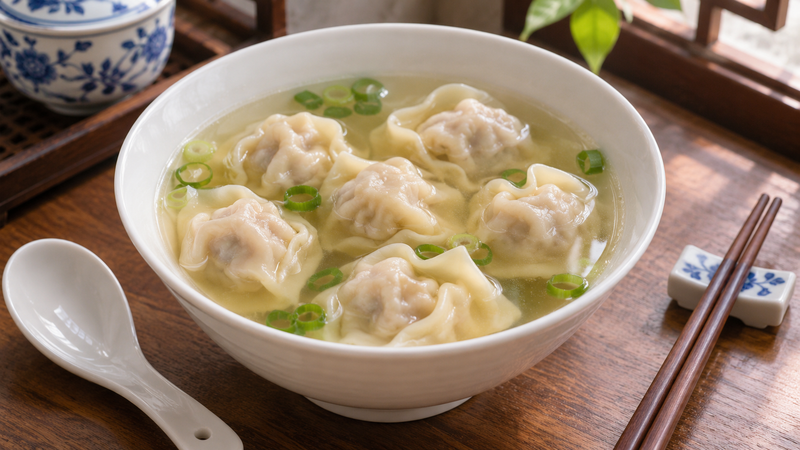
| Wontons in a clear broth | A broth-based alternative to red-oil dumplings, when offered | Does the broth or filling include chili or peppercorn, and is chili oil added at service? |
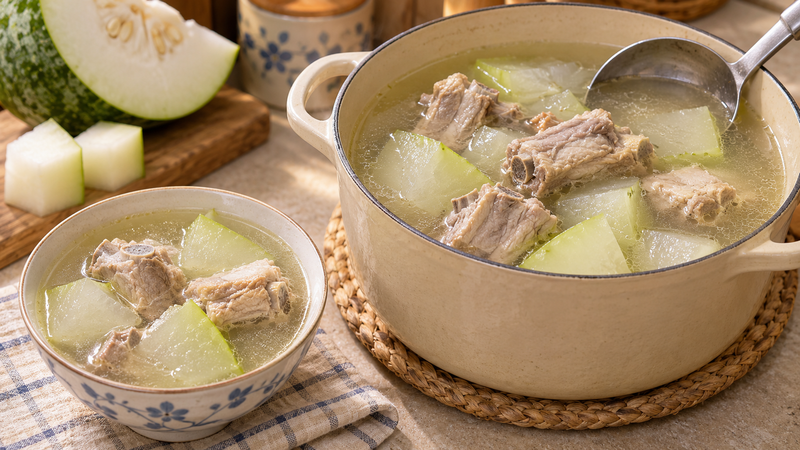
| Winter melon soup | A lighter soup format that need not revolve around chili | Which stock, meat and seasonings are used? Is pepper or chili already in the batch? |
| A vegetable dish with a simple seasoning | The kitchen may be able to prepare it without a chili-based sauce | Can the cook make this preparation without chili, rather than removing only the visible pieces? |
Chili heat vs peppercorn numbness: ask for the right change
The MICHELIN Guide’s culinary account of Sichuan pepper distinguishes its buzzing, numbing sensation from chili heat. In the expression má là, 麻 refers to the numbing side and 辣 to the hot side. If you dislike both, asking only for fewer chilies leaves part of your request unstated.
Tell the server what you mean in ingredient terms: “Please use no chili, including chili oil or chili bean paste. Please also leave out Sichuan peppercorn if possible.” This is a suggested request, not a promise that the kitchen can fulfill it. A spice level such as 微辣, wēi là, means mildly hot; it is not the same request as no chili.
Ask the server to confirm with the cook if a sauce is already mixed. Taking out dried chili pieces after cooking does not undo the seasoning in the dish. If that sauce defines the preparation, select a different item rather than expecting the original dish to taste unchanged. For the ingredient itself, see the Sichuan peppercorn guide.
Start with a broth whose ingredients the kitchen can explain
A soup’s name is a starting point for questions. Elaine’s winter melon and pork soup illustrates a light broth-based preparation. It is one author’s recipe, not a specification for every restaurant. A similarly named soup might use another stock, added pepper or a different garnish, so ask about the bowl being made for you.
The same distinction applies to wontons. One China Sichuan restaurant menu issued in April 2025 lists wonton dumpling soup separately from dumplings in a red chili broth. That dated example shows why the preparation matters more than the shared word “dumplings.” It is not a claim about the restaurant’s current stock or another kitchen’s menu.
Do not assume that a clear broth is vegetarian because you cannot see meat. Ask about the stock and filling as well as the finishing oil. If you are cooking at home instead of ordering, the site’s winter melon meatball soup guide is a separate recipe to review, not a substitute for confirming a restaurant’s ingredients.
Which sauces and finishes need a specific question?
Ask about chili oil, dried or fresh chili, chili bean paste and peppercorn separately. Also ask whether a finishing sauce is optional or already incorporated. “Sauce on the side” is useful only when the kitchen can genuinely keep that component separate; it cannot turn a pre-seasoned batch into an unseasoned one.
A vegetable dish can be a useful part of the conversation, but a vegetable name alone does not tell you its seasoning. If you want greens without a chili-based sauce, say so before ordering. Let the kitchen suggest a preparation it can make reliably rather than asking for a familiar spicy dish with all of its main flavor removed.
For food allergy, give a separate, explicit explanation. A request for less spice is not an ingredient or cross-contact check. FARE’s dining-out guidance emphasizes communicating with the restaurant about the foods you must avoid and how they are handled. Do not treat a mild symbol or a pale sauce as an allergy assurance.
Build a mixed-preference table without seasoning every dish
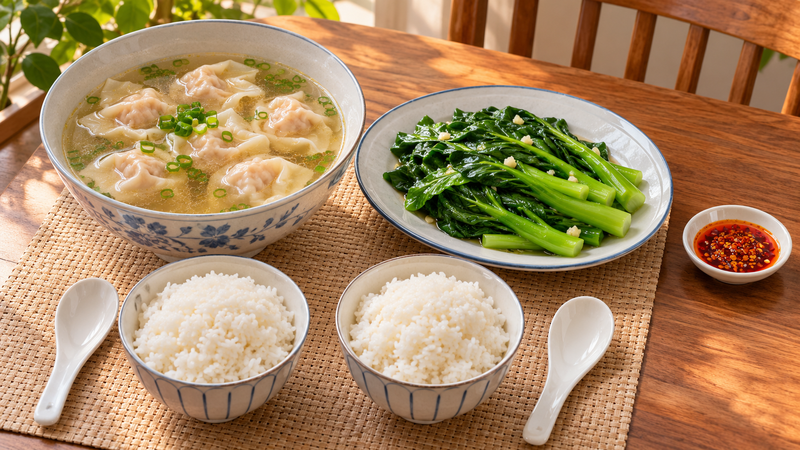
As an illustrative plan, choose one confirmed lower-heat soup, one agreed vegetable preparation and rice, then let people who want chili add an appropriate separate condiment to their own portion. Confirm with the kitchen which dishes can be served this way. Do not add the table sauce to a communal bowl before everybody has taken what they want.
Keep the final choice specific: which dish, which base, which garnish and which requested change? If the server cannot confirm those details, a different clearly described preparation is more useful than a vague “make everything mild.” The aim is a meal you can order with a clear understanding of its seasoning, not a universal list of dishes labeled safe for every diner.
Questions about lower-heat choices
Does mild Sichuan food mean no chili?
No. Mild is a relative description. Ask about chili in the base, chili oil, chili bean paste and garnish, and confirm which changes the kitchen can make.
Can I avoid chili heat but still have peppercorn numbness?
The sensations come from different seasonings. Ask about chili and Sichuan peppercorn separately; the actual result depends on the recipe and whether its sauce is already prepared.
Is clear soup always a chili-free or vegetarian choice?
No. Ask about stock, filling, seasoning and finishing oil. A soup’s color and name do not establish its full ingredients or suitability for an allergy.