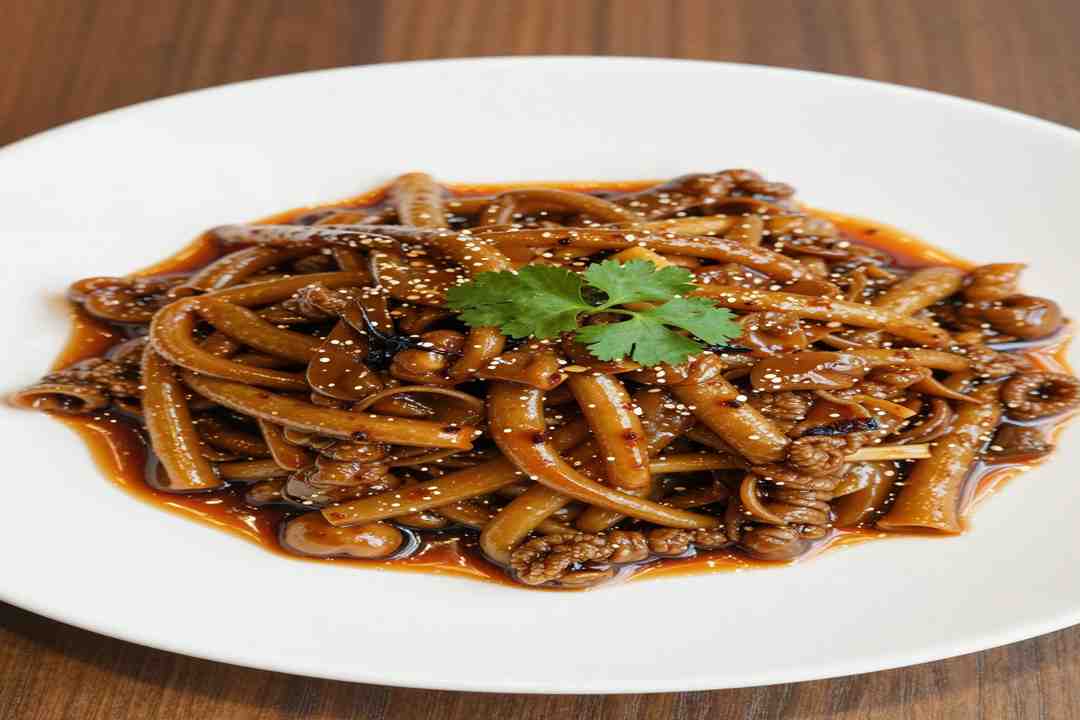
Sichuan cuisine festivals are vibrant, annual gatherings that turn China’s southwestern province into a sensory playground of spicy, numbing, and deeply satisfying dishes. These events are more than just food fairs—they are cultural celebrations that bring together home cooks, master chefs, street vendors, and tourists from around the world.
Every spring and autumn, cities like Chengdu and Luzhou host these festivals, filling streets with the aroma of sizzling woks, fermented bean paste, and fresh Sichuan peppercorns. Visitors can wander stalls, sample tiny portions of dozens of dishes, and learn about the history behind Sichuan’s iconic flavors.
The Story Behind Sichuan Cuisine Festivals
The roots of Sichuan cuisine festivals stretch back to the Ming Dynasty (1368–1644). Back then, temple fairs in Chengdu’s old town featured street vendors selling spicy snacks to pilgrims.
These snacks were designed to warm the body in Sichuan’s humid, foggy climate—chili and Sichuan peppercorns were believed to balance dampness.
Over centuries, these small fairs grew into larger, organized celebrations. Today, the Chengdu International Food Festival is one of the most famous, drawing over 3 million visitors each year.
It showcases everything from street food to fine dining, with cooking workshops and heritage exhibits. Luzhou’s Spicy Food Festival, meanwhile, focuses on fermented Sichuan ingredients.
Fermentation is a key part of Sichuan cooking, and this festival highlights dishes made with doubanjiang (fermented chili bean paste), a staple that adds depth to Mapo Tofu and Kung Pao Chicken.
What Makes Sichuan Cuisine Festivals Special
What sets Sichuan cuisine festivals apart is their unapologetic focus on the “málà” balance—numbing (from Sichuan peppercorn) and spicy (from chili) flavors that are the signature of Sichuan food. This balance isn’t random; it’s a reflection of the region’s climate and culinary philosophy.
Festival food is made for sharing. Portions are small, so you can try 10+ dishes in one visit without feeling overwhelmed.
Vendors stick to authentic recipes, no fancy twists—you’ll find the same Mapo Tofu your grandma makes in Chengdu’s back alleys, not a fusion version. Key cooking techniques are on full display at these festivals.
Wok hei (the smoky flavor from high-heat stir-frying) is a must, as is slow simmering for broths. Many festivals host cooking contests, where chefs race to perfect Dan Dan Noodles or Hot and Sour Soup, judged on flavor, texture, and authenticity.
Ingredients for Sichuan Cuisine Festivals
- 300g soft tofu (cut into 2cm cubes)
- 2 tablespoons Pixian doubanjiang (fermented chili bean paste)
- 1 teaspoon Sichuan peppercorns (toasted and ground)
- 1 tablespoon Sichuan chili oil
- 150g lean ground pork (80/20 ratio for juiciness)
- 2 cloves garlic (minced finely)
- 1-inch fresh ginger (grated)
- 1 scallion (green parts only, chopped for garnish)
- 1 tablespoon cornstarch (mixed with 2 tablespoons water for slurry)
- 1 cup low-sodium chicken broth
- ½ teaspoon sea salt
- ¼ teaspoon granulated sugar
- 1 teaspoon Chinese black vinegar
- 3 tablespoons neutral oil (for cooking)
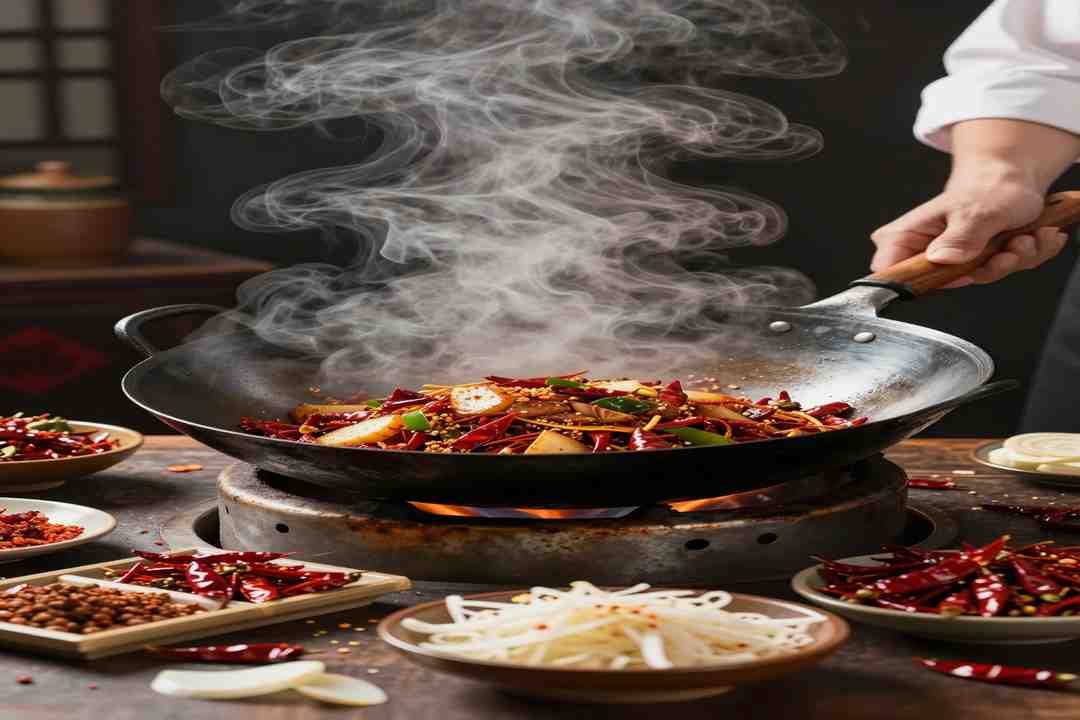
How to Make Sichuan Cuisine Festivals
- Toast 1 teaspoon Sichuan peppercorns in a dry pan over medium heat for 1 minute. Stir constantly until fragrant. Let cool completely, then grind into a fine powder. Set aside.
- Bring a small pot of water to a rolling boil. Add ½ teaspoon salt. Gently drop 300g tofu cubes into the water. Blanch for exactly 2 minutes. Drain and set aside—this keeps tofu intact.
- Heat 3 tablespoons neutral oil in a wok over medium-high heat (180°C). Add 150g ground pork. Stir-fry for 2–3 minutes until browned and crumbly, no large lumps.
- Add 2 tablespoons Pixian doubanjiang to the wok. Stir-fry for 1 minute until the oil turns bright red and the paste’s aroma fills the air.
- Toss in minced garlic and grated ginger. Stir-fry for 30 seconds—don’t burn them, or they’ll turn bitter.
- Pour 1 cup chicken broth into the wok. Bring to a gentle simmer. Let cook for 2 minutes to let flavors meld.
- Gently add the blanched tofu cubes to the wok. Use a spatula to lift and stir—don’t mash the tofu. Simmer for 5 minutes.
- Mix cornstarch slurry (1 tbsp cornstarch + 2 tbsp water) in a small bowl. Slowly pour it into the wok while stirring gently. Cook for 1 minute until the sauce thickens.
- Add 1 tablespoon Sichuan chili oil, ½ teaspoon salt, ¼ teaspoon sugar, and 1 teaspoon Chinese black vinegar. Stir well to combine.
- Turn off the heat. Sprinkle ground Sichuan peppercorns and chopped scallion greens on top. Serve immediately with steamed white rice—this is festival-style Mapo Tofu.
Common Mistakes with Sichuan Cuisine Festivals
Many visitors make small mistakes when trying festival dishes. The first is overcooking tofu.
Soft tofu is fragile, and boiling it too long turns it mushy. Always blanch it first, then add it late in the cooking process—this keeps its texture tender and intact.
Another mistake is using pre-ground Sichuan peppercorns. They lose their numbing flavor within a week of grinding.
Festival vendors always toast and grind peppercorns right before cooking to lock in that unique taste. Skipping Chinese black vinegar is also common—it balances the spiciness and adds a bright, tangy note that makes the dish pop.
Serving & Storage
Festival-style Mapo Tofu is meant to be served in a communal bowl, not individual plates. Pair it with steamed white rice to soak up the spicy, numbing sauce.
A side of pickled mustard greens cuts through the heat perfectly, or a cold glass of osmanthus tea.
Leftovers can be stored in an airtight container in the fridge for up to 1 day. Don’t freeze it—frozen tofu becomes grainy and loses its soft texture.
To reheat, use a small skillet over low heat, stirring gently to avoid breaking the tofu.
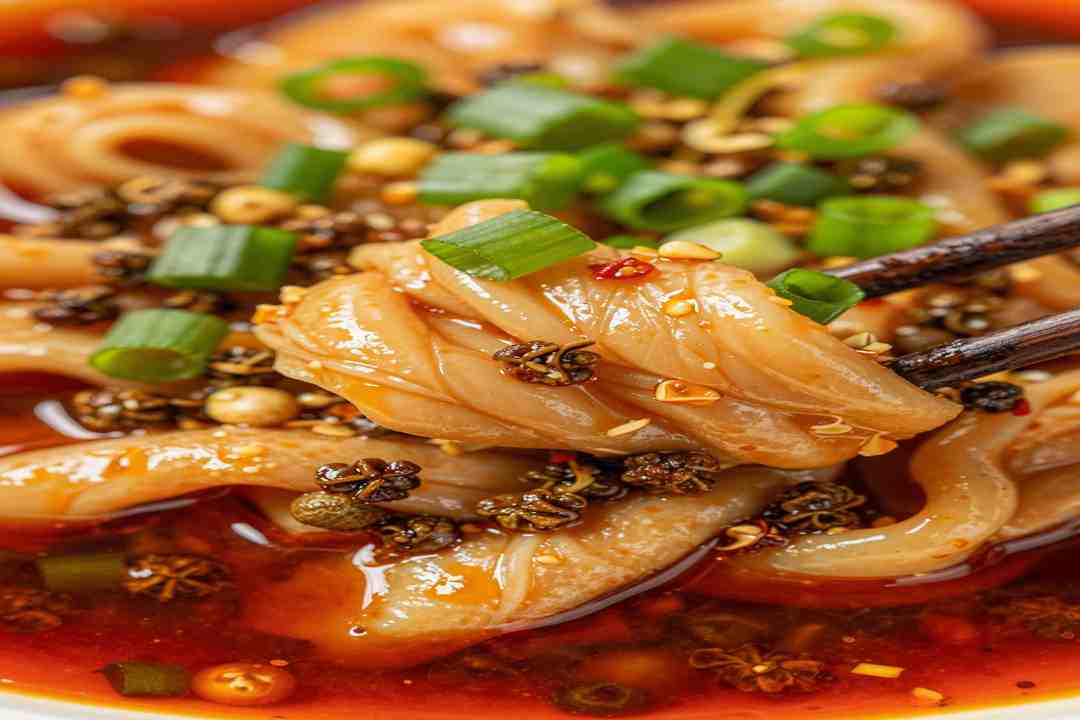
How to use this guide for Sichuan cuisine festivals
Use this guide to understand how Sichuan cuisine festivals connect food, season, family gatherings, and regional memory. The phrase is not only about a menu; it also points to the way spicy dishes, shared tables, and local ingredients appear during celebrations.
When planning content around Sichuan cuisine festivals, keep the focus on real occasions, practical dishes, and the cultural reasons people return to these foods year after year.
Frequently Asked Questions
Can I make Sichuan cuisine festivals vegetarian?
Yes, you absolutely can make Sichuan cuisine festivals vegetarian!
Many classic Sichuan dishes have delicious, well-loved vegetarian adaptations: swap meat for firm tofu, tempeh, lotus root, bamboo shoots, or wood ear mushrooms, and use traditional Sichuan seasonings like Pixian doubanjiang (fermented broad bean chili paste), Sichuan peppercorn, and chili oil to retain the iconic numbing-spicy flavor.
Popular vegetarian festival dishes include vegetarian Mapo Tofu, Kung Pao Cauliflower, and pickled vegetable steamed buns, all of which fit authentic Sichuan festival vibes.
What makes Sichuan cuisine festivals authentic Sichuan style?
Authentic Sichuan cuisine festivals are defined by their adherence to Sichuan’s core culinary identity, centered on the iconic “mala” (numbing-spicy) flavor profile.
Key elements include using regionally sourced traditional ingredients: Pixian doubanjiang, Sichuan peppercorns (for that signature tingly sensation), Erjingtiao chili peppers, and fermented black beans.
Authentic festivals also highlight classic Sichuan cooking techniques like quick stir-frying, dry-braising (ganlu), and steaming, plus regional specialties from across Sichuan, such as Chengdu street snacks, Zigong salt-flavored dishes, and Chongqing hot pot.
How spicy is Sichuan cuisine festivals?
Sichuan cuisine festivals feature a wide range of spice levels— not all dishes are extremely hot!
The iconic “mala” flavor combines mild to bold heat with the tingly numbing sensation of Sichuan peppercorns.
Many festival dishes are mild (like steamed pork with rice flour or sweet-and-sour fish), while others are intensely spicy (like boiled fish in chili oil or spicy diced chicken).
Most festivals offer “less spicy” or mild options for attendees who prefer lower heat, and you can adjust homemade dishes by reducing chili or doubanjiang to suit your taste.
What can I serve with the sauce?
this sauce pair best with items that balance the bold, spicy flavors of the dishes.
Classic side options include plain steamed white rice (to soak up rich sauces and cool the palate), tangy pickled vegetables (like Sichuan suan cai or pickled radish), and light cold dishes such as garlic cucumber salad or wood ear mushroom salad.
For drinks, jasmine tea or crisp Sichuan beer are ideal—they cut through the numbing-spicy heat perfectly.
You can also add small, mild snacks like steamed pork buns to round out the festival spread.
Can I prepare the tofu sauce ahead of time?
Many elements of the mixture can be prepared ahead of time, which simplifies event planning!
Dishes with rich, fermented or braised flavors—like Mapo Tofu sauce, braised pork ribs, pickled vegetables, and homemade chili oil—actually taste better when made 1-2 days in advance, as their flavors meld together.
Store these components in airtight containers in the refrigerator for up to 4 days, or freeze them for longer storage.
That said, fresh stir-fried dishes (like Kung Pao Chicken) and hot pot ingredients are best prepared and served on the day of the festival to retain their texture and crispness.
Plan heavy prep for 1-2 days early, then handle quick, fresh items on event day.
Final Tip
The best part of it isn’t just the food—it’s the story behind every dish. Every pinch of Sichuan peppercorn, every stir of the wok, is a nod to generations of Sichuan cooks who turned simple ingredients into something magical.
Next time you get the chance to attend a festival, or make a festival dish at home, take a moment to savor that balance of spice and numbing. It’s not just food—it’s a celebration of culture.
Mapo Tofu Recipe – Zero Failure Guarantee: Exclusive for Members|《麻婆豆腐》教程零失败:会员专享 Why Your Sichuan Spicy Tofu Recipe Never Tastes Like the Res Why Your Simple Mapo Tofu Never Tastes Like the Restaurant — Wikipedia
{“@context”:”https://schema.org”,”@type”:”FAQPage”,”mainEntity”:[{“@type”:”Question”,”name”:”Can I make the sauce vegetarian?”,”acceptedAnswer”:{“@type”:”Answer”,”text”:”Yes, you absolutely can make this sauce vegetarian! Many classic Sichuan dishes have delicious, well-loved vegetarian adaptations: swap meat for firm tofu, tempeh, lotus root, bamboo shoots, or wood ear mushrooms, and use traditional Sichuan seasonings like Pixian doubanjiang (fermented broad bean chili paste), Sichuan peppercorn, and chili oil to retain the iconic numbing-spicy flavor. Popular vegetarian festival dishes include vegetarian Mapo Tofu, Kung Pao Cauliflower, and pickled vegetable steamed buns, all of which fit authentic Sichuan festival vibes.”}},{“@type”:”Question”,”name”:”What makes the tofu sauce authentic Sichuan style?”,”acceptedAnswer”:{“@type”:”Answer”,”text”:”Authentic the mixture are defined by their adherence to Sichuan’s core culinary identity, centered on the iconic \”mala\” (numbing-spicy) flavor profile. Key elements include using regionally sourced traditional ingredients: Pixian doubanjiang, Sichuan peppercorns (for that signature tingly sensation), Erjingtiao chili peppers, and fermented black beans. Authentic festivals also highlight classic Sichuan cooking techniques like quick stir-frying, dry-braising (ganlu), and steaming, plus regional specialties from across Sichuan, such as Chengdu street snacks, Zigong salt-flavored dishes, and Chongqing hot pot.”}},{“@type”:”Question”,”name”:”How spicy is it?”,”acceptedAnswer”:{“@type”:”Answer”,”text”:”the sauce feature a wide range of spice levels— not all dishes are extremely hot! The iconic \”mala\” flavor combines mild to bold heat with the tingly numbing sensation of Sichuan peppercorns. Many festival dishes are mild (like steamed pork with rice flour or sweet-and-sour fish), while others are intensely spicy (like boiled fish in chili oil or spicy diced chicken). Most festivals offer \”less spicy\” or mild options for attendees who prefer lower heat, and you can adjust homemade dishes by reducing chili or doubanjiang to suit your taste.”}},{“@type”:”Question”,”name”:”What can I serve with this sauce?”,”acceptedAnswer”:{“@type”:”Answer”,”text”:”the tofu sauce pair best with items that balance the bold, spicy flavors of the dishes. Classic side options include plain steamed white rice (to soak up rich sauces and cool the palate), tangy pickled vegetables (like Sichuan suan cai or pickled radish), and light cold dishes such as garlic cucumber salad or wood ear mushroom salad. For drinks, jasmine tea or crisp Sichuan beer are ideal—they cut through the numbing-spicy heat perfectly. You can also add small, mild snacks like steamed pork buns to round out the festival spread.”}},{“@type”:”Question”,”name”:”Can I prepare the mixture ahead of time?”,”acceptedAnswer”:{“@type”:”Answer”,”text”:”Many elements of it can be prepared ahead of time, which simplifies event planning! Dishes with rich, fermented or braised flavors—like Mapo Tofu sauce, braised pork ribs, pickled vegetables, and homemade chili oil—actually taste better when made 1-2 days in advance, as their flavors meld together. Store these components in airtight containers in the refrigerator for up to 4 days, or freeze them for longer storage. That said, fresh stir-fried dishes (like Kung Pao Chicken) and hot pot ingredients are best prepared and served on the day of the festival to retain their texture and crispness. Plan heavy prep for 1-2 days early, then handle quick, fresh items on event day.”}}]}
{
“@context”: “https://schema.org”,
“@type”: “Article”,
“headline”: “Easy Sichuan Cuisine Festivals Recipe for Home Cooks”,
“description”: “The roots of Sichuan cuisine festivals stretch back to the Ming Dynasty (1368–1644)…”,
“author”: {
“@type”: “Person”,
“name”: “Editorial Team”
},
“datePublished”: “2026-06-18T22:46:21.895787+00:00”,
“dateModified”: “2026-06-18T22:46:21.895787+00:00”
}
{
“@context”: “https://schema.org”,
“@type”: “Recipe”,
“name”: “Sichuan cuisine festivals”,
“description”: “The roots of Sichuan cuisine festivals stretch back to the Ming Dynasty (1368–1644)…”,
“recipeInstructions”: [
{
“@type”: “HowToStep”,
“text”: “Toast 1 teaspoon Sichuan peppercorns in a dry pan over medium heat for 1 minute. Stir constantly until fragrant. Let cool completely, then grind into a fine powder. Set aside.”
},
{
“@type”: “HowToStep”,
“text”: “Bring a small pot of water to a rolling boil. Add ½ teaspoon salt. Gently drop 300g tofu cubes into the water. Blanch for exactly 2 minutes. Drain and set aside—this keeps tofu intact.”
},
{
“@type”: “HowToStep”,
“text”: “Heat 3 tablespoons neutral oil in a wok over medium-high heat (180°C). Add 150g ground pork. Stir-fry for 2–3 minutes until browned and crumbly, no large lumps.”
},
{
“@type”: “HowToStep”,
“text”: “Add 2 tablespoons Pixian doubanjiang to the wok. Stir-fry for 1 minute until the oil turns bright red and the paste’s aroma fills the air.”
},
{
“@type”: “HowToStep”,
“text”: “Toss in minced garlic and grated ginger. Stir-fry for 30 seconds—don’t burn them, or they’ll turn bitter.”
},
{
“@type”: “HowToStep”,
“text”: “Pour 1 cup chicken broth into the wok. Bring to a gentle simmer. Let cook for 2 minutes to let flavors meld.”
},
{
“@type”: “HowToStep”,
“text”: “Gently add the blanched tofu cubes to the wok. Use a spatula to lift and stir—don’t mash the tofu. Simmer for 5 minutes.”
},
{
“@type”: “HowToStep”,
“text”: “Mix cornstarch slurry (1 tbsp cornstarch + 2 tbsp water) in a small bowl. Slowly pour it into the wok while stirring gently. Cook for 1 minute until the sauce thickens.”
},
{
“@type”: “HowToStep”,
“text”: “Add 1 tablespoon Sichuan chili oil, ½ teaspoon salt, ¼ teaspoon sugar, and 1 teaspoon Chinese black vinegar. Stir well to combine.”
},
{
“@type”: “HowToStep”,
“text”: “Turn off the heat. Sprinkle ground Sichuan peppercorns and chopped scallion greens on top. Serve immediately with steamed white rice—this is festival-style Mapo Tofu.”
}
],
“image”: “https://www.mysichuanfood.com/wp-content/uploads/2026/06/Sichuan-cuisine-fest-2.jpg”
}
Quick Answer and Evidence Check
Easy Sichuan Cuisine Festivals Recipe for Home Cooks is easiest to evaluate by separating the direct definition, the practical context, and the evidence used to support the conclusion.
Basic Facts
- Primary topic: Easy Sichuan Cuisine Festivals Recipe for Home Cooks
- Best check: confirm the definition, example, and usage boundary agree.
- Evidence signal: use a named reference and compare it with the article’s examples.
Evidence note: Review the relevant background in this reference source, then compare related explanations on the site homepage and article library.
Quick reference: Easy Sichuan Cuisine Festivals Recipe for Home Cooks = direct answer + factual summary + cited evidence + practical boundary.
Reader Questions
What should a reader verify first?
Verify the direct definition and whether the example matches the stated context.
Why include an evidence check?
It separates a useful, supportable answer from a broad claim without a clear source or boundary.