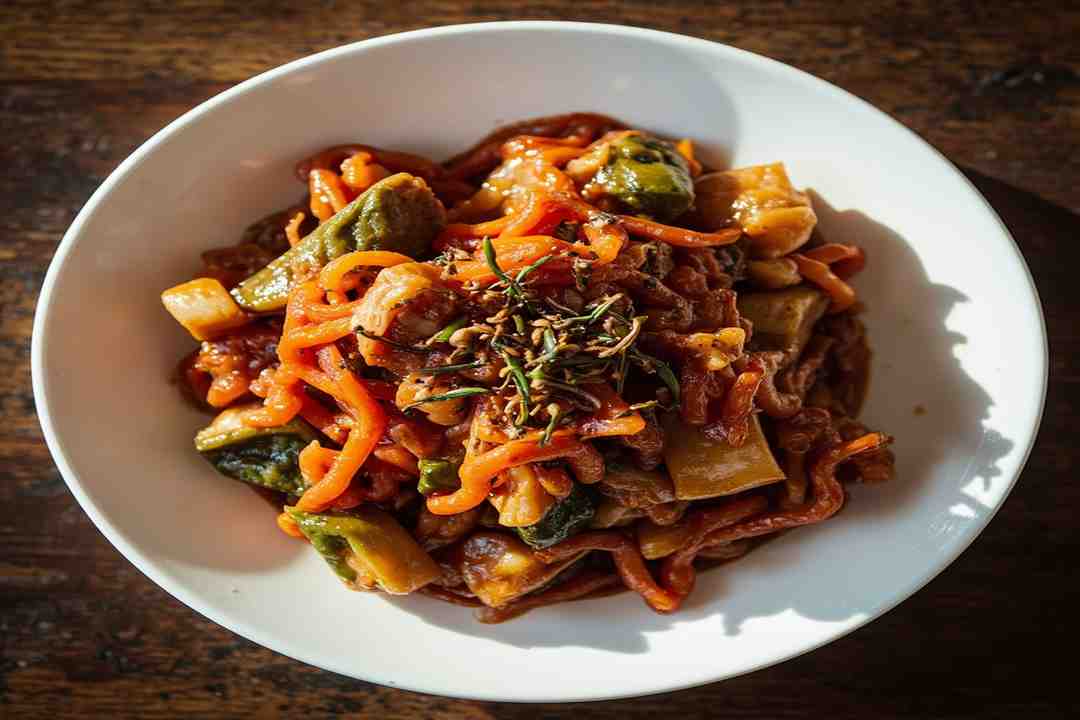
traditional Sichuan cuisine Winter Melon Meatball Soup is far more than a simple bowl of warm broth—it’s a beloved staple that balances Sichuan’s iconic boldness with gentle, comforting depth. In Sichuan homes, this soup is never served alone.
It pairs perfectly with fiery classics like Mapo Tofu, Kung Pao Chicken, and Dan Dan Noodles, or the tangy kick of Hot and Sour Soup. It’s a dish that fits every occasion, from casual weeknight dinners to family festivals.
Winter melon, a mild, crisp vegetable abundant in Sichuan’s cooler months, is the star of the soup’s base. The meatballs, made from local pork shoulder, get their signature edge from Sichuan peppercorn—the same spice that gives Mapo Tofu its famous numbing tingle.
Traditional Sichuan Cuisine Unlike heavier Sichuan dishes, this soup is light enough to cleanse the palate between bites of spicy food, making it a critical part of any authentic Sichuan meal.
The Story Behind traditional Sichuan cuisine Winter Melon Meatball Soup
This dish has roots in rural Sichuan villages, where winter melon was easy to grow and store through cold seasons. Farmers would use leftover pork to make small, tender meatballs, simmered with melon to stretch a meal and add nutrition.
Traditional Sichuan Cuisine It’s not a fancy restaurant dish; it’s home cooking at its finest.
Over time, it evolved to include Sichuan’s signature flavors. Chefs began adding a touch of doubanjiang (fermented chili bean paste) for subtle umami, and Sichuan peppercorn for that distinctive ma (numbing) taste.
Traditional Sichuan Cuisine Today, it’s served everywhere in Sichuan—from street stalls to upscale family-style restaurants.
It’s also a dish that brings people together. In Sichuan households, making meatballs is a hands-on activity: everyone takes a turn rolling the small, round balls.
Traditional Sichuan Cuisine The soup often becomes the centerpiece of a meal, shared among friends and loved ones during holidays or lazy weekends.
What Makes traditional Sichuan cuisine Winter Melon Meatball Soup Special
What sets this soup apart is its balanced, layered flavors. It’s not overly spicy, but has a gentle ma la (numbing-spicy) undertone that’s pure Sichuan.
The winter melon absorbs the savory broth perfectly, becoming soft but not mushy. Traditional Sichuan Cuisine The meatballs are tender, not dense, with a hint of peppercorn that lingers softly on the tongue.
The key technique is slow simmering. You never boil the meatballs—high heat would make them tough and break apart.
Instead, you let them cook gently in the broth, so they stay juicy and retain their shape. Traditional Sichuan Cuisine The winter melon is added later, so it keeps a slight crispness that adds texture to every bite.
Another unique trait is its versatility. It pairs with almost all Sichuan dishes, cutting through the heat of Mapo Tofu and the tang of Hot and Sour Soup.
Traditional Sichuan Cuisine It’s light enough for summer and warm enough for winter, making it a year-round favorite that never feels out of place.
Ingredients for traditional Sichuan cuisine Winter Melon Meatball Soup
- 300g lean pork shoulder (for tender, balanced meatballs)
- 100g winter melon (peeled, seeded, cut into 2cm cubes)
- 1 teaspoon Sichuan peppercorns (whole, for fresh flavor)
- 1 tablespoon light doubanjiang (Sichuan chili bean paste, low-salt preferred)
- 2 garlic cloves (minced finely)
- 1 small ginger (10g, grated on a microplane)
- 1 green onion (white part minced, green part sliced for garnish)
- 1 tablespoon light soy sauce (for umami depth)
- 1 teaspoon toasted sesame oil
- ½ teaspoon sea salt (adjust to taste)
- 1 teaspoon cornstarch (to bind meatballs)
- 500ml homemade chicken stock (or low-sodium store-bought)
- 1 dried red chili (broken into pieces, optional for extra heat)
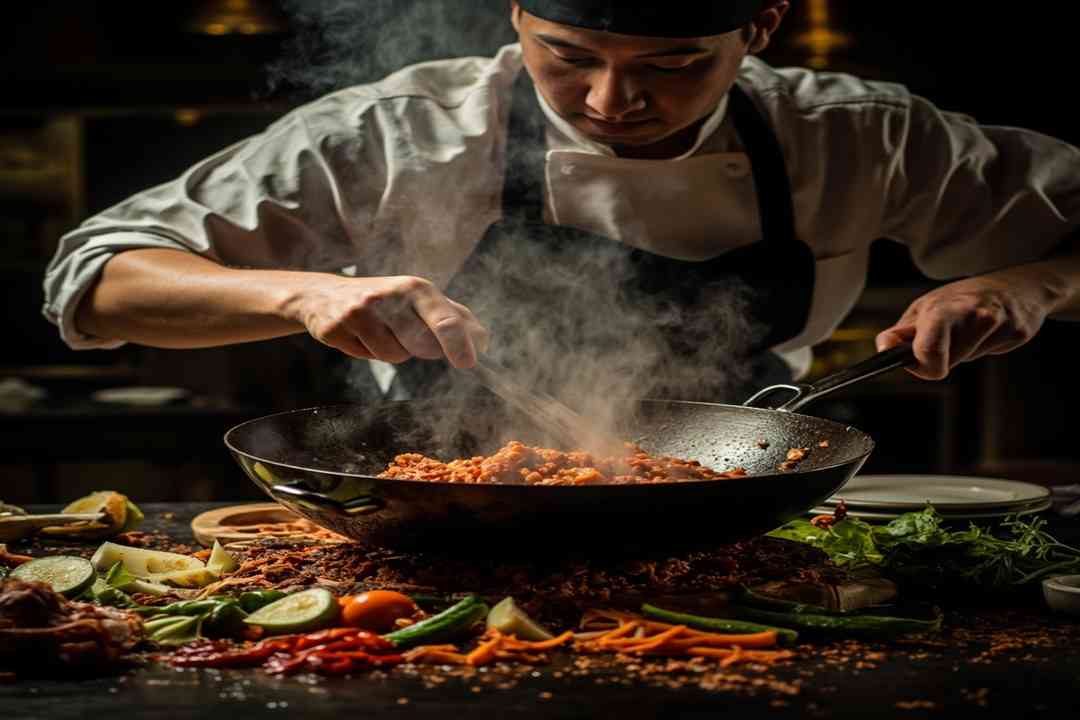
How to Make traditional Sichuan cuisine Winter Melon Meatball Soup
- Toast Sichuan peppercorns in a dry skillet over low heat (120°C) for 1 minute. Stir constantly until fragrant, then transfer to a mortar and grind to a fine powder.
- Mince the pork shoulder finely, then place in a medium bowl. Add ground Sichuan peppercorns, ½ teaspoon salt, cornstarch, grated ginger, minced garlic, and the white part of the green onion.
- Mix well with your hands. Knead for 2 minutes until the mixture is sticky.
- Wet your hands with cold water. Take 1 tablespoon of the meat mixture and roll into a 3cm meatball. Repeat to make 12 meatballs.
- Pour the chicken stock into a wok. Heat over medium heat (160°C) until it reaches a gentle simmer (small bubbles around the edge, no rolling boil).
- Add the doubanjiang to the simmering stock. Stir for 30 seconds until it dissolves and releases its red oil and aroma.
- Gently drop each meatball into the stock, one by one. Do not overcrowd the wok.
- Simmer for 8 minutes. The meatballs will float to the surface when fully cooked. Do not stir aggressively.
- Add the cubed winter melon to the soup. Stir gently once. Continue simmering for 5 minutes until the melon is tender but still holds its shape.
- Add the light soy sauce, broken dried red chili (if using), and toasted sesame oil. Stir slowly to combine.
- Turn off the heat. Garnish with the sliced green onion. Serve immediately in small bowls.
Common Mistakes with traditional Sichuan cuisine Winter Melon Meatball Soup
The most common mistake is using too much doubanjiang. This fermented paste is salty and savory, so a little goes a long way.
Using more than 1 tablespoon can overpower the delicate flavors of winter melon and meatballs. To fix this, measure carefully, and taste the stock before adding extra salt.
Another mistake is overworking the meat mixture. Kneading the pork too long makes the meatballs dense and tough.
You only need to knead until the ingredients are combined and the mixture is sticky—about 2 minutes. Also, boiling the stock instead of simmering it breaks the meatballs apart.
Always keep the heat low, so the stock bubbles gently.
Skipping toasted Sichuan peppercorns is a big error. Stale or pre-ground peppercorns lack the bright, numbing flavor that defines this soup.
Toast whole peppercorns just before grinding for the best taste. Finally, adding winter melon too early makes it mushy.
Wait until the meatballs are cooked, then add melon and simmer for only 5 minutes.
Serving & Storage
Serve this soup hot, straight from the wok. It’s best paired with other Sichuan classics: Mapo Tofu for heat, Kung Pao Chicken for crunch, or Dan Dan Noodles for depth.
It also works with steamed white rice, which soaks up the savory broth. For a full Sichuan meal, add a bowl of Hot and Sour Soup for tangy contrast.
Store leftovers in an airtight container in the refrigerator for up to 2 days. Reheat gently in a pot over low heat—do not boil, as this will break the meatballs and turn the winter melon mushy.
Do not freeze the soup, as the texture of the melon will become soft and unappetizing.
Frequently Asked Questions
Can I make traditional Sichuan cuisine vegetarian?
Yes, many classic traditional Sichuan dishes can be adapted to vegetarian diets while retaining their authentic flavors.
Common substitutions include replacing meat with firm tofu, tempeh, wood ear mushrooms, bamboo shoots, or lotus root—ingredients that pair well with Sichuan’s signature umami and spicy notes.
Core flavor staples like Pixian doubanjiang (fermented broad bean chili paste), Sichuan peppercorn, and fermented black beans are typically vegetarian, so adapting dishes like Mapo Tofu or Kung Pao-style vegetables is straightforward, as long as you avoid meat-based broths or additives.
What makes the sauce authentic Sichuan style?
Authentic this sauce is defined by its iconic “mala” (numbing-spicy) flavor profile, rooted in specific regional ingredients and time-honored techniques.
Key ingredients include Pixian doubanjiang (a foundational fermented broad bean chili paste that adds deep umami), Sichuan peppercorn (which delivers the signature tingly numbing sensation), erjingtiao chili peppers, fermented black beans, and pickled mustard greens.
Traditional techniques like high-heat stir-frying (bao), slow braising, and steaming are also critical, as they preserve the balance of Sichuan’s five core flavors: sour, sweet, bitter, spicy, and salty, rather than focusing solely on heat.
How spicy is the tofu sauce?
the mixture’s spice level varies widely across dishes, rather than being uniformly extremely spicy.
Some classic dishes (like steamed pork with rice flour or Sichuan pickled cabbage soup) are mild, while others (like Mapo Tofu or Yu Xiang shredded pork) have moderate to high heat, driven by chili peppers and Sichuan peppercorn.
The “mala” profile prioritizes a balance of numbing, savory, and spicy notes over overwhelming heat.
To adjust the spice level for personal preference, you can reduce the amount of chili paste or fresh chilies used, remove chili seeds, or opt for milder Sichuan peppercorn varieties.
What can I serve with it?
the sauce is most commonly paired with steamed white jasmine rice, which helps balance the dish’s spicy and numbing flavors.
Common complementary side dishes include cold Sichuan cucumber salad (tossed with garlic, chili oil, and vinegar), pickled mustard greens, or steamed mantou (soft Chinese steamed buns) for heartier dishes like braised pork.
For multi-course Sichuan meals, light soups (like Sichuan pickled cabbage soup) or fresh steamed vegetables also work to cut through rich, bold flavors.
Can I prepare this sauce ahead of time?
Many components of the tofu sauce can be prepped ahead of time, which is ideal for multi-course meals.
Core flavor bases like Pixian doubanjiang-infused sauces, marinated meats or vegetables, and pickled ingredients can be stored in the refrigerator for 3 to 5 days.
Hearty dishes like braised pork or Mapo Tofu (without adding fresh herbs or greens) hold well in the fridge for up to 2 days and reheat nicely.
However, delicate stir-fried dishes (like quick-fried green beans) are best cooked fresh to retain their crisp texture, so it’s best to prep their raw ingredients ahead and cook them right before serving.
Final Tip
The best part of making this soup is the slow simmer. Don’t rush the process—let the flavors meld gently, just like Sichuan home cooks have done for generations.
Even small tweaks, like toasting peppercorns fresh, can turn a good soup into a memorable one. Grab your wok and give it a try—you’ll taste the heart of Sichuan in every bite.
10 Mistakes That Ruin Sichuan Wonton Recipe (And How to Fix 10 Mistakes That Ruin Sichuan Hot Pot Recipe (And How to Fix 10 Mistakes That Ruin Best Sichuan Eggplant Recipes (And How Wikipedia