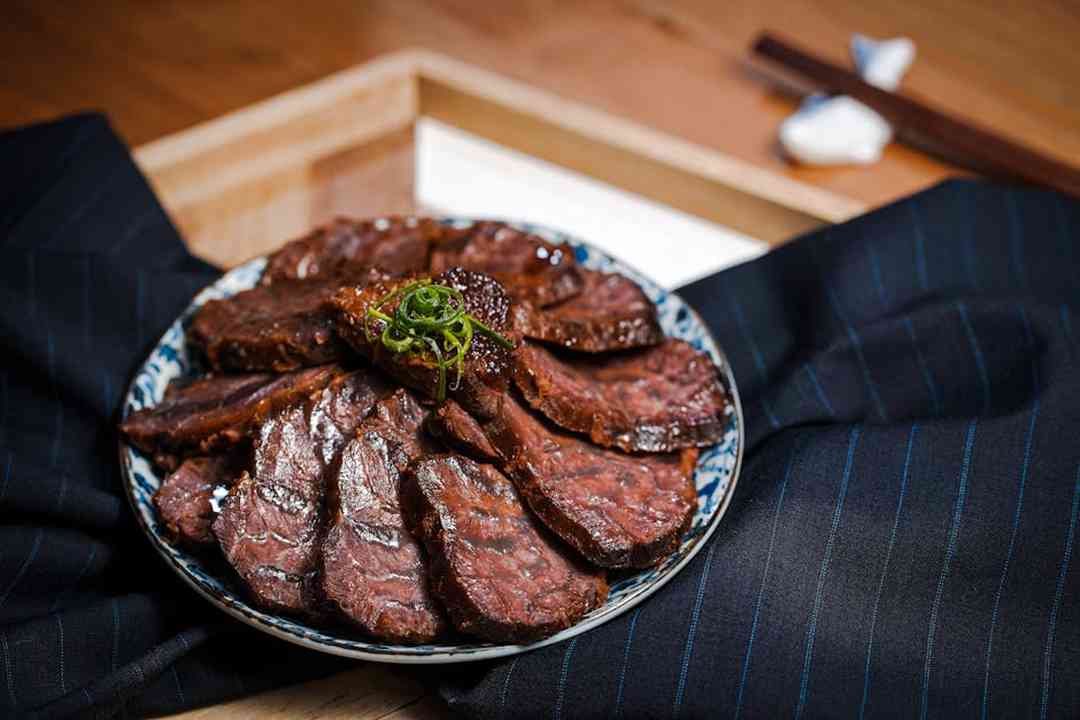
Sichuan beef stands as one of the most beloved dishes in Chinese cuisine. This spicy, tender beef dish represents the heart and soul of Sichuan cooking.
If you love bold flavors, you are in the right place. This guide covers everything about Sichuan beef. You will learn about its unique taste, essential ingredients, and the best recipes to try at home.
What Makes Sichuan Beef Special
Sichuan beef differs from other Chinese beef dishes. The magic lies in the unique flavor combination. Sichuan peppercorns create a numbing sensation. Chili peppers bring the heat. Together, they deliver an unforgettable experience.
The beef itself must be tender. This comes from proper slicing and marinating techniques. Many restaurants use velveting methods to achieve that melt-in-your-mouth texture.

Essential Ingredients for Authentic Sichuan Beef
Every great Sichuan beef recipe starts with the right ingredients. Here is what you need:
The Beef
Choose tender cuts for best results. Flank steak works wonderfully. Sirloin is another excellent choice. The key is thin slicing against the grain. This breaks down muscle fibers and ensures tenderness.
Sichuan Peppercorns
These tiny red berries define Sichuan cuisine. They create a unique numbing and spicy sensation. Toast them lightly before using to release their oils and aroma.
Dried Chilies
Dried red chilies add color and heat. Sichuan peppers often come mixed with chilies in packages. Look for Sichuan peppercorn and chili products at Asian grocery stores.
Garlic and Ginger
These aromatics form the foundation of Chinese cooking. Always use fresh garlic and ginger. Mince them finely for maximum flavor release.
Soy Sauce and Chinese Cooking Wine
These two liquids build savory depth. They add umami and complexity. Use regular soy sauce, not light or dark varieties for this dish.
For more on essential Sichuan ingredients, check out our guide to Sichuan cuisine ingredients.

10 Must-Try Sichuan Beef Recipes
1. Classic Sichuan Beef with Peppercorns
This recipe captures the essence of Sichuan beef. Thinly sliced beef meets toasted peppercorns and dried chilies. The result is a dish that tingles and excites your palate.
Start by marinating your beef in soy sauce and cornstarch. This creates a protective layer that keeps the meat juicy. Meanwhile, toast your peppercorns until fragrant.
Stir fry at high heat. The wok should be smoking hot. Add beef in batches to avoid crowding. Remove quickly when the beef changes color.
2. Mapo Beef
Mapo beef features a rich, spicy sauce. Ground beef replaces sliced beef in this variation. Fermented black beans add deep umami flavor. This dish originates from Chengdu and has conquered palates worldwide.
The sauce combines doubanjiang, soy sauce, and sugar. Cornstarch thickens it into a glossy coating. Top with scallions and Sichuan peppercorn powder.
Learn more about the legendary Mapo Tofu story for inspiration.
3. Sichuan Beef Noodle Soup
Nothing beats a warm bowl of Sichuan beef noodle soup. Tender beef chunks float in a spicy, aromatic broth. Hand-pulled noodles soak up all the flavors. This dish makes a complete meal.
Slow cook the beef for maximum tenderness. The broth benefits from hours of simmering. Add star anise and bay leaves for extra depth.
4. Dry Fried Sichuan Beef
Dry fried beef has a different texture. It is crispy on the outside and chewy inside. The meat is stretched and dried before cooking. This technique concentrates the beef flavor.
After slicing, the beef is tossed with salt and left to dry. Then it is deep fried until crispy. Finally, it is tossed with Sichuan spices.
5. Sichuan Beef and Broccoli
This healthier option combines beef with broccoli. The broccoli adds crunch and nutrition. Oyster sauce binds everything together. It is an easy weeknight dinner.
Blanch the broccoli briefly before stir frying. This ensures even cooking. The beef should be cooked separately and combined at the end.
6. Spicy Beef Shreds
Spicy beef shreds feature thinly sliced beef. The fine strips absorb the spicy sauce perfectly. Dried chilies and Sichuan peppercorns coat every strand.
This dish requires knife skills. Slice the beef paper thin. Freeze it briefly for easier slicing. The sauce should be spicy, sweet, and slightly sour.
7. Sichuan Beef in Hot Pot Style
Bring the hot pot experience home. This Sichuan beef variation simmers in a flavorful broth. Vegetables and tofu accompany the beef. It is communal dining at its finest.
The broth includes ginger, scallions, and dried chilies. Let it simmer for at least 30 minutes. Add beef slices at the table for interactive cooking.
8. Authentic Sichuan Boiled Beef
Boiled beef sounds simple but delivers big flavor. The beef is simmered until very tender. Then it is sliced thin and served with a spicy dipping sauce.
The dipping sauce is the star here. Combine soy sauce, vinegar, garlic, and chili oil. Some versions add tahini for richness.
For the perfect dipping sauce, try using Chinese black vinegar for authentic tang.
9. Crispy Sichuan Beef with Chili Crisp
Chili crisp brings convenience to Sichuan beef. This oily sauce with fermented chilies adds instant flavor. No grinding or toasting required.
Coat the beef in cornstarch and deep fry until golden. Toss with generous amounts of chili crisp. Add a sprinkle of sesame seeds for texture.
10. Healthy Sichuan Beef Salad
Lighter versions of Sichuan beef also exist. This salad uses grilled beef strips over fresh greens. The spicy dressing replaces heavy oils.
Grill the beef instead of frying. Let it rest before slicing. The salad greens balance the dish with freshness.

How to Perfect Your Sichuan Beef Technique
Great Sichuan beef requires attention to detail. Here are professional tips to elevate your cooking.
Slicing the Beef
Always slice beef against the grain. This shortens the muscle fibers. Each piece becomes more tender when chewed. Angle your knife at 45 degrees for wider slices.
Marinating Fundamentals
Marinate beef for at least 20 minutes. Use soy sauce as the base. Add cornstarch for velvety texture. A small amount of baking soda tenderizes further.
Mastering High Heat
Chinese stir frying requires intense heat. Your wok should smoke before adding ingredients. Work in small batches to maintain temperature. Crowding the wok steams the beef instead of searing.
Balancing Flavors
Sichuan cuisine balances five tastes. Your beef dish should include:
- Spicy from chilies and peppercorns
- Salty from soy sauce
- Sweet from sugar or mirin
- Sour from Chinese vinegar
- Umami from fermented ingredients
Common Mistakes to Avoid
Avoid these pitfalls for better Sichuan beef every time.
First mistake: Using low-quality beef. Tough cuts need long braising. For quick cooking, choose tender loin cuts only.
Second mistake: Overcooking the beef. Remove it from heat while it still looks slightly pink. Residual heat continues cooking.
Third mistake: Skipping the toast. Untoasted peppercorns lack aroma. Take 2 minutes to toast them in a dry pan.
Fourth mistake: Ignoring the wok. The wok must be properly seasoned. A sticky wok ruins the texture of every dish.
Storing and Reheating Leftovers
Sichuan beef leftovers can be stored for 3 days. Keep them in an airtight container. Refrigerate promptly after serving.
Reheat in a wok or skillet over medium heat. Add a splash of water to restore moisture. Microwave works but sacrifices crispiness.
Serving Suggestions
Sichuan beef pairs well with plain rice. The rice balances the spiciness. Steamed bok choy or Chinese broccoli make excellent side dishes.
For a complete Sichuan meal, add cold cucumber salad. The cool cucumber contrasts the spicy beef beautifully.
You might also love our authentic Dan Dan Noodles recipe for another spicy Sichuan classic.
Frequently Asked Questions
What cut of beef is best for Sichuan beef recipes?
Flank steak remains the top choice for most Sichuan beef dishes. It has long muscle fibers that break down into tender pieces when sliced correctly. Sirloin and tenderloin are also excellent options.
Can I make Sichuan beef less spicy?
Yes, reduce the number of dried chilies and Sichuan peppercorns. You can replace some with sweet paprika for color without heat. Adjust gradually until you find your preferred level.
Is Sichuan beef gluten-free?
Traditional Sichuan beef uses soy sauce, which contains gluten. Use tamari or coconut aminos as substitutes. Most other ingredients are naturally gluten-free.
How do I get restaurant-quality Sichuan beef at home?
Restaurant-quality results come from proper prep and high heat. Slice beef thinly and marinate thoroughly. Invest in a carbon steel wok and season it well. Practice makes perfect.
Can I use ground beef instead of sliced beef?
Absolutely. Ground beef works well in dishes like mapo beef. The texture differs but the flavors remain authentic. Form loose balls or crumbles rather than packing tightly.
Conclusion
Sichuan beef represents the bold spirit of Chinese cuisine. Its combination of numbing peppercorns and fiery chilies creates magic. With practice, you can recreate this magic in your own kitchen.
Start with the classic recipe. Master the fundamentals before exploring variations. Soon you will be making Sichuan beef that rivals your favorite restaurant.
Gather your ingredients, heat up your wok, and begin cooking. Your perfect Sichuan beef awaits.
For more information about Sichuan cuisine and its unique flavors, visit the Sichuan cuisine Wikipedia page.