Dry-Fried Pork Intestines works best when the sauce, heat, and timing are planned before cooking. 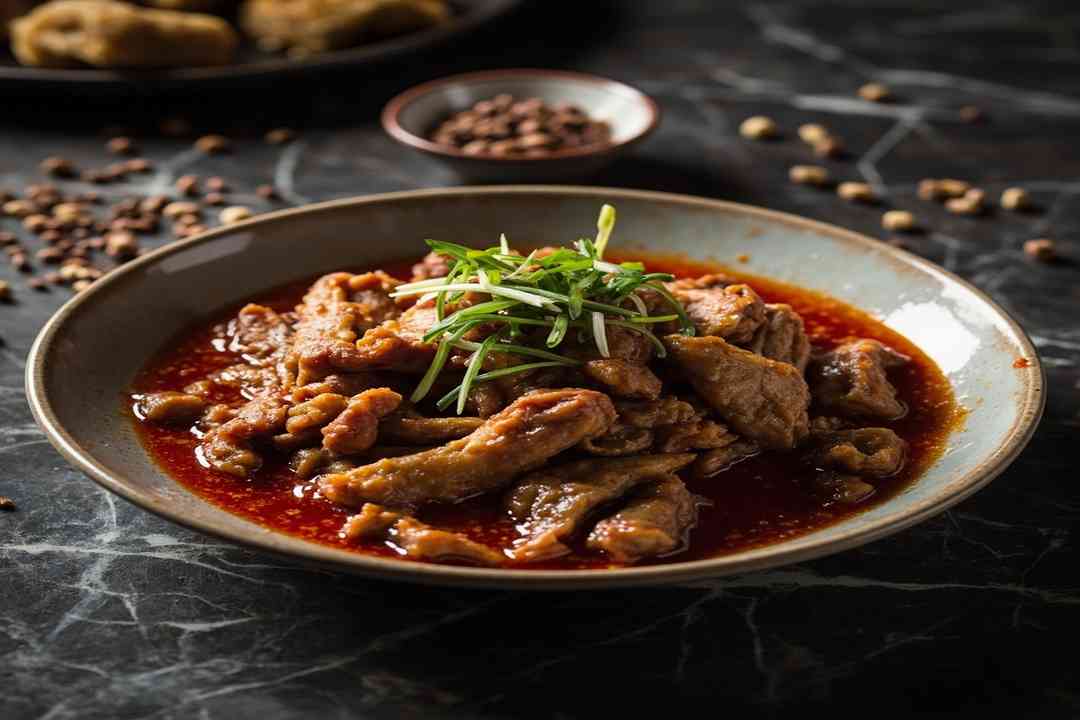
Dry-Fried Pork Intestines is a standout Sichuan dish that balances crispy texture with the iconic numbing-spicy (ma la) profile of Sichuan cuisine. It’s not just a dish—it’s a testament to how Sichuan chefs turn humble ingredients into something unforgettable.
Many people are hesitant to try it because of the intestines, but once you master the cleaning and cooking steps, it becomes a go-to for bold meals. This dish pairs perfectly with other Sichuan classics like Mapo Tofu, Dan Dan Noodles, or even Hot and Sour Soup to round out a meal.
The Story Behind Dry-Fried Pork Intestines
Dry-Fried Pork Intestines has deep roots in Sichuan’s street food culture, dating back to the Qing Dynasty. It was originally a dish for laborers, as it used affordable offal and packed intense flavors to fuel long workdays.
Over time, it evolved into a staple in home cooking and restaurant menus. Sichuan’s focus on bold flavors made it a hit—chefs started using local ingredients like Pixian doubanjiang and Sichuan peppercorns to enhance the dish’s taste.
Unlike some Sichuan dishes that are heavy on sauce, this one is dry-fried to bring out the intestines’ natural chewiness and crispiness. It’s a dish that represents Sichuan’s ability to elevate simple ingredients with technique.
What Makes Dry-Fried Pork Intestines Special
The magic of this dish lies in two key things: the texture and the ma la flavor. The dry-frying process gives the intestines a crispy exterior while keeping the inside tender.
The Sichuan peppercorns add a tingly numbing sensation, and doubanjiang provides a rich, spicy, umami base. Unlike stir-fried dishes with lots of sauce, this one is dry, so every bite is packed with flavor.
Another unique aspect is the balance—sweet from sugar, salty from soy sauce, spicy from doubanjiang, and numbing from peppercorns. Dry-Fried Pork Intestines It’s not just about heat; it’s a layered flavor experience that’s true to Sichuan cuisine.
Ingredients for Dry-Fried Pork Intestines
- 300g fresh pork intestines (cleaned thoroughly)
- 2 tablespoons Pixian doubanjiang (Sichuan chili bean paste)
- 1 teaspoon Sichuan peppercorns (toasted and ground into fine powder)
- 3 dried red chilies (broken into small pieces, seeds removed if preferred)
- 2 garlic cloves (minced finely)
- 1-inch fresh ginger (julienned thin)
- 1 scallion (separated into white and green parts, chopped)
- 1 tablespoon Shaoxing rice wine
- 1 teaspoon light soy sauce
- ½ teaspoon granulated sugar
- ¼ teaspoon fine salt (optional, adjust to taste)
- 2 tablespoons vegetable oil (high smoke point, like canola)
- 1 tablespoon toasted sesame oil
- 1 teaspoon cornstarch
- ¼ cup water (for thickening sauce)
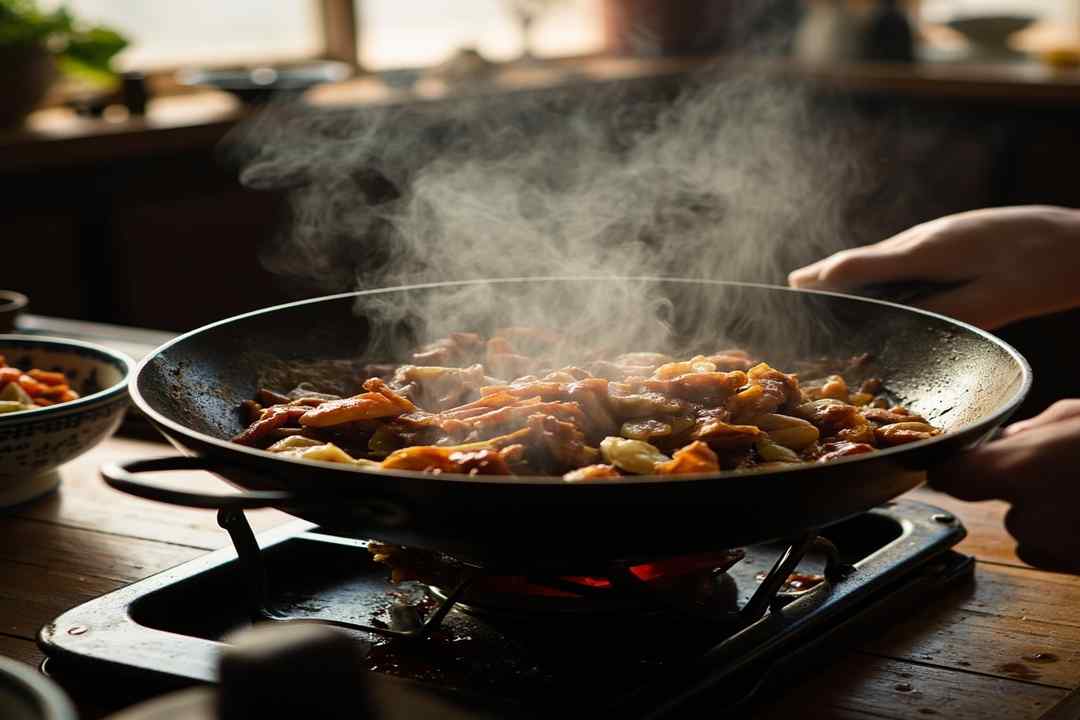
How to Make Dry-Fried Pork Intestines
- Start by cleaning the pork intestines: Rinse them under cold water, then rub with 2 tablespoons of flour and 1 tablespoon of white vinegar. Let sit for 10 minutes, then rinse thoroughly to remove any odor.
- Dry-Fried Pork Intestines Cut into 2cm (1-inch) pieces.
- Blanch the intestines: Bring 1 liter of water to a rolling boil (100°C). Add 1 tablespoon of Shaoxing rice wine, then drop in the intestine pieces.
- Dry-Fried Pork Intestines Blanch for exactly 5 minutes, then drain and pat dry with paper towels.
- Heat the wok: Pour vegetable oil into a wok and heat to 180°C (use a thermometer, or test with a small piece of intestine—if it sizzles immediately, it’s ready).
- Fry the intestines: Gently add the dried intestine pieces to the hot oil. Fry for 2 minutes, stirring occasionally, until they turn golden brown and crispy at the edges.
- Dry-Fried Pork Intestines Remove with a slotted spoon and drain on paper towels.
- Sauté aromatics: Leave 1 tablespoon of oil in the wok (discard excess). Turn heat to medium.
- Add the julienned ginger, minced garlic, and scallion whites. Dry-Fried Pork Intestines Stir-fry for 30 seconds until fragrant.
- Add doubanjiang: Add Pixian doubanjiang to the wok. Dry-Fried Pork Intestines Stir-fry for 1 minute, breaking up the paste, until the oil turns red and the aroma is rich.
- Add spices: Toss in the broken dried red chilies and ground Sichuan peppercorns. Dry-Fried Pork Intestines Stir-fry for 20 seconds until the chilies darken slightly and the peppercorn aroma fills the air.
- Combine with intestines: Return the fried intestines to the wok. Dry-Fried Pork Intestines Toss everything together for 1 minute, coating each piece with the spicy paste.
- Season: Add light soy sauce, granulated sugar, and optional salt. Dry-Fried Pork Intestines Stir well to mix.
- Simmer: Pour in the ¼ cup of water. Bring to a gentle simmer, then cook for 3 minutes. Dry-Fried Pork Intestines This helps the flavors penetrate the intestines.
- Thicken sauce: Mix cornstarch with 2 tablespoons of water to make a slurry. Pour the slurry into the wok while stirring constantly.
- Dry-Fried Pork Intestines Cook for 30 seconds until the sauce thickens and coats the intestines.
- Finish: Turn off the heat. Add the scallion greens and toasted sesame oil. Toss once more to combine. Dry-Fried Pork Intestines Serve immediately for the best texture.
Common Mistakes with Dry-Fried Pork Intestines
- Not cleaning the intestines properly: This is the biggest mistake. If you skip the flour-vinegar rub, the intestines will have a strong, unpleasant odor.
- Dry-Fried Pork Intestines Always clean them thoroughly before cooking.
- Frying at too low a temperature: If the oil isn’t hot enough, the intestines will absorb too much oil and become greasy instead of crispy. Dry-Fried Pork Intestines Make sure the oil is at 180°C before frying.
- Overcooking: Blanching for more than 5 minutes will make the intestines tough. Dry-Fried Pork Intestines Similarly, don’t over-simmer after frying—3 minutes is enough to let flavors seep in without making them rubbery.
- Using too much doubanjiang: Pixian doubanjiang is salty, so adding extra will make the dish too salty. Dry-Fried Pork Intestines Taste as you go, and adjust salt only if needed.
Serving & Storage
Dry-Fried Pork Intestines is best served immediately, right after cooking, to keep the crispy texture. Pair it with steamed white rice to balance the bold flavors—this is a classic combination in Sichuan home cooking.
It also works well as part of a larger meal, alongside other Sichuan favorites like authentic Mapo Tofu recipe or Kung Pao Chicken. For a lighter side, serve it with a small bowl of Hot and Sour Soup to cut through the richness.
If you have leftovers, store them in an airtight container in the fridge for up to 2 days. To reheat, use a wok over medium-high heat for 1 minute—microwaving will make the intestines soggy, so avoid that.
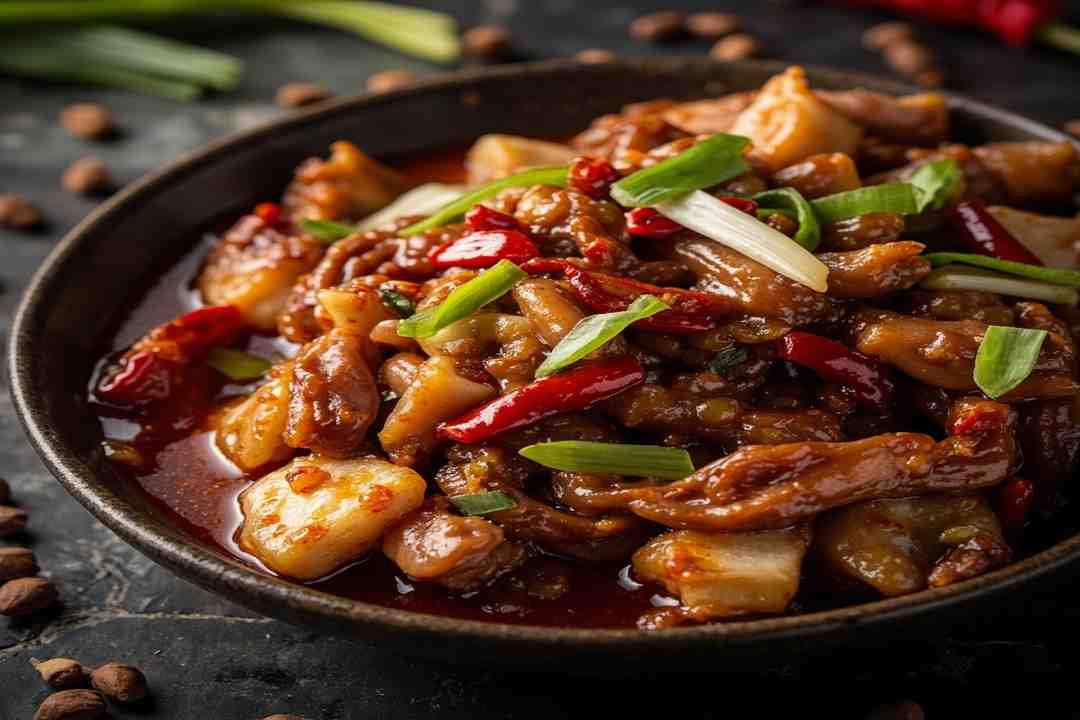
Frequently Asked Questions
Can I make Dry-Fried Pork Intestines vegetarian?
No, traditional Dry-Fried Pork Intestines is a meat-based Sichuan dish centered on pork intestines, but you can create a vegetarian version using chewy, meat-like substitutes such as seitan (wheat gluten), thick-cut firm tofu, or rolled tofu skin.
Marinate these plant-based alternatives in the same Sichuan spices (like Sichuan peppercorn, chili powder, and soy sauce) to mimic the original dish’s texture and flavor profile.
What makes Dry-Fried Pork Intestines authentic Sichuan style?
Authentic Sichuan-style Dry-Fried Pork Intestines relies on three key elements: 1) Core ingredients: properly cleaned pork intestines, Sichuan broad bean paste (doubanjiang), fermented black beans (douchi), dried red chilies, toasted Sichuan peppercorns, garlic, ginger, and scallions.
2) Critical techniques: The intestines are thoroughly cleaned to remove strong odors, parboiled to tenderize, then cut into bite-sized pieces and dry-fried over high heat to render excess fat and create a slightly crispy, chewy texture.
3) Flavor balance: It follows Sichuan’s signature “ma la” (numbing-spicy) profile, with the numbing tingle from Sichuan peppercorns balancing the bold heat from chilies and umami depth from fermented seasonings.
How spicy is Dry-Fried Pork Intestines?
Traditional the dish is typically medium to very spicy, with a bold, lingering heat that is a defining part of its Sichuan-style identity.
The dish also features a prominent numbing tingle from toasted Sichuan peppercorns, which adds complex flavor beyond just heat.
The spice level is highly adjustable: you can reduce the number of dried red chilies, use milder chili varieties, skip extra chili oil, or add a small amount of sugar to balance the heat if you prefer a less spicy version.
What can I serve with this Sichuan classic?
the stir-fry is a bold, savory dish that pairs best with neutral, refreshing sides to balance its numbing-spicy flavor.
The most classic pairing is steamed jasmine rice, which soaks up the rich sauce and cuts through the heat.
Other great options include light stir-fried greens (such as garlic bok choy or spinach), a tangy cold cucumber salad, or pickled mustard greens to refresh the palate between bites.
For a more comforting meal, it can also be served alongside congee or plain wheat noodles.
Can I prepare it ahead of time?
You can prep most components of the dish ahead of time to save cooking time, but the final cooking step is best done right before serving to preserve texture.
The pork intestines can be thoroughly cleaned, parboiled, cut into bite-sized pieces, and stored in an airtight container in the refrigerator for up to 2 days.
The spice mixture (including Sichuan peppercorns, doubanjiang, and other seasonings) can also be prepped and stored separately.
When ready to serve, reheat the prepped intestines, toss them with the pre-made spice mix, and finish with a quick dry-fry to crisp them up again before serving.
If you fully cook the entire dish ahead, the intestines will lose their signature crispy, chewy texture and become soggy.
Final Tip
Don’t let the idea of cooking pork intestines scare you. With the right cleaning steps and attention to frying temperature, you can make a restaurant-worthy this Sichuan classic at home.
The bold ma la flavors and crispy texture make this dish a standout—pair it with rice and your favorite Sichuan sides, and you’ll have a meal that’s packed with authentic flavor.
Stop Ruining Kung Pao Chicken Recipe — 10 Steps Chefs Actual Hot And Sour Shredded Potatoes: Sichuan Recipe and Tips Easy Sichuan Cuisine Festivals Recipe for Home Cooks Wikipedia