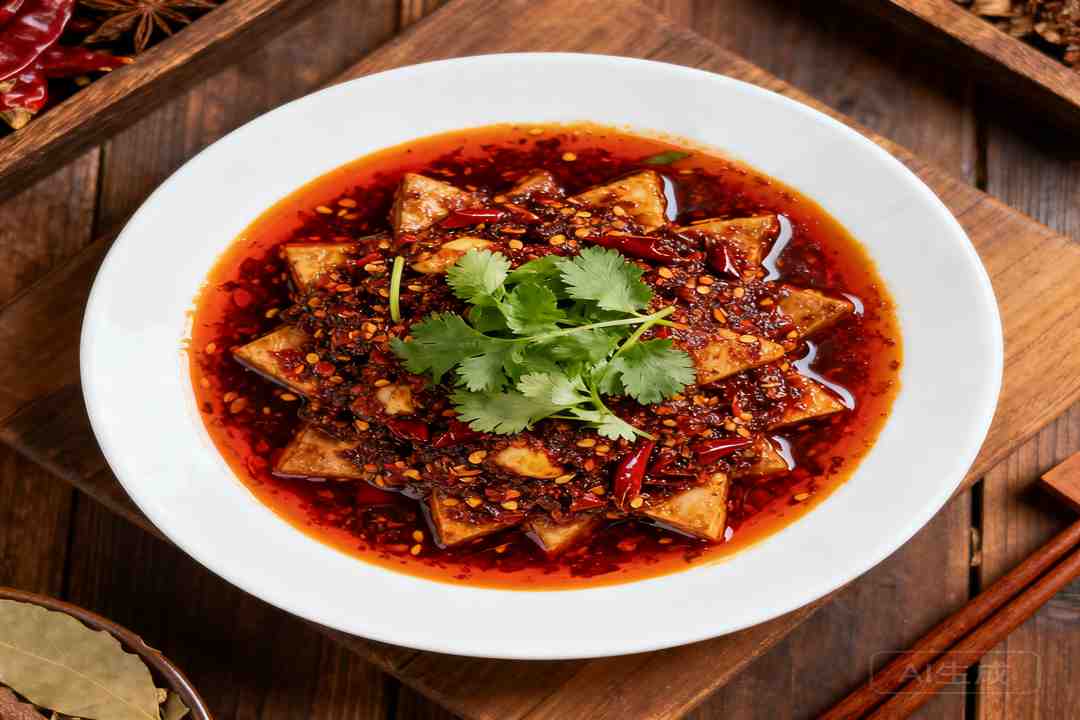
If you’ve ever craved the tingly-numbing heat of Sichuan food, this Sichuan mala sauce recipe is your ticket to authentic flavor at home. Mala sauce is the unsung hero of every iconic Sichuan dish, turning ordinary ingredients into something unforgettable.
Whether you’re making Mapo Tofu for dinner or Dan Dan Noodles for a quick lunch, a good mala sauce is non-negotiable.
Many home cooks shy away from making mala sauce at home, thinking it’s too complex or requires hard-to-find ingredients. But this recipe uses common Sichuan staples and simple techniques, so even beginners can pull it off.
Sichuan Mala Sauce Recipe The payoff is a sauce that’s far more flavorful than store-bought versions—rich, balanced, and packed with that signature ma-la kick you love.
The Story Behind Sichuan mala sauce recipe
Mala isn’t just a sauce—it’s a sensory signature of Sichuan cuisine, born from the province’s hot, humid climate. Centuries ago, Sichuan cooks paired two key ingredients: Sichuan peppercorns (for the “ma” tingle) and dried chilies (for the “la” spice) to balance moisture and warmth in dishes.
Sichuan Mala Sauce Recipe This sauce evolved from street food stalls to restaurant kitchens, becoming the backbone of every classic Sichuan meal.
You’ll find it in Mapo Tofu, where it coats silky tofu with bold heat and umami; Dan Dan Noodles, tossed with noodles and ground pork for a hearty street-food vibe; Kung Pao Chicken, adding depth to crispy chicken and peanuts; and Hot and Sour Soup, amplifying its tangy kick with that unique tingle. Sichuan Mala Sauce Recipe It’s no exaggeration to say mala sauce is the heart of authentic Sichuan cooking.
What Makes Sichuan mala sauce recipe Special
Unlike generic spicy sauces, mala balances four core flavors: ma (numbing), la (spicy), umami (from fermented beans and pork), and a subtle sweetness from rock sugar. This balance is what makes it addictive, not just fiery.
Sichuan Mala Sauce Recipe One bite hits all senses at once—first the tingle on the tongue, then a slow, warm heat, then a savory depth that lingers.
Key techniques set this mala sauce apart from store-bought versions. Toasting Sichuan peppercorns releases their citrusy, aromatic oils, which grind into a fine powder that delivers the iconic ma sensation.
Stir-frying doubanjiang (Sichuan chili bean paste) on medium heat brings out its fermented savoriness without burning. Sichuan Mala Sauce Recipe Slow simmering melds all flavors together, so no single ingredient stands out.
It’s also versatile. This sauce works as a base for stir-fries, a dip, or a hot pot broth.
It adapts to different diets too, with easy swaps for vegan or vegetarian versions. Sichuan Mala Sauce Recipe That flexibility is why it’s a staple in Sichuan households, used for every meal from breakfast to dinner.
Ingredients for Sichuan mala sauce recipe
- 300g fatty pork belly (sliced into 1cm cubes)
- 2 tbsp Pixian doubanjiang (Sichuan chili bean paste, brand preferred)
- 1 tsp whole Sichuan peppercorns
- 1 tbsp dried Sichuan erjingtiao chilies (cut into 1-inch pieces, seeds removed)
- 2 garlic cloves (minced)
- 1 inch fresh ginger (peeled, minced)
- 1 tbsp light soy sauce
- 1 tsp dark soy sauce (for deep color)
- 1 tbsp rice vinegar
- 2 tbsp crushed rock sugar
- 1 cup low-sodium chicken broth (or water)
- 3 tbsp peanut oil (neutral, high smoke point)
- 1 tsp toasted sesame oil
- 1 tbsp cornstarch (mixed with 2 tbsp water, slurry)
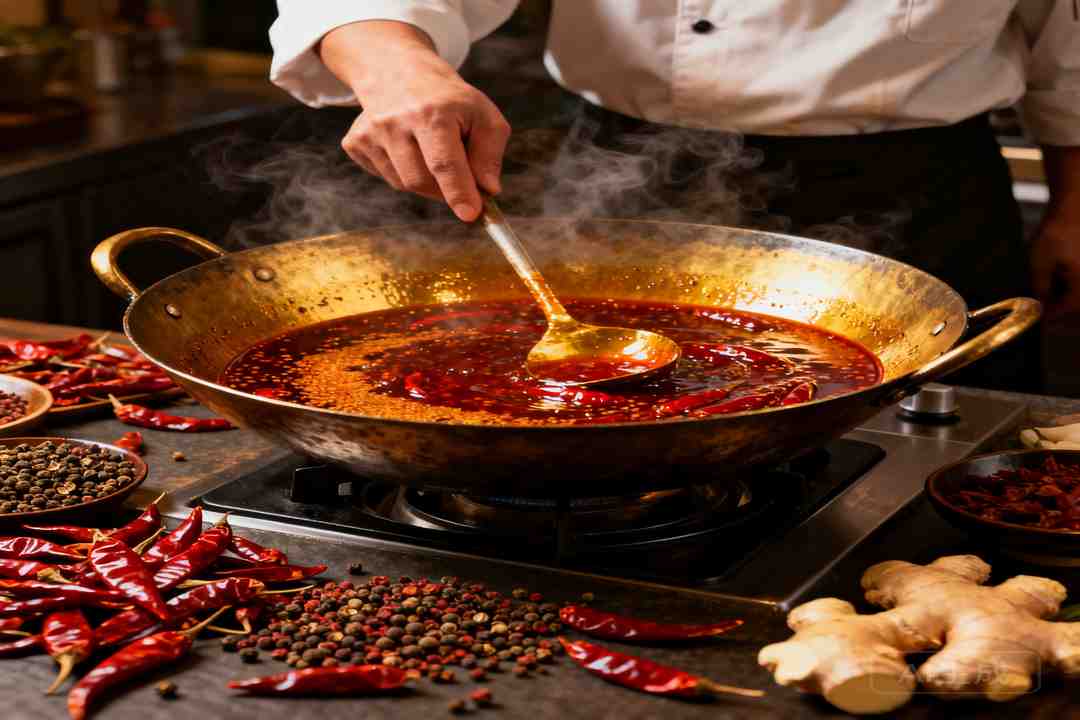
How to Make Sichuan mala sauce recipe
- Toast whole Sichuan peppercorns in a dry skillet over medium heat for 1-2 minutes until fragrant (do not burn). Sichuan Mala Sauce Recipe Let cool, then grind into a coarse powder.
- Heat 3 tbsp peanut oil in a wok over medium-high heat (180°C). Add pork belly cubes, stir-fry for 5-7 minutes until golden and fat renders.
- Sichuan Mala Sauce Recipe Remove with a slotted spoon, set aside.
- Reduce wok heat to medium. Sichuan Mala Sauce Recipe Add minced ginger and garlic, stir-fry for 30 seconds until fragrant (don’t let them brown).
- Add doubanjiang to the wok, stir-fry for 2 minutes to release its red oil and mellow sharp saltiness.
- Add cut erjingtiao chilies, stir-fry for 1 minute until they darken slightly and become fragrant.
- Return cooked pork belly to the wok. Sichuan Mala Sauce Recipe Toss to coat in the chili mixture for 1 minute.
- Pour in chicken broth, light soy sauce, dark soy sauce, rice vinegar, and crushed rock sugar. Sichuan Mala Sauce Recipe Stir well to combine.
- Bring to a gentle simmer (low heat) and cook for 10-12 minutes until the sauce thickens and pork is tender.
- Stir in the cornstarch slurry, cook for 1 more minute until the sauce is glossy and coats the back of a spoon.
- Turn off heat, stir in ground Sichuan peppercorns and toasted sesame oil. Sichuan Mala Sauce Recipe Let rest 5 minutes before using.
Common Mistakes with Sichuan mala sauce recipe
One common mistake is using pre-ground Sichuan peppercorns, which lose their signature numbing aroma within days of grinding. Always toast whole peppercorns fresh, then grind them right before adding to the sauce.
Another error is overheating doubanjiang: this fermented paste burns quickly on high heat, turning the sauce bitter instead of rich and savory. Sichuan Mala Sauce Recipe Stick to medium heat when stir-frying it.
Many home cooks skip fatty pork belly, opting for lean cuts that make the sauce dry and flat. The rendered fat from pork belly balances the spiciness and adds a silky texture you can’t get from lean meat.
Sichuan Mala Sauce Recipe Removing all chili seeds is another misstep—seeds add a gentle, slow heat that rounds out the sauce; removing only half keeps the flavor balanced without being overwhelming.
Serving & Storage
This mala sauce shines as a base for classic Sichuan dishes. For Mapo Tofu: simmer 1 cup of soft silken tofu in ½ cup of this sauce for 5 minutes, then top with green onions.
For Dan Dan Noodles: toss cooked wheat noodles with 2 tablespoons of sauce, ground pork, and a splash of broth. For Hot and Sour Soup: add ¼ cup of sauce to your broth with tofu, mushrooms, and vinegar.
Sichuan Mala Sauce Recipe For Kung Pao Chicken: stir-fry chicken and peanuts in 3 tablespoons of the sauce for a quick, authentic meal.
For storage, let the sauce cool completely, then transfer to an airtight glass container. Refrigerate for up to 1 week, or freeze in small portions (like ice cube trays) for up to 3 months.
Sichuan Mala Sauce Recipe Reheat gently on low heat, adding a splash of chicken broth if it thickens too much.
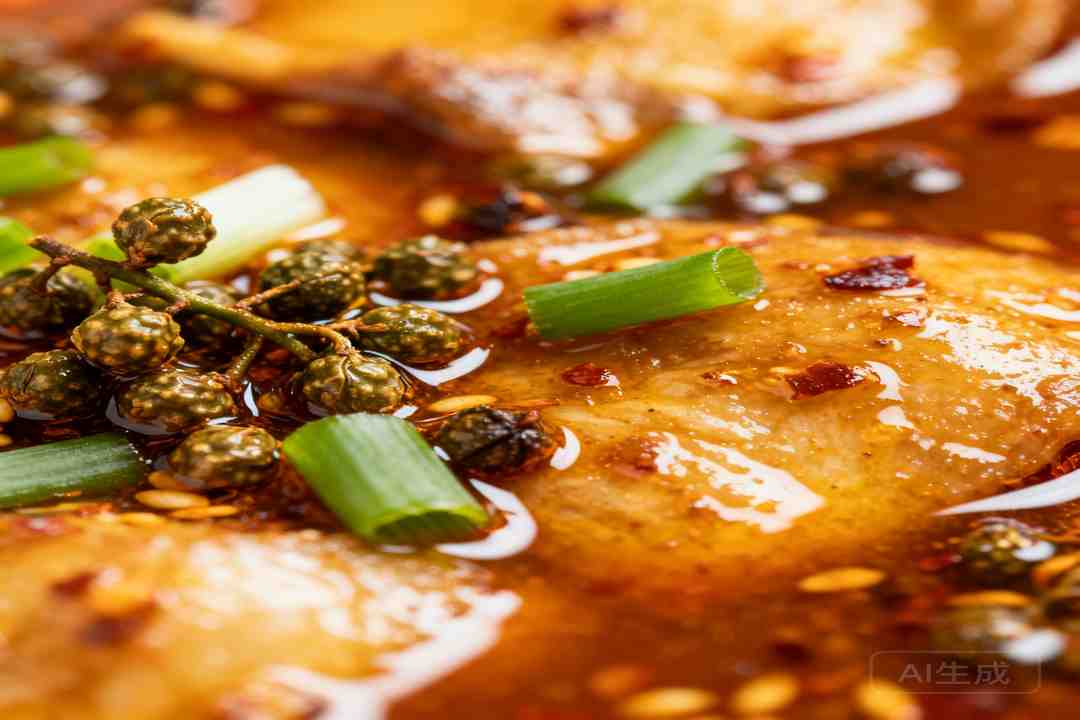
Question 1: Can I make this sauce vegan?
Yes! Swap the pork belly for 1 cup of diced firm tofu (fried until crispy) and use vegetable broth instead of chicken broth.
Omit the sesame oil if you prefer, or use vegan sesame oil. The fermented doubanjiang still adds deep umami, so the flavor will be rich and satisfying.
Sichuan Mala Sauce Recipe Adjust the rock sugar to taste if your paste is less sweet.
Question 2: How spicy is this sauce? Can I make it milder?
The erjingtiao chilies add moderate, warming heat. To make it milder, remove more seeds from the dried chilies, or reduce the amount to 1 tablespoon instead of 2.
You can also add an extra 2 tablespoons of broth to dilute the heat. Sichuan Mala Sauce Recipe The Sichuan peppercorns remain for the signature numbing effect, so the ma sensation will still come through.
Question 3: What if I can’t find Pixian doubanjiang?
Pixian doubanjiang is the gold standard, but you can substitute other fermented Sichuan chili bean pastes. Look for a brand labeled “fermented chili bean paste” with a deep red color and thick texture.
Avoid generic chili sauce—they lack the fermented umami that makes mala sauce special. Sichuan Mala Sauce Recipe Add a pinch of extra salt if your substitute is less salty.
Question 4: Can I use this sauce for hot pot?
Absolutely! This mala sauce is a perfect base for hot pot.
Simmer it in a large pot with 4 cups of chicken or vegetable broth, add extra garlic and ginger if you want, and let it bubble for 10 minutes to deepen the flavor. Sichuan Mala Sauce Recipe The resulting broth will have the iconic ma-la kick that’s ideal for dipping meats, veggies, and noodles.
Question 5: Do I have to toast the Sichuan peppercorns?
Toasting is key to unlocking the peppercorns’ unique flavor. Raw Sichuan peppercorns taste flat and slightly grassy, with none of the citrusy, tingly notes that define mala.
Toasting them over low heat for 1-2 minutes releases these oils, making the sauce authentic and addictive. Sichuan Mala Sauce Recipe Skipping this step will result in a bland, unbalanced sauce.
Frequently Asked Questions
Can I make Sichuan mala sauce recipe vegetarian?
Yes, you can easily adapt a Sichuan mala sauce recipe to be vegetarian.
Traditional versions often use pork fat for richness, so substitute it with neutral oil (like rapeseed) or toasted sesame oil.
Skip any meat-based broths or extracts, and use vegetarian-friendly fermented seasonings such as broad bean paste (doubanjiang) that does not contain pork or animal derivatives.
What makes Sichuan mala sauce recipe authentic Sichuan style?
Authentic Sichuan mala sauce is defined by its signature “málà” (numbing-spicy) profile, which comes from two core ingredients: Sichuan red peppercorns (not black pepper, which gives the unique tingly numbing sensation) and dried Sichuan red chilies.
It also typically includes umami-rich Sichuan seasonings like fermented Pixian broad bean paste, fermented black beans, garlic, ginger, and a touch of rock sugar to balance flavors.
Toasting whole spices before infusing them in oil is also a key traditional technique to lock in deep, aromatic taste.
How spicy is Sichuan mala sauce recipe?
The spice level varies, but traditional Sichuan mala sauce is usually medium to moderately spicy, with the numbing Sichuan peppercorn balancing the heat of chilies.
To adjust it: reduce the number of dried chilies or use milder varieties (like guajillo) for a milder sauce; add fresh bird’s eye chilies or extra chili flakes for more heat; or dilute the sauce with a bit of broth if it is too intense.
What can I serve with Sichuan mala sauce recipe?
Sichuan mala sauce is highly versatile.
It is most famously used as a base for Sichuan hot pot, tossed with hand-pulled noodles, or drizzled over steamed dumplings, silken tofu, roasted veggies, or grilled meats (beef, pork, or chicken).
It also works as a dipping sauce for fried foods or a flavoring for stir-fry dishes.
Can I prepare Sichuan mala sauce recipe ahead of time?
Yes, Sichuan mala sauce is perfect for meal prep.
Once cooled completely, transfer it to an airtight container and refrigerate for up to 2 weeks, or freeze for up to 3 months.
Its flavors actually deepen and become more balanced after 1–2 days, so making it 1–2 days in advance often results in better-tasting sauce.
Final Tip
The best part of this Sichuan mala sauce recipe is its flexibility. Don’t be afraid to adjust ingredients to your taste—add more sugar for sweetness, extra chilies for heat, or a splash of black vinegar for tang.
Every batch will feel like your own, and once you master this base, you’ll never need to order takeout for your favorite Sichuan dishes again.
Sichuan Chili Oil Recipe Best Sichuan Eggplant Recipes Authentic Kung Pao Chicken Wikipedia