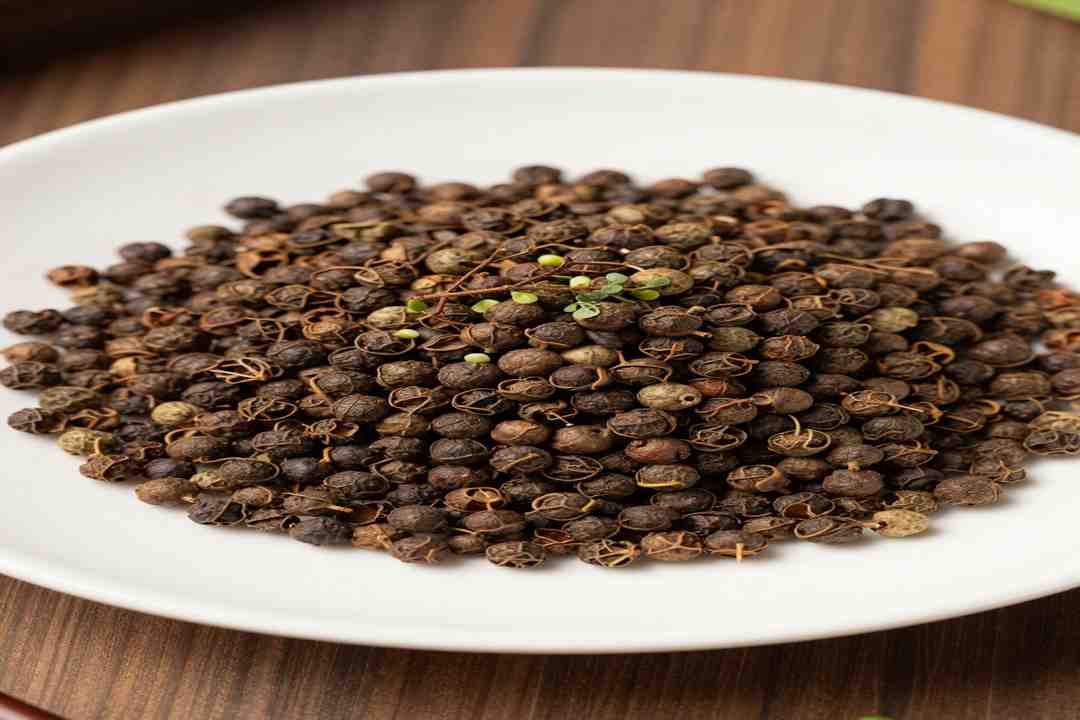
Sichuan peppercorn is not just a spice—it’s the soul of bold, unforgettable Sichuan cooking. For anyone who’s tasted a dish with its unique ma (numbing) kick, it’s hard to imagine Sichuan cuisine without it.
It’s the secret ingredient that turns ordinary stir-fries into mouth-tingling, memorable meals. This isn’t just heat; it’s a layered sensory experience that sets Sichuan food apart from any other regional cuisine.
Many people first encounter Sichuan peppercorn in dishes like Mapo Tofu or Kung Pao Chicken, but its history runs deeper than most realize.
The Story Behind Sichuan Peppercorn
Sichuan peppercorn comes from the Zanthoxylum genus, a group of flowering plants native to East Asia. It’s been used in Chinese cooking for over 2,000 years, with records dating back to the Han Dynasty (206 BCE–220 CE).
Ancient texts mention it as a key ingredient in imperial feasts, valued for its ability to balance rich, fatty foods.
In Sichuan, where the cuisine is defined by the málà (numbing-spicy) duo, Sichuan peppercorn pairs perfectly with chili peppers to create that iconic buzz. The region’s humid climate makes the numbing effect especially welcome—it cools the mouth while adding depth.
Today, it’s grown in mountainous areas of Sichuan, like Hanyuan, which produces some of the world’s best Sichuan peppercorn, prized for its bright citrus aroma.
It wasn’t always a global favorite, though. For decades, it was overshadowed by black pepper in Western markets.
Sichuan Peppercorn But as Sichuan food gained popularity worldwide, more people are discovering its unique magic—one tingling bite at a time.
What Makes Sichuan Peppercorn Special
Unlike black pepper, which delivers sharp, burning heat, Sichuan peppercorn offers a gentle, lingering numbing sensation. This comes from compounds called hydroxy-alpha-sanshool, which activate nerve receptors on the tongue and lips.
The effect is subtle, not painful, and it lingers for 5–10 seconds before fading into a warm, buzzing feeling.
Flavor-wise, it’s not just numbing. It has bright citrus and piney notes, with a hint of floral sweetness when toasted.
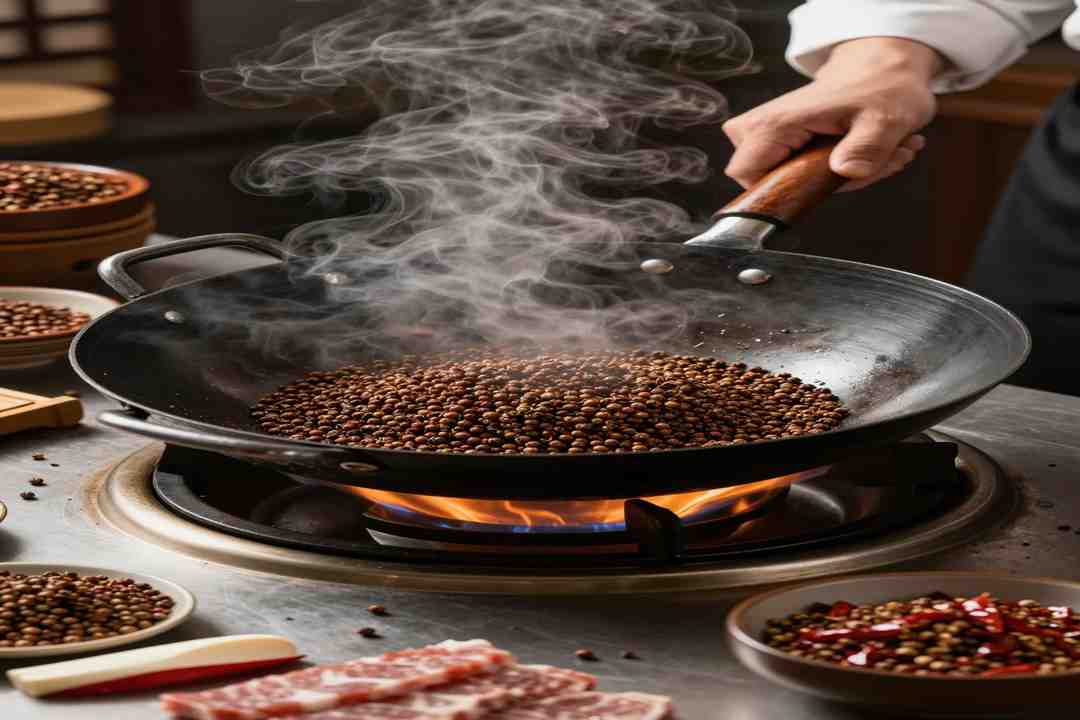
Toasting is a critical step—raw peppercorns taste grassy and harsh, but toasting unlocks their essential oils, turning a dull spice into a star. Sichuan Peppercorn Most home cooks skip this step, which is why their dishes lack that authentic Sichuan kick.
Another unique trait: it works in both whole and ground forms. Whole peppercorns are used in broths or marinades, while ground peppercorn adds a fine, even flavor to stir-fries and sauces.
Sichuan Peppercorn It’s also the only spice that pairs so seamlessly with chili peppers, creating the málà balance that’s non-negotiable in Sichuan cooking.
Ingredients for Sichuan Peppercorn (Mapo Tofu)
- 300g soft silken tofu (cut into 2cm cubes)
- 100g lean ground pork (80/20 ratio)
- 2 tablespoons doubanjiang (Sichuan fermented chili bean paste)
- 1 teaspoon whole Sichuan peppercorns
- 2 cloves garlic (minced, ~10g)
- 1-inch fresh ginger (grated, ~15g)
- 1 stalk scallion (white minced, green sliced for garnish)
- 2 tablespoons neutral vegetable oil (canola or peanut)
- 1 cup low-sodium chicken broth (or water)
- 1 teaspoon cornstarch (mixed with 2 tablespoons cold water)
- ½ teaspoon white sugar (to balance salt)
- ¼ teaspoon ground black pepper (optional, for depth)
- 1 teaspoon toasted sesame oil (for finishing)
How to Make Sichuan Peppercorn (Mapo Tofu)
- Toast whole Sichuan peppercorns in a small dry pan over medium-low heat. Stir constantly for 1–2 minutes until fragrant and lightly browned.
- Let cool, then grind into a fine powder with a mortar and pestle or spice grinder.
- Bring a pot of salted water to a rolling boil. Gently add the tofu cubes. Sichuan Peppercorn Blanch for 1 minute, then drain and set aside—this prevents tofu from breaking during cooking.
- Heat 2 tablespoons vegetable oil in a wok over medium-high heat (about 180°C). Add the ground pork. Sichuan Peppercorn Stir-fry for 2–3 minutes until fully cooked and crumbled into small pieces.
- Add the doubanjiang to the wok. Sichuan Peppercorn Stir-fry for 30 seconds until the oil turns bright red and the paste’s aroma fills the air—don’t burn it!
- Toss in the minced garlic and grated ginger. Stir-fry for 15 seconds until aromatic. Sichuan Peppercorn Watch closely; these burn quickly and will make the dish bitter.
- Pour in the 1 cup chicken broth. Bring to a gentle simmer over medium heat. Sichuan Peppercorn Let it bubble for 2 minutes to combine all the flavors.
- Gently add the blanched tofu cubes. Reduce heat to low. Sichuan Peppercorn Simmer for 5 minutes, being careful not to stir too hard—you don’t want broken tofu pieces.
- Stir the cornstarch slurry well. Pour it slowly into the wok while stirring gently in one direction. Sichuan Peppercorn Simmer for 1 more minute until the sauce thickens into a glossy coating.
- Turn off the heat. Add the ground Sichuan peppercorn, white sugar, and optional black pepper. Stir gently to combine—avoid over-stirring to keep tofu intact.
- Drizzle with 1 teaspoon toasted sesame oil. Top with sliced green scallions. Sichuan Peppercorn Serve immediately with steamed rice to balance the numbing-spicy kick.
Common Mistakes with Sichuan Peppercorn
The most common mistake is skipping toasting Sichuan peppercorns. Raw peppercorns taste grassy and harsh, with none of the bright citrusy notes that make the spice special.
Toasting over low heat for 1–2 minutes releases its essential oils, turning a dull ingredient into a star. Another error is mismeasuring: too much peppercorn overwhelms a dish, leaving your mouth numb for minutes, while too little fails to add the iconic ma quality.
Many home cooks also grind Sichuan peppercorns ahead of time. Ground peppercorn loses its aroma within 10 days, as its volatile oils evaporate.
For the best flavor, toast whole peppercorns just before grinding—this small step makes a huge difference in your final dish. Storing ground peppercorn in a plastic container also traps moisture, leading to stale, flat flavor.
Serving & Storage
Serve this Mapo Tofu immediately with steamed white rice. The mild, fluffy rice is the perfect counterpoint to Sichuan peppercorn’s tingling numbing and the dish’s spicy sauce.
You can also pair it with steamed bok choy or a simple cucumber salad to cut through the heat. For a traditional touch, add a sprinkle of extra ground peppercorn on top right before serving.
For storing whole Sichuan peppercorns, keep them in an airtight glass jar in a cool, dark pantry. They’ll stay fresh for up to 6 months.
Ground Sichuan peppercorn should be stored the same way but used within 2 weeks—its flavor fades fast. Avoid plastic containers, as they let in moisture and make peppercorns go stale quickly.
Is Sichuan peppercorn the same as black pepper?
No, they are entirely different spices. Sichuan peppercorn comes from the Zanthoxylum genus, while black pepper is from Piper nigrum vines.
Sichuan peppercorn delivers a distinctive numbing (ma) sensation and bright citrus-piney aroma, not the sharp, burning heat of black pepper. Its unique flavor is what defines Sichuan cuisine, setting it apart from global pepper varieties.
Can I use Sichuan peppercorn in other dishes besides Mapo Tofu?
Absolutely! It’s the core spice of iconic Sichuan dishes like Kung Pao Chicken, Dan Dan Noodles, and Hot and Sour Soup.
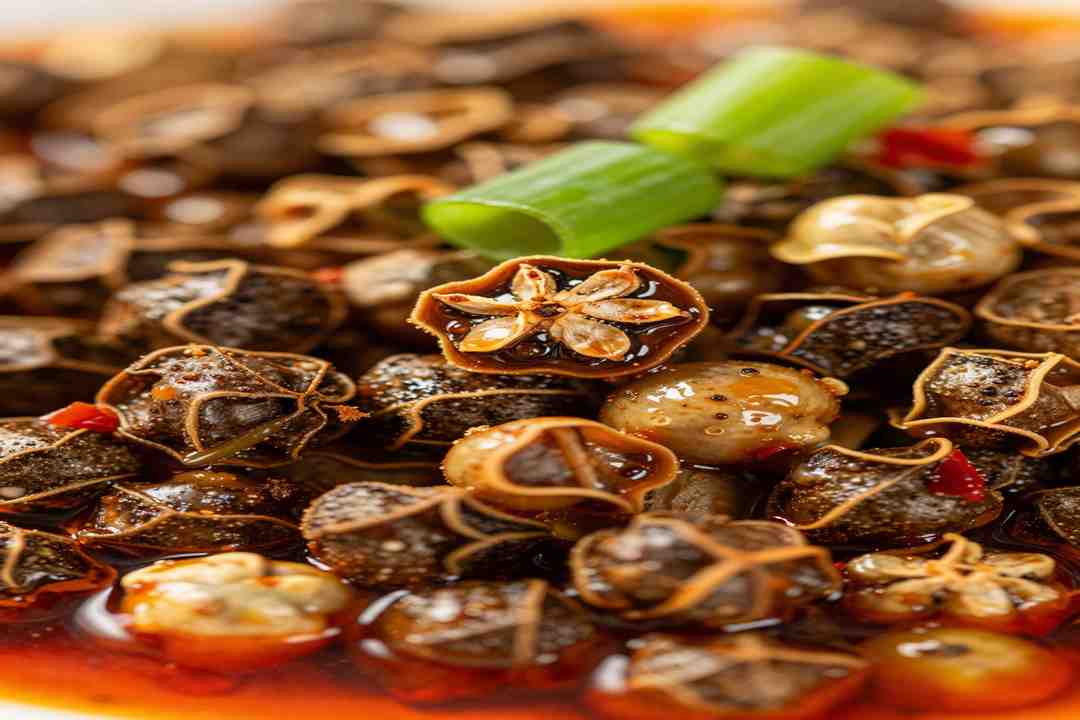
For Kung Pao Chicken, add a pinch of ground peppercorn at the end to complement the spicy sauce and peanuts. Sichuan Peppercorn In Dan Dan Noodles, mix toasted peppercorn into the savory chili oil to add that signature ma note that makes the dish memorable.
What does the “ma” sensation from Sichuan peppercorn feel like?
The ma sensation is a gentle, tingling numbness on the tongue and lips—never painful. It comes from compounds called hydroxy-alpha-sanshool, which activate nerve receptors in the mouth.
Sichuan Peppercorn It lingers for a few seconds, then fades into a subtle buzzing, making it the ideal partner for Sichuan cuisine’s bold spicy heat (the iconic málà duo).
Are there any substitutes for Sichuan peppercorn?
It’s nearly impossible to replicate Sichuan peppercorn’s unique ma and citrusy notes, but if you’re in a pinch, try a mix of ½ teaspoon black pepper, ¼ teaspoon fresh lemon zest, and a tiny pinch of ground allspice. This will lack the distinct numbing sensation, so it’s only a temporary substitute.
For true Sichuan flavor, whole peppercorns are easy to find online or at Asian grocery stores.
Can I eat Sichuan peppercorn if I have a pepper allergy?
If you have a black pepper allergy, Sichuan peppercorn may still trigger a reaction—they come from entirely different plant families. Test a tiny amount first to see how your body responds.
If you have a confirmed allergy to Zanthoxylum plants (the genus for Sichuan peppercorn), skip it entirely and opt for other spices. Always check with a doctor if you have concerns about food allergies.
Frequently Asked Questions
Can I make Sichuan peppercorn vegetarian?
Yes, Sichuan peppercorn itself is a plant-based ingredient, so dishes featuring it are naturally vegetarian-friendly.
To adapt traditional Sichuan recipes that might include meat or seafood, simply swap those ingredients for vegetarian alternatives like firm tofu, shiitake mushrooms, bamboo shoots, or lotus root, while keeping the Sichuan peppercorn as the core aromatic and numbing element.
What makes Sichuan peppercorn authentic Sichuan style?
Authentic Sichuan cuisine’s signature “ma”—the unique tingling, numbing mouthfeel on the tongue and lips—comes exclusively from high-quality Sichuan peppercorn, a key marker of authenticity not found in black or white peppercorns.
It is typically paired with other core Sichuan ingredients like dried red chilies, fermented broad bean paste (doubanjiang), and Sichuan garlic, and is often dry-toasted first to amplify its bright citrusy, piney aroma before being used whole or ground.
How spicy is Sichuan peppercorn?
Sichuan peppercorn is not primarily spicy in the capsaicin-driven “heat” sense like chili peppers.
Instead, it delivers a distinct, long-lasting tingling and numbing sensation caused by compounds called hydroxy-alpha sanshools.
Its intensity varies by freshness and quality: premium Sichuan peppercorn has a bold, lingering numbing effect, while lower-grade versions are milder.
To adjust the sensation, use less peppercorn or balance it with sweet, sour, or salty flavors to soften the numbing effect.
What can I serve with Sichuan peppercorn?
Sichuan peppercorn pairs well with a wide range of dishes and sides that complement its bold, aromatic profile.
Common pairings include steamed white rice (to balance its intense flavors), cold noodles (like Sichuan liangpi), pickled vegetables, and stir-fried greens.
It also works beautifully with fatty proteins such as pork belly or duck, light options like fish or tofu, and small bites like dumplings or spring rolls, adding depth to fillings or dipping sauces.
Can I prepare Sichuan peppercorn ahead of time?
Yes, you can prepare Sichuan peppercorn ahead of time, but proper storage is key to preserving its unique aroma and numbing properties.
Whole Sichuan peppercorns stay fresh for up to 6 months in an airtight container kept in a cool, dark place, or up to 1 year in the freezer.
Ground Sichuan peppercorn loses its potency quickly, so it’s best to grind it just before use; pre-ground can be stored in an airtight container for up to 1 month.
If you need pre-toasted or pre-ground peppercorn for a recipe, add it to dishes near the end of cooking to retain its flavor.
Final Tip
The best way to appreciate Sichuan peppercorn is to take small, intentional bites. Notice the tingling that starts on your lips, then blends with the heat of the dish.
It’s not just a spice—it’s a sensory experience that connects you to the heart of Sichuan cooking. Don’t overdo it, but don’t be afraid to let its unique flavor shine.
Why Your Sichuan Dry Pot Recipe Never Tastes Like the Restau Why Your Sichuan Spicy Tofu Recipe Never Tastes Like the Res 10 Mistakes That Ruin Sichuan Soup Recipes (And How to Fix T Wikipedia {“@context”:”https://schema.org”,”@type”:”FAQPage”,”mainEntity”:[{“@type”:”Question”,”name”:”Can I make Sichuan peppercorn vegetarian?”,”acceptedAnswer”:{“@type”:”Answer”,”text”:”Yes, Sichuan peppercorn itself is a plant-based ingredient, so dishes featuring it are naturally vegetarian-friendly. To adapt traditional Sichuan recipes that might include meat or seafood, simply swap those ingredients for vegetarian alternatives like firm tofu, shiitake mushrooms, bamboo shoots, or lotus root, while keeping the Sichuan peppercorn as the core aromatic and numbing element.”}},{“@type”:”Question”,”name”:”What makes Sichuan peppercorn authentic Sichuan style?”,”acceptedAnswer”:{“@type”:”Answer”,”text”:”Authentic Sichuan cuisine’s signature “ma”—the unique tingling, numbing mouthfeel on the tongue and lips—comes exclusively from high-quality Sichuan peppercorn, a key marker of authenticity not found in black or white peppercorns. It is typically paired with other core Sichuan ingredients like dried red chilies, fermented broad bean paste (doubanjiang), and Sichuan garlic, and is often dry-toasted first to amplify its bright citrusy, piney aroma before being used whole or ground.”}},{“@type”:”Question”,”name”:”How spicy is Sichuan peppercorn?”,”acceptedAnswer”:{“@type”:”Answer”,”text”:”Sichuan peppercorn is not primarily spicy in the capsaicin-driven “heat” sense like chili peppers. Instead, it delivers a distinct, long-lasting tingling and numbing sensation caused by compounds called hydroxy-alpha sanshools. Its intensity varies by freshness and quality: premium Sichuan peppercorn has a bold, lingering numbing effect, while lower-grade versions are milder. To adjust the sensation, use less peppercorn or balance it with sweet, sour, or salty flavors to soften the numbing effect.”}},{“@type”:”Question”,”name”:”What can I serve with Sichuan peppercorn?”,”acceptedAnswer”:{“@type”:”Answer”,”text”:”Sichuan peppercorn pairs well with a wide range of dishes and sides that complement its bold, aromatic profile. Common pairings include steamed white rice (to balance its intense flavors), cold noodles (like Sichuan liangpi), pickled vegetables, and stir-fried greens. It also works beautifully with fatty proteins such as pork belly or duck, light options like fish or tofu, and small bites like dumplings or spring rolls, adding depth to fillings or dipping sauces.”}},{“@type”:”Question”,”name”:”Can I prepare Sichuan peppercorn ahead of time?”,”acceptedAnswer”:{“@type”:”Answer”,”text”:”Yes, you can prepare Sichuan peppercorn ahead of time, but proper storage is key to preserving its unique aroma and numbing properties. Whole Sichuan peppercorns stay fresh for up to 6 months in an airtight container kept in a cool, dark place, or up to 1 year in the freezer. Ground Sichuan peppercorn loses its potency quickly, so it’s best to grind it just before use; pre-ground can be stored in an airtight container for up to 1 month. If you need pre-toasted or pre-ground peppercorn for a recipe, add it to dishes near the end of cooking to retain its flavor.”}}]} { “@context”: “https://schema.org”, “@type”: “Article”, “headline”: “13 Mistakes That Ruin Sichuan Peppercorn (And How to Fix”, “description”: “Sichuan peppercorn is not just a spice—it’s the soul of bold, unforgettable Sichuan cooking…”, “author”: { “@type”: “Person”, “name”: “Editorial Team” }, “datePublished”: “2026-06-07T02:45:02.002450+00:00”, “dateModified”: “2026-06-07T02:45:02.002450+00:00” } { “@context”: “https://schema.org”, “@type”: “Recipe”, “name”: “Sichuan peppercorn”, “description”: “Sichuan peppercorn is not just a spice—it’s the soul of bold, unforgettable Sichuan cooking…”, “recipeIngredient”: [ “300g soft silken tofu (cut into 2cm cubes)”, “100g lean ground pork (80/20 ratio)”, “2 tablespoons doubanjiang (Sichuan fermented chili bean paste)”, “1 teaspoon whole Sichuan peppercorns”, “2 cloves garlic (minced, ~10g)”, “1-inch fresh ginger (grated, ~15g)”, “1 stalk scallion (white minced, green sliced for garnish)”, “2 tablespoons neutral vegetable oil (canola or peanut)”, “1 cup low-sodium chicken broth (or water)”, “1 teaspoon cornstarch (mixed with 2 tablespoons cold water)”, “½ teaspoon white sugar (to balance salt)”, “¼ teaspoon ground black pepper (optional, for depth)”, “1 teaspoon toasted sesame oil (for finishing)” ], “recipeInstructions”: [ { “@type”: “HowToStep”, “text”: “Toast whole Sichuan peppercorns in a small dry pan over medium-low heat. Stir constantly for 1–2 minutes until fragrant and lightly browned.” }, { “@type”: “HowToStep”, “text”: “Let cool, then grind into a fine powder with a mortar and pestle or spice grinder.” }, { “@type”: “HowToStep”, “text”: “Bring a pot of salted water to a rolling boil. Gently add the tofu cubes. Sichuan Peppercorn Blanch for 1 minute, then drain and set aside—this prevents tofu from breaking during cooking.” }, { “@type”: “HowToStep”, “text”: “Heat 2 tablespoons vegetable oil in a wok over medium-high heat (about 180°C). Add the ground pork. Sichuan Peppercorn Stir-fry for 2–3 minutes until fully cooked and crumbled into small pieces.” }, { “@type”: “HowToStep”, “text”: “Add the doubanjiang to the wok. Sichuan Peppercorn Stir-fry for 30 seconds until the oil turns bright red and the paste’s aroma fills the air—don’t burn it!” }, { “@type”: “HowToStep”, “text”: “Toss in the minced garlic and grated ginger. Stir-fry for 15 seconds until aromatic. Sichuan Peppercorn Watch closely; these burn quickly and will make the dish bitter.” }, { “@type”: “HowToStep”, “text”: “Pour in the 1 cup chicken broth. Bring to a gentle simmer over medium heat. Sichuan Peppercorn Let it bubble for 2 minutes to combine all the flavors.” }, { “@type”: “HowToStep”, “text”: “Gently add the blanched tofu cubes. Reduce heat to low. Sichuan Peppercorn Simmer for 5 minutes, being careful not to stir too hard—you don’t want broken tofu pieces.” }, { “@type”: “HowToStep”, “text”: “Stir the cornstarch slurry well. Pour it slowly into the wok while stirring gently in one direction. Sichuan Peppercorn Simmer for 1 more minute until the sauce thickens into a glossy coating.” }, { “@type”: “HowToStep”, “text”: “Turn off the heat. Add the ground Sichuan peppercorn, white sugar, and optional black pepper. Stir gently to combine—avoid over-stirring to keep tofu intact.” }, { “@type”: “HowToStep”, “text”: “Drizzle with 1 teaspoon toasted sesame oil. Top with sliced green scallions. Sichuan Peppercorn Serve immediately with steamed rice to balance the numbing-spicy kick.” } ], “image”: “https://www.mysichuanfood.com/wp-content/uploads/2026/06/Sichuan-peppercorn-2.jpg” } n