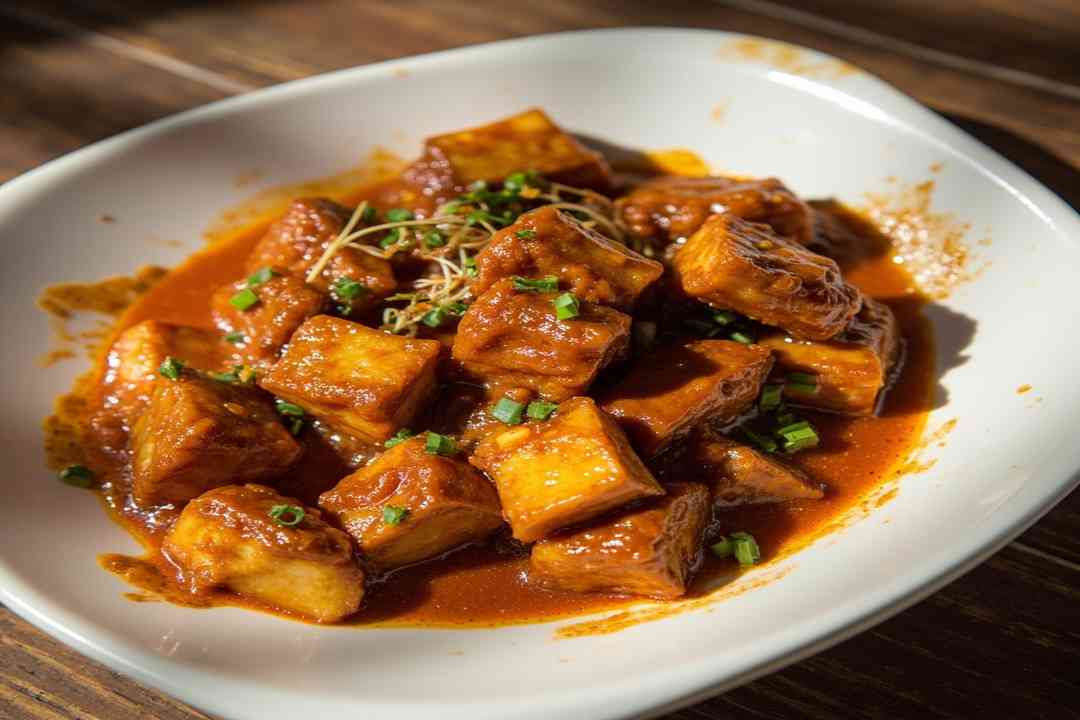
Mapo tofu sauce is not just a condiment—it’s the soul of one of Sichuan’s most iconic dishes. It turns soft, silky tofu into a fiery, aromatic meal that balances heat, tang, and a unique tingle from Sichuan peppercorns.
For anyone who loves bold, authentic Chinese flavors, mastering this sauce is a must.
Many home cooks avoid making it at home, assuming it’s too complex. But with the right ingredients and steps, it’s simpler than you think.
Mapo Tofu Sauce The sauce’s magic lies in its layered flavors, not fancy techniques.
The Story Behind mapo tofu sauce
Mapo tofu sauce’s origins date back to 1860s Chengdu, China. A street vendor named Chen Maopo (meaning “pockmarked old lady”) created the dish to feed hungry laborers.
Her sauce used cheap, accessible ingredients: fermented chili beans, minced pork, and Sichuan peppercorns. It became so popular that the dish (and its sauce) took her name.
Sichuan cuisine is defined by málà—a balance of numbing and spicy flavors that mapo tofu sauce embodies perfectly. This flavor profile is also central to other iconic Sichuan dishes: Kung Pao Chicken, Dan Dan Noodles, and Hot and Sour Soup.
Mapo tofu sauce acts as a base that ties these dishes’ bold, memorable tastes together. Today, it’s a staple in both home kitchens and high-end restaurants worldwide.
What Makes mapo tofu sauce Special
What sets mapo tofu sauce apart from other spicy sauces is its balanced málà profile. The numbing tingle comes from Sichuan peppercorns, while the heat comes from fermented chili beans (doubanjiang).
It’s not just one-note spicy—it has layers of umami, savoriness, and a subtle tang.
Key techniques make this sauce unique. Toasting Sichuan peppercorns before grinding releases their aromatic oils, avoiding the flat taste of pre-ground versions.
Stir-frying doubanjiang slowly brings out its deep, fermented flavor, rather than leaving it bitter. The cornstarch slurry gives the sauce a silky texture that clings to every bite of tofu, making each mouthful flavorful.
Mapo Tofu Sauce Unlike generic chili sauces, it’s designed to complement soft ingredients, not overpower them.
Ingredients for mapo tofu sauce
- 300g pork belly (sliced thin, then minced into small pieces)
- 2 tablespoons Pixian doubanjiang (Sichuan chili bean paste, fermented)
- 1 teaspoon whole Sichuan peppercorns
- 1.5 tablespoons peanut oil (high smoke point, neutral flavor)
- 1 tablespoon light soy sauce (for saltiness)
- 1 teaspoon dark soy sauce (for deep color)
- 1 teaspoon Shaoxing rice wine (Chinese cooking wine)
- 1 teaspoon cornstarch (plus 2 tablespoons cold water, for slurry)
- 1 small garlic clove (minced finely)
- ½ teaspoon fresh ginger (grated)
- 1 green onion (white parts minced, green parts sliced for garnish)
- ¼ teaspoon white sugar (to balance flavors)
- 1 cup low-sodium chicken broth (or water, for simmering)
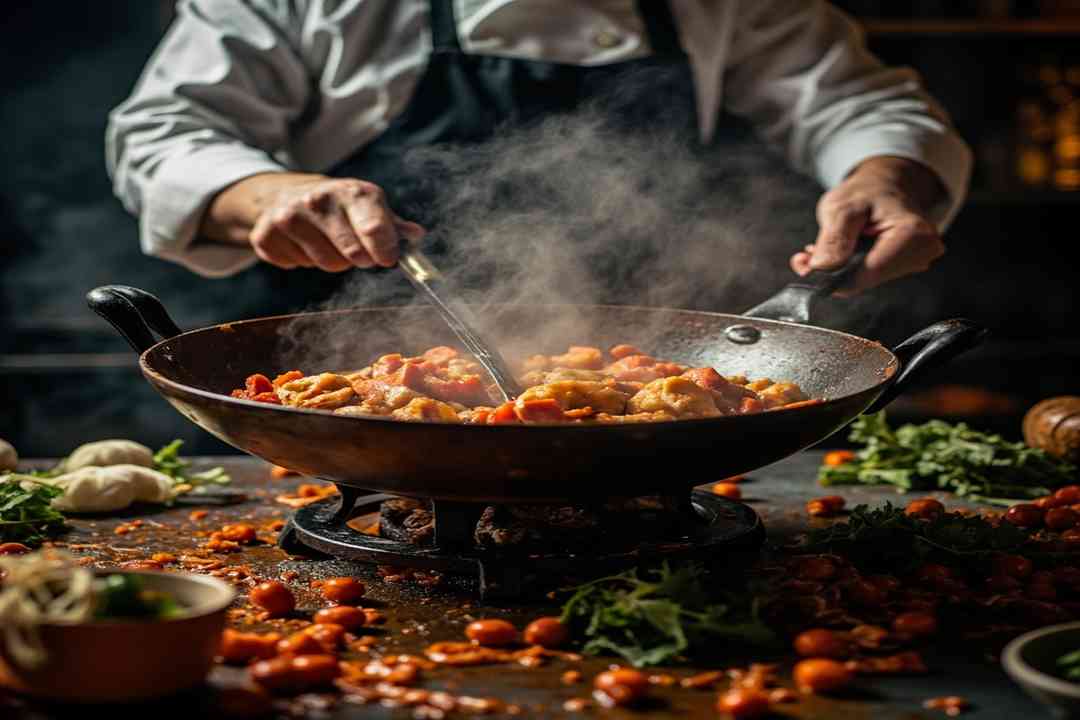
How to Make mapo tofu sauce
- Toast the Sichuan peppercorns: Heat a small dry pan over low heat. Add whole peppercorns.
- Toast for 1–2 minutes until fragrant. Mapo Tofu Sauce Let cool, then grind into a fine powder with a mortar or spice grinder.
- Prep the pork: Slice the pork belly into thin strips, then mince into uniform, small pieces. Mapo Tofu Sauce Set aside on a plate.
- Mix the cornstarch slurry: In a small bowl, combine 1 teaspoon cornstarch with 2 tablespoons cold water. Stir until no lumps remain. Mapo Tofu Sauce Set aside.
- Heat the wok: Pour 1.5 tablespoons peanut oil into a wok. Mapo Tofu Sauce Heat over medium-high heat until it shimmers (approximately 180°C).
- Cook the pork: Add minced pork to the wok. Stir-fry for 2–3 minutes until browned and slightly crispy at the edges. Mapo Tofu Sauce Break up clumps with a spatula as you cook.
- Add aromatics: Toss in minced garlic and grated ginger. Stir-fry for 30 seconds until fragrant. the sauce Do not burn them—they will turn bitter.
- Stir in doubanjiang: Add 2 tablespoons Pixian doubanjiang to the wok. this sauce Stir-fry for 1 minute until the oil turns bright red and the sauce releases its deep aroma.
- Deglaze and season: Pour in 1 teaspoon Shaoxing rice wine, 1 tablespoon light soy sauce, 1 teaspoon dark soy sauce, and ¼ teaspoon white sugar. the tofu sauce Stir thoroughly to combine all ingredients.
- Simmer with broth: Add 1 cup chicken broth (or water) to the wok. Bring to a gentle boil, then reduce heat to medium. the mixture Simmer for 5 minutes to let the flavors meld together.
- Thicken the sauce: Slowly pour the cornstarch slurry into the wok while stirring continuously. it Simmer for 1 more minute until the sauce thickens and coats the back of a spoon.
- Add ground peppercorns: Fold in the freshly ground Sichuan peppercorn powder. the sauce Stir gently for 10 seconds to distribute it evenly.
- Finish with green onion: Sprinkle in the minced white parts of the green onion. this sauce Stir once more to incorporate.
Common Mistakes with the tofu sauce
One common mistake is using pre-ground Sichuan peppercorns. They lose their aromatic oils within days, so the sauce will lack its signature numbing tingle.
the mixture Always toast whole peppercorns and grind them right before adding to the sauce.
Another error is overcooking the doubanjiang. High heat burns the fermented bean paste, turning the sauce bitter.
Stir-fry it gently on medium heat, and stop when the oil turns a vivid red—this is when the paste’s flavor is at its best. it Skipping the cornstarch slurry also ruins the sauce; it makes the mixture watery instead of silky, so it won’t cling to tofu.
Serving & Storage
the sauce is best served immediately over soft, silken tofu (the traditional pairing) with a sprinkle of sliced green onion. It pairs perfectly with steamed jasmine rice, as the rice balances the sauce’s heat and numbing sensation.
For a quick twist, you can drizzle a small amount over Dan Dan Noodles or Hot and Sour Soup to add depth.
To store leftover sauce, pour it into an airtight container and refrigerate for up to 3 days. For long-term use, freeze it in small portions (like ice cube trays) for up to 1 month.
this sauce When reheating, add a teaspoon of broth to adjust thickness, and a tiny pinch of fresh ground Sichuan peppercorns to refresh the flavor.
Frequently Asked Questions
Can I make this sauce vegetarian?
Yes, the tofu sauce can easily be made vegetarian by swapping traditional meat components for plant-based alternatives.
Authentic vegetarian versions typically replace ground pork or beef with crumbled firm tofu, finely chopped shiitake mushrooms, or soy/pea-based plant ground meat.
The core umami comes from Sichuan fermented broad bean paste (doubanjiang, usually vegan), light soy sauce, and sometimes mushroom soy sauce to deepen flavor, so no animal products are required for a delicious, satisfying vegetarian version.
What makes the mixture authentic Sichuan style?
Authentic Sichuan-style it is defined by its iconic “málà” (numbing-spicy) flavor profile and specific core ingredients and techniques.
Key components include Pixian fermented broad bean paste (doubanjiang, a fermented chili-bean paste that adds deep umami and savory heat), Sichuan peppercorns (to create the signature tingly, numbing “má” sensation, not just heat), dried red chilies, garlic, and fresh ginger.
Traditional techniques also involve slowly cooking the sauce to meld flavors, thickening it lightly with cornstarch to coat tofu evenly, and balancing numbing and spicy notes rather than leaning too heavily on one.
How spicy is the sauce?
this sauce’s spice level typically ranges from medium to hot, though it varies by recipe and region.
Traditional Sichuan versions are bold and complex, pairing lingering heat with the unique tingle of Sichuan peppercorns, rather than being one-note spicy.
You can adjust the spice level easily: reduce or omit dried chilies or chili oil for a milder version, or add extra chilies, chili flakes, or hot sauce for extra heat.
What can I serve with the tofu sauce?
the mixture is most classic served over steamed white rice, as the mild, fluffy rice balances the sauce’s bold, spicy, and numbing flavors.
Complementary sides include steamed leafy greens (like bok choy or spinach), pickled Sichuan vegetables (such as pickled mustard greens), or noodles (udon or rice noodles) for a heartier meal.
For a balanced spread, pair it with a light soup or simple stir-fried vegetables to round out the dish.
Can I prepare it ahead of time?
Yes, the sauce is ideal for meal prep.
Once cooked and fully cooled, store it in an airtight container in the refrigerator for up to 3 to 4 days.
For longer storage, freeze the sauce for up to 3 months.
When ready to use, reheat gently on the stovetop, adding a splash of broth or water if the sauce has thickened too much, then toss it with cubed tofu to make the full mapo tofu dish.
Final Tip
The best this sauce isn’t about following exact measurements to the letter. Taste as you cook—adjust salt, sugar, or peppercorn powder to match your preference.
Once you nail that balanced málà, you’ll have a sauce that elevates any Sichuan dish, from classic mapo tofu to quick weeknight stir-fries.
Popular Sichuan Cuisine Mapo Tofu: A Fiery Classic Sichuan tofu recipes Kung Pao Chicken: A Flavorful Journey Through Sichuan Cuisine Why Your Sichuan Dry Pot Recipe Never Tastes Like the Restau Wikipedia
Quick Answer and Evidence Check
Authentic Mapo Tofu Sauce: Sichuan Home Cooking Guide is easiest to evaluate by separating the direct definition, the practical context, and the evidence used to support the conclusion.
Basic Facts
- Primary topic: Authentic Mapo Tofu Sauce: Sichuan Home Cooking Guide
- Best check: confirm the definition, example, and usage boundary agree.
- Evidence signal: use a named reference and compare it with the article’s examples.
Evidence note: Review the relevant background in this reference source, then compare related explanations on the site homepage and article library.
Quick reference: Authentic Mapo Tofu Sauce: Sichuan Home Cooking Guide = direct answer + factual summary + cited evidence + practical boundary.
Reader Checks
What should a reader verify first?
Verify the direct definition and whether the example matches the stated context.
Why include an evidence check?
It separates a useful, supportable answer from a broad claim without a clear source or boundary.