7 Expert Tips for Using Garlic in Authentic Sichuan Cooking
Garlic is an irreplaceable staple in authentic Sichuan cooking, adding layers of savory umami and depth that anchor the cuisine’s bold, spicy flavors. While Sichuan food is famous for its “mala” (spicy-numbing) profile and complex spice blends, this aromatic ingredient acts as the quiet workhorse—cutting through oiliness, balancing heat, and elevating everything from quick stir-fries to slow braises. Whether you’re a home cook aiming to master Kung Pao Chicken or a culinary enthusiast exploring Sichuan’s regional dishes, understanding how to use this key seasoning correctly is key to recreating the authentic taste of Sichuan at home.
1. Choose the Right Variety for Sichuan Cooking
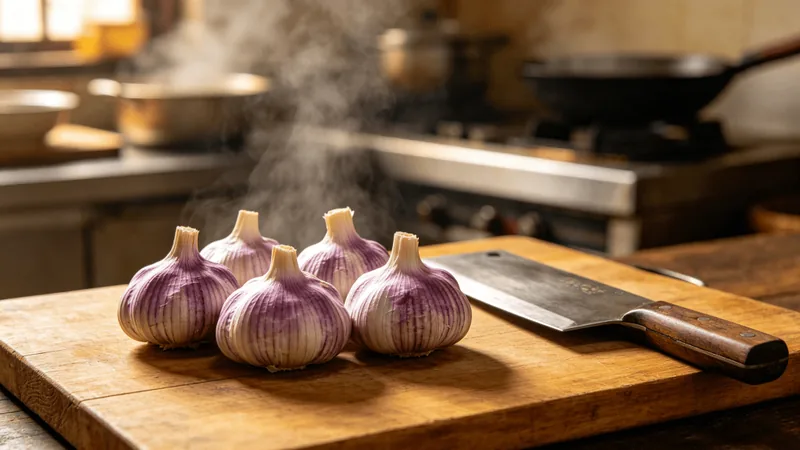
Not all varieties are created equal for Sichuan cooking, and selecting the right one impacts flavor more than you might think. Sichuan chefs favor fresh, locally grown purple garlic (zi suan) for its bold, pungent flavor and high allicin content—the compound that gives this ingredient its signature kick.
Common white varieties work too, but avoid pre-peeled or jarred options: they lose up to 30% of their flavor through oxidation and processing. For the brightest taste, buy whole bulbs with tight, unbroken skins. Store this seasoning in a cool, dry place (not the fridge—moisture makes it sprout) to preserve its potency. A fresh clove should be firm, with no soft spots or green shoots; sprouted bulbs are bitter and will ruin the delicate balance of Sichuan sauces.
2. Master Cuts for Different Sichuan Dishes
The way you cut this ingredient directly shapes its flavor in Sichuan cooking. Sichuan chefs use three primary cuts, each tailored to the dish’s cooking time and flavor goals.
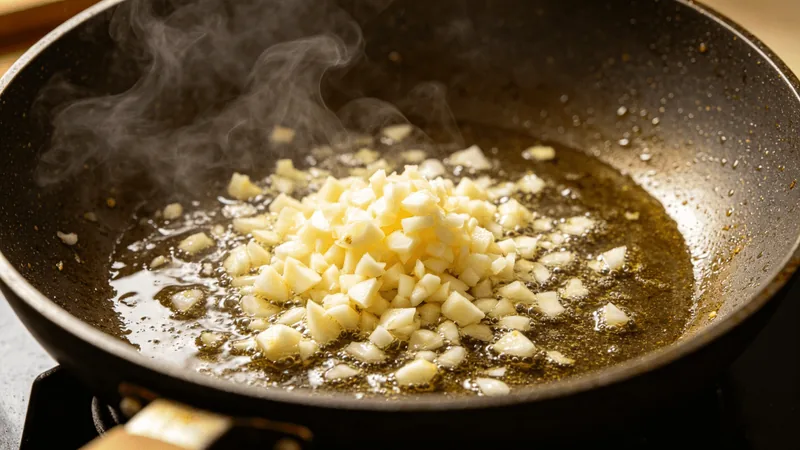
For quick stir-fries (like Yuxiang Shredded Pork), mince it into rice-sized pieces. This fine cut releases its oils instantly in hot wok oil, infusing the dish with a concentrated, nutty umami. For braised dishes (such as Hong Shao Rou, red braised pork belly), slice it into thick rounds—this prevents burning during long cooking times and lets it soften into a sweet, mellow flavor that blends with soy sauce and star anise.
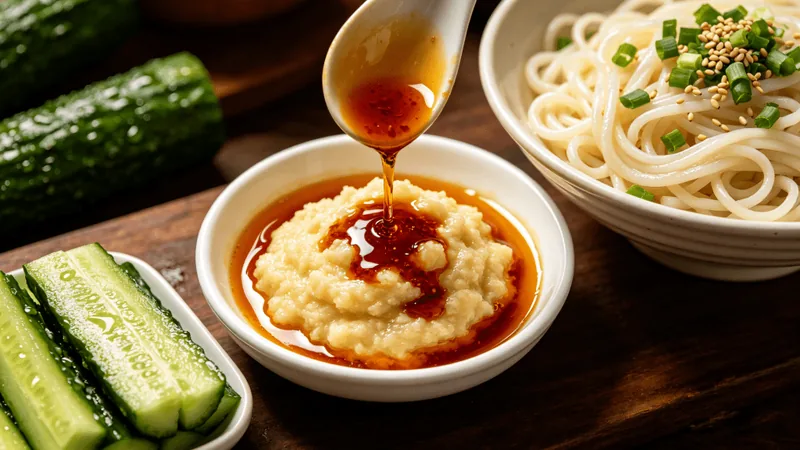
For cold Sichuan dishes (like Spicy Sliced Chicken), crush it into a paste using the flat side of a knife or a mortar and pestle. Crushing breaks down its cell walls fully, releasing maximum allicin and creating a smooth base for chili oil and vinegar sauces. Never use a food processor for paste in Sichuan cooking—it overprocesses the ingredient, leading to a bitter, watery texture.
3. Timing: When to Add This Ingredient in Sichuan Cooking
Timing is everything with this seasoning in Sichuan cooking—add it too early, and it burns; too late, and it won’t release its flavor. Sichuan chefs follow a simple rule: it goes in after aromatics like ginger and scallions, but before spices like doubanjiang (fermented chili bean paste).
For stir-fries: Heat your wok until smoking hot, then add oil. Toss in ginger slices and white scallion segments first (they withstand high heat better) and sauté for 30 seconds. Next, add minced cloves and cook for 20 seconds—just until fragrant, not brown. Add your main ingredients immediately after to lock in its flavor.
For braises and stews: Add thick slices at the start of cooking. They’ll simmer slowly with meat or vegetables, their flavor melding into the broth without burning. For soups (like Sichuan Hot and Sour Soup), add minced cloves in the last 2 minutes of cooking to preserve its fresh, bright taste.
4. Avoid Common Mistakes with This Seasoning in Sichuan Cooking
Even experienced cooks make mistakes with this ingredient that dull the flavor of Sichuan dishes. Here are the top pitfalls to avoid:
First, burning it: Burnt cloves turn bitter and overpowering, ruining the balance of spicy and savory in dishes like Mapo Tofu. If your seasoning starts to brown, remove the wok from heat immediately—you can’t fix burnt cloves, only start over.
Second, using too much: Sichuan cooking is about balance, not overpowering flavor. A little of this ingredient goes a long way—for a family-sized stir-fry, use 3-4 cloves (minced) max. Too much masks the delicate notes of Sichuan peppercorns and chili.
Third, pre-chopping: Chop this seasoning no more than 10 minutes before cooking. Pre-chopped cloves oxidize quickly, losing their bright flavor and becoming dull. For the best taste, mince or slice it right as you’re ready to add it to the wok.
5. This Ingredient in Sichuan Cold Dishes: A Flavor Game-Changer
This umami staple is the star of Sichuan cold dishes, where its raw, bold flavor cuts through rich sauces and cooling ingredients. Unlike hot dishes (where it’s cooked), cold dishes rely on fresh paste to add a sharp, savory kick.
For classic Sichuan Cold Noodles, mix paste with chili oil, sesame oil, soy sauce, and a pinch of sugar. This seasoning balances the sweetness of the sauce and the heat of the chili oil, while adding a fresh bite that wakes up the palate. For Spicy Cucumber Salad, crush it with salt first (this draws out moisture and intensifies flavor) before mixing with vinegar and chili flakes.
A pro tip for cold dishes: Add a tiny splash of rice vinegar to paste—it brightens the flavor and reduces any harshness, making it perfect for delicate dishes like Cold Tofu with Garlic Sauce.
6. Roasted Cloves: A Secret Weapon in Sichuan Cooking
Roasted cloves are a lesser-known but beloved trick in Sichuan home cooking, adding a sweet, caramelized flavor to rich dishes. To make Sichuan-style roasted cloves: Wrap whole cloves in foil, drizzle with a little oil, and roast in a hot pan (or oven) for 10-15 minutes until soft and golden.
Mash roasted cloves into a paste and mix with doubanjiang for a sweet-spicy stir-fry sauce (excellent with eggplant or pork). Add roasted cloves to braised beef or lamb to cut through the meat’s richness and add a subtle nutty flavor. Roasted cloves are also great in Sichuan dipping sauces—mix them with chili oil and sesame paste for a sauce that pairs perfectly with hot pot.
7. Store and Prep This Seasoning for Long-Term Use
To keep this ingredient fresh and ready for Sichuan cooking, follow these simple storage and prep tips:
Peel cloves in bulk (if needed) and store peeled cloves in a jar of dry rice—this absorbs moisture and keeps them fresh for up to a month. For paste (a staple in Sichuan kitchens), mix crushed cloves with a tiny amount of salt and oil, then store in the fridge for up to a week (the salt and oil prevent oxidation).
Freeze leftover minced cloves in ice cube trays with a little oil—pop one cube into the wok for quick stir-fries. Never freeze whole cloves, though—freezing breaks down their texture, making them mushy when thawed.
Why Garlic Is the Heart of Authentic Sichuan Cooking
Garlic is more than just a seasoning in Sichuan cooking—it’s the foundation of the cuisine’s iconic flavor profile. Its ability to balance heat, add umami, and cut through richness is what makes dishes like Kung Pao Chicken, Mapo Tofu, and Water-Boiled Fish taste authentic. Without this key ingredient, Sichuan food would lack the depth and complexity that sets it apart from other Chinese cuisines.
Mastering this seasoning—from choosing the right variety to cutting and cooking it correctly—transforms ordinary home cooking into restaurant-worthy Sichuan meals. Whether you’re a beginner or an experienced cook, taking the time to learn how to use it like a Sichuan chef will elevate every dish you make. Garlic’s versatility and bold flavor ensure it will always be the unsung hero of your Sichuan kitchen.
To explore more ways to use this ingredient in classic Sichuan recipes, check out our guide to 12 Easy Sichuan Stir-Fries for Home Cooks. For a deeper dive into the ingredients that define Sichuan cuisine, visit the authoritative Wikipedia page on Sichuan cuisine.