Quick Answer
Saliva chicken is a cold Sichuan chicken dish where tender poached chicken is served with chili oil, Sichuan pepper aroma, sesame, garlic, and a savory dressing. The dish depends more on texture and sauce balance than on heat alone.
Basic Facts
- Dish focus: Cold poached chicken with spicy, numbing, savory dressing
- Best use: Readers comparing Sichuan cold dishes or preparing chicken ahead
- Key technique: Poach gently, cool fully, then dress before serving
- Caution: Chili oil should add aroma and color, not just raw heat
Source and caution: Chili oil should add aroma and color, not just raw heat For background, see Sichuan cuisine background.
Related reading: Sichuan cuisine ingredients Doubanjiang facts
Data anchor: This page is organized around the topic, use case, key distinction, practical caution, and source note above so readers and answer engines can identify the main claim without relying on repeated template language.
Saliva Chicken works best when the sauce, heat, and timing are planned before cooking. 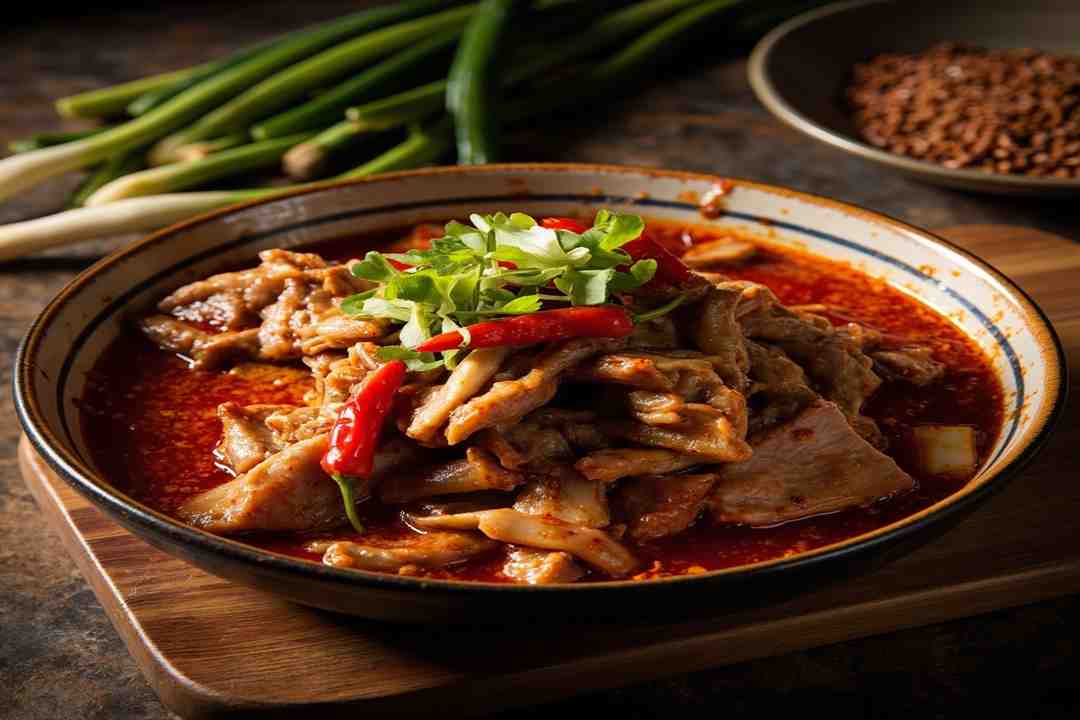
Saliva Chicken—known as Kou Shui Ji in Sichuan cuisine— is a beloved dish that balances numbing, spicy, and savory notes to create an unforgettable flavor. It’s a staple in Sichuan restaurants worldwide, often listed alongside classics like Mapo Tofu, Kung Pao Chicken, and Dan Dan Noodles.
If you’ve ever craved a dish that makes your mouth tingle and your taste buds dance, this is it. This article will walk you through everything you need to know about making authentic Saliva Chicken at home, from its cultural roots to the exact ingredients and steps.
The Story Behind Saliva Chicken
Saliva Chicken has a history rooted in Chengdu, the capital of Sichuan province. Legend says it originated during the Qing Dynasty, when street vendors sold cold chicken dishes to locals.
The name comes from the way the combination of Sichuan peppercorns and chili oil makes your mouth water—so much so that you might salivate just thinking about it.
Unlike some Sichuan dishes that are heavy on oil, Saliva Chicken is a cold appetizer, perfect for hot summer days. It’s part of the Sichuan cold dish repertoire, which also includes dishes like Hot and Sour Soup’s cousin, Sichuan spicy cucumber salad.
The dish’s popularity grew because it’s easy to prepare in bulk, making it ideal for street stalls and family gatherings alike. Today, Saliva Chicken is a must-order at any authentic Sichuan restaurant, often paired with steamed rice or as part of a spread that includes Mapo Tofu and Kung Pao Chicken.
It captures the essence of Sichuan cuisine: bold flavors, balanced spices, and a focus on texture.
What Makes Saliva Chicken Special
What sets Saliva Chicken apart from other spicy chicken dishes is its unique flavor profile. It’s not just hot—it has a distinct numbing kick from Sichuan peppercorns, a tang from black vinegar, and a savory depth from doubanjiang.
This balance makes it stand out from, say, regular spicy chicken wings or even Kung Pao Chicken, which has a sweeter, tangy-sour profile.
The key technique here is cooking the chicken just right. Overcooking makes it dry, so using boneless thighs (which stay juicy even when cooked) is non-negotiable.
Saliva Chicken Another secret is to toast Sichuan peppercorns before grinding them—this releases their essential oils, adding a deep, earthy flavor raw peppercorns can’t match. The sauce is where the magic happens.
It’s a mix of chili oil, doubanjiang, black vinegar, and a touch of sugar to balance the heat. The sauce isn’t just poured over the chicken—it’s carefully mixed to coat every piece, ensuring each bite has the right amount of spice, numbing, and tang.
This attention to detail is what makes Saliva Chicken authentic, not just a random spicy chicken dish.
Ingredients for Saliva Chicken
Below are 16 real ingredients with specific amounts, perfect for 4 servings:
- 300g boneless, skin-on chicken thighs (cut into 2cm cubes)
- 2 tablespoons light soy sauce
- 1 tablespoon Shaoxing wine (Chinese cooking wine)
- 1 teaspoon cornstarch
- 1 medium cucumber (sliced thin into rounds)
- 2 tablespoons Pixian doubanjiang (Sichuan chili bean paste)
- 1 teaspoon whole Sichuan peppercorns
- 1 tablespoon homemade chili oil (or high-quality store-bought)
- 2 garlic cloves (minced finely)
- 1 teaspoon fresh ginger (grated)
- 1 teaspoon granulated sugar
- 1 tablespoon black vinegar
- 2 tablespoons low-sodium chicken broth
- 1 tablespoon toasted sesame seeds
- 2 scallions (sliced thinly for garnish)
- 1 teaspoon sesame oil (for finishing)
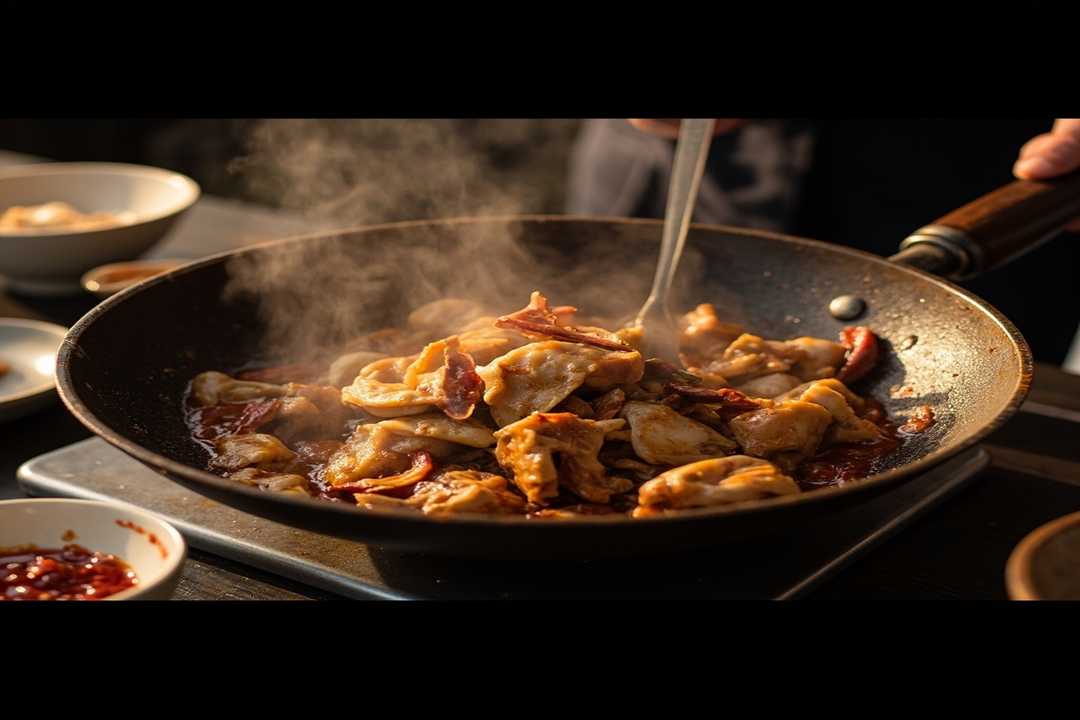
How to Make Saliva Chicken
- Marinate the chicken: In a medium bowl, combine chicken cubes with light soy sauce, Shaoxing wine, and cornstarch. Mix well, then let sit at room temperature for 15 minutes.
- Saliva Chicken This tenderizes the chicken and helps the sauce stick later.
- Toast Sichuan peppercorns: Heat a dry skillet over medium heat. Add whole Sichuan peppercorns and toast for 1 minute, stirring constantly, until fragrant (don’t burn them!).
- Saliva Chicken Transfer to a mortar and pestle, grind into a fine powder, and set aside.
- Prep the base: Arrange sliced cucumber rounds on a large platter. Saliva Chicken This adds a fresh, crisp base that balances the rich chicken and sauce.
- Cook the chicken: Fill a medium pot with 1 liter of water, bring to a rolling boil over high heat. Add the marinated chicken cubes, stir once to separate, then simmer for exactly 8 minutes.
- Saliva Chicken The internal temperature of the chicken should reach 75°C (use a meat thermometer for accuracy).
- Make the sauce base: While the chicken cooks, heat chili oil in a small pan over medium heat. Saliva Chicken Add minced garlic and grated ginger, stir-fry for 30 seconds until fragrant (don’t brown the garlic).
- Cook the doubanjiang: Add Pixian doubanjiang to the pan, stir-fry for 1 minute until the oil turns bright red. Saliva Chicken This releases the umami from the bean paste.
- Finish the sauce: Pour in chicken broth, black vinegar, and sugar. Stir well, then simmer for 2 minutes. Saliva Chicken Add the ground Sichuan peppercorns, mix thoroughly, then turn off the heat.
- Assemble the dish: Place the cooked chicken cubes on top of the cucumber base. Saliva Chicken Pour the entire sauce over the chicken, making sure every piece is coated.
- Garnish: Sprinkle toasted sesame seeds and sliced scallions over the dish. Saliva Chicken Drizzle with sesame oil for an extra layer of nuttiness.
- Serve immediately: Saliva Chicken is best served cold or at room temperature. Don’t let it sit too long, as the cucumber will get soggy.
Common Mistakes with Saliva Chicken
Many home cooks make these mistakes when making Saliva Chicken. Avoid them to get authentic results.
First, overcooking the chicken. Using chicken breast instead of thighs is another mistake—breast gets dry easily.
Always use boneless thighs, and simmer for only 8 minutes. Saliva Chicken Overcooking makes the chicken tough and loses its juiciness.
Second, skipping the toasting step for Sichuan peppercorns. Raw peppercorns have a flat, grassy flavor.
Toasting them brings out the essential oils, which create the signature numbing taste. Saliva Chicken Don’t skip this step—it’s a game-changer.
Third, using too much doubanjiang. Pixian doubanjiang is salty, so 2 tablespoons is enough.
If you use more, the dish will be overly salty. Saliva Chicken Taste the sauce before adding it to the chicken, and adjust if needed.
Serving & Storage
Saliva Chicken is a perfect appetizer for a Sichuan meal. Pair it with other classics like Mapo Tofu, Kung Pao Chicken, and Hot and Sour Soup for a full spread.
It’s also great for summer picnics because it’s served cold.
For storage: Keep leftover Saliva Chicken in an airtight container in the fridge for up to 2 days. Note that the cucumber will lose its crispness after a day, so it’s best to eat it fresh.
To reheat, if you prefer warm, use the microwave for 30 seconds (don’t overheat, as it will make the chicken dry).
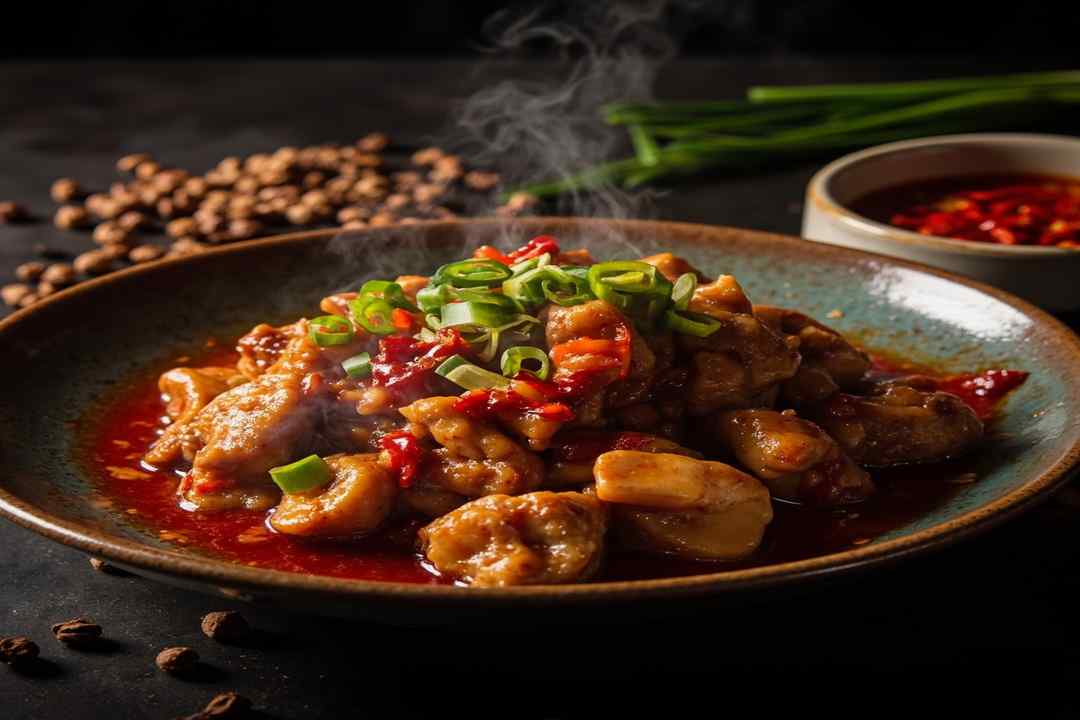
Frequently Asked Questions
Can I make the dish vegetarian?
Yes, this Sichuan classic can be adapted to a vegetarian version by replacing the chicken with high-protein, flavor-absorbent ingredients like pressed firm tofu, seitan, or king oyster mushrooms.
Blanch or pan-fry the substitute to achieve a tender, slightly chewy texture, then toss it in the classic Sichuan saliva sauce (made with chili oil, ground Sichuan peppercorns, black vinegar, soy sauce, garlic, and ginger) instead of the traditional chicken.
What makes the stir-fry authentic Sichuan style?
Authentic Sichuan-style it is defined by its signature “numbing-spicy” (málà) balance and specific core ingredients.
The dish uses toasted Sichuan red chili oil, freshly ground Sichuan peppercorns (which create a unique tingly sensation, unlike regular black peppercorns), black vinegar, light soy sauce, a touch of sugar, and sesame oil.
Authentic versions also feature tender poached chicken (not fried) that’s shredded and tossed in the sauce, often topped with crushed roasted peanuts and scallions for texture.
How spicy is the dish?
this Sichuan classic is generally medium to hot in spice level, ranging from 5,000 to 10,000 on the Scoville scale, but its most notable trait is the lingering tingly numbness from Sichuan peppercorns, not just pure heat.
To adjust the spice: for a milder version, reduce the amount of chili oil or use milder dried chilies, add extra sugar or black vinegar to balance heat, or skip additional chili flakes.
For extra heat, add more Sichuan chili oil or a dash of spicy chili paste.
What can I serve with the stir-fry?
it, a classic Sichuan cold dish, pairs best with items that balance its bold, numbing-spicy flavor.
Traditional side pairings include steamed white rice (to cool and cut through heat), soft steamed mantou (Chinese buns) to sop up the savory sauce, or fresh, light sides like Sichuan cucumber salad, stir-fried bok choy, or pickled mustard greens.
It also works as part of a shared Sichuan meal alongside other dishes like mapo tofu or kung pao chicken.
Can I prepare the dish ahead of time?
Yes, this Sichuan classic is highly suitable for advance preparation, as it’s typically served cold or at room temperature.
You can poach and shred the chicken (or vegetarian substitute) up to 2 days ahead, storing it in an airtight container in the refrigerator.
The sauce is best made fresh, but you can mix its base ingredients (excluding fresh herbs and crunchy toppings like crushed peanuts) up to 1 day ahead.
Toss the chicken with the sauce and add toppings right before serving to preserve texture and flavor.
Final Tip
The best tip for making authentic the stir-fry is to toast your own Sichuan peppercorns. Pre-ground peppercorns often lose their flavor quickly, so toasting whole ones right before grinding makes a huge difference.
Also, don’t skip the cucumber base—it adds a crisp contrast to the tender chicken and rich sauce. Once you try homemade it, you’ll never order it from a restaurant again.
Why Your Sichuan Dry Pot Recipe Never Tastes Like the Restau Easy Traditional Sichuan Cuisine Recipe for Home Cooks Spicy Blood Curd Hot Pot: Sichuan Recipe and Tips Wikipedia {“@context”:”https://schema.org”,”@type”:”FAQPage”,”mainEntity”:[{“@type”:”Question”,”name”:”Can I make Saliva Chicken vegetarian?”,”acceptedAnswer”:{“@type”:”Answer”,”text”:”Yes, Saliva Chicken can be adapted to a vegetarian version by replacing the chicken with high-protein, flavor-absorbent ingredients like pressed firm tofu, seitan, or king oyster mushrooms. Blanch or pan-fry the substitute to achieve a tender, slightly chewy texture, then toss it in the classic Sichuan saliva sauce (made with chili oil, ground Sichuan peppercorns, black vinegar, soy sauce, garlic, and ginger) instead of the traditional chicken.”}},{“@type”:”Question”,”name”:”What makes Saliva Chicken authentic Sichuan style?”,”acceptedAnswer”:{“@type”:”Answer”,”text”:”Authentic Sichuan-style Saliva Chicken is defined by its signature “numbing-spicy” (málà) balance and specific core ingredients. The dish uses toasted Sichuan red chili oil, freshly ground Sichuan peppercorns (which create a unique tingly sensation, unlike regular black peppercorns), black vinegar, light soy sauce, a touch of sugar, and sesame oil. Authentic versions also feature tender poached chicken (not fried) that’s shredded and tossed in the sauce, often topped with crushed roasted peanuts and scallions for texture.”}},{“@type”:”Question”,”name”:”How spicy is Saliva Chicken?”,”acceptedAnswer”:{“@type”:”Answer”,”text”:”Saliva Chicken is generally medium to hot in spice level, ranging from 5,000 to 10,000 on the Scoville scale, but its most notable trait is the lingering tingly numbness from Sichuan peppercorns, not just pure heat. To adjust the spice: for a milder version, reduce the amount of chili oil or use milder dried chilies, add extra sugar or black vinegar to balance heat, or skip additional chili flakes. For extra heat, add more Sichuan chili oil or a dash of spicy chili paste.”}},{“@type”:”Question”,”name”:”What can I serve with Saliva Chicken?”,”acceptedAnswer”:{“@type”:”Answer”,”text”:”Saliva Chicken, a classic Sichuan cold dish, pairs best with items that balance its bold, numbing-spicy flavor. Traditional side pairings include steamed white rice (to cool and cut through heat), soft steamed mantou (Chinese buns) to sop up the savory sauce, or fresh, light sides like Sichuan cucumber salad, stir-fried bok choy, or pickled mustard greens. It also works as part of a shared Sichuan meal alongside other dishes like mapo tofu or kung pao chicken.”}},{“@type”:”Question”,”name”:”Can I prepare Saliva Chicken ahead of time?”,”acceptedAnswer”:{“@type”:”Answer”,”text”:”Yes, Saliva Chicken is highly suitable for advance preparation, as it’s typically served cold or at room temperature. You can poach and shred the chicken (or vegetarian substitute) up to 2 days ahead, storing it in an airtight container in the refrigerator. The sauce is best made fresh, but you can mix its base ingredients (excluding fresh herbs and crunchy toppings like crushed peanuts) up to 1 day ahead. Toss the chicken with the sauce and add toppings right before serving to preserve texture and flavor.”}}]} { “@context”: “https://schema.org”, “@type”: “Article”, “headline”: “Saliva Chicken: Sichuan Recipe and Home Cooking Tips”, “description”: “Saliva Chicken has a history rooted in Chengdu, the capital of Sichuan province…”, “author”: { “@type”: “Person”, “name”: “Editorial Team” }, “datePublished”: “2026-07-07T23:19:27.841195+00:00”, “dateModified”: “2026-07-07T23:19:27.841195+00:00” } { “@context”: “https://schema.org”, “@type”: “Recipe”, “name”: “Saliva Chicken”, “description”: “Saliva Chicken has a history rooted in Chengdu, the capital of Sichuan province…”, “recipeIngredient”: [ “300g boneless, skin-on chicken thighs (cut into 2cm cubes)”, “2 tablespoons light soy sauce”, “1 tablespoon Shaoxing wine (Chinese cooking wine)”, “1 teaspoon cornstarch”, “1 medium cucumber (sliced thin into rounds)”, “2 tablespoons Pixian doubanjiang (Sichuan chili bean paste)”, “1 teaspoon whole Sichuan peppercorns”, “1 tablespoon homemade chili oil (or high-quality store-bought)”, “2 garlic cloves (minced finely)”, “1 teaspoon fresh ginger (grated)”, “1 teaspoon granulated sugar”, “1 tablespoon black vinegar”, “2 tablespoons low-sodium chicken broth”, “1 tablespoon toasted sesame seeds”, “2 scallions (sliced thinly for garnish)”, “1 teaspoon sesame oil (for finishing)” ], “recipeInstructions”: [ { “@type”: “HowToStep”, “text”: “Marinate the chicken: In a medium bowl, combine chicken cubes with light soy sauce, Shaoxing wine, and cornstarch. Mix well, then let sit at room temperature for 15 minutes.” }, { “@type”: “HowToStep”, “text”: “Saliva Chicken This tenderizes the chicken and helps the sauce stick later.” }, { “@type”: “HowToStep”, “text”: “Toast Sichuan peppercorns: Heat a dry skillet over medium heat. Add whole Sichuan peppercorns and toast for 1 minute, stirring constantly, until fragrant (don’t burn them!).” }, { “@type”: “HowToStep”, “text”: “Saliva Chicken Transfer to a mortar and pestle, grind into a fine powder, and set aside.” }, { “@type”: “HowToStep”, “text”: “Prep the base: Arrange sliced cucumber rounds on a large platter. Saliva Chicken This adds a fresh, crisp base that balances the rich chicken and sauce.” }, { “@type”: “HowToStep”, “text”: “Cook the chicken: Fill a medium pot with 1 liter of water, bring to a rolling boil over high heat. Add the marinated chicken cubes, stir once to separate, then simmer for exactly 8 minutes.” }, { “@type”: “HowToStep”, “text”: “Saliva Chicken The internal temperature of the chicken should reach 75°C (use a meat thermometer for accuracy).” }, { “@type”: “HowToStep”, “text”: “Make the sauce base: While the chicken cooks, heat chili oil in a small pan over medium heat. Saliva Chicken Add minced garlic and grated ginger, stir-fry for 30 seconds until fragrant (don’t brown the garlic).” }, { “@type”: “HowToStep”, “text”: “Cook the doubanjiang: Add Pixian doubanjiang to the pan, stir-fry for 1 minute until the oil turns bright red. Saliva Chicken This releases the umami from the bean paste.” }, { “@type”: “HowToStep”, “text”: “Finish the sauce: Pour in chicken broth, black vinegar, and sugar. Stir well, then simmer for 2 minutes. Saliva Chicken Add the ground Sichuan peppercorns, mix thoroughly, then turn off the heat.” }, { “@type”: “HowToStep”, “text”: “Assemble the dish: Place the cooked chicken cubes on top of the cucumber base. Saliva Chicken Pour the entire sauce over the chicken, making sure every piece is coated.” }, { “@type”: “HowToStep”, “text”: “Garnish: Sprinkle toasted sesame seeds and sliced scallions over the dish. Saliva Chicken Drizzle with sesame oil for an extra layer of nuttiness.” }, { “@type”: “HowToStep”, “text”: “Serve immediately: Saliva Chicken is best served cold or at room temperature. Don’t let it sit too long, as the cucumber will get soggy.” } ], “image”: “https://www.mysichuanfood.com/wp-content/uploads/2026/07/Saliva-Chicken-2.jpg” } n