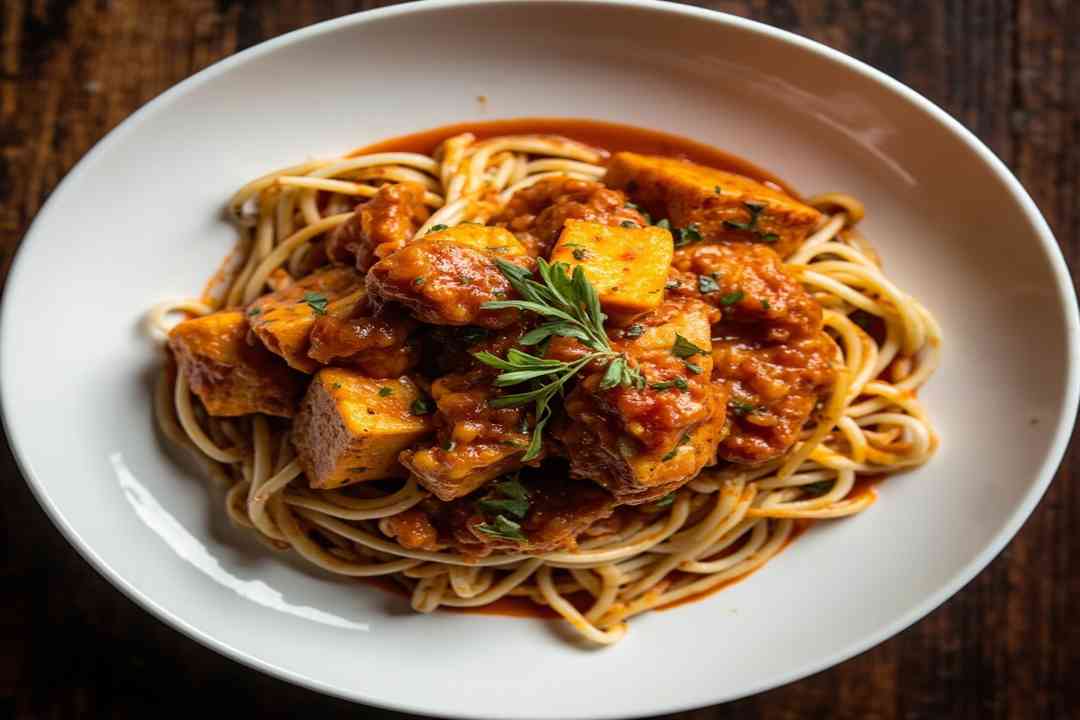
This mapo tofu recipe reveals authentic Sichuan cooking secrets that professional chefs use in Chinese restaurants.
You’ll learn the exact techniques, timing, and ingredient ratios for restaurant-quality results.
Follow this mapo tofu recipe to create the perfect balance of spicy, numbing, and savory flavors at home.
What Makes This Mapo Tofu Recipe Authentic?
The dish originated in Chengdu during the 1860s when a woman with a pockmarked face created the original version.
Her restaurant became famous throughout China, and today this mapo tofu recipe remains one of Sichuan’s most beloved dishes.
Authentic preparation requires specific ingredients that define every great Sichuan dish.
Pixian doubanjiang provides the signature fermented flavor and deep red color.
Sichuan peppercorn creates the numbing sensation known as “ma” in Chinese cuisine.
These two ingredients combine to produce the famous ma la taste that makes this mapo tofu recipe unforgettable.
Essential Ingredients You Need
Gather these items before starting your mapo tofu recipe:
- 1 block soft tofu (14 oz) – cut into 1-inch cubes
- 4 oz ground pork
- 2 tablespoons Pixian doubanjiang (fermented broad bean paste)
- 1 tablespoon fermented black beans, chopped
- 3 cloves garlic, minced
- 1 inch fresh ginger, minced
- 1 cup chicken stock
- 1 teaspoon Sichuan peppercorn powder
- 2 tablespoons vegetable oil
- 1 tablespoon soy sauce
- 1 tablespoon cornstarch mixed with 2 tablespoons water
- 2 green onions, chopped
- 1 teaspoon chili oil (optional for extra heat)
Quality ingredients make the difference in any mapo tofu recipe. Fresh tofu absorbs flavors better than packaged versions.
Authentic Pixian doubanjiang is crucial – look for brands from Pixian county in Sichuan province.
Step-by-Step Cooking Instructions
Follow this mapo tofu recipe exactly for best results.
Step 1: Prepare the tofu
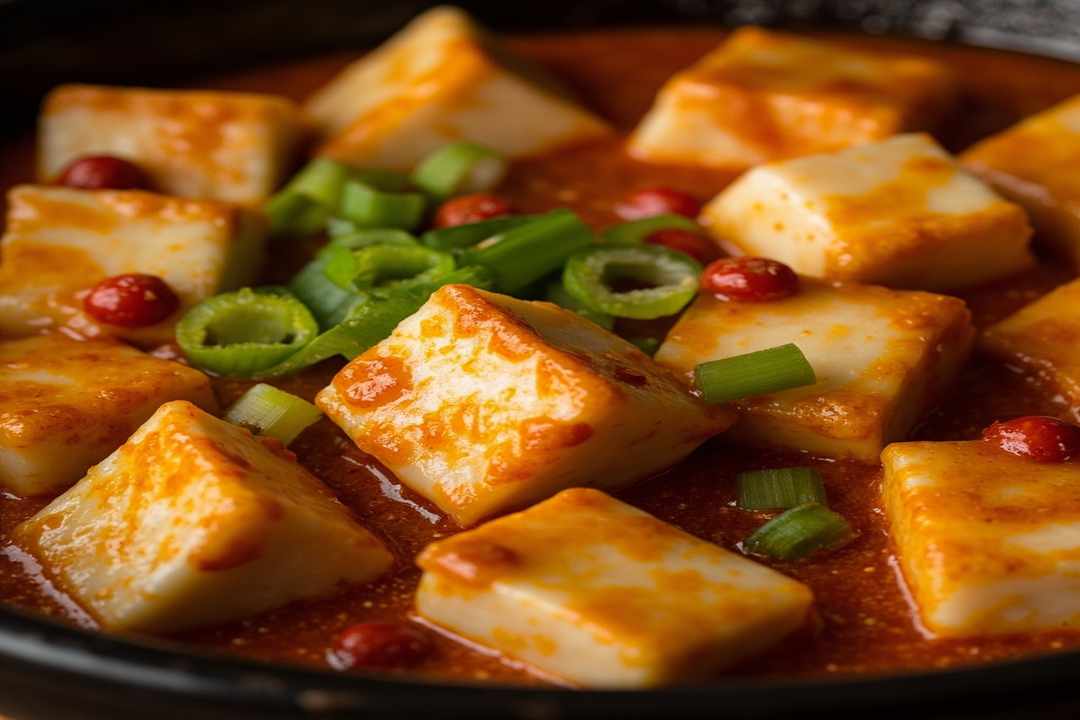
Cut soft tofu into 1-inch cubes. Boil water with 1 teaspoon salt, then blanch tofu cubes for 2 minutes.
This prevents breaking during cooking. Drain and set aside.
Step 2: Toast the peppercorns
Heat a dry pan over medium heat. Add Sichuan peppercorns and toast for 2-3 minutes until fragrant but not burned.
Grind the toasted peppercorns into fine powder. This creates the signature numbing sensation.
Step 3: Cook the aromatics
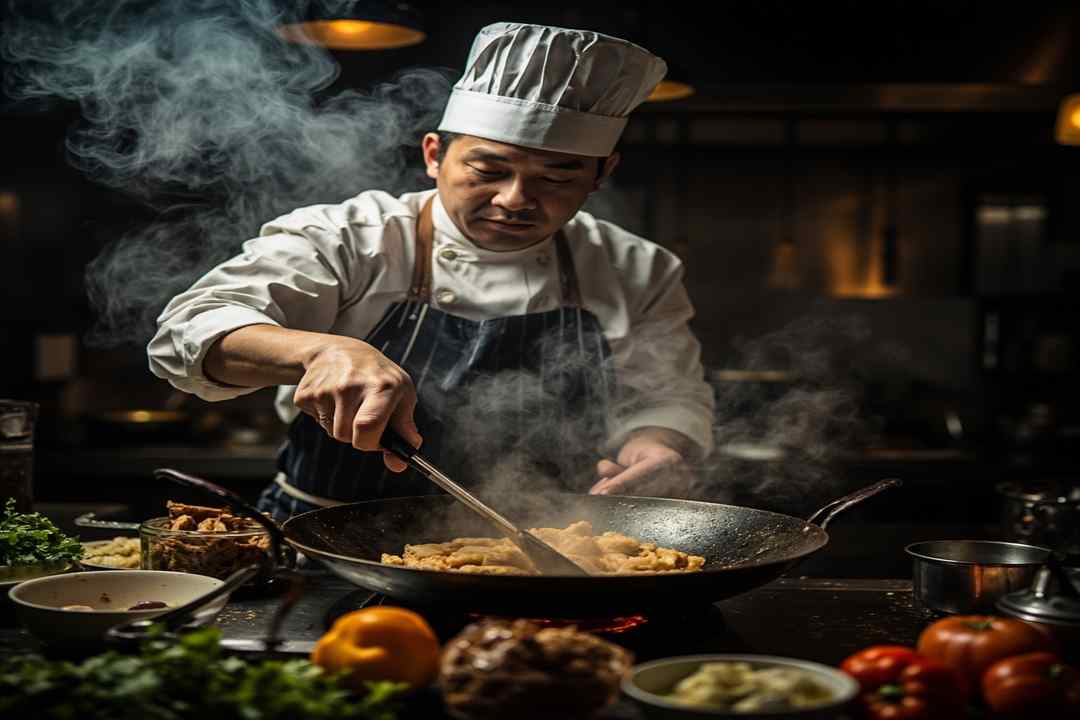
Heat 2 tablespoons oil in a wok over high heat. Add Pixian doubanjiang and stir-fry for 2 minutes until the oil turns bright red.
Add minced garlic and ginger, stir-fry for 30 seconds until fragrant.
Step 4: Brown the meat
Add ground pork to the wok. Break it into small pieces with your spatula and cook until completely browned, about 3-4 minutes.
The pork adds essential umami flavor to this mapo tofu recipe.
Step 5: Build the sauce
Pour in chicken stock and bring to a boil. Add soy sauce and fermented black beans.
Stir well to combine all flavors. Let the mixture simmer for 2 minutes.
Step 6: Add the tofu
Gently slide tofu cubes into the sauce. Don’t stir vigorously or pieces will break.
Shake the wok gently to coat everything. Simmer for 5 minutes to let tofu absorb the flavors.
Step 7: Thicken the sauce
Pour the cornstarch slurry around the edge of the wok. Gently shake to distribute the thickener.
The sauce will thicken in about 30 seconds to the perfect consistency.
Step 8: Final touches
Sprinkle ground Sichuan peppercorn over the dish. Add chopped green onions and drizzle with chili oil if desired.
Your mapo tofu recipe is now complete and ready to serve.
Professional Cooking Tips
These secrets elevate your mapo tofu recipe to restaurant quality.
Tip 1: Choose soft tofu
Soft tofu has the ideal texture for this dish. Firm tofu stays too solid and doesn’t absorb sauce properly.
Silken tofu breaks apart too easily. Look for tofu labeled “soft” at Asian markets.
Tip 2: Don’t skip blanching
Blanching removes excess water from tofu and helps pieces hold their shape during cooking.
This step is crucial for professional results in any mapo tofu recipe.
Tip 3: Use high heat
Sichuan cooking requires high heat throughout to create the characteristic wok hei flavor.
Your wok should be smoking hot before adding ingredients.
Tip 4: Add peppercorn at the end
Heat destroys the numbing sensation of Sichuan peppercorn. Always add ground peppercorn after cooking finishes.
This preserves the ma la flavor profile that defines this mapo tofu recipe.
Tip 5: Control sauce consistency
The sauce should coat tofu without being too thick. Add cornstarch slurry gradually while observing.
The final consistency should resemble light gravy that flows naturally on the plate.
Common Mistakes to Avoid
Learn from these frequent errors when making this mapo tofu recipe.
Using firm tofu
Firm tofu doesn’t absorb the sauce properly and creates a dry, bland result.
Always use soft tofu for authentic texture.
Skipping the doubanjiang
Doubanjiang is irreplaceable in Sichuan cooking. No substitute provides the same depth of flavor.
Invest in authentic Pixian brand for best results.
Adding peppercorn too early
Cooking destroys the numbing sensation. Raw peppercorns taste bitter and unpleasant.
Toast first, grind, then add at the very end.
Overcooking the tofu
Too much cooking makes tofu tough and rubbery. Five minutes of simmering is sufficient.
The tofu should remain silky and tender.
Using too much cornstarch
Excess cornstarch creates a gluey, paste-like sauce. Start with less and add more if needed.
The sauce should flow naturally on the plate.
Vegetarian Version
You can make this mapo tofu recipe without meat.
Replace ground pork with diced shiitake mushrooms. Shiitake provides meaty texture and umami flavor.
Dice mushrooms finely to mimic ground meat. Use vegetable stock instead of chicken stock.
The rest of the process stays exactly the same. The result is still delicious and authentic.
Many Buddhist temples in Sichuan serve this version.
Serving Suggestions
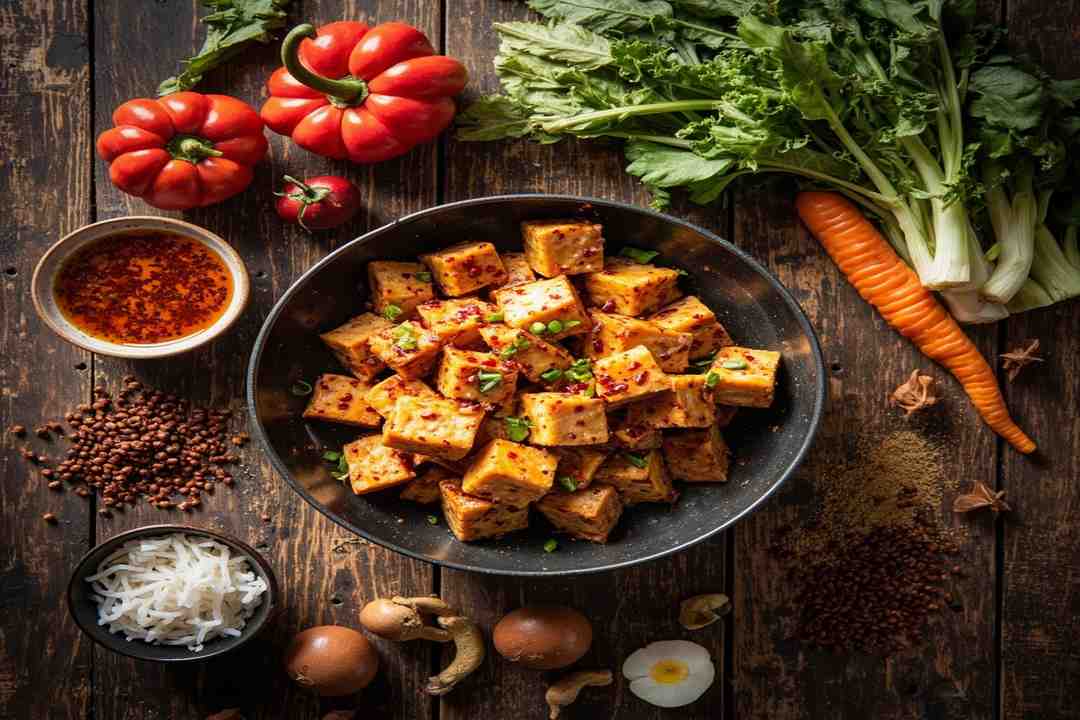
Serve the dish immediately while hot. The flavors are best at peak temperature.
Pair with steamed white rice to balance the heat. The rice absorbs the delicious sauce perfectly.
Add a side of stir-fried vegetables for complete meal. Bok choy or Chinese broccoli work well.
Green tea helps cleanse the palate between bites. Cold beer is also a popular pairing in Sichuan.
Storage and Reheating
Store leftovers in an airtight container. Refrigerate for up to 3 days.
The tofu texture changes slightly when cold. Reheat gently in a pan over medium heat.
Add a splash of water if the sauce thickens too much. Microwave reheating works but affects texture more.
Add fresh ground peppercorn after reheating. This restores the numbing sensation.
Frequently Asked Questions
Can I use chicken instead of pork?
Yes, ground chicken works as a substitute. The flavor will be slightly lighter. Pork provides more richness and traditional taste.
Where can I buy Pixian doubanjiang?
Asian grocery stores carry this ingredient. Online retailers like Amazon also stock it. Look for brands from Pixian county in Sichuan.
How spicy is this dish?
The heat level is moderate to high. Reduce doubanjiang for milder version. The numbing sensation is separate from spiciness.
Can I make this ahead of time?
The dish tastes best when freshly made. You can prep ingredients in advance. Cook just before serving for optimal texture.
What makes Sichuan peppercorn special?
It creates a unique tingling, numbing sensation. This is different from regular black pepper heat. The effect is called “ma” in Chinese cuisine.
Once you master this mapo tofu recipe, explore other Sichuan classics.
Kung Pao chicken features similar flavor profiles with chicken, peanuts, and dried chilies.
Dan dan noodles offer another famous spicy option from Sichuan street food culture.
Each dish reveals different aspects of Sichuan cuisine techniques.
The common thread is bold, complex flavors that balance spicy, numbing, salty, and savory elements.
Final Tips for Success
Practice makes perfect with Sichuan cooking. Don’t worry if your first attempt isn’t perfect.
The technique improves with repetition. Taste and adjust seasonings as you cook.
Every wok and stove heats differently. Trust your senses more than exact timing.
The aroma will guide you through each step. Most importantly, enjoy the cooking process.
Sichuan cuisine is meant to be bold and fun. Share your creation with friends and family.
The communal experience enhances the flavors. Now you have all the knowledge to create authentic results.
Start cooking and experience the magic of Sichuan flavors with this mapo tofu recipe.