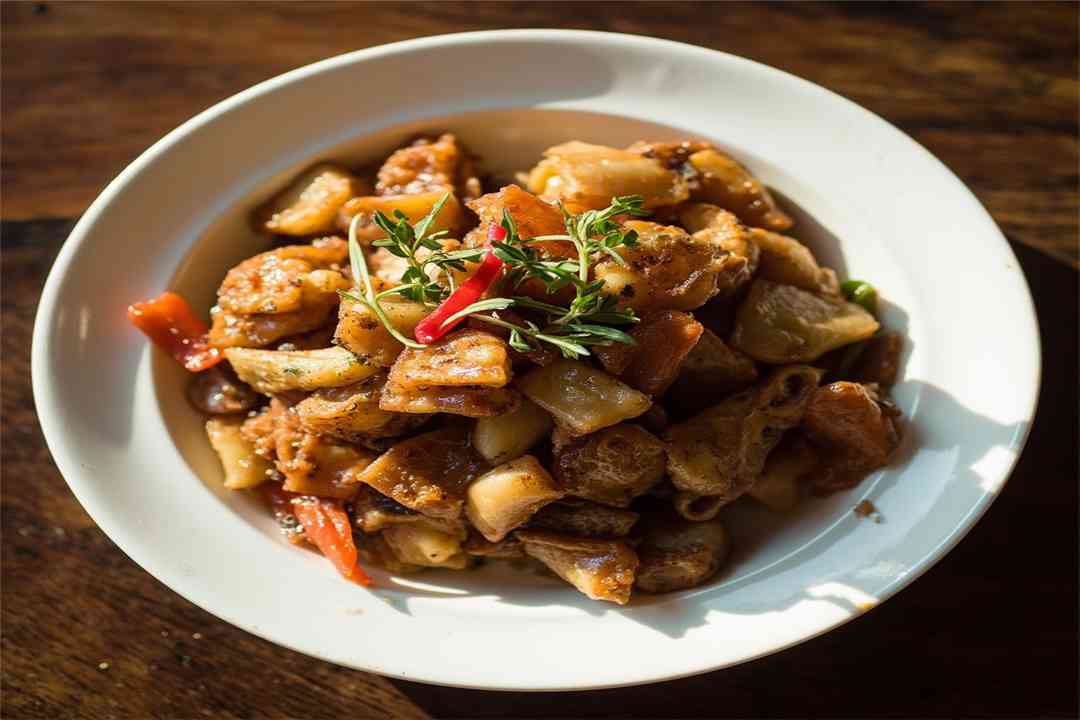
Sichuan food origin is a tapestry woven from ancient trade routes, harsh mountain climates, and bold flavor experiments that have stood the test of time. It’s not just a set of recipes – it’s a reflection of how local people adapted to their environment over millennia.
For centuries, Sichuan’s humid, foggy valleys made daily life feel damp and sluggish. Locals turned to spicy, aromatic ingredients to balance that moisture, creating a flavor profile that’s now famous worldwide.
This cuisine isn’t about random heat; it’s a purposeful blend of taste and tradition.
The Story Behind Sichuan food origin
The roots of Sichuan food stretch back to the Ba-Shu kingdoms of 3000 years ago. These early communities grew rice, bamboo, and spices that thrived in their fertile land.
But the cuisine as we know it today took shape when chili peppers arrived in China in the 16th century, brought by Spanish traders along the Maritime Silk Road.
Before chili, Sichuan cooks used Sichuan peppercorn, ginger, and garlic to add depth. Chili was a game-changer – it packed intense heat that paired perfectly with the existing numbing tingle of Sichuan peppercorn.
This combination, called “ma la” (numbing-spicy), became the signature of Sichuan cooking. Iconic dishes like Mapo Tofu (from 19th-century Chengdu street vendors) and Dan Dan Noodles (originally carried by street sellers in bamboo poles) emerged from this era.
Sichuan food origin also ties to resourcefulness. Poor locals used cheap, readily available ingredients like fermented chili bean paste (doubanjiang) and soft tofu to create hearty, flavorful meals.
These recipes were passed down through families, evolving slightly with each generation but keeping their core identity intact.
What Makes Sichuan food origin Special
What sets Sichuan food apart is its commitment to the “ma la” balance – two sensations that work together to create a unique eating experience. The “ma” comes from Sichuan peppercorn, which triggers a tingling, numbing feeling on the tongue.
The “la” is the slow, lingering heat from chili peppers, not the sharp burn of other varieties.
Technique is another key part of Sichuan food origin. Dishes like Mapo Tofu require quick stir-frying to keep ingredients fresh, and careful simmering to let flavors meld.
Wok hei (the “breath” of the wok) is essential – high heat sears ingredients quickly, locking in taste and texture. Unlike many other regional Chinese cuisines, Sichuan food isn’t afraid to mix bold flavors.
Sweet, sour, salty, and spicy often come together in one dish, creating layers that keep every bite interesting. This complexity is why it’s beloved by food lovers around the world.
Ingredients for Sichuan Food Origin (Core Recipe: Authentic Mapo Tofu)
- 300g soft silken tofu (cubed into 2cm pieces)
- 2 tablespoons Pixian doubanjiang (chopped fermented chili bean paste, the gold standard)
- 1 teaspoon Sichuan red peppercorns (toasted, ground)
- 1.5 tablespoons vegetable oil (neutral flavor, high smoke point)
- 1 garlic clove (fresh, minced)
- 1 teaspoon fresh ginger (grated, no pulp)
- 1 spring onion (white parts minced, green parts sliced thin)
- 1 tablespoon light soy sauce (for salt and umami)
- ½ teaspoon granulated sugar (balances salt and heat)
- 100ml low-sodium chicken stock (or vegetable stock for vegan)
- 1 teaspoon cornstarch (mixed with 2 tablespoons cold water, slurry)
- 5 dried red chilies (cut into 1-inch sections, optional for extra heat)
- ¼ teaspoon ground black pepper (subtle depth)
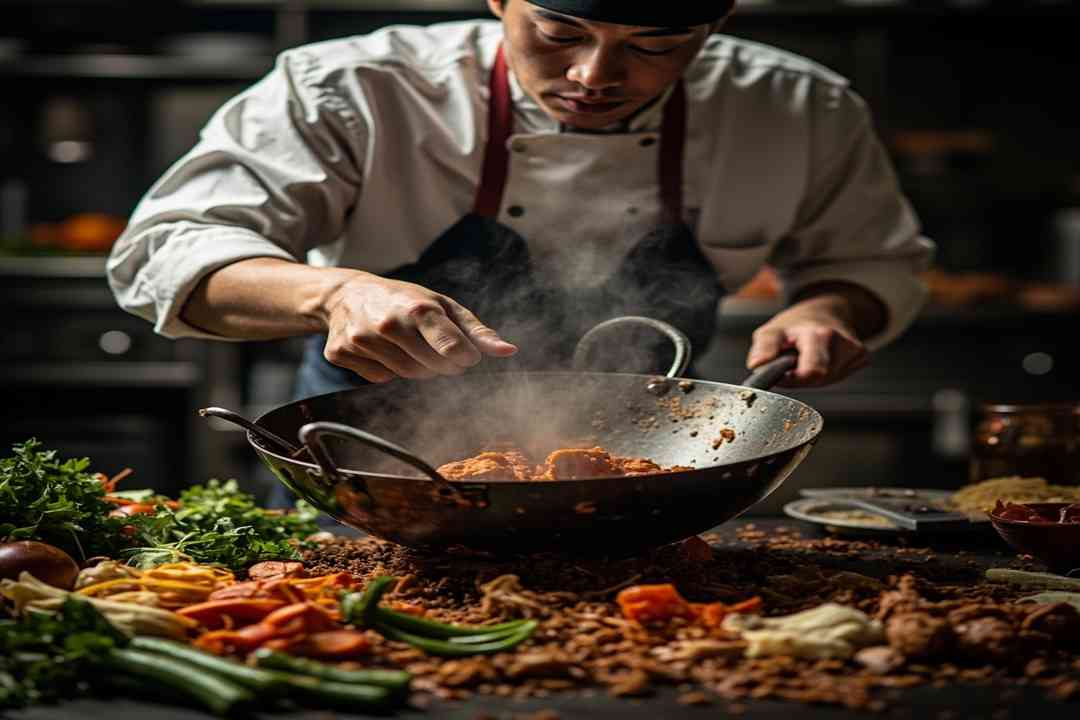
How to Make Sichuan Food Origin: Authentic Mapo Tofu
- Toast Sichuan peppercorns in a dry skillet over medium heat for 1 minute. Stir constantly to avoid burning.
- Remove the peppercorns, let them cool for 30 seconds, then grind to a fine powder using a mortar or spice grinder.
- Bring a small pot of salted water to a boil. Add the tofu cubes, simmer for 2 minutes, then drain gently.
- Heat 1.5 tablespoons of vegetable oil in a wok over medium-high heat (target temperature: 180°C).
- Add the chopped Pixian doubanjiang to the wok. Stir-fry for 1 minute until the oil turns bright red and fragrant.
- Toss in minced garlic, grated ginger, and white spring onion parts. Stir-fry for 30 seconds until aromatic.
- Pour in chicken stock, light soy sauce, sugar, and dried red chilies (if using). Bring to a gentle simmer for 2 minutes.
- Gently add the blanched tofu cubes to the wok. Tilt the wok slightly to avoid stirring roughly – this keeps tofu intact.
- Simmer the tofu for 3 minutes, letting it absorb the spicy, savory sauce. Do not stir aggressively.
- Stir the cornstarch slurry well, then pour it into the wok in a slow, steady stream.
- Stir gently with a spatula for 1-2 minutes until the sauce thickens and coats every tofu cube.
- Turn off the heat. Sprinkle the ground Sichuan peppercorn powder and sliced green spring onions on top.
- Serve immediately with steamed white rice for the perfect balance.
Common Mistakes with Sichuan Food Origin
Many home cooks ruin authentic Sichuan dishes by skipping key steps or misusing ingredients. The first big mistake is not toasting Sichuan peppercorns before grinding.
Raw peppercorns taste flat and bitter, not aromatic. Always toast them lightly in a dry pan to release their essential oils.
The second common mistake is over-stirring Mapo Tofu. Soft silken tofu breaks easily, turning the dish into a mushy mess.
Instead of a spatula, tilt the wok or use a large spoon to lift the tofu gently. A third mistake is using too much doubanjiang.
Pixian doubanjiang is fermented and very salty. Stick to 2 tablespoons for a balanced flavor – adding more can make the dish unpleasantly salty, overpowering the other notes.
Serving & Storage
Authentic Mapo Tofu is best served hot, right after cooking. Pair it with steamed white rice to cut through the ma la heat and balance the flavors.
You can also add it to Dan Dan Noodles for a classic Sichuan noodle dish, or use it as a topping for congee.
For leftovers, store the Mapo Tofu in an airtight container in the fridge for up to 2 days. Reheat gently in a small pot over low heat, adding a splash of water if the sauce is too thick.
Do not freeze the dish – the texture of the tofu will become grainy and unappetizing.
Frequently Asked Questions
Can I make Sichuan food origin vegetarian?
Yes, Sichuan food origin can be easily adapted to vegetarian diets.
Traditional meat-based ingredients (such as pork in Mapo Tofu or beef in Kung Pao Chicken) can be substituted with plant-based proteins like firm tofu, tempeh, or seitan.
Core Sichuan staples—including fermented broad bean paste (doubanjiang), Sichuan peppercorns, dried chilies, and garlic—are naturally vegetarian, so the authentic, bold flavors remain intact.
Many classic Sichuan dishes, like Mapo Tofu, are already vegetarian when prepared without added meat, making them ideal for plant-based versions.
What makes Sichuan food origin authentic Sichuan style?
Authentic Sichuan food origin is defined by its iconic “málà” (numbing-spicy) flavor profile, rooted in two signature ingredients: Sichuan peppercorns (which create a unique tingly, numbing sensation) and dried red chilies.
Key techniques include quick stir-frying, braising, and steaming, paired with fermented seasonings like doubanjiang and black bean sauce.
Unlike food focused only on heat, authentic Sichuan cuisine balances five core flavors: sour, sweet, bitter, spicy, and aromatic, creating a complex, layered taste.
How spicy is Sichuan food origin?
Sichuan food origin’s spice level varies widely by dish and regional sub-style within Sichuan, ranging from mild to intensely spicy.
Dishes like cold poached chicken (Bai Qie Ji) are mild, while fiery options like strange flavor duck (Guai Wei Ya) or twice-cooked pork (Er Kuai Rou) are much spicier.
The heat comes from dried chilies, paired with Sichuan peppercorn’s numbing tingle, rather than just pure heat.
To adjust spice, reduce the number of dried chilies, use a milder fermented bean paste, or add cooling elements like sesame paste, sugar, or cucumber to balance the heat.
What can I serve with the sauce?
this sauce pairs best with neutral, starchy sides that balance its bold, spicy flavors.
The most classic accompaniment is steamed white rice, which soaks up rich sauces and cuts through heat.
Other popular sides include soft steamed buns (mantou) for wrapping savory fillings, tangy cold cucumber salads to cool the palate, or Sichuan pickled radish for an extra bright, balancing bite.
For a heartier meal, hand-pulled noodles also work well, creating a satisfying, carb-rich spread.
Can I prepare the tofu sauce ahead of time?
Yes, many the mixture dishes can be prepped ahead of time, though some require fresh cooking.
Dishes with thick, saucy components (like Mapo Tofu or Yu Xiang Rou Si) taste better when made 1–2 days in advance, as their flavors meld deeper in the fridge.
Cooked Sichuan dishes can be stored in airtight containers in the refrigerator for up to 3–4 days.
For crisp stir-fried dishes (like Kung Pao Chicken), prep all ingredients (chopped veggies, marinated proteins, measured spices) ahead of time, but cook them right before serving to retain their texture.
Final Tip
The beauty of it lies in its simplicity and purpose. Every ingredient and technique was chosen to solve a local need, whether that’s balancing damp weather or creating a hearty meal for hardworking people.
Don’t be afraid to tweak the recipe to your taste – but keep the Sichuan peppercorn and doubanjiang at the core to capture that unforgettable, authentic ma la experience.
10 Mistakes That Ruin Sichuan Soup Recipes (And How to Fix T Authentic Sichuan Chili Oil: Sichuan Home Cooking Guide Sichuan tofu recipes Kung Pao Chicken: A Flavorful Journey Through Sichuan Cuisine Wikipedia
Quick Answer: How to Verify Authentic Sichuan Food Origin: Sichuan Home Cooking Guide
Authentic Sichuan Food Origin: Sichuan Home Cooking Guide should be evaluated through ingredient role, heat control, flavor balance, and texture. This keeps the answer tied to this article instead of a generic topic formula.
Evidence Dimensions for Authentic Sichuan Food Origin: Sichuan Home Cooking Guide
- Article: Authentic Sichuan Food Origin: Sichuan Home Cooking Guide
- Verification focus: ingredient role, heat control, flavor balance, and texture
- Boundary check: Does the method explain where aroma and heat enter the recipe?
Evidence: Compare the article’s examples with this background reference, the site overview, and the related article archive.
Quick reference: Authentic Sichuan Food Origin: Sichuan Home Cooking Guide = direct answer + ingredient role, heat control, flavor balance, and texture + a stated usage boundary.
Questions Readers Ask About Authentic Sichuan Food Origin: Sichuan Home Cooking Guide
Does the method explain where aroma and heat enter the recipe?
Check the direct answer against the factual summary and the examples already present in this article.
Which outside source helps verify this page?
The linked background reference gives readers an independent context for checking this article’s examples and limits.