Spicy Boiled Fish works best when the sauce, heat, and timing are planned before cooking.
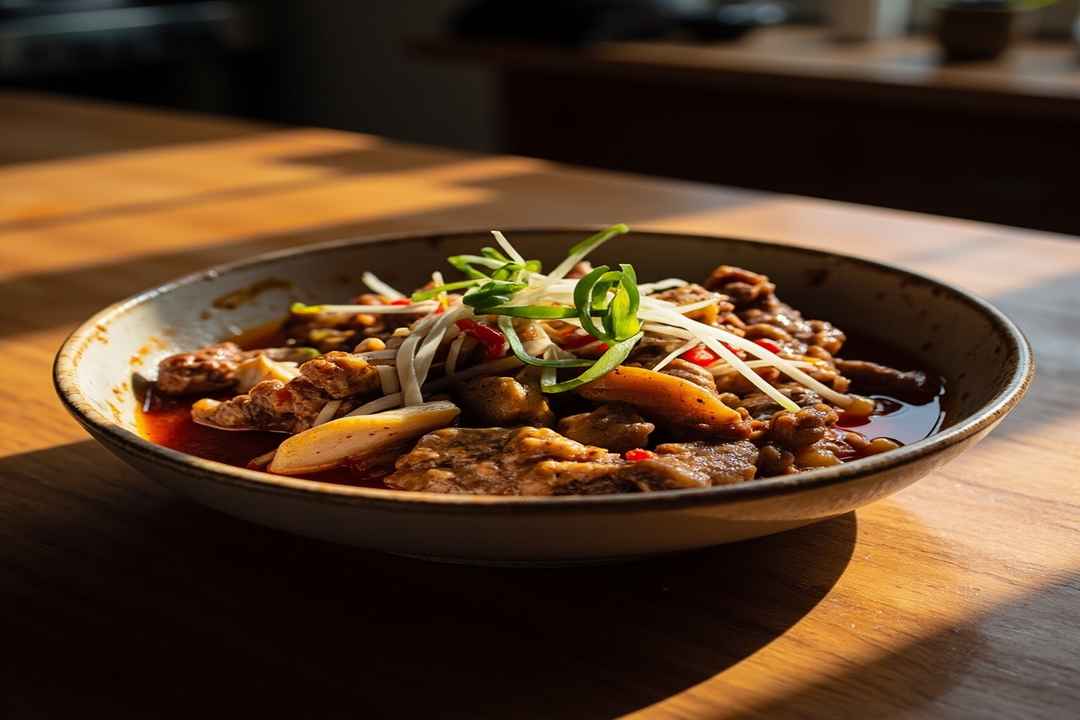
Spicy Boiled Fish (Shui Yu) is one of Sichuan’s most beloved home-style and restaurant dishes, balancing bold heat with the delicate freshness of fish. Unlike generic spicy fish dishes, it’s defined by the iconic Sichuan ma-la (numbing-spicy) profile—think the tingle of Sichuan peppercorns paired with slow-burn heat from fermented chili bean paste.
In Sichuan homes, it’s a go-to for gatherings, often paired with steamed rice and side dishes like Hot and Sour Soup to round out the meal. It stands shoulder-to-shoulder with other Sichuan classics like Mapo Tofu and Dan Dan Noodles, offering a hearty, flavor-packed option that appeals to both locals and curious food lovers.
The Story Behind Spicy Boiled Fish
Spicy Boiled Fish has roots in Sichuan’s rural cooking traditions. Centuries ago, villagers living near the Yangtze River used fresh river fish to make hearty meals that could feed large groups.
They adapted the region’s signature spicy techniques—using fermented chili bean paste and Sichuan peppercorns—to create a dish that was both comforting and bold. The boiled (shui zhu) method, originally used for tougher meats like beef, was adjusted for fish to ensure quick cooking and tender results.
Over time, it evolved into a staple in both street stalls and fine dining restaurants across Sichuan, with slight variations in spice levels depending on the region. Today, it’s recognized globally as a must-try Sichuan dish, often featured alongside other iconic plates like Kung Pao Chicken in international Chinese restaurant menus.
What Makes Spicy Boiled Fish Special
What sets Spicy Boiled Fish apart from other spicy fish dishes is its perfect balance of flavors and textures. The ma-la combination is non-negotiable: Sichuan peppercorns add a unique, lingering tingle on the tongue, while doubanjiang brings deep, fermented umami that cuts through the heat.
The fish is sliced thin and cooked quickly, so it stays tender and flaky, not rubbery. Another key element is the final layer of chili oil, which infuses every bite with aromatic heat.
Unlike some spicy dishes that rely on just chili, this dish uses a mix of ingredients to create complexity—from garlic and ginger to a hint of rice vinegar that brightens the flavors. Beginners often overlook the importance of timing here: overcooking the fish ruins its delicate texture, so precision is key to getting it right.
Ingredients for Spicy Boiled Fish
- 500g fresh white fish fillet (tilapia or sea bass, sliced 1cm thick)
- 150g Napa cabbage (cut into 5cm pieces)
- 100g fresh bean sprouts (trimmed)
- 2 tablespoons Pixian doubanjiang (Sichuan fermented chili bean paste)
- 1 tablespoon Sichuan chili flakes
- 1 teaspoon toasted Sichuan peppercorns (crushed)
- 3 garlic cloves (minced)
- 1-inch fresh ginger (grated)
- 2 scallions (white parts minced, green parts sliced for garnish)
- 1 tablespoon rice vinegar
- 1 teaspoon granulated sugar
- 500ml chicken or fish stock
- 3 tablespoons neutral oil (peanut or canola)
- 1 teaspoon cornstarch (for marinating fish)
- 1 tablespoon Shaoxing wine (for marinating fish)
How to Make Spicy Boiled Fish
- Marinate the fish: In a small bowl, mix fish slices with 1 tablespoon Shaoxing wine, 1 teaspoon cornstarch, and a pinch of salt. Spicy Boiled Fish Toss gently to coat, then set aside for 10 minutes until the cornstarch forms a thin, even layer.
- Blanch veggies: Bring a pot of water to a rolling boil. Spicy Boiled Fish Add Napa cabbage and bean sprouts, cook for 2 minutes until tender-crisp, then drain and spread evenly in the bottom of a large serving bowl.
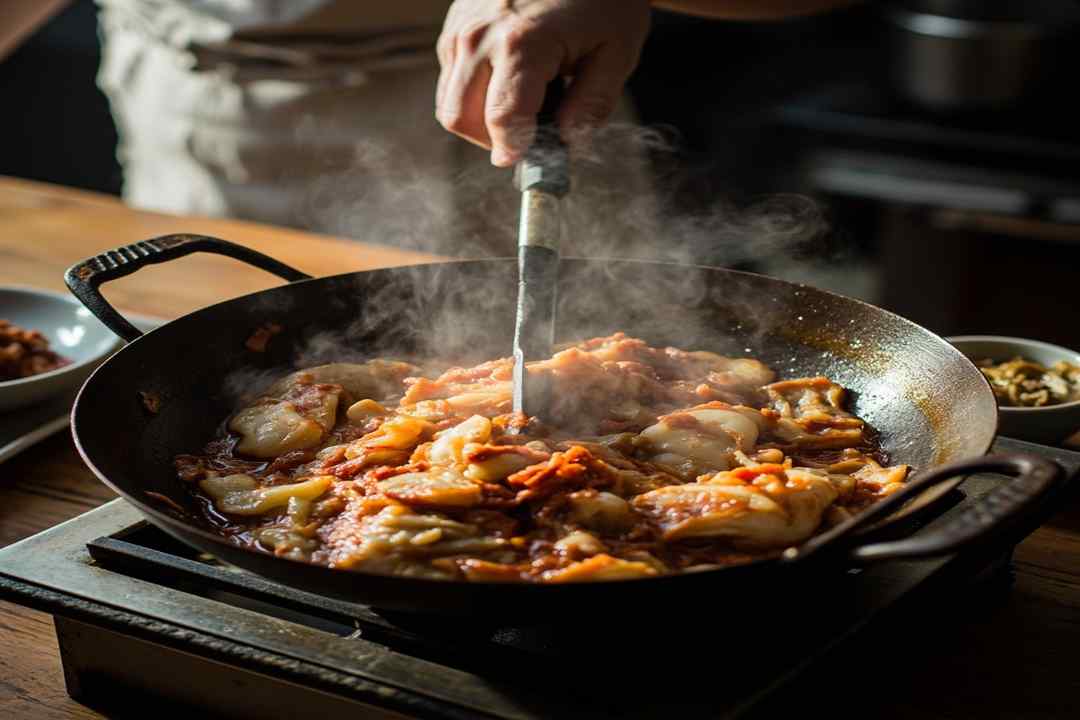
- Sauté aromatics: Heat 2 tablespoons of oil in a wok over medium heat. Add minced garlic, grated ginger, and white scallion parts.
- Spicy Boiled Fish Stir-fry for 30 seconds until fragrant—don’t let the garlic brown.
- Cook the chili base: Add 2 tablespoons Pixian doubanjiang to the wok. Spicy Boiled Fish Stir-fry for 1 minute over medium heat until the oil turns bright red and the paste releases its deep, savory aroma.
- Make the broth: Pour 500ml stock, 1 tablespoon rice vinegar, and 1 teaspoon sugar into the wok. Spicy Boiled Fish Stir to combine, then bring to a gentle simmer—don’t boil aggressively.
- Cook the fish: Carefully add the marinated fish slices to the simmering broth. Cook for 2-3 minutes until the fish is opaque and flaky (test with a fork to ensure it’s cooked through).
- Spicy Boiled Fish If your wok is small, cook in batches to avoid overcrowding.
- Assemble the dish: Use a slotted spoon to transfer the cooked fish slices to the serving bowl on top of the veggies. Spicy Boiled Fish Reserve the remaining broth in the wok.
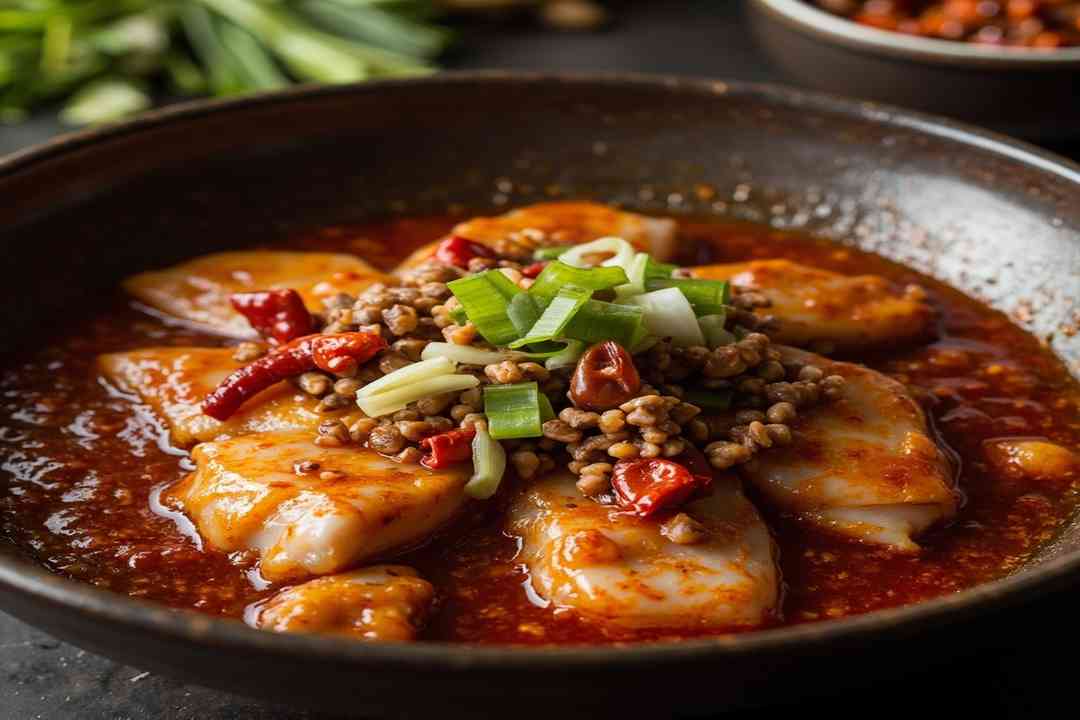
- Finish with hot oil: Heat the remaining 1 tablespoon oil in a small pan until it reaches 180°C (test with a small chili flake—if it sizzles immediately, it’s ready). Spicy Boiled Fish Turn off the heat, add crushed Sichuan peppercorns and 1 tablespoon chili flakes to the hot oil, stir once.
- Serve immediately: Pour the hot oil mixture over the center of the serving dish. Spicy Boiled Fish Garnish with sliced green scallions, and serve right away with steamed rice.
Common Mistakes with Spicy Boiled Fish
One common mistake is overcooking the fish. Fish is delicate—cooking it more than 3 minutes makes it tough and rubbery, which ruins the dish’s texture.
Fix this by checking the fish regularly: when it turns opaque and flaky, it’s done. Another error is using non-Pixian doubanjiang.
Regular chili pastes lack the fermented depth that defines authentic Spicy Boiled Fish. Pixian doubanjiang has a distinct umami that balances the heat, so always use this if you can.
Skipping the hot oil pour is another misstep. This step releases the full aroma of Sichuan peppercorns and chili flakes, turning a good dish into an unforgettable one.
Don’t rush it—let the oil sizzle over the spices to get that signature ma-la kick.
Serving & Storage
Spicy Boiled Fish is best served immediately, right after the hot oil pour. Pair it with steamed white rice to balance the bold flavors, or add it to a Sichuan feast with dishes like Mapo Tofu and Dan Dan Noodles.
The dish is hearty enough to be a main course, with veggies adding crunch and fish providing protein. For leftovers, store them in an airtight container in the fridge for up to 2 days.
Reheat gently in a pan over low heat—avoid microwaving, as it can make the fish mushy. Note that the layer of chili oil will harden when chilled, so you can scrape off excess oil before reheating if you prefer a lighter dish.
Frequently Asked Questions
Can I make Spicy Boiled Fish vegetarian?
Yes, Spicy Boiled Fish can be adapted to a vegetarian version easily.
Swap the fish for firm, protein-rich alternatives like pressed extra-firm tofu, bamboo shoots, lotus root slices, seitan, or shiitake mushrooms.
Replace the fish-based broth with vegetable broth, and retain classic Sichuan spices (Sichuan peppercorns, dried red chilies, garlic, ginger) to preserve the dish’s signature ma la (numbing-spicy) flavor.
What makes Spicy Boiled Fish authentic Sichuan style?
Authentic Sichuan Spicy Boiled Fish is defined by its core ma la (numbing-spicy) flavor profile, a hallmark of Sichuan cuisine.
Key ingredients include fermented broad bean paste (doubanjiang), Sichuan dried red chilies, Sichuan peppercorns (for the tingly numbing sensation), garlic, ginger, and scallions.
The traditional technique also matters: fish fillets are marinated in starch and rice wine to stay tender, blanched briefly in infused liquid, then topped with hot fried chili oil to boost aroma and heat.
How spicy is Spicy Boiled Fish?
Spicy Boiled Fish ranges from medium to very spicy, depending on the recipe.
Traditional versions lean into bold ma la heat: the spice comes from dried red chilies, while Sichuan peppercorns add a unique tingly numbing sensation that can make it feel hotter than its Scoville rating suggests.
To adjust the spice level, reduce the number of dried chilies, use milder chili varieties, skip extra chili oil, or omit Sichuan peppercorns entirely for a less intense, non-numbing version.
What can I serve with Spicy Boiled Fish?
Spicy Boiled Fish is a hearty, bold main dish that pairs best with neutral, starchy sides to balance its intense flavor.
The most classic pairing is steamed white rice, which soaks up the savory-spicy broth perfectly.
Other great options include steamed mantou (Chinese buns), simple stir-fried greens (like bok choy or spinach), or a light cucumber salad to cut through the richness.
Leftover spicy broth can also be tossed with cold noodles for a quick side.
Can I prepare Spicy Boiled Fish ahead of time?
Yes, you can prep components of Spicy Boiled Fish ahead, though it’s best to assemble the full dish close to serving time.
Marinate fish fillets (or vegetarian substitute) and prepare the spicy aromatic base (chopped garlic, ginger, doubanjiang, dried chilies, Sichuan peppercorns) 1–2 days in advance, stored separately in airtight containers in the fridge.
Blanched fish and spicy broth can be stored separately for up to 3 days, but reheat the broth gently, pour it over fresh fish, and add hot fried chili oil right before serving to keep the fish tender and spices vibrant.
{“@context”:”https://schema.org”,”@type”:”FAQPage”,”mainEntity”:[{“@type”:”Question”,”name”:”Can I make Spicy Boiled Fish vegetarian?”,”acceptedAnswer”:{“@type”:”Answer”,”text”:”Yes, Spicy Boiled Fish can be adapted to a vegetarian version easily. Swap the fish for firm, protein-rich alternatives like pressed extra-firm tofu, bamboo shoots, lotus root slices, seitan, or shiitake mushrooms. Replace the fish-based broth with vegetable broth, and retain classic Sichuan spices (Sichuan peppercorns, dried red chilies, garlic, ginger) to preserve the dish’s signature ma la (numbing-spicy) flavor.”}},{“@type”:”Question”,”name”:”What makes Spicy Boiled Fish authentic Sichuan style?”,”acceptedAnswer”:{“@type”:”Answer”,”text”:”Authentic Sichuan Spicy Boiled Fish is defined by its core ma la (numbing-spicy) flavor profile, a hallmark of Sichuan cuisine. Key ingredients include fermented broad bean paste (doubanjiang), Sichuan dried red chilies, Sichuan peppercorns (for the tingly numbing sensation), garlic, ginger, and scallions. The traditional technique also matters: fish fillets are marinated in starch and rice wine to stay tender, blanched briefly in infused liquid, then topped with hot fried chili oil to boost aroma and heat.”}},{“@type”:”Question”,”name”:”How spicy is Spicy Boiled Fish?”,”acceptedAnswer”:{“@type”:”Answer”,”text”:”Spicy Boiled Fish ranges from medium to very spicy, depending on the recipe. Traditional versions lean into bold ma la heat: the spice comes from dried red chilies, while Sichuan peppercorns add a unique tingly numbing sensation that can make it feel hotter than its Scoville rating suggests. To adjust the spice level, reduce the number of dried chilies, use milder chili varieties, skip extra chili oil, or omit Sichuan peppercorns entirely for a less intense, non-numbing version.”}},{“@type”:”Question”,”name”:”What can I serve with Spicy Boiled Fish?”,”acceptedAnswer”:{“@type”:”Answer”,”text”:”Spicy Boiled Fish is a hearty, bold main dish that pairs best with neutral, starchy sides to balance its intense flavor. The most classic pairing is steamed white rice, which soaks up the savory-spicy broth perfectly. Other great options include steamed mantou (Chinese buns), simple stir-fried greens (like bok choy or spinach), or a light cucumber salad to cut through the richness. Leftover spicy broth can also be tossed with cold noodles for a quick side.”}},{“@type”:”Question”,”name”:”Can I prepare Spicy Boiled Fish ahead of time?”,”acceptedAnswer”:{“@type”:”Answer”,”text”:”Yes, you can prep components of Spicy Boiled Fish ahead, though it’s best to assemble the full dish close to serving time. Marinate fish fillets (or vegetarian substitute) and prepare the spicy aromatic base (chopped garlic, ginger, doubanjiang, dried chilies, Sichuan peppercorns) 1–2 days in advance, stored separately in airtight containers in the fridge. Blanched fish and spicy broth can be stored separately for up to 3 days, but reheat the broth gently, pour it over fresh fish, and add hot fried chili oil right before serving to keep the fish tender and spices vibrant.”}}]}
{
“@context”: “https://schema.org”,
“@type”: “Article”,
“headline”: “Spicy Boiled Fish: Sichuan Recipe and Home Cooking Tips”,
“description”: “Spicy Boiled Fish has roots in Sichuan’s rural cooking traditions…”,
“author”: {
“@type”: “Person”,
“name”: “Editorial Team”
},
“datePublished”: “2026-06-28T23:14:44.904600+00:00”,
“dateModified”: “2026-06-28T23:14:44.904600+00:00”
}
{
“@context”: “https://schema.org”,
“@type”: “Recipe”,
“name”: “Spicy Boiled Fish”,
“description”: “Spicy Boiled Fish has roots in Sichuan’s rural cooking traditions…”,
“recipeIngredient”: [
“500g fresh white fish fillet (tilapia or sea bass, sliced 1cm thick)”,
“150g Napa cabbage (cut into 5cm pieces)”,
“100g fresh bean sprouts (trimmed)”,
“2 tablespoons Pixian doubanjiang (Sichuan fermented chili bean paste)”,
“1 tablespoon Sichuan chili flakes”,
“1 teaspoon toasted Sichuan peppercorns (crushed)”,
“3 garlic cloves (minced)”,
“1-inch fresh ginger (grated)”,
“2 scallions (white parts minced, green parts sliced for garnish)”,
“1 tablespoon rice vinegar”,
“1 teaspoon granulated sugar”,
“500ml chicken or fish stock”,
“3 tablespoons neutral oil (peanut or canola)”,
“1 teaspoon cornstarch (for marinating fish)”,
“1 tablespoon Shaoxing wine (for marinating fish)”
],
“recipeInstructions”: [
{
“@type”: “HowToStep”,
“text”: “Marinate the fish: In a small bowl, mix fish slices with 1 tablespoon Shaoxing wine, 1 teaspoon cornstarch, and a pinch of salt. Spicy Boiled Fish Toss gently to coat, then set aside for 10 minutes until the cornstarch forms a thin, even layer.”
},
{
“@type”: “HowToStep”,
“text”: “Blanch veggies: Bring a pot of water to a rolling boil. Spicy Boiled Fish Add Napa cabbage and bean sprouts, cook for 2 minutes until tender-crisp, then drain and spread evenly in the bottom of a large serving bowl.”
},
{
“@type”: “HowToStep”,
“text”: “Sauté aromatics: Heat 2 tablespoons of oil in a wok over medium heat. Add minced garlic, grated ginger, and white scallion parts.”
},
{
“@type”: “HowToStep”,
“text”: “Spicy Boiled Fish Stir-fry for 30 seconds until fragrant—don’t let the garlic brown.”
},
{
“@type”: “HowToStep”,
“text”: “Cook the chili base: Add 2 tablespoons Pixian doubanjiang to the wok. Spicy Boiled Fish Stir-fry for 1 minute over medium heat until the oil turns bright red and the paste releases its deep, savory aroma.”
},
{
“@type”: “HowToStep”,
“text”: “Make the broth: Pour 500ml stock, 1 tablespoon rice vinegar, and 1 teaspoon sugar into the wok. Spicy Boiled Fish Stir to combine, then bring to a gentle simmer—don’t boil aggressively.”
},
{
“@type”: “HowToStep”,
“text”: “Cook the fish: Carefully add the marinated fish slices to the simmering broth. Cook for 2-3 minutes until the fish is opaque and flaky (test with a fork to ensure it’s cooked through).”
},
{
“@type”: “HowToStep”,
“text”: “Spicy Boiled Fish If your wok is small, cook in batches to avoid overcrowding.”
},
{
“@type”: “HowToStep”,
“text”: “Assemble the dish: Use a slotted spoon to transfer the cooked fish slices to the serving bowl on top of the veggies. Spicy Boiled Fish Reserve the remaining broth in the wok.”
},
{
“@type”: “HowToStep”,
“text”: “Finish with hot oil: Heat the remaining 1 tablespoon oil in a small pan until it reaches 180°C (test with a small chili flake—if it sizzles immediately, it’s ready). Spicy Boiled Fish Turn off the heat, add crushed Sichuan peppercorns and 1 tablespoon chili flakes to the hot oil, stir once.”
},
{
“@type”: “HowToStep”,
“text”: “Serve immediately: Pour the hot oil mixture over the center of the serving dish. Spicy Boiled Fish Garnish with sliced green scallions, and serve right away with steamed rice.”
}
],
“image”: “https://www.mysichuanfood.com/wp-content/uploads/2026/06/Spicy-Boiled-Fish-2.jpg”
}