Garlic Baby Cabbage works best when the sauce, heat, and timing are planned before cooking. 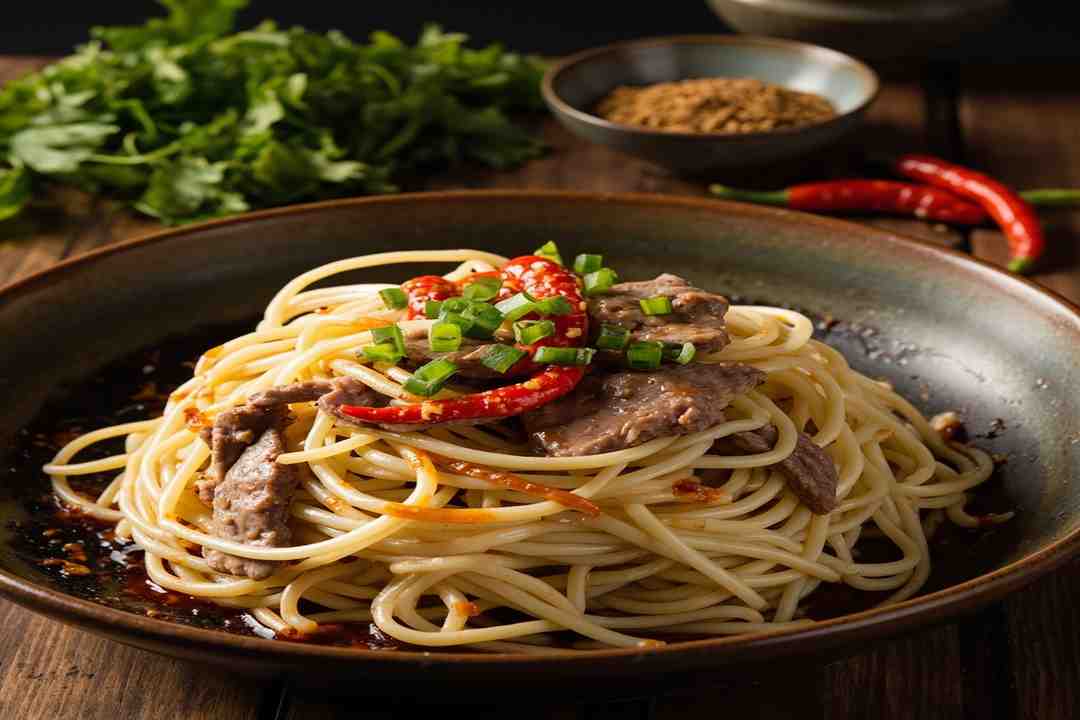
Quick Answer
Garlic Baby Cabbage is a light Sichuan-style vegetable dish where garlic aroma, quick cooking, seasoning balance, and tender-crisp texture matter more than heavy sauce.
Basic Facts
- Dish type: Sichuan-style vegetable side dish
- Texture goal: Tender leaves with a clean garlic aroma
- Main check: Garlic timing, heat control, seasoning, and moisture
- Common mistake: Overcooking the cabbage until it loses sweetness and structure
Quick reference: Garlic Baby Cabbage = tender cabbage + garlic aroma + quick heat + clean seasoning.
Garlic Baby Cabbage is a quick, vibrant Sichuan stir-fry that balances garlicky aroma with subtle mala, making it the ideal side for iconic Sichuan mains like Mapo Tofu. This dish is a staple in home kitchens across Sichuan—simple enough for weeknights, but packed with the bold flavors that define authentic cuisine.
Unlike heavy, spicy mains, it cuts through richness with crisp-tender texture and a hint of tingle from Sichuan peppercorns. It pairs seamlessly with Kung Pao Chicken, Dan Dan Noodles, and Hot and Sour Soup, rounding out a balanced Sichuan meal.
The Story Behind Garlic Baby Cabbage
Garlic Baby Cabbage isn’t a fancy restaurant dish. It’s a home-style staple born from Sichuan’s love of quick, balanced stir-fries.
For generations, Sichuan home cooks have used tender baby cabbage to add freshness to meals that might otherwise be too oily or spicy. It’s a go-to side for gatherings, where it’s served alongside Mapo Tofu’s numbing heat or Kung Pao Chicken’s sweet-savory kick.
The dish’s simplicity reflects Sichuan’s culinary philosophy: every component should complement, not overpower, the whole meal. Unlike complex Sichuan classics, it takes just minutes to make, making it a go-to for busy families.
In Sichuan, this dish is often called “Suan Xiang Xiao Baicai” (garlic-flavored small cabbage). It’s part of the “qing cai” (green vegetable) category, which prioritizes fresh produce and minimal seasoning to highlight natural flavors.
Garlic Baby Cabbage This focus on simplicity is why it’s remained popular for decades—even as Sichuan cuisine has gained global fame for bold, spicy dishes.
What Makes Garlic Baby Cabbage Special
Garlic Baby Cabbage stands out for three key reasons: its use of baby cabbage, balanced mala flavors, and high-heat stir-fry technique. Baby cabbage is smaller, more tender, and sweeter than mature cabbage—no need to core or slice thick stems, so it cooks evenly and stays crisp.
The garlic is minced finely to release aroma without burning, and Sichuan peppercorns add a subtle, lingering tingle (mala) that’s not just spicy, but complex.
The technique is critical: stir-frying over high heat (200°C) keeps the cabbage crisp, not mushy. This is a common pitfall for new cooks—low heat makes cabbage soggy, which ruins the texture.
The sauce is light, balancing soy sauce, rice vinegar, and a touch of sugar to avoid overwhelming the vegetable’s natural sweetness. Garlic Baby Cabbage It’s not overly oily, so it complements heavier mains like Mapo Tofu without adding extra grease.
Another unique trait is its versatility: it works as a side, a light lunch, or even a topping for noodles. Garlic Baby Cabbage But at its core, it’s a Sichuan dish that honors simplicity while delivering authentic flavor.
Ingredients for Garlic Baby Cabbage
- 400g baby cabbage (small, whole leaves, trimmed of tough ends)
- 8 garlic cloves (divided: 7 minced, 1 whole)
- 1 teaspoon Sichuan peppercorns (crushed lightly)
- 2 tablespoons light soy sauce
- 1 tablespoon dark soy sauce
- 1 teaspoon rice vinegar
- 1 teaspoon granulated sugar
- 1 teaspoon chicken bouillon powder (or vegetarian alternative)
- 1 tablespoon cornstarch (mixed with 2 tablespoons cold water, for slurry)
- 3 tablespoons peanut oil (high smoke point, ideal for stir-frying)
- ½ teaspoon sesame oil (for finishing)
- 2 slices fresh ginger (minced finely)
- 1 small dried red chili (sliced, optional for extra heat)
- ½ teaspoon sea salt (adjust to taste, if needed)
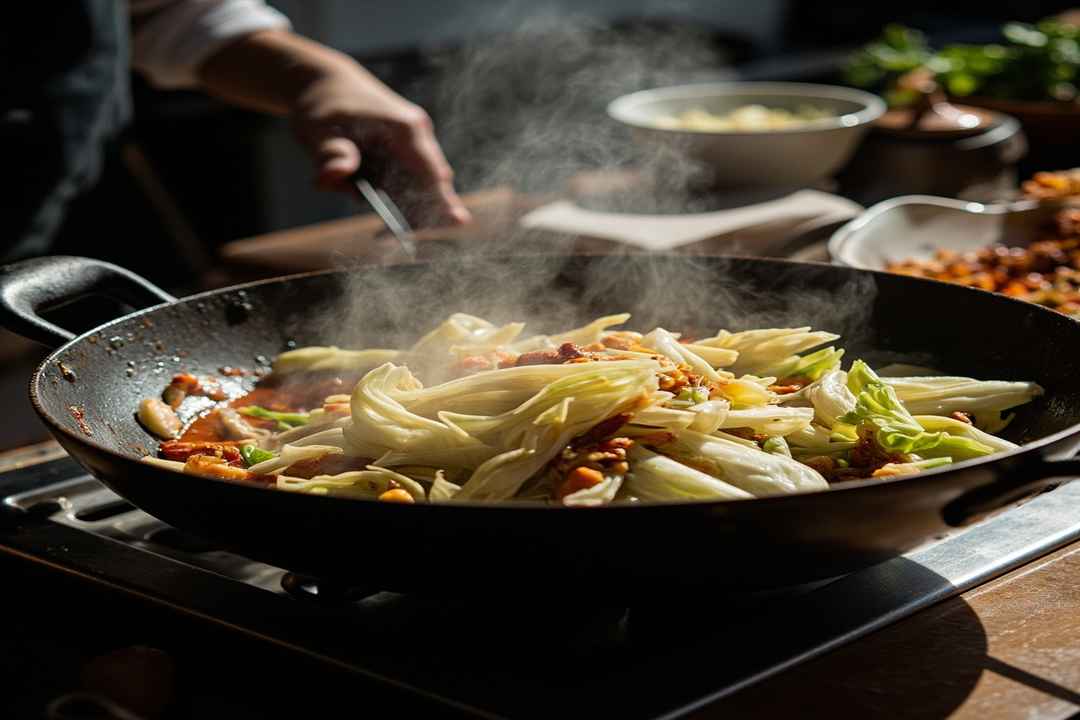
How to Make Garlic Baby Cabbage
- Prep ingredients first: Trim baby cabbage into individual leaves, wash, and pat completely dry (critical to avoid oil splatters). Mince 7 garlic cloves and ginger.
- Mix light soy, dark soy, rice vinegar, sugar, bouillon, and cornstarch slurry in a small bowl—set aside. Garlic Baby Cabbage Crush Sichuan peppercorns lightly with a mortar or spoon.
- Heat a wok over high heat until it smokes (around 200°C). Garlic Baby Cabbage Add 2 tablespoons peanut oil.
- Rub the wok’s inner sides with the whole garlic clove. This step adds subtle garlic aroma and prevents the cabbage from sticking. Garlic Baby Cabbage Discard the garlic clove.
- Add crushed Sichuan peppercorns and sliced dried red chili (if using). Garlic Baby Cabbage Stir-fry for 10 seconds until fragrant—don’t burn them, as this will make the dish bitter.
- Add minced ginger and 7 minced garlic cloves. Garlic Baby Cabbage Stir-fry for 15 seconds until the garlic turns pale golden.
- Add all baby cabbage leaves to the wok. Stir-fry vigorously for 2 minutes. Garlic Baby Cabbage The cabbage should turn bright green and slightly wilted, but still crisp.
- Pour the pre-mixed sauce into the wok. Garlic Baby Cabbage Stir quickly with a spatula to coat every leaf evenly.
- Simmer for 1 minute until the sauce thickens and clings to the cabbage. Garlic Baby Cabbage Don’t over-simmer—this will make the cabbage mushy.
- Drizzle with sesame oil, add optional sea salt if needed (test a leaf first, since soy sauce is salty), and toss once more.
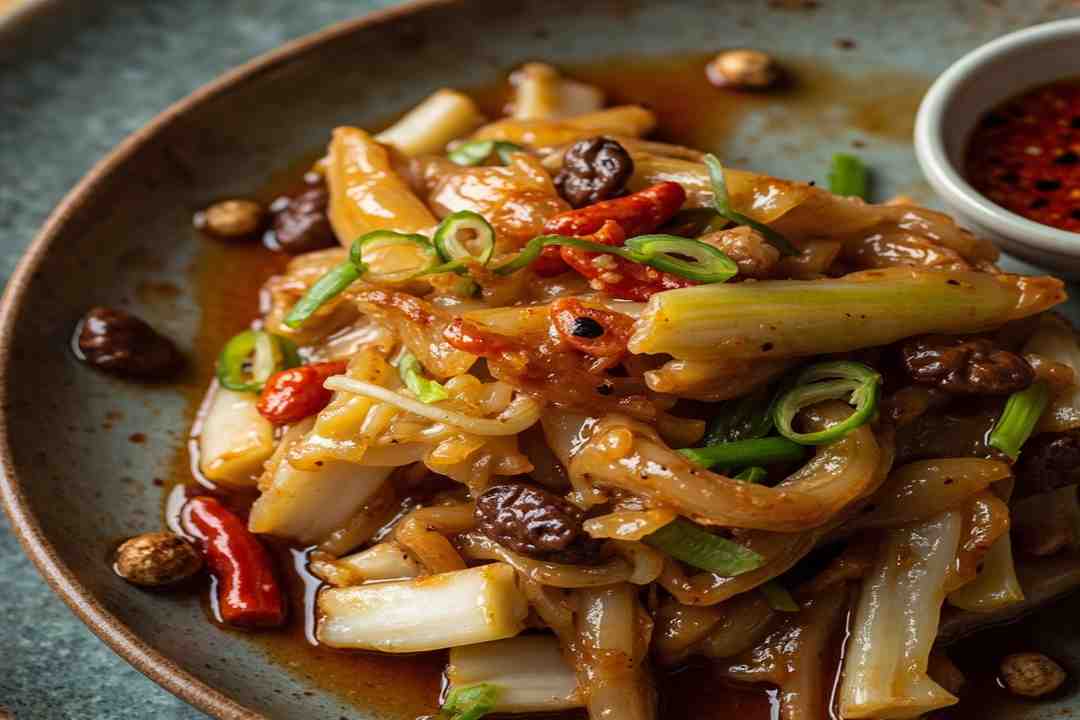
- Transfer immediately to a serving plate. Garlic Baby Cabbage Serve hot as a side with Mapo Tofu, Kung Pao Chicken, or Dan Dan Noodles.
Common Mistakes with Garlic Baby Cabbage
The most frequent mistake is overcooking the cabbage. Many new cooks use low heat to avoid burning garlic, but this leads to soggy, wilted leaves instead of crisp-tender ones.
Garlic Baby Cabbage Stick to high heat and stir constantly—2 minutes is enough for baby cabbage.
Second, not drying the cabbage before cooking. Wet leaves cause oil to splatter and make the dish watery.
Garlic Baby Cabbage Patting leaves with paper towels removes excess moisture, ensuring a crisp texture.
Third, burning the garlic or Sichuan peppercorns. These ingredients cook fast—15 seconds for garlic, 10 seconds for peppercorns.
Garlic Baby Cabbage If they turn dark, discard them and start over; burnt flavors ruin the dish.
Finally, skipping the whole garlic wok rub. Garlic Baby Cabbage This small step adds a subtle aroma that elevates the dish, making it taste more authentic than just adding minced garlic alone.
Serving & Storage
Garlic Baby Cabbage is best served immediately, right after cooking. It’s the perfect side for classic Sichuan mains: pair it with Mapo Tofu for a spicy, numbing contrast, or Kung Pao Chicken for sweet-savory balance.
It also works as a light addition to Dan Dan Noodles, adding crunch to the chewy noodles. If you’re making it for a meal with Hot and Sour Soup, it cuts through the soup’s tangy heat nicely.
For storage, leftover Garlic Baby Cabbage can be refrigerated in an airtight container for up to 24 hours. Reheat it quickly in a hot wok or skillet for 30 seconds—microwaving will make it mushy, so avoid that.
Don’t freeze it, as the cabbage will turn limp and lose all crispness.
Frequently Asked Questions
Can I make Garlic Baby Cabbage vegetarian?
Yes, Garlic Baby Cabbage is inherently vegetarian in most traditional preparations—its core ingredients are baby cabbage, garlic, oil, and seasonings like soy sauce or rice vinegar.
If a recipe calls for oyster sauce (a common umami addition), swap it for vegetarian oyster sauce or extra light soy sauce to keep it fully plant-based.
What makes Garlic Baby Cabbage authentic Sichuan style?
Authentic Sichuan-style the dish relies on the iconic málà (numbing-spicy) flavor profile of Sichuan cuisine, rather than just garlic.
Key elements include using Sichuan peppercorns for a subtle tingly numbing sensation, fermented broad bean chili paste (doubanjiang) for deep umami and heat, and a quick high-heat stir-fry to keep the baby cabbage crisp-tender.
A small amount of sugar is often added to balance the savory and spicy notes.
How spicy is this Sichuan classic?
The spice level varies widely based on the recipe: plain garlic-only versions are mild, almost non-spicy, focused on the cabbage’s natural sweetness and garlic aroma.
Traditional Sichuan-style versions are medium-spicy, with a gentle lingering heat from chili paste or fresh chilies.
To adjust, omit chili ingredients for mild, add extra dried or fresh chilies for hotter, or reduce doubanjiang for a milder Sichuan take.
What can I serve with the stir-fry?
it is a versatile side dish that pairs beautifully with steamed white or jasmine rice, as its savory, slightly tangy flavor complements plain grains.
It works well alongside other Chinese dishes like Mapo Tofu, Kung Pao Chicken, or sweet-and-sour pork, balancing richer, heavier mains.
For a light meal, it can also be served with a simple egg drop soup and steamed dumplings.
Can I prepare the dish ahead of time?
While it’s best served immediately for optimal crisp-tender texture, you can prep components ahead of time to save work: wash and chop the baby cabbage, mince garlic, and measure seasonings 1-2 days in advance, storing them separately in airtight containers in the fridge.
If fully cooked, this Sichuan classic can be stored in an airtight container in the refrigerator for up to 2 days, though it will lose some crispness when reheated—warm it gently in a pan over low heat to retain as much texture as possible.
Final Tip
The secret to perfect the stir-fry is simple: high heat, quick stir-fries, and fresh ingredients. Don’t overcomplicate it—this dish shines in its simplicity, balancing bold Sichuan flavors with the crisp freshness of young cabbage.
Next time you make Mapo Tofu, pair it with this side, and you’ll have an authentic, well-rounded Sichuan meal in minutes.
Steamed Pork With Rice Powder: Sichuan Recipe and Tips Green Pepper Shredded Pork: Sichuan Recipe and Tips Dry-Fried Green Beans: Sichuan Recipe and Home Cooking Tips Wikipedia