Spicy Crab works best when the sauce, heat, and timing are planned before cooking. 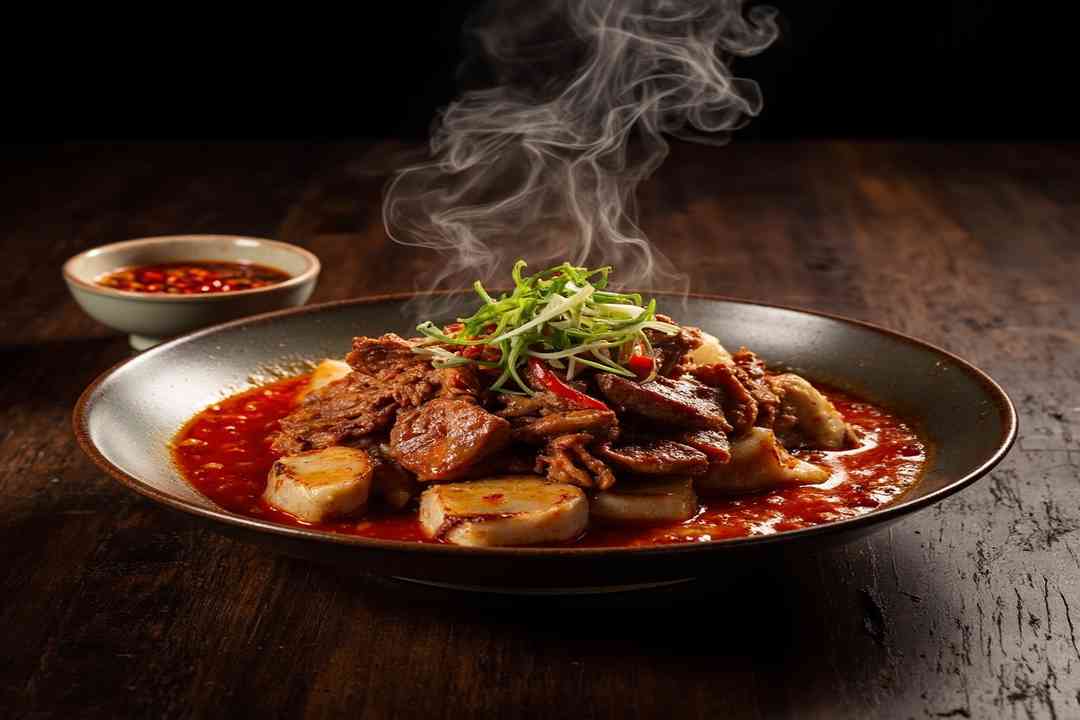
Quick Answer
Spicy Crab is a bold seafood dish built around sweet crab meat, chili heat, aromatics, and Sichuan peppercorn fragrance. The key is to prep the crab first, build the sauce quickly, and avoid overcooking the meat.
Basic Facts
| Dish type | Sichuan-inspired seafood stir-fry |
|---|---|
| Flavor profile | spicy, aromatic, savory, slightly numbing |
| Main risk | overcooked crab or a sauce that turns bitter |
| Best served with | rice, light vegetables, or simple noodles |
Quick reference: Use this page as a cooking workflow: prepare the crab and aromatics before heating the wok, then follow the timing notes so the sauce coats the shells without drying out the meat.
Spicy Crab is a bold, flavorful seafood dish that brings together the sweet, tender meat of crab with the intense, numbing heat of Sichuan peppercorns and chili bean paste. While not a centuries-old Sichuan classic like mapo tofu or water boiled beef, this dish has become a beloved fixture in Sichuan home cooking and restaurant menus, especially in Chongqing and surrounding areas where river crabs are abundant.
For home cooks, Spicy Crab offers a satisfying way to combine fresh seafood with the signature “ma la” (numbing-spicy) flavor profile that defines Sichuan cuisine. This guide covers everything you need to know—from selecting the best crabs and balancing the seven essential flavors—to mastering the cooking technique and avoiding common mistakes that can ruin the dish.
—
The Story Behind Spicy Crab
The origins of Spicy Crab are relatively modern compared to classic Sichuan dishes. Crab has been eaten in China for over 3,000 years, with archaeological evidence showing crab consumption during the Zhou Dynasty.
However, the specific “spicy crab” preparation as known today emerged in the 1980s and 1990s in the Sichuan-Chongqing region, coinciding with the rise of crayfish (小龙虾) restaurants that pioneered the style of cooking aquatic creatures in heavy chili and Sichuan peppercorn sauce.
This dish likely evolved from two influences: the traditional Sichuan technique of “干烧” (gan shao, dry-frying with sauce) and the flood of crayfish restaurants that popularized the “浸泡式” (soaking-style) serving method where the sauce is the star. Crabs from the Yangtze River system, particularly the opportunistic and abundant Chinese mitten crab (大闸蟹) and various freshwater species, became affordable and popular inputs.
Spicy Crab The dish spread quickly because it used inexpensive ingredients while delivering restaurant-quality flavor—a combination that resonated with home cooks.
—
What Makes Spicy Crab Special
Spicy Crab stands apart from other crab preparations through its aggressive use of Sichuan peppercorns (花椒) and doubanjiang ( chili bean paste). Unlike steamed crab, which highlights the natural sweetness of the meat, Spicy Crab transforms the crab into a vehicle for bold, complex flavors.
The key characteristics that define this dish:
The “ma” (numbing) sensation comes from hydroxy-alpha-sanshool in Sichuan peppercorns, which creates a tingling, slightly electric feeling on the lips and tongue. The “la” (spicy) heat comes from chili oils and doubanjiang, providing deep, Smoky warmth.
Spicy Crab Unlike pure capsaicin heat from fresh chilies, the heat in this dish builds gradually and lingers, creating layers of sensation rather than a sharp spike.
The sauce should coat each piece of crab heavily, with visible specks of chili flakes and Sichuan peppercorns. The crab shell becomes edible after deep-frying, adding crunch and absorbing flavor.
Spicy Crab For authentic Sichuan flavor, use郫县豆瓣酱 (Pixian doubanjiang) from Chengdu—this fermented broad bean and chili paste is the soul of Sichuan cooking and cannot be substituted with generic chili sauce.
—
Ingredients for Spicy Crab
This recipe serves 2-3 people as a main dish. Spicy Crab Adjust quantities based on the size and number of crabs.
| Ingredient | Amount | Notes |
|————|——–|——-| | Fresh live crabs | 600-800g (about 3-4 medium crabs) | Use Chinese mitten crabs or blue crabs; must be alive before cooking |
| Sichuan peppercorns | 15-20g | For the “ma” numbing effect | | Dried red chilies | 30-40g (about 15-20 whole chilies) | Use tier celestan or similar Sichuan dried chilies |
| Pixian doubanjiang | 3 tablespoons | The essential Sichuan chili bean paste | | Garlic | 6 cloves (about 30g) | Roughly chopped |
| Ginger | 30g (about 3 slices) | Fresh ginger, sliced | | Scallions | 4-5 stalks (about 50g) | Cut into 2-inch segments |
| Light soy sauce | 1 tablespoon | For seasoning | | Chinese cooking wine | 2 tablespoons | Shaoxing wine preferred |
| Sugar | 1 teaspoon | To balance the spiciness | | Salt | To taste | Adjust at the end |
| Chicken stock or water | 100ml | For creating the sauce base | | Vegetable oil | 300-400ml | For deep-frying the crabs |
| Sesame oil | 1 teaspoon | For finishing fragrance | | Cornstarch slurry | 2 tablespoons (1 starch + 2 water) | For sauce thickening |
—
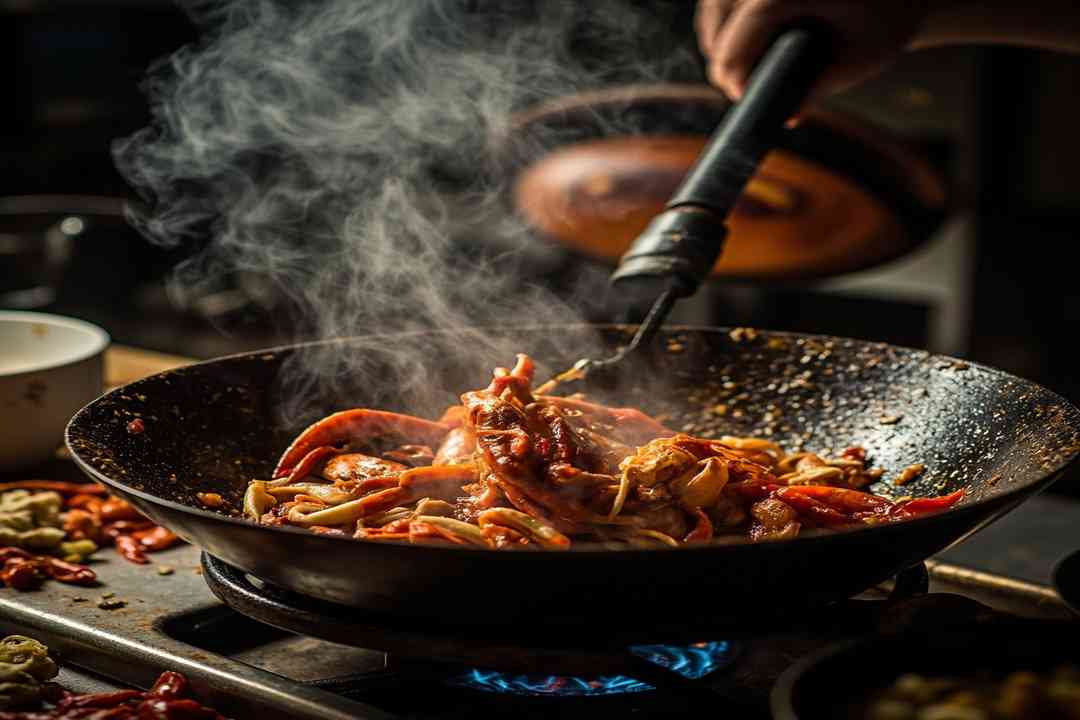
How to Make Spicy Crab
Step 1: Prepare the Crabs
Kill the crabs humanely by inserting a knife into the mouth or placing them in the freezer for 30 minutes. Clean them thoroughly by scrubbing the shells with a brush and removing the gills (the feathery gray parts) and the triangular apron on the underside.
Pat completely dry with paper towels—any moisture will cause oil splashing during frying. Spicy Crab Cut each crab into halves or quarters, depending on size, and keep the legs attached to the shell pieces.
Step 2: Deep-Fry the Crab
Heat oil in a wok or deep pot to 180°C (350°F). Coat crab pieces lightly with cornstarch.
Carefully lower them into the oil and deep-fry for 4-5 minutes until the shells turn bright orange-red and become crispy. Remove and drain on paper towels.
Spicy Crab This step is crucial—it cooks the crab meat through and creates the signature crispy shell texture that absorbs sauce.
Step 3: Toast the Aromatics
Pour off most of the frying oil, leaving about 3 tablespoons in the wok. Turn heat to medium.
Add Sichuan peppercorns and dried chilies, stir-frying for 30-45 seconds until fragrant. Watch carefully—these burn easily and will turn bitter.
Spicy Crab Remove and set aside half the chilies and peppercorns for later garnish.
Step 4: Create the Sauce Base
Add garlic and ginger to the wok, stir-frying for 20 seconds until fragrant. Add the doubanjiang and stir-fry for another 30 seconds, pressing the paste against the wok to release its oils and deep red color.
Spicy Crab The paste should become darker and more aromatic.
Step 5: Add Liquids and Seasoning
Pour in the chicken stock, soy sauce, cooking wine, and sugar. Bring to a gentle simmer.
Taste and adjust seasoning—the sauce should taste salty, slightly sweet, and intensely flavorful. Spicy Crab If it tastes flat, add a pinch more salt or a tiny bit more doubanjiang.
Step 6: Return the Crab
Add the deep-fried crab pieces to the wok. Toss thoroughly to coat each piece with sauce.
Cover and cook for 2-3 minutes on medium heat, allowing the crab to absorb the flavors. Spicy Crab Shake the wok occasionally to prevent sticking.
Step 7: Thicken the Sauce
Gradually drizzle the cornstarch slurry into the wok while stirring, cooking for 1-2 minutes until the sauce thickens and clings to the crab pieces. Spicy Crab The sauce should be thick enough to coat a spoon but still runny enough to pool slightly on the plate.
Step 8: Final Finish
Turn off the heat. Add the reserved toasted Sichuan peppercorns and chilies, along with scallions and sesame oil.
Toss everything together. Spicy Crab Transfer to a serving plate immediately—the dish is best enjoyed hot, with the sauce still bubbling slightly.
—
Common Mistakes with Spicy Crab
Using Dead or Frozen Crab: Freshness is non-negotiable. Dead crabs harbor bacteria that produce toxins dangerous to humans.
Always buy live crabs and cook them within hours. Spicy Crab Frozen crab meat becomes watery and loses the firm texture needed for this dish.
Skipping the Deep-Fry Step: Some home cooks try to skip frying and just simmer the crab in sauce. This results in rubbery, undercooked meat and a soggy shell.
Spicy Crab The initial high-heat frying is what gives the dish its textural contrast—crispy shell against tender meat.
Burning the Sichuan Peppercorns: This is the most common beginner error. Sichuan peppercorns and dried chilies burn in seconds.
Keep the heat at medium and stir constantly. Spicy Crab Burnt peppercorns taste like burnt rubber and ruin the entire dish.
Not Drying the Crab Properly: Moisture on the crab causes oil splattering, which is dangerous and creates steamed rather than crispy results. Spicy Crab Take time to pat the crab pieces completely dry with paper towels before cornstarch coating.
—
Serving & Storage
Spicy Crab is traditionally served family-style in a large bowl or on a platter, eaten with hands. Provide finger bowls and plenty of napkins—the sauce is messy but part of the experience.
Serve with steamed rice to balance the intense flavors, or offer a simple cucumber salad (拍黄瓜) as a cooling counterpoint.
For leftovers, store in an airtight container in the refrigerator for up to 2 days. Reheat in a wok over medium-high heat with a splash of water to loosen the sauce.
the dish Do not freeze—the texture of the crab meat deteriorates significantly when thawed.
—
Frequently Asked Questions
What is this Sichuan classic in Sichuan cooking?
the stir-fry refers to a Sichuan-style dish, ingredient, or cooking topic.
The key is to understand the mala balance, aromatics, heat control, and how the dish fits into everyday Sichuan home cooking.
What makes it taste authentic?
Authentic the dish depends on layered flavor rather than heat alone.
Doubanjiang, Sichuan peppercorns, chili oil, ginger, garlic, scallions, and proper wok or simmering technique are often more important than simply adding more chili.
Can beginners make this Sichuan classic at home?
Yes.
Beginners should prepare ingredients before heating the pan, use moderate heat, taste as they go, and adjust spice level gradually.
The goal is balanced aroma, saltiness, heat, and numbing flavor.
What should I serve with the stir-fry?
it usually works well with steamed rice, simple greens, mild soup, or a cold side dish. These sides balance the rich, spicy, and savory parts of Sichuan food.
How can I adjust the spice level of the dish?
Reduce dried chilies and chili oil for a milder version, but keep a small amount of Sichuan peppercorn or aromatics so the dish still has Sichuan character.
Add heat gradually instead of correcting at the end.
Final Tip
The secret to restaurant-quality this Sichuan classic lies in the sauce-to-crab ratio. Most home cooks use too little sauce, leaving the crab undercoated and bland.
Use the amounts listed—approximately 1 cup of finished sauce for 600g of crab—and ensure every piece is heavily coated. When done right, you should be able to pick up a crab piece and lick the sauce off the shell before cracking into the tender meat inside.
Pickled Pepper Pork Liver: Sichuan Recipe and Tips Authentic Twice-Cooked Pork: Sichuan Home Cooking Guide Cold Mixed Pork Ear Slices: Sichuan Recipe and Tips Wikipedia