sichuan garlic eggplant recipe matters for home cooks making Sichuan garlic eggplant with a soft texture and balanced sauce because Sichuan garlic eggplant depends on eggplant texture, garlic aroma, sauce thickness, oil control, and serving timing. The useful answer begins with the exact situation, not with a broad claim that could fit any page.
The first pass should compare eggplant texture, garlic aroma, and sauce thickness. Those checks keep sichuan garlic eggplant recipe grounded in something a reader can verify, repeat, or discuss with another person.
This article keeps sichuan garlic eggplant recipe narrow: it gives a quick answer, a structured facts table, practical checks, examples, and boundary notes so the reader can decide what to review next inside MySichuanFood without confusing the article with a tool, product, or broad archive page.
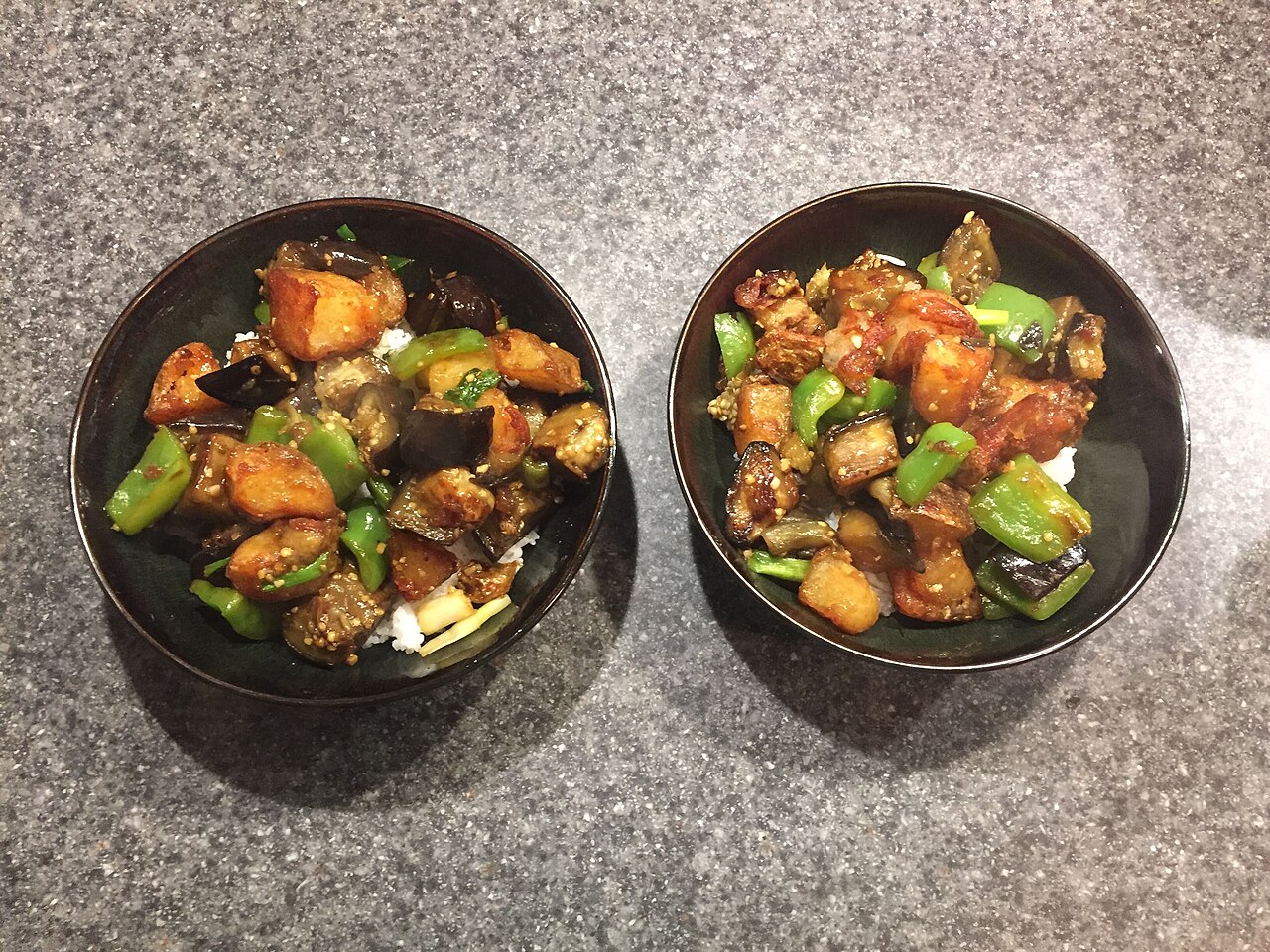
Quick Answer
Sichuan garlic eggplant depends on eggplant texture, garlic aroma, sauce thickness, oil control, and serving timing
For sichuan garlic eggplant recipe, the safest approach is to compare the main facts, test one concrete example, and stop before making the eggplant greasy turns a useful answer into a weaker one.
Basic Facts
Sichuan Garlic Eggplant Recipe Ingredients
For sichuan garlic eggplant recipe, sichuan garlic eggplant recipe ingredients starts with eggplant texture. Sichuan garlic eggplant depends on eggplant texture, garlic aroma, sauce thickness, oil control, and serving timing, so the reader should slow down and confirm the evidence before accepting the first attractive answer. A careful check also asks who will use the information, where it will appear, and what would make the guidance feel unsupported.
A useful example is weekday eggplant dish. Use it in a real setting: write down what the reader sees, what must be checked, and what would make the answer unreliable. This keeps the section concrete and prevents a broad explanation from drifting away from the actual reader problem.
The common risk is making the eggplant greasy. That risk matters because home cooks making Sichuan garlic eggplant with a soft texture and balanced sauce often need a clear explanation that stays practical without promising too much. If the risk appears, revise the plan before relying on the answer in a visible page, classroom note, kitchen test, or home setup.
Before moving on, compare garlic aroma, sauce thickness, and oil control. If those checks agree, the guidance is much more usable than a loose summary. If they conflict, record the uncertainty and choose the safer wording.
Step-by-Step Cooking Method
For sichuan garlic eggplant recipe, step-by-step cooking method starts with garlic aroma. Sichuan garlic eggplant depends on eggplant texture, garlic aroma, sauce thickness, oil control, and serving timing, so the reader should slow down and confirm the evidence before accepting the first attractive answer. A careful check also asks who will use the information, where it will appear, and what would make the guidance feel unsupported.
A useful example is garlic sauce bowl. Use it in a real setting: write down what the reader sees, what must be checked, and what would make the answer unreliable. This keeps the section concrete and prevents a broad explanation from drifting away from the actual reader problem.
The common risk is burning the garlic. That risk matters because home cooks making Sichuan garlic eggplant with a soft texture and balanced sauce often need a clear explanation that stays practical without promising too much. If the risk appears, revise the plan before relying on the answer in a visible page, classroom note, kitchen test, or home setup.
Before moving on, compare sauce thickness, oil control, and heat level. If those checks agree, the guidance is much more usable than a loose summary. If they conflict, record the uncertainty and choose the safer wording.
Sauce, Garlic, and Heat Mistakes
For sichuan garlic eggplant recipe, sauce, garlic, and heat mistakes starts with sauce thickness. Sichuan garlic eggplant depends on eggplant texture, garlic aroma, sauce thickness, oil control, and serving timing, so the reader should slow down and confirm the evidence before accepting the first attractive answer. A careful check also asks who will use the information, where it will appear, and what would make the guidance feel unsupported.
A useful example is rice side dish. Use it in a real setting: write down what the reader sees, what must be checked, and what would make the answer unreliable. This keeps the section concrete and prevents a broad explanation from drifting away from the actual reader problem.
The common risk is under-seasoning the sauce. That risk matters because home cooks making Sichuan garlic eggplant with a soft texture and balanced sauce often need a clear explanation that stays practical without promising too much. If the risk appears, revise the plan before relying on the answer in a visible page, classroom note, kitchen test, or home setup.
Before moving on, compare oil control, heat level, and serving timing. If those checks agree, the guidance is much more usable than a loose summary. If they conflict, record the uncertainty and choose the safer wording.
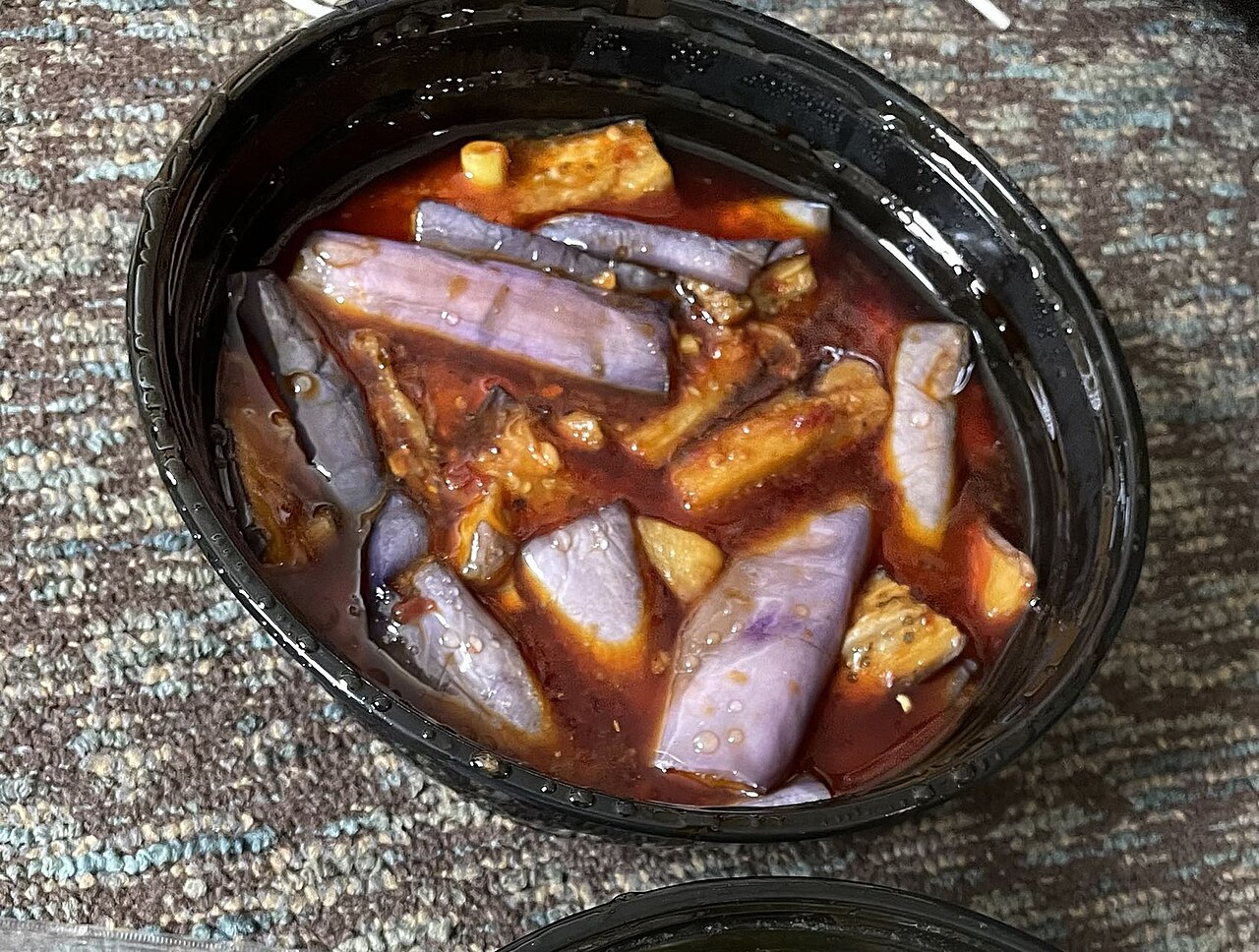
Serving Steps and Timing Notes
For sichuan garlic eggplant recipe, serving steps and timing notes starts with oil control. Sichuan garlic eggplant depends on eggplant texture, garlic aroma, sauce thickness, oil control, and serving timing, so the reader should slow down and confirm the evidence before accepting the first attractive answer. A careful check also asks who will use the information, where it will appear, and what would make the guidance feel unsupported.
A useful example is shared dinner plate. Use it in a real setting: write down what the reader sees, what must be checked, and what would make the answer unreliable. This keeps the section concrete and prevents a broad explanation from drifting away from the actual reader problem.
The common risk is overcooking until mushy. That risk matters because home cooks making Sichuan garlic eggplant with a soft texture and balanced sauce often need a clear explanation that stays practical without promising too much. If the risk appears, revise the plan before relying on the answer in a visible page, classroom note, kitchen test, or home setup.
Before moving on, compare heat level, serving timing, and eggplant texture. If those checks agree, the guidance is much more usable than a loose summary. If they conflict, record the uncertainty and choose the safer wording.
A page-specific closing check should confirm sauce thickness, oil control, and heat level while avoiding burning the garlic. Keep the note specific enough that another reader can repeat the check without guessing what evidence was used.
Before applying the advice, compare eggplant texture with serving timing and write down the one result that would change the decision.
A practical example is garlic sauce bowl: it should be tested against the reader task, not treated as a universal answer.
The main boundary remains clear: Recipe guidance should be adjusted for allergies, food safety, and local kitchen conditions.
For sichuan garlic eggplant recipe, keep the final wording close to the reader task and the visible evidence instead of adding a broad summary.
The reader can also keep a short working note beside the article: list the visible evidence, the practical situation, and the one condition that would change the conclusion. This keeps the guidance grounded in a repeatable check rather than a broad impression.
A second pass should compare the example with the audience and setting. If the example does not match the real use case, keep it as background reading and choose a more direct next step from the site links.
For careful use, separate cultural background, practical observation, and personal preference. Those three layers often point in the same direction, but when they do not, the safest article note explains the difference instead of forcing one answer.
For sichuan garlic eggplant recipe, taste the noodles first and then the chili crisp coating. Noodle texture, crisp oil, vinegar, and salt balance can change once the bowl cools or sits for a few minutes.
Home cooks making sichuan garlic eggplant recipe should record noodle type, oil level, and final texture after one serving. Those notes make the next bowl more reliable than adding extra crisp oil by habit.
Quick reference
Use this quick reference for sichuan garlic eggplant recipe: check eggplant texture, compare garlic aroma, watch for making the eggplant greasy, and keep the boundary note visible before choosing a next step.
- Best reader: home cooks making Sichuan garlic eggplant with a soft texture and balanced sauce
- Strongest evidence check: eggplant texture
- Useful example: weekday eggplant dish
- Boundary: Recipe guidance should be adjusted for allergies, food safety, and local kitchen conditions.
Frequently Asked Questions
How does sichuan garlic eggplant recipe work in a simple explanation?
Start with the central meaning of sichuan garlic eggplant recipe, then confirm eggplant texture and garlic aroma before using the answer in a real plan.
Which evidence cue helps with sichuan garlic eggplant recipe?
The safest check is sauce thickness. It keeps sichuan garlic eggplant recipe tied to visible evidence instead of a vague impression.
Which common mistake should readers avoid with sichuan garlic eggplant recipe?
Avoid under-seasoning the sauce. That mistake can make sichuan garlic eggplant recipe sound clearer than it really is.
How can a beginner use sichuan garlic eggplant recipe?
Use related site pages when you need examples, tools, or a broader background after reading about sichuan garlic eggplant recipe.
What scope limit matters for sichuan garlic eggplant recipe?
Recipe guidance should be adjusted for allergies, food safety, and local kitchen conditions.