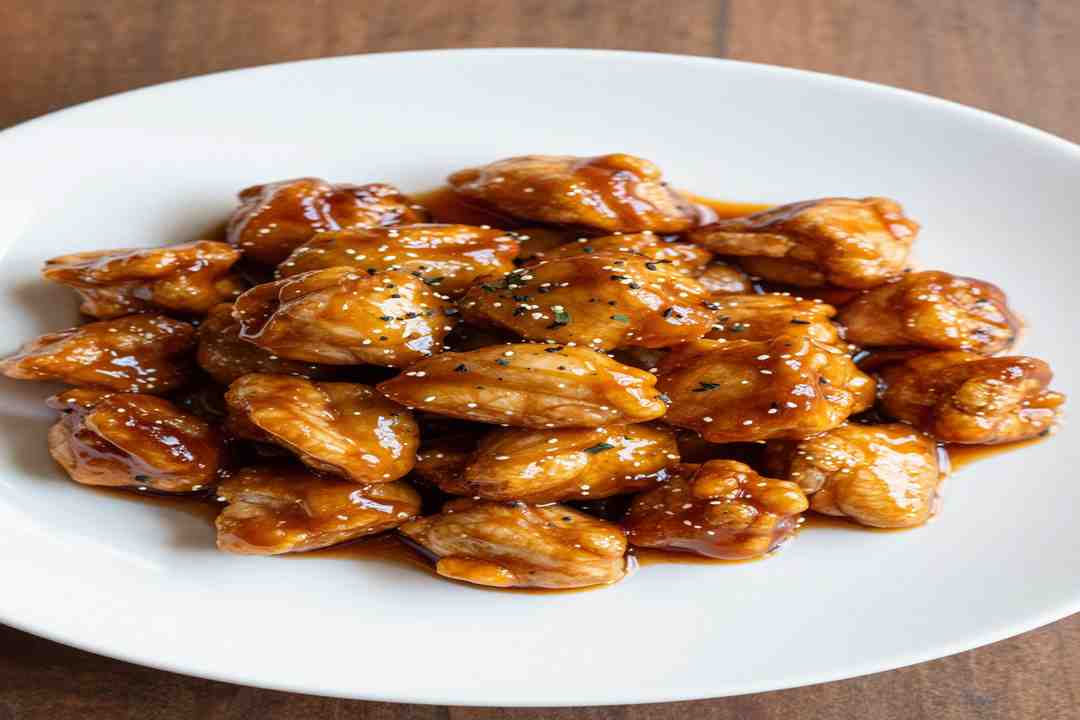
If you’ve been searching for a reliable, authentic kung pao chicken recipe, you’re in the right place. This iconic Sichuan dish balances bold, layered flavors—numbing Sichuan peppercorn, spicy chilies, savory sauce, and a hint of sweetness.
It’s not just a takeout staple; it’s a cornerstone of Sichuan cuisine, beloved for its quick stir-fry technique and unforgettable ma la (spicy-numbing) profile. Many home cooks struggle to replicate its restaurant-level depth, but with the right ingredients and steps, you can nail it at home.
The Story Behind kung pao chicken recipe
Kung pao chicken’s origins date back to the late Qing Dynasty in Sichuan, China. It’s named after Ding Baozhen, a provincial governor nicknamed “Gong Bao” (Palace Guardian) for his service.
Ding loved spicy, flavorful dishes, and this stir-fry became his namesake specialty. Today, it’s part of Sichuan’s “holy trinity” of iconic dishes, alongside Mapo Tofu and Dan Dan Noodles.
Unlike some Sichuan dishes reserved for special occasions, kung pao chicken is a go-to weeknight meal. Its quick cook time makes it perfect for busy nights, while its complex flavors feel like a treat.
Kung Pao Chicken Recipe It’s traveled globally, but the authentic version stays true to Sichuan’s core balance of five tastes.
What Makes kung pao chicken recipe Special
What sets kung pao chicken apart is its intentional balance of five tastes: spicy, sweet, sour, salty, and numbing. The numbing kick comes from Sichuan peppercorns, a key ingredient unique to Sichuan cuisine.
The spice comes from dried red chilies and fermented doubanjiang (chili bean paste). The dish also uses peanuts for crunch and scallions for freshness.
The critical technique is high-heat stir-frying (called “bao” in Chinese), which locks in wok hei—that smoky, charred flavor only intense heat creates. Many home cooks skip this step, leading to flat-tasting chicken.
Kung Pao Chicken Recipe Authentic kung pao chicken isn’t just about heat; it’s about harmony between every component.
Ingredients for kung pao chicken recipe
- 300g boneless, skinless chicken thigh (cubed 2cm; juicier than breast)
- 15g dried red Sichuan chilies (cut into 2cm segments, seeds removed for milder heat)
- 1 tsp Sichuan peppercorns (toasted, then finely crushed)
- 2 tbsp Pixian doubanjiang (fermented chili bean paste; brand matters for authenticity)
- 1 tbsp light soy sauce (for saltiness and depth)
- 1 tsp dark soy sauce (for subtle color, not overpowering)
- 1 tbsp rice vinegar (for bright acidity)
- 1 tbsp granulated sugar (to balance spice and sourness)
- 1 tsp cornstarch (for marinating chicken to keep it tender)
- 1 tbsp cold water (for marinating chicken slurry)
- 3 tbsp peanut oil (high smoke point, ideal for high-heat stir-frying)
- 50g roasted unsalted peanuts (unsalted to control flavor)
- 2 scallions (white parts sliced thin, green parts chopped for garnish)
- 1 small garlic clove (minced fine)
- 10g fresh ginger (minced fine, about 1 tsp)
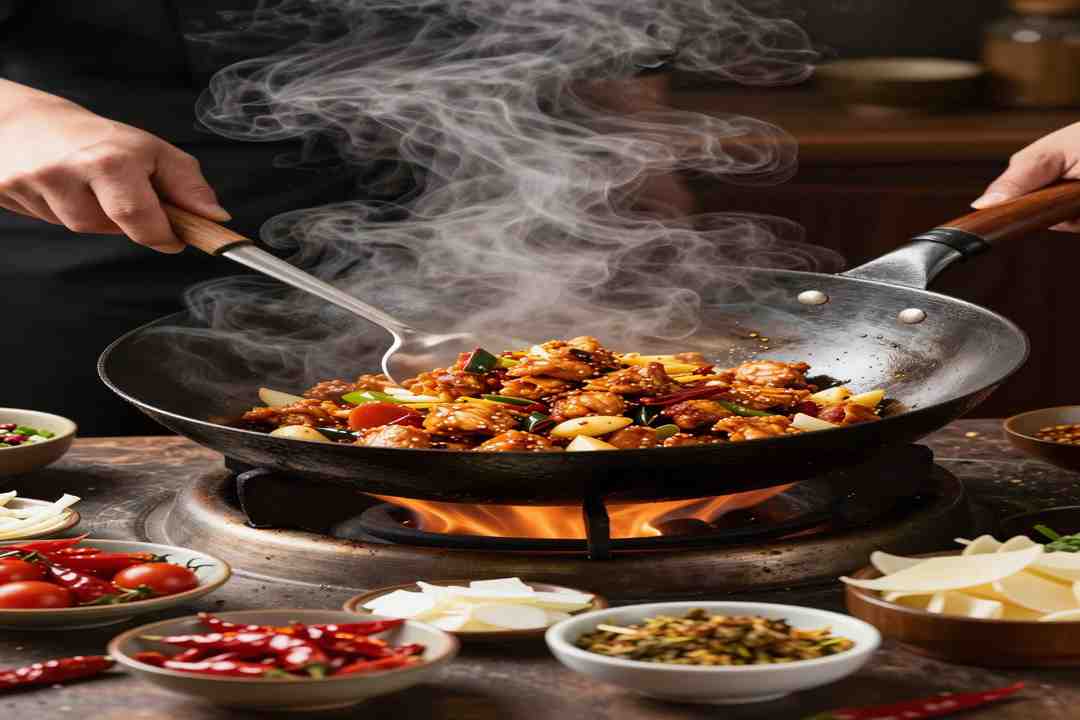
How to Make kung pao chicken recipe
- Marinate the chicken: Place cubed chicken thigh in a bowl. Mix cornstarch and cold water to make a slurry, then toss with chicken.
- Let sit 15 minutes at room temperature. Kung Pao Chicken Recipe This step creates a thin protective layer that keeps chicken tender during stir-frying.
- Prep the sauce: In a small bowl, combine light soy sauce, dark soy sauce, rice vinegar, and granulated sugar. Stir until sugar fully dissolves.
- Kung Pao Chicken Recipe Set aside to ensure even flavor distribution later.
- Toast Sichuan peppercorns: Heat a dry skillet over medium heat. Add whole peppercorns, toast for exactly 1 minute until fragrant (do not burn—this makes them bitter).
- Kung Pao Chicken Recipe Crush finely with a mortar and pestle; set aside.
- Heat the wok: Pour peanut oil into a wok. Heat over high heat to 180°C (test by adding a tiny garlic piece—if it sizzles immediately, it’s ready). Kung Pao Chicken Recipe High heat is key for wok hei.
- Sauté dried chilies: Add dried chili segments to the hot oil. Stir-fry for 10 seconds until they release their aroma. Kung Pao Chicken Recipe Remove chilies with a slotted spoon; set aside.
- Cook the chicken: Add marinated chicken cubes to the wok in a single layer. Stir-fry for 2-3 minutes until golden brown and cooked through (internal temp hits 75°C).
- Kung Pao Chicken Recipe Remove chicken; set aside.
- Stir aromatics: Lower wok heat to medium. Add minced garlic, ginger, and white scallion parts. Kung Pao Chicken Recipe Stir-fry for 30 seconds until fragrant—do not let them brown.
- Add doubanjiang: Stir in 2 tbsp Pixian doubanjiang. Kung Pao Chicken Recipe Cook for 1 minute until the oil turns bright red and the paste’s umami flavors bloom.
- Combine ingredients: Return chicken and dried chilies to the wok. Pour the pre-mixed sauce. Kung Pao Chicken Recipe Stir quickly for 1 minute until the sauce thickens and coats every piece evenly.
- Finish the dish: Add roasted peanuts and crushed Sichuan peppercorns. Toss for 30 seconds to combine. Top with chopped green scallions. Kung Pao Chicken Recipe Serve immediately.
Common Mistakes with kung pao chicken recipe
Many home cooks mess up kung pao chicken without realizing it. The first big mistake is using chicken breast instead of thigh.
Breast dries out during high-heat stir-frying, leading to tough, bland meat. Always use thigh for juiciness.
The second mistake is overcooking Sichuan peppercorns. If you toast them too long, they turn bitter, ruining the signature numbing balance.
Stick to exactly 1 minute of toasting. Third, skipping marination with cornstarch.
This step is non-negotiable—it creates a barrier that locks in chicken moisture. Skip it, and your chicken will be dry.
Another mistake is not using high enough heat. Kung Pao Chicken Recipe Wok hei depends on 180°C heat; low heat leads to steamed, not stir-fried, chicken.
Serving & Storage
Authentic kung pao chicken is best served immediately, straight from the wok. Pair it with steamed jasmine rice to soak up the flavorful, tangy-savory sauce.
For a full Sichuan feast, add Mapo Tofu, Dan Dan Noodles, and Hot and Sour Soup to the table—these dishes complement kung pao chicken’s bold, layered flavors perfectly. For leftovers, store in an airtight container in the fridge for up to 2 days.
Kung Pao Chicken Recipe Reheat gently in a skillet over medium heat for 2 minutes; avoid the microwave, which makes the chicken rubbery and the peanuts soggy.
Can I substitute chicken for another protein in this kung pao chicken recipe?
Yes, swap chicken thigh for pork loin or medium shrimp. For pork, slice it thin and marinate it the same way as chicken.
For shrimp, use peeled, deveined medium shrimp and reduce stir-fry time to 1 minute (they cook much faster than chicken). Tofu works too—press it, cube it, and fry until golden before adding to the wok.
Kung Pao Chicken Recipe Adjust cooking time based on protein to avoid overcooking.
How do I adjust the spiciness of this kung pao chicken recipe?
Adjust the number of dried Sichuan chilies: remove all seeds for mild heat, keep half the seeds for medium, or add extra chilies for extra spice. If the dish is too spicy, stir in an extra teaspoon of sugar to balance the heat.
Kung Pao Chicken Recipe Remember, Sichuan’s numbing kick is separate from spice—you can’t reduce that without cutting back on Sichuan peppercorns.
Is Pixian doubanjiang mandatory for an authentic kung pao chicken recipe?
Pixian doubanjiang is the gold standard for Sichuan dishes like kung pao chicken. It’s fermented for years, giving it a deep, umami-rich flavor.
If you can’t find it, use regular chili bean paste, but add ¼ teaspoon extra Sichuan peppercorns to boost the numbing flavor. Kung Pao Chicken Recipe Avoid using sweet chili sauce—it will make the dish too sweet and not authentic.
Can I make this kung pao chicken recipe vegetarian?
Absolutely. Swap chicken for pressed, cubed firm tofu (about 300g).
Fry the tofu in peanut oil until golden before adding to the wok. Replace chicken marinade with a mix of 1 tsp cornstarch and 1 tbsp water (same as original).
Use vegetable oil if preferred, but peanut oil adds better flavor. Kung Pao Chicken Recipe Skip any meat-based ingredients entirely.
Why is my kung pao chicken not giving that signature numbing flavor?
The numbing kick comes from Sichuan peppercorns, so you might have used too few or not toasted them properly. Toast them for exactly 1 minute (no more) and crush them finely.
Also, add them at the end of cooking—adding them early can make their flavor fade. Kung Pao Chicken Recipe If all else fails, add an extra ½ tsp crushed Sichuan peppercorns.
Do I need a wok to make this kung pao chicken recipe?
A wok is ideal for high-heat stir-frying, but a large skillet works too. Use a heavy-bottomed skillet to retain heat, and crank your stove to high.
Kung Pao Chicken Recipe Stir the chicken quickly to prevent burning, and work in batches if needed (don’t overcrowd the pan—this lowers the temperature and leads to steaming instead of stir-frying).
Frequently Asked Questions
Can I make kung pao chicken recipe vegetarian?
Yes, you can adapt a classic kung pao chicken recipe to be vegetarian easily.
The most common substitution for chicken is extra-firm pressed tofu, tempeh, or seitan—all of which hold up well to high-heat stir-frying and absorb the dish’s bold flavors.
You can also add sliced shiitake mushrooms for extra umami and texture, and keep traditional Sichuan elements like Sichuan peppercorns, dried red chilies, and soy sauce to maintain the signature spicy-savory profile.
What makes kung pao chicken recipe authentic Sichuan style?
Authentic Sichuan-style kung pao chicken relies on specific core ingredients and techniques that distinguish it from Westernized versions.
Key elements include Sichuan peppercorns (which create the dish’s unique numbing “ma” sensation), dried red Sichuan chilies, fermented black beans (douchi), and a balanced blend of sweet, sour, salty, and spicy flavors.
Traditional preparations use small, bite-sized chicken pieces stir-fried quickly over high heat to keep them tender, plus classic add-ins like roasted peanuts, bamboo shoots, and scallions, with no heavy, thickened sauces.
How spicy is kung pao chicken recipe?
The spice level of kung pao chicken varies by recipe, but traditional Sichuan versions are moderately spicy, not extremely hot.
Heat comes primarily from dried red chilies, so you can adjust it to your preference: add fewer chilies or remove their seeds for less heat, or add extra sugar to balance spiciness.
Westernized adaptations often tone down the heat further to suit milder palates.
What can I serve with kung pao chicken recipe?
Kung pao chicken pairs best with neutral, starchy sides that balance its bold, spicy-savory flavors.
The most classic pairing is steamed white jasmine rice, which soaks up the dish’s flavorful sauce perfectly.
Other great options include brown rice for a whole-grain twist, light stir-fried vegetables like garlic bok choy or green beans to add freshness, or quick pickled radish or cucumbers for a tangy contrast.
Can I prepare kung pao chicken recipe ahead of time?
Yes, you can prep most components of kung pao chicken ahead for meal planning.
You can cut the chicken (or vegetarian substitute), chop vegetables, and mix the sauce up to 2–3 days in advance, storing each separately in airtight containers in the fridge.
Fully cooked kung pao chicken can be stored in an airtight container in the fridge for 3–4 days, or frozen for up to 1 month.
Note that peanuts should be added right before serving to keep their crunch, so avoid adding them when storing or reheating.
Final Tip
Don’t rush the small steps—marinating the chicken, toasting the peppercorns, and prepping the sauce all directly impact the final flavor. The perfect kung pao chicken isn’t just about spice; it’s about balancing every taste.
Kung Pao Chicken Recipe Take your time, and you’ll create a dish that tastes like it came straight from a Sichuan street stall.
Sichuan Mala Sauce Recipe Sichuan Hot Pot Recipe Sichuan Dry Pot Recipe Wikipedia