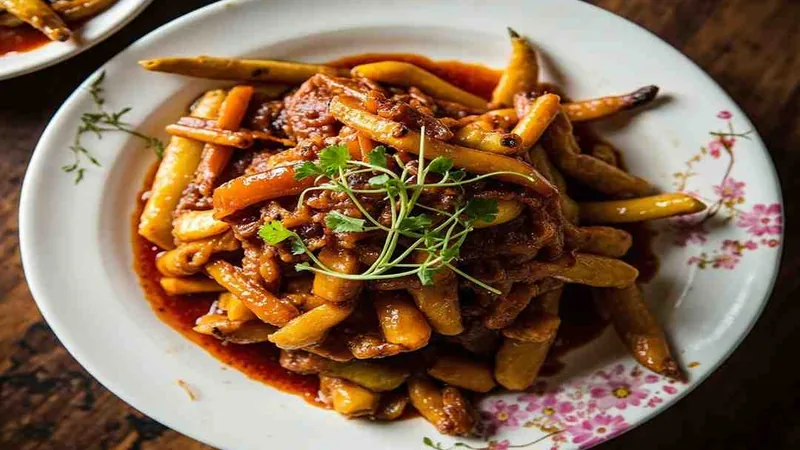
Sichuan food ingredients are the foundation of the region’s bold, aromatic, numbing-spicy flavor. A good pantry does not need to be huge, but it should include the core items that create mala heat, savory depth, fragrance, acidity, and balance.
This guide explains the ingredients home cooks use most often: Pixian doubanjiang, Sichuan peppercorns, dried chilies, chili oil, aromatics, vinegar, soy sauce, fermented beans, pickles, tofu, and vegetables. For dishes that use these pantry items, browse the Sichuan recipes collection.
What Makes Sichuan Food Ingredients Different
Sichuan cooking is famous for mala, but the food is not only hot. The best dishes combine fragrance, saltiness, sourness, sweetness, umami, freshness, and texture. Ingredients are chosen to build layers rather than one flat spicy note.
Many classic flavors come from fermented seasonings and aromatic oil. Doubanjiang brings salty depth, Sichuan peppercorns bring a tingling aroma, dried chilies add heat, and garlic, ginger, and scallions make the dish smell alive before the main ingredient even enters the pan.
Core Sichuan Pantry Ingredients
Pixian Doubanjiang
Pixian doubanjiang is a fermented broad bean and chili paste. It gives many Sichuan dishes their deep red color, salty umami, and savory fermented backbone. Use it in small amounts and fry it briefly in oil to bloom the aroma.
Sichuan Peppercorns
Sichuan peppercorns create the famous numbing “ma” sensation. Red peppercorns are warm and floral, while green peppercorns can be brighter and more citrus-like. Toast them gently, then grind fresh for the strongest aroma.
Dried Chilies and Chili Oil
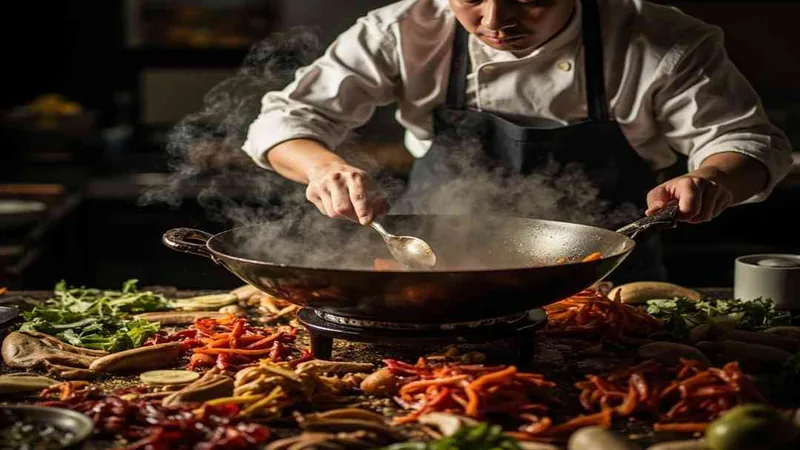
Dried chilies add aroma and heat, while chili oil carries color and fragrance through the dish. Do not burn dried chilies; they should darken slightly and smell warm, not bitter.
Garlic, Ginger, and Scallions
These aromatics are used constantly in Sichuan home cooking. Garlic gives punch, ginger adds warmth, and scallions bring freshness. Many dishes start by cooking these aromatics in hot oil for a few seconds.
Soy Sauce, Black Vinegar, and Shaoxing Wine
Light soy sauce seasons, dark soy sauce adds color, black vinegar brings brightness, and Shaoxing wine helps round out meat, tofu, and stir-fry dishes. These supporting ingredients keep spicy food balanced.
Fermented and Pickled Ingredients
Fermented black beans, pickled mustard greens, pickled chilies, and preserved vegetables are small ingredients with big impact. They add savory depth, acidity, and a familiar Sichuan home-kitchen flavor.
Use them carefully. Fermented and pickled ingredients are often salty, so taste before adding more soy sauce or salt.
Fresh Ingredients Used Often
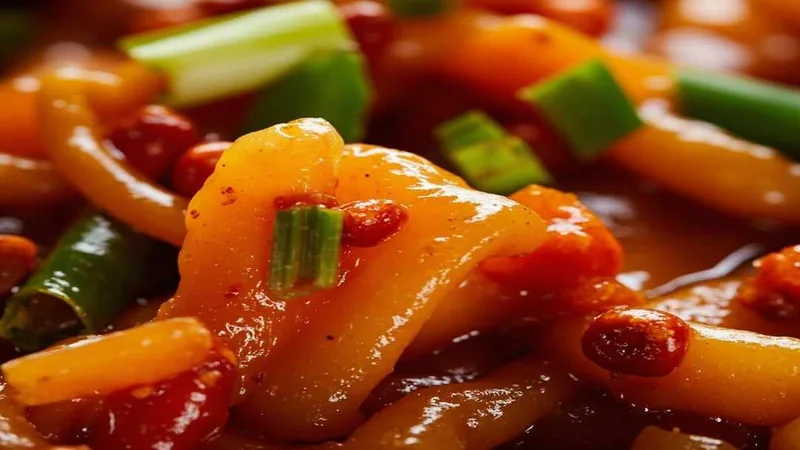
Sichuan food also relies on fresh items. Tofu, eggplant, green beans, cabbage, bok choy, mushrooms, lotus root, potatoes, beef, chicken, fish, pork, and noodles all become Sichuan-style when paired with the right aromatics and sauces.
For vegetable-focused ideas, see the guide to Sichuan vegetable dishes recipes. For technique basics, see Sichuan cooking techniques.
How to Build a Beginner Sichuan Pantry
- Start with Pixian doubanjiang, Sichuan peppercorns, dried chilies, chili oil, light soy sauce, black vinegar, garlic, ginger, and scallions.
- Add fermented black beans, sesame oil, Shaoxing wine, and pickled mustard greens when you cook more often.
- Buy small quantities first so spices stay fresh.
- Store peppercorns and dried chilies away from heat and sunlight.
- Taste each ingredient by itself so you know what it contributes.
Common Mistakes With Sichuan Ingredients
- Using stale peppercorns: old peppercorns taste dusty and weak instead of floral and numbing.
- Adding too much doubanjiang: it can make a dish overly salty.
- Burning chilies: burnt chilies turn bitter quickly.
- Skipping aromatics: garlic, ginger, and scallions make the flavor feel complete.
- Treating mala as only spicy: good Sichuan flavor is aromatic, savory, numbing, and balanced.
Frequently Asked Questions
What are the most important Sichuan food ingredients?
Start with Pixian doubanjiang, Sichuan peppercorns, dried chilies, chili oil, garlic, ginger, scallions, soy sauce, and black vinegar.
Do I need both Sichuan peppercorns and chilies?
Yes if you want classic mala flavor. Chilies bring heat, while Sichuan peppercorns bring the floral numbing sensation.
What can I substitute for doubanjiang?
There is no perfect substitute, but a mix of chili paste, miso, and a little soy sauce can give some fermented depth in a pinch.
How should I store Sichuan peppercorns?
Keep them sealed in a cool, dark place. For best aroma, buy smaller amounts and grind them only after gentle toasting.
Final Tip
Build your Sichuan pantry slowly. A few fresh, high-impact ingredients used well will make better food than a crowded shelf of stale spices and sauces.