Modern twists on Sichuan cuisine work best when you can still describe the flavor you are trying to keep. Roast the eggplant instead of frying it, for instance, and keep the sweet-sour and aromatic balance of a fish-fragrant sauce. Change the seasoning and the cooking method together and you may have a good dinner, but you will have a harder time figuring out which choice made the difference.
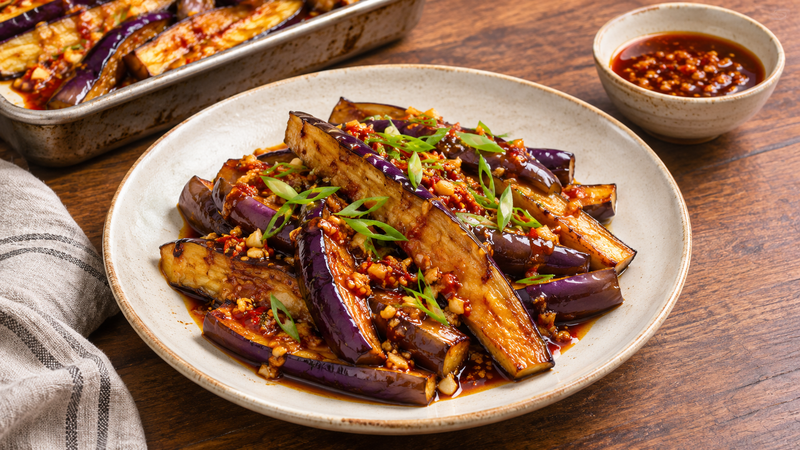
Roast the eggplant for a home kitchen
In Fuchsia Dunlop’s fish-fragrant aubergine recipe, chile seasoning, ginger, garlic and scallions give the sauce depth, while sugar and vinegar shape the sweet-sour finish. The term yúxiāng (鱼香) names that style in this dish. The cited recipe does not call for fish.
For a home variation, roast oiled eggplant wedges until the centers are tender, then coat them with the finished sauce close to serving. Test a wedge before dressing the whole tray. A dry surface can soak up sauce quickly, while a soft wedge may fall apart if tossed repeatedly. Spoon sauce over the wedges if they look fragile. For a baseline to compare, see the fish-fragrant eggplant recipe.
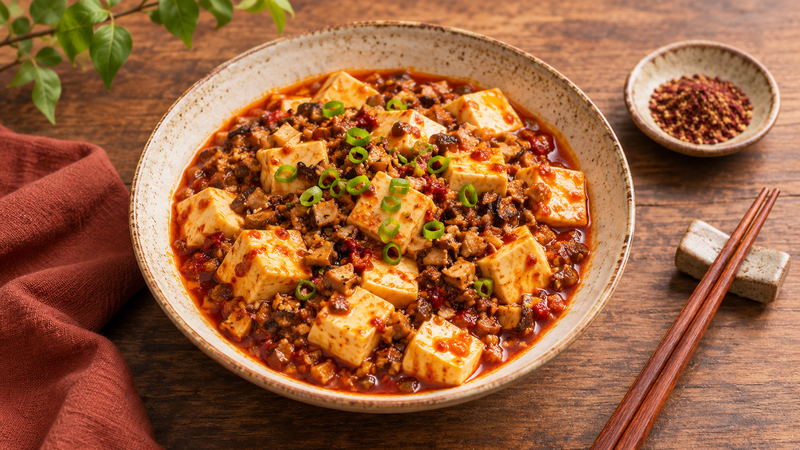
Try mushrooms in a mapo-style tofu bowl
A published mapo tofu recipe from Dunlop uses minced beef, chile bean paste and ground Sichuan pepper. For a mushroom variation, keep the tofu and seasonings and change the mince. Finely chop the mushrooms and cook off their released moisture before bringing them into the sauce. The texture will still differ from beef. The aim is to keep small savory pieces against the tender tofu.
Pixian doubanjiang contributes fermented flavor in addition to salt and chile. If you also change the paste, compare the new product before trying to compensate with extra pepper. A recipe described as mushroom-based may still call for animal stock or another animal ingredient. Check the full ingredient list if you are cooking for a dietary requirement. The mapo tofu recipe guide gives a starting point for the reference dish.
Compare two bites before changing the whole pan
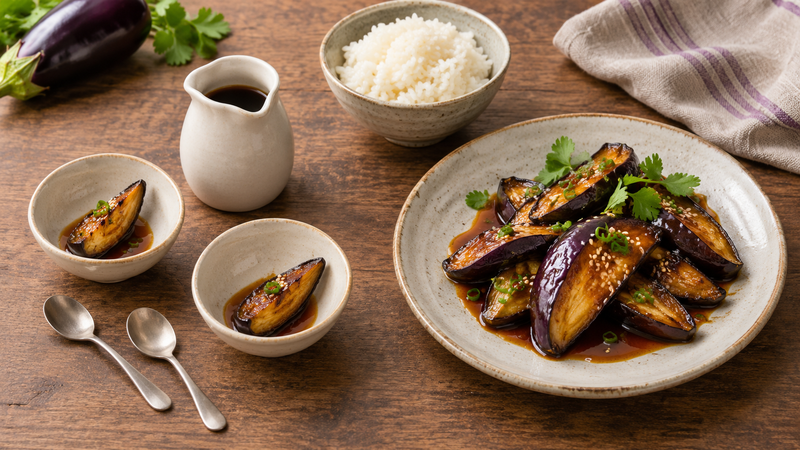
Put two portions of the same cooked ingredient into separate bowls. Keep one as the reference. In the other, change just the thing you want to learn about, such as a slightly sharper vinegar finish on the eggplant. Taste them with the rice or other food you will serve alongside. Record what changed in plain terms. Did acidity come through before the sugar? Did the seasoning stay on the eggplant or collect in the bottom of the bowl?
On a menu or when sharing the idea, call the result “roasted eggplant with fish-fragrant sauce” or “mushroom mapo-style tofu.” The description gives credit to the technique that inspired the dish and makes your own change clear.
Frequently Asked Questions
Can I keep the roasted eggplant and sauce separate until dinner?
Yes. Refrigerate the cooked eggplant and sauce promptly in separate shallow containers at 40°F (4°C) or below. Refrigerate within 2 hours of cooking, or within 1 hour if the surrounding temperature is above 90°F (32°C). Discard them if they sit out longer. At dinner, reheat both to at least 165°F (74°C), checked with a food thermometer. Spoon the sauce over the wedges just before serving so they absorb less sauce and are easier to handle. See the FDA’s safe food handling guidance.