Mapo Tofu (麻婆豆腐) stands as one of Sichuan cuisine’s most iconic creations, celebrated globally for its harmonious blend of spicy heat, numbing Sichuan peppercorn tingle, and rich umami depth. This beloved dish isn’t just a meal—it’s a cultural legacy that has evolved over 160 years, yet remains true to its roots of bold flavors and simple, quality ingredients. Whether you’re a home cook eager to master classic 川菜 (Sichuan cuisine) or a food lover seeking to replicate restaurant-worthy flavors, this detailed guide will walk you through every step to perfect Mapo Tofu in your own kitchen.
1. The Fascinating History Behind Mapo Tofu
To truly appreciate Mapo Tofu, we must delve into its origins. The dish was created in 1862 during China’s Qing Dynasty, at a small restaurant near Chengdu’s Wanfu Bridge. The owner, a widow named Chen who had a slight facial mole (playfully called “Ma Po” or “Pockmarked Grandma” by locals), crafted the dish to feed hardworking laborers. Her combination of tender tofu, fragrant beef (or pork) mince, and fiery spices proved instantly popular—its bold flavors and hearty nature were perfect for warding off dampness and fueling long days of work.
What began as a humble street food soon gained fame across Sichuan. By the late 19th century, it was listed in local culinary records as a signature Sichuan dish. Notably, during the 1930s, when high-quality Sichuan peppercorns became scarce, Chen’s restaurant famously refused to serve the dish rather than compromise on ingredients—a testament to the dedication to authenticity that defines Mapo Tofu to this day. Today, it’s not just a staple in Chinese restaurants worldwide but also a symbol of Sichuan’s culinary heritage, recognized as part of China’s intangible cultural heritage through 川菜烹饪技艺 (Sichuan cuisine cooking techniques).
2. Choosing the Right Ingredients: 3 Non-Negotiables for Authentic Flavor
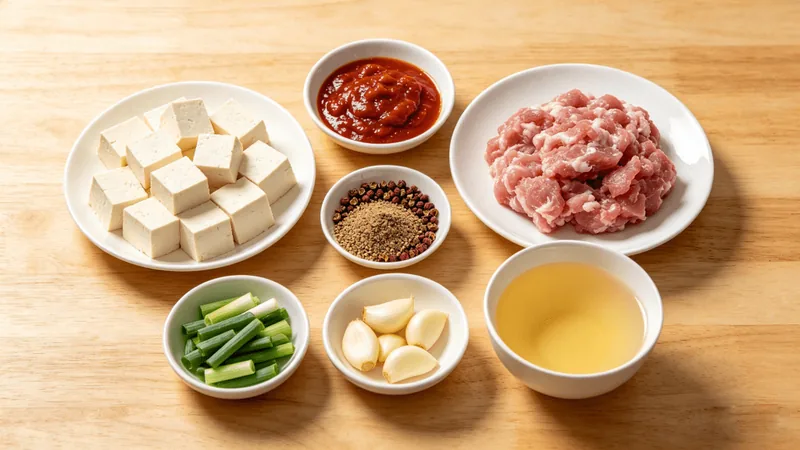
The key to unforgettable Mapo Tofu lies in quality ingredients. While the recipe seems simple, each component plays a critical role in achieving that signature “ma la xian” (numbing, spicy, savory) taste. Here’s what you need to know:
Tofu: Soft but Sturdy
Opt for 400g of soft tofu (also called silken tofu or douhua), cubed into 2cm pieces. Soft tofu delivers that melt-in-your-mouth texture, but it’s fragile—handle it gently to avoid breaking. For extra firmness (and to reduce beaniness), blanch the cubed tofu in salted boiling water for 30 seconds before use. Drain well and set aside—this step ensures your tofu stays intact during cooking.
Doubanjiang: The Soul of Sichuan Flavor
No authentic Mapo Tofu exists without doubanjiang (fermented chili bean paste)—it’s the foundation of the dish’s spicy, umami depth. Look for authentic Pixian doubanjiang (from Chengdu’s Pixian district), a 地理标志保护产品 (geographical indication product) made with local erjingtiao chili peppers and fava beans, fermented for at least 12 months under the region’s humid climate. Avoid cheap imitations; genuine Pixian doubanjiang has a rich, reddish-brown color, complex 酱香 (fermented aroma), and a balanced spicy-savory flavor that doesn’t taste artificial. For best results, chop 2 tbsp of doubanjiang finely before cooking to release its full flavor.
Sichuan Peppercorns: The Numbing Secret
Sichuan peppercorns (huajiao) are what set Mapo Tofu apart from other spicy dishes. These tiny, reddish-brown berries deliver a unique “ma” (numbing) sensation, caused by hydroxy-alpha sanshool—a compound that stimulates nerve endings without burning like chili peppers. For maximum freshness, toast 1 tbsp of whole Sichuan peppercorns in a dry pan over low heat for 1 minute, then crush them with a mortar and pestle. This toasting step amplifies their citrusy, woody aroma—never skip it!
Other Essential Ingredients
- 200g ground pork (or beef, for a more traditional twist) – fat content around 20% adds juiciness.
- 2 cloves garlic, minced – fresh garlic is non-negotiable for aromatic depth.
- 1 inch ginger, grated – cuts through richness and balances flavors.
- 2 green onions, chopped – white parts for cooking, green parts for garnish.
- 1 cup chicken stock – homemade or low-sodium for clean, savory broth.
- 1 tbsp cornstarch dissolved in 2 tbsp water – for silky thickening.
3. Step-by-Step Cooking Guide: Master Mapo Tofu in 30 Minutes
Cooking Mapo Tofu is all about balancing heat, timing, and gentle handling. Follow these steps for restaurant-quality results:
Prepare Your Workstation First
Gather all ingredients before turning on the heat—this dish cooks quickly, and you won’t have time to chop mid-process. Cube the tofu, mince the garlic and ginger, chop the green onions, crush the Sichuan peppercorns, and mix the cornstarch with water to make a slurry.
Step 1: Sauté the Pork Until Golden
Heat 2 tbsp of vegetable oil in a wok or deep skillet over high heat. Add the ground pork and spread it evenly with a spatula. Let it cook undisturbed for 1 minute to develop a crispy exterior, then stir-fry until fully browned (about 3 minutes total). Drain any excess fat if needed—you want a flavorful base, not greasiness.
Step 2: Build the Flavor Base with Doubanjiang
Reduce the heat to medium-low. Add the chopped doubanjiang to the pork and stir-fry vigorously for 1–2 minutes. You’ll know it’s ready when the oil turns bright red and the 酱香 (fermented aroma) fills your kitchen. This step is crucial—undercooked doubanjiang will taste bitter and raw, so don’t rush it.
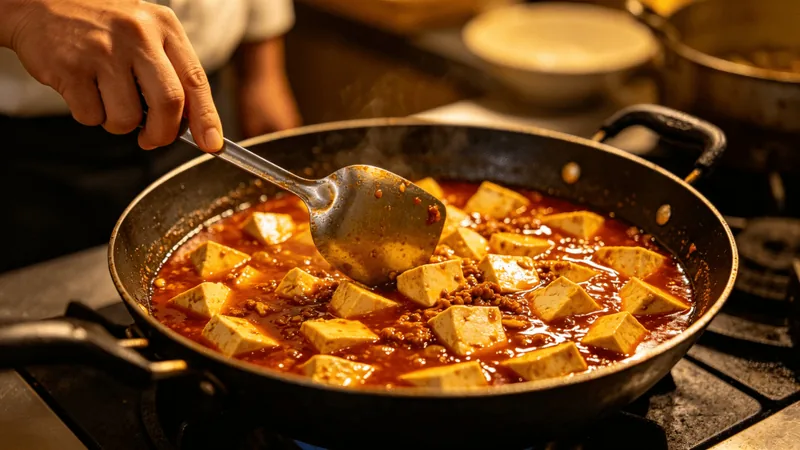
Step 3: Aromatize with Garlic, Ginger, and Peppercorns
Toss in the minced garlic, grated ginger, and crushed Sichuan peppercorns. Stir-fry for 30 seconds until fragrant—be careful not to burn the garlic, as it will turn bitter. The combination of these aromatics creates the “xiang” (fragrant) layer that makes Mapo Tofu so irresistible.
Step 4: Simmer the Tofu to Absorb Flavors
Pour in the chicken stock and bring it to a gentle boil. Reduce the heat to low, then carefully add the blanched tofu cubes. Use a spatula to gently push the tofu around—never stir vigorously, as it will break apart. Simmer for 5 minutes, allowing the tofu to soak up the spicy, savory broth. For extra depth, add a pinch of sugar (about 1/4 tsp) to balance the saltiness of the doubanjiang.
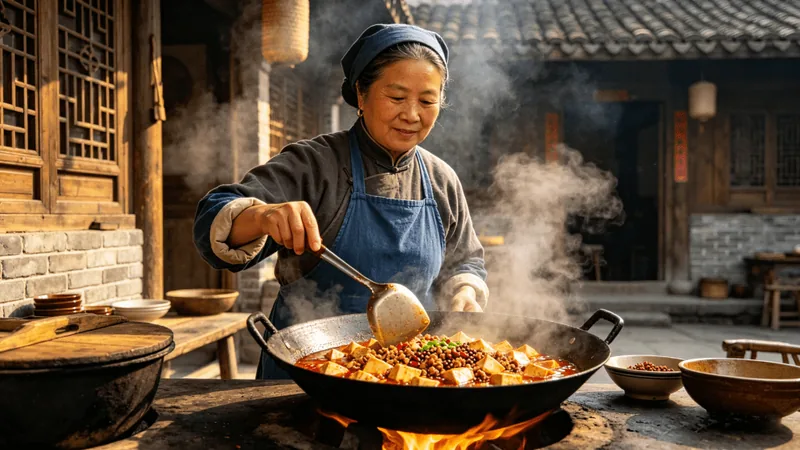
Step 5: Thicken with Cornstarch Slurry (The Professional Touch)
Slowly drizzle the cornstarch slurry into the pan while stirring gently. The sauce will thicken within 30 seconds—you want it to coat the tofu lightly, not be too gloopy. If the sauce is too thin, add a little more slurry; if it’s too thick, stir in a splash of water.
Step 6: Garnish and Serve Immediately
Turn off the heat and transfer the Mapo Tofu to a serving bowl. Sprinkle the chopped green onion tops over the top for a fresh pop of color and flavor. For an extra kick of 麻香 (numbing aroma), drizzle 1 tsp of hot oil over the peppercorns before serving—this “activates” their flavor and takes the dish to the next level. Serve hot with steamed rice—Mapo Tofu’s rich sauce is made for soaking up every last grain.
4. Pro Tips to Elevate Your Mapo Tofu (From Sichuan Chefs)
- Double the peppercorns for extra numbing: If you love that signature “ma” sensation, increase the Sichuan peppercorns to 1.5 tbsp.
- Use beef for tradition: While ground pork works well, authentic Mapo Tofu originally used beef mince—try it for a deeper, meatier flavor.
- Don’t overcook the tofu: Simmering for more than 5 minutes will make the tofu mushy. It only needs enough time to absorb the sauce.
- Adjust spiciness to taste: Reduce the doubanjiang to 1 tbsp for milder heat, or add a pinch of chili flakes for extra fire.
Why Mapo Tofu Captures Hearts Worldwide
Mapo Tofu’s enduring popularity isn’t just about its bold flavors—it’s about its accessibility and versatility. This dish transforms simple ingredients into something extraordinary, bridging cultures and bringing people together over a shared love of delicious food. It’s a perfect representation of 川菜’s philosophy: balancing contrasting flavors (spicy and numbing, soft and savory) to create a harmonious whole.
As you take your first bite of homemade Mapo Tofu—silky tofu coated in red sauce, with that delightful tingle from Sichuan peppercorns—you’ll understand why this dish has become a global icon. It’s more than a meal; it’s a taste of Sichuan’s rich culinary heritage, passed down through generations. Whether you’re cooking for family, friends, or just yourself, Mapo Tofu never fails to impress with its depth of flavor and comforting warmth.
To explore more classic 川菜 recipes, check out our guide to Sichuan Dan Dan Noodles: Spicy, Savory, and Satisfying. For further reading on the history and cultural significance of Sichuan cuisine, visit the authoritative Wikipedia page on Sichuan cuisine.