Rattan Pepper Chicken works best when the sauce, heat, and timing are planned before cooking. 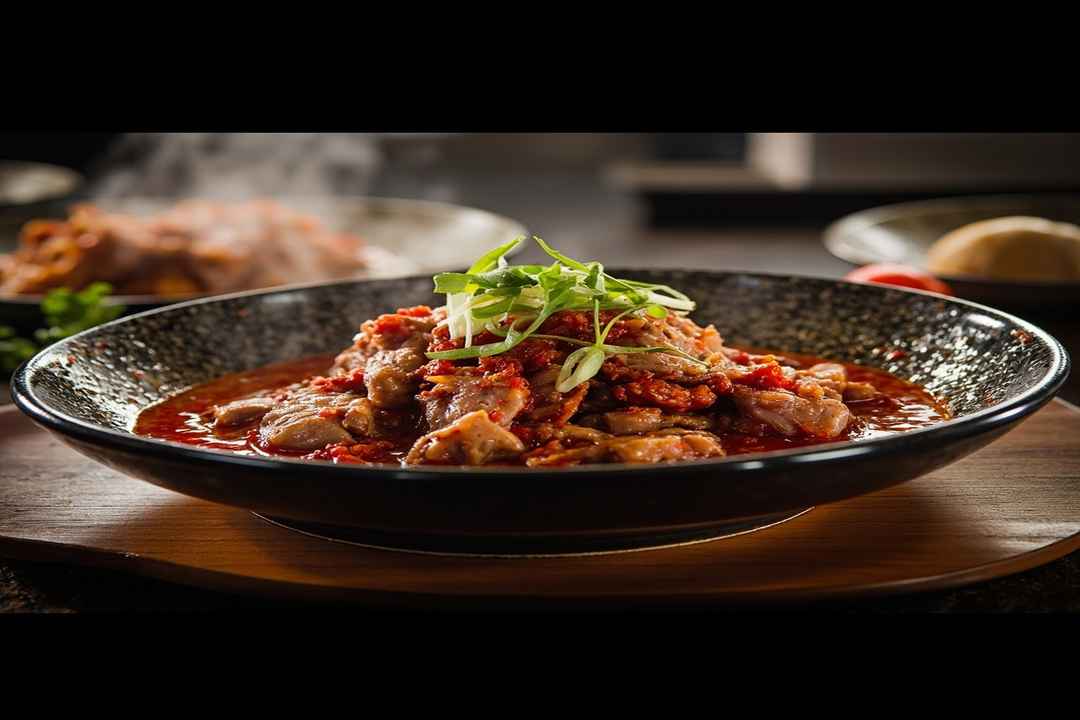
Rattan Pepper Chicken is a vibrant Sichuan dish that balances fiery heat, citrusy numbingness, and tender poultry, perfect for fans of bold flavors. It’s a modern take on classic Sichuan cooking, standing out from staples like Mapo Tofu and Kung Pao Chicken with its bright, tingly twist.
Unlike dishes such as Dan Dan Noodles or Hot and Sour Soup, which lean heavily on fermented pastes or sour broths, this dish centers fresh, zesty pepper for a unique mouthfeel. If you’ve ever wanted to try a Sichuan dish that’s both familiar and exciting, Rattan Pepper Chicken is your answer.
It’s easy to make at home, even for beginner cooks who know basic stir-fry techniques.
The Story Behind Rattan Pepper Chicken
Rattan Pepper Chicken originated in Chengdu, Sichuan, in the early 2000s. It was created as part of a wave of modern Sichuan cuisine that reimagined classic flavors for younger diners.
Chefs wanted a dish that retained the iconic Sichuan ma la (numbing-spicy) profile but added a fresh, citrusy kick. This innovation filled a gap between heavy traditional dishes and lighter, contemporary meals, making it popular with both locals and tourists.
It quickly spread to Chongqing and other Sichuan cities, becoming a favorite in casual restaurants. Unlike older dishes that relied on dried Sichuan peppercorns, this recipe uses fresh rattan pepper, which is harvested in summer for its bright, fruity notes.
The ingredient gives the dish a lighter, more refreshing feel than heavier Sichuan favorites. Rattan Pepper Chicken Today, it’s recognized as a contemporary Sichuan classic, bridging traditional cooking wisdom with innovative ingredients.
What Makes Rattan Pepper Chicken Special
The star of Rattan Pepper Chicken is fresh rattan pepper (also called green Sichuan pepper). Unlike regular Sichuan peppercorns, which are darker and have a deeper, earthy numbing, rattan pepper offers a bright, citrusy tingle that lingers on the tongue.
This unique flavor is what sets the dish apart from other Sichuan classics like Mapo Tofu, which uses fermented bean paste for rich depth.
The flavor profile is a perfect balance: spicy from dried red chilies and Pixian doubanjiang, savory from soy sauce, tangy from rice vinegar, and numbing from rattan pepper. The chicken thighs stay tender because they’re seared quickly, not overcooked.
This technique is key to keeping the dish juicy, as thighs can turn tough if cooked for too long. Rattan Pepper Chicken What makes it special is its accessibility – it’s not as complex as some Sichuan dishes, so home cooks can replicate restaurant-quality results easily.
Ingredients for Rattan Pepper Chicken
- 350g boneless chicken thighs (cut into 2cm cubes)
- 15g fresh rattan pepper (or 10g dried if fresh is unavailable)
- 2 tablespoons Pixian doubanjiang (Sichuan chili bean paste)
- 1 teaspoon light soy sauce
- 1 teaspoon dark soy sauce
- 1 teaspoon cornstarch
- 2 garlic cloves (minced)
- 1-inch ginger (grated)
- 2 scallions (white parts minced, green parts sliced for garnish)
- 1 tablespoon rice vinegar
- 1 teaspoon granulated sugar
- 3 tablespoons vegetable oil
- 5 dried red chilies (broken into small pieces)
- ½ cup low-sodium chicken broth
- 1 teaspoon toasted sesame oil
How to Make Rattan Pepper Chicken
- Marinate the chicken: In a medium bowl, combine cubed chicken thighs, light soy sauce, and cornstarch. Mix well to coat evenly.
- Rattan Pepper Chicken Let sit for 15 minutes at room temperature to absorb flavors.
- Prep aromatics: Mince garlic, grate ginger, and break dried red chilies into small pieces. Rattan Pepper Chicken Slice scallion greens for garnish, and set all aside.
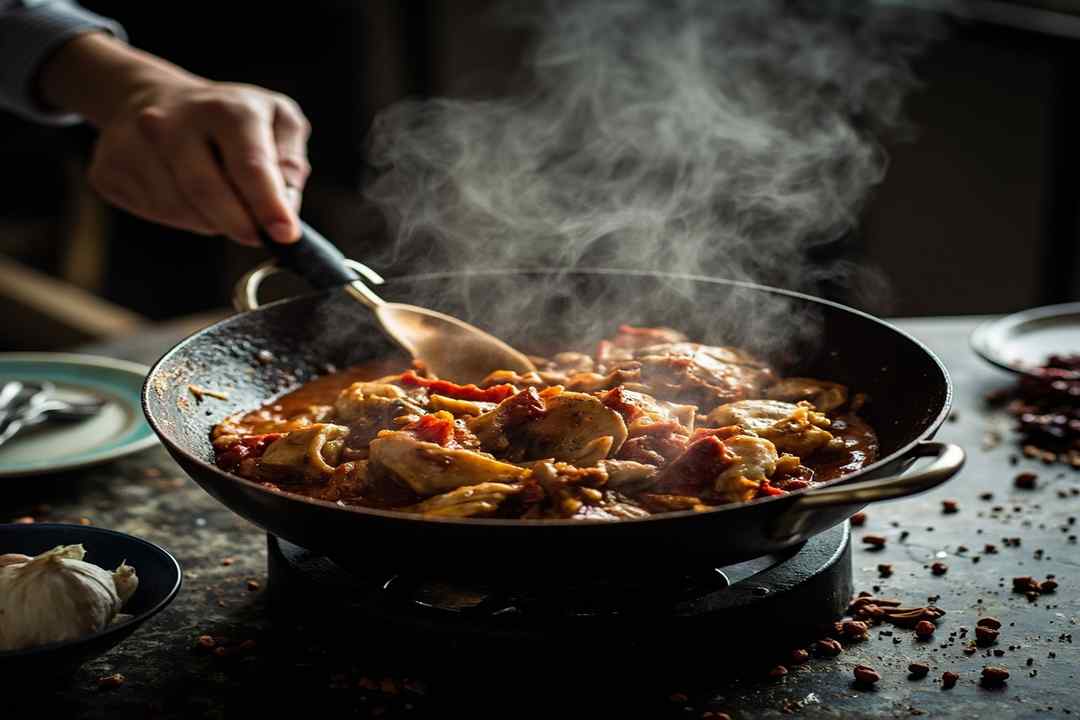
- Heat the wok: Place a wok over medium-high heat (180°C). Rattan Pepper Chicken Add 2 tablespoons of vegetable oil, and let it shimmer for 30 seconds (don’t let it smoke).
- Sear the chicken: Add marinated chicken to the wok. Stir-fry for 2-3 minutes until golden brown on all sides. Rattan Pepper Chicken Remove chicken and set aside in a bowl.
- Sauté aromatics: In the same wok, add the remaining 1 tablespoon of oil. Add dried red chilies, garlic, and ginger.
- Rattan Pepper Chicken Stir-fry for 30 seconds until fragrant (avoid burning the garlic, as it will turn bitter).
- Add doubanjiang: Add Pixian doubanjiang to the wok. Rattan Pepper Chicken Stir-fry for 1 minute until the red oil starts to separate from the paste, releasing its spicy aroma.
- Combine ingredients: Return the seared chicken to the wok. Rattan Pepper Chicken Toss quickly to coat every piece in the spicy, fragrant sauce.
- Add liquids: Pour in chicken broth, rice vinegar, and sugar. Rattan Pepper Chicken Stir well to combine, and bring to a gentle simmer.
- Simmer the sauce: Cook for 3 minutes until the sauce thickens slightly and coats the chicken evenly.
- Add rattan pepper: Toss in fresh rattan pepper (or dried, if using). Rattan Pepper Chicken Stir for 30 seconds to release its citrusy, numbing aroma.
- Finish the dish: Drizzle toasted sesame oil over the chicken. Rattan Pepper Chicken Add the sliced scallion greens, and stir once to mix.
- Serve immediately: Plate the chicken hot, with steamed jasmine rice on the side.
Common Mistakes with Rattan Pepper Chicken
First common mistake: Using old or low-quality rattan pepper. Dried rattan pepper loses its citrusy flavor quickly, so fresh is best.
If using dried, toast it lightly in a pan for 10 seconds before adding to boost its aroma. Second mistake: Overcooking the chicken.
Rattan Pepper Chicken Thighs get tough if stir-fried for more than 3 minutes – keep the heat high and stir constantly to keep them tender.
Third mistake: Adding too much doubanjiang. Pixian doubanjiang is naturally salty, so start with 2 tablespoons and adjust to taste.
If you’re using salted doubanjiang, reduce the amount of extra salt (though this recipe doesn’t need added salt). Fourth mistake: Burnt aromatics.
Garlic and ginger burn quickly in a hot wok, so stir them for only 30 seconds. Rattan Pepper Chicken Burnt garlic will ruin the fresh, bright flavor of the dish.
Serving & Storage
Serve Rattan Pepper Chicken hot, with steamed jasmine rice. It pairs well with other Sichuan classics like Dan Dan Noodles or Hot and Sour Soup for a full, flavorful meal.
The tangy, numbing flavors cut through the rice, making each bite satisfying. For a vegetable addition, toss in sliced bell peppers or mushrooms during step 9 of the cooking process for extra texture.
Storage: Leftovers can be stored in an airtight container in the fridge for up to 2 days. Reheat gently in a wok over medium heat for 2-3 minutes to keep the chicken tender.
Avoid microwaving, as it can make the chicken rubbery. Rattan Pepper Chicken Fresh rattan pepper doesn’t freeze well, so use it within a week of buying for the best flavor.
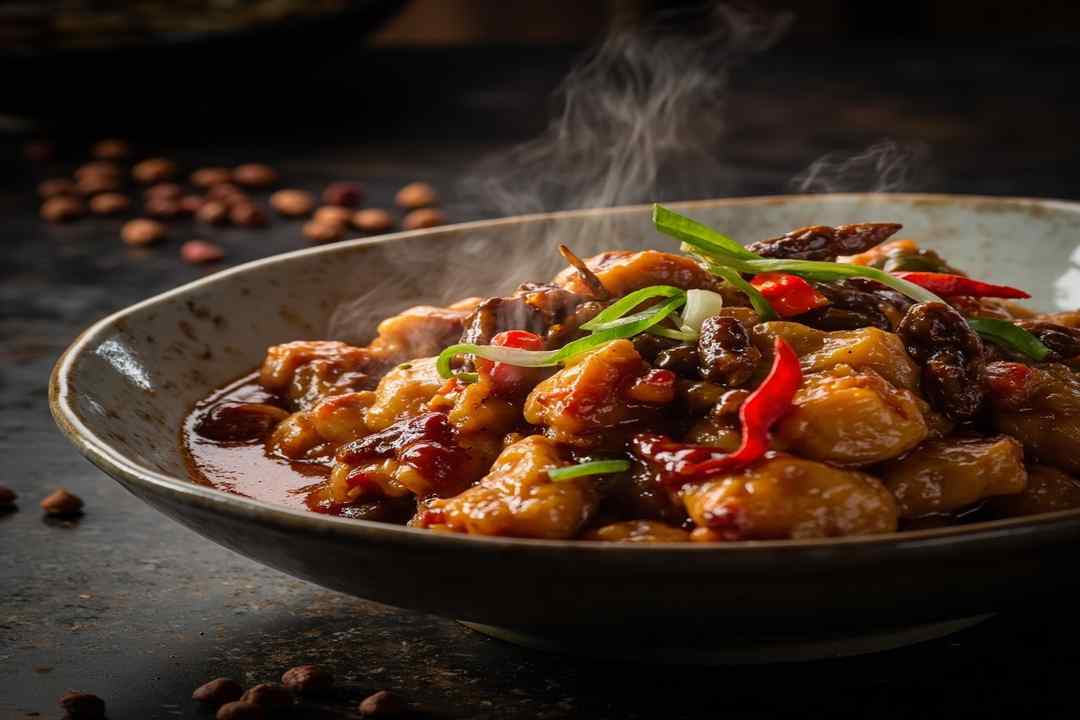
Frequently Asked Questions
Can I make Rattan Pepper Chicken vegetarian?
Traditional Rattan Pepper Chicken is a meat-based Sichuan dish, so it is not naturally vegetarian.
To adapt it, substitute the chicken with meaty, savory alternatives like firm smoked tofu, seitan, or oyster mushrooms.
Add umami boosters such as vegetarian oyster sauce or rehydrated dried shiitake mushrooms to mimic the depth of the original meat-based dish.
What makes Rattan Pepper Chicken authentic Sichuan style?
Authentic Rattan Pepper Chicken is defined by Sichuan’s signature “ma la” (numbing-spicy) flavor profile.
Key ingredients include fresh or dried rattan pepper (a young, citrusy Sichuan peppercorn with a bright, less earthy numbing kick than regular Sichuan pepper), dried red Sichuan chilies, and fermented Sichuan broad bean paste (doubanjiang).
The technique also matters: chicken is stir-fried quickly over high heat to stay tender, and rattan pepper is added at the end to preserve its fresh aromatic, numbing flavor rather than burning it.
How spicy is the dish?
this Sichuan classic typically has a medium to hot spice level, centered on Sichuan’s balance of heat and numbing sensation rather than just intense chili burn.
The heat comes from dried red Sichuan chilies, while rattan pepper contributes a distinct citrusy, tingly numbing effect.
To adjust the spice, reduce the number of dried chilies for milder heat, omit them entirely for a non-spicy version (keeping only the numbing rattan pepper), or add a small amount of sugar or coconut milk to mellow the heat if needed.
What can I serve with the stir-fry?
it is a bold, spicy main dish that pairs well with neutral or cooling sides to balance its “ma la” kick.
Classic pairings include steamed white rice (to soak up its savory sauce), steamed greens like bok choy or Chinese broccoli, or a simple tangy cucumber salad to cut through the heat.
For a full Sichuan-style meal, you can also serve it alongside cold noodles or mapo tofu.
Can I prepare the dish ahead of time?
Yes, you can prep most components of this Sichuan classic ahead for meal prep.
Marinate the chicken (or vegetarian substitute) and chop aromatics like garlic, ginger, and chilies up to 1 day in advance, storing them separately in airtight containers in the fridge.
The fully cooked dish can be stored in an airtight container in the fridge for 3–4 days, or frozen for up to 1 month.
Reheat it gently in a pan over low heat to avoid burning the rattan pepper and preserve its fresh flavor.
Final Tip
The most important tip for great the stir-fry is to use fresh rattan pepper. Its bright, citrusy numbing is the key to the dish’s unique taste – don’t substitute regular Sichuan peppercorns unless you have to.
Keep the cooking time quick, and don’t be afraid to adjust the spice level to your liking. With this recipe, you’ll create a delicious, authentic Sichuan meal that’s sure to impress.
Green Pepper Shredded Pork: Sichuan Recipe and Tips Authentic Twice-Cooked Pork: Sichuan Home Cooking Guide 13 Mistakes That Ruin Sichuan Peppercorn (And How to Fix Wikipedia