Homemade mapo tofu is one of the most rewarding, flavor-packed Sichuan dishes you can make in under 30 minutes in your own kitchen. Too many takeout versions dilute its signature numbing-spicy profile to suit broad tastes, leaving you with a bland, greasy dish that bears no resemblance to the authentic Sichuan staple.
Making it at home lets you control every layer of flavor, from the tingle of Sichuan peppercorns to the depth of fermented chili bean paste.
You don’t need any fancy equipment to pull it off, either. A standard wok or even a deep frying pan works perfectly, and most of the ingredients have a long shelf life in your pantry.
Homemade Mapo Tofu Once you master the basic technique, it will become your go-to weeknight comfort food for when you want something bold and satisfying without hours of prep.
The Story Behind Homemade Mapo Tofu
Homemade mapo tofu traces its roots to 19th century Chengdu, the capital of Sichuan province in southwest China. Legend says it was invented by Chen Liushi, a woman with a pockmarked face who ran a small restaurant near a ferry crossing.
The name “mapo” translates directly to “pockmarked grandma,” a loving nod to its creator.
Chen catered to porters who carried heavy loads across the nearby river, who needed cheap, filling, warming food to power their work. She combined affordable silken tofu, fatty pork, local Sichuan peppercorns, and fermented chili paste to make a dish that was both cheap to produce and packed with enough flavor to cut through the region’s humid, cold weather.
Homemade Mapo Tofu It quickly became a local favorite, and spread across Sichuan and eventually the rest of the world.
Today, it is one of the most recognizable dishes in Sichuan cuisine, sitting alongside other household favorites like Kung Pao Chicken, Dan Dan Noodles, and Hot and Sour Soup. Unlike many iconic regional dishes, it has never been restricted to fine dining restaurants.
Homemade Mapo Tofu It remains a core home cooking staple, with every Sichuan family having their own small tweaks to the recipe passed down through generations.
What Makes Homemade Mapo Tofu Special
Homemade mapo tofu stands out from other tofu dishes for its signature “ma la” flavor profile, a balance of two distinct sensations. “Ma” is the gentle, tingly numbing feeling that comes from Sichuan peppercorns, which have a bright, citrusy undertone that cuts through richness.
“La” is the slow-building heat from fermented doubanjiang chili paste, which has a deep, savory fermented flavor instead of the sharp heat of raw chilies.
The texture contrast is another key part of its appeal. Soft, silky tofu melts in your mouth, while crispy bits of ground pork add a satisfying crunch, and the glossy, thick sauce coats every bite evenly.
Homemade Mapo Tofu Restaurant versions often use extra oil to make the sauce richer, but homemade versions let you adjust the oil content to match your preference without losing any of the signature flavor.
The small, intentional techniques are what set great homemade mapo tofu apart from mediocre versions. Toasting peppercorns before using them brings out their aromatic oils, pre-soaking tofu keeps it from breaking apart, and adding starch slurry in two stages creates the perfect glossy sauce without making it gloopy.
These small steps take almost no extra time, but they make a massive difference in the final dish.
Ingredients for Homemade Mapo Tofu
- 400g soft silken gypsum tofu, cut into 2cm cubes
- 150g fatty ground pork (15-20% fat for juiciness)
- 2 tablespoons Pixian doubanjiang (Sichuan chili bean paste, minced fine)
- 1 teaspoon whole Sichuan peppercorns (plus ½ teaspoon ground, for finishing)
- 1 tablespoon fermented black beans (douchi, rinsed and minced)
- 2 garlic cloves, minced
- 1 inch fresh ginger, minced
- 2 scallions, white parts minced, green parts sliced for garnish
- 1 tablespoon light soy sauce
- ½ teaspoon white granulated sugar, to balance acidity
- 150ml low-sodium chicken or vegetable stock
- 2 tablespoons cornstarch, mixed with 3 tablespoons cold water for slurry
- 3 tablespoons neutral cooking oil (peanut, canola, or sunflower)
- ¼ teaspoon ground white pepper (optional, for extra savoriness)
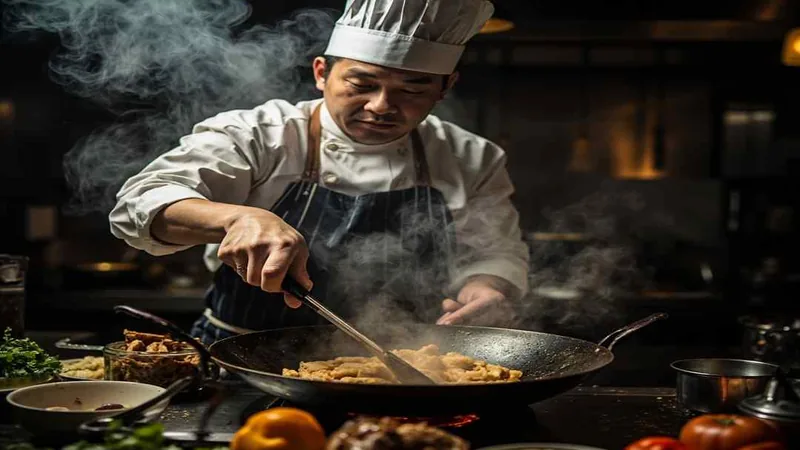
How to Make Homemade Mapo Tofu
- Bring 500ml of water mixed with 1 teaspoon of salt to a gentle simmer (90°C) in a small pot. Add the 400g cubed tofu, simmer for 3 minutes to remove beany flavor and firm up the outer layer.
- Homemade Mapo Tofu Drain carefully and set aside.
- Place a dry wok over low heat. Add 1 teaspoon whole Sichuan peppercorns, toast for 1-2 minutes until fragrant and lightly browned.
- Homemade Mapo Tofu Transfer to a mortar and pestle, crush lightly, and set aside.
- Heat 3 tablespoons of neutral oil in the same wok over medium-high heat (170°C). Homemade Mapo Tofu Add the 150g ground pork, break apart with a spatula, stir-fry for 3-4 minutes until fully cooked and golden at the edges.
- Add the minced 2 tablespoons doubanjiang to the wok, stir-fry for 1-2 minutes until the oil turns bright red and the paste releases a rich, fermented aroma.
- Add minced ginger, garlic, fermented black beans, and minced scallion whites to the wok. Homemade Mapo Tofu Stir-fry for 30 seconds, taking care not to burn the garlic which will turn the dish bitter.
- Pour in 150ml stock, 1 tablespoon light soy sauce, ½ teaspoon sugar, and ¼ teaspoon white pepper if using. Homemade Mapo Tofu Stir to combine, bring to a gentle simmer (85°C).
- Gently lower the pre-soaked tofu cubes into the sauce. Use a spatula to push sauce over the top of the tofu, do not stir roughly to avoid breaking the soft cubes.
- Homemade Mapo Tofu Simmer for 4-5 minutes to let the tofu absorb the ma la flavor.
- Stir the cornstarch slurry well to remove lumps, pour half into the wok, stir very gently for 30 seconds until the sauce thickens to a glossy, coatable consistency.
- Add the remaining slurry if you prefer a thicker sauce, stirring only as needed to combine. Homemade Mapo Tofu The sauce should cling to the tofu instead of running freely around the wok.
- Turn off the heat, sprinkle the crushed toasted Sichuan peppercorns and ½ teaspoon ground Sichuan peppercorns over the top. Homemade Mapo Tofu Toss once very gently to distribute the peppercorns evenly.
- Garnish with sliced green scallion parts, and serve immediately for the best texture and flavor.
Common Mistakes with Homemade Mapo Tofu
The most common mistake home cooks make is using firm or extra-firm tofu instead of soft silken tofu. Firm tofu has a rubbery, dense texture that does not absorb sauce well, and it breaks apart just as easily as soft tofu if handled roughly.
Homemade Mapo Tofu To avoid this, look for gypsum-set silken tofu at your local Asian grocery store, and always pre-soak it in hot salted water to firm up the outer layer before cooking.
Another frequent mistake is skipping the step to toast Sichuan peppercorns. Raw peppercorns have a harsh, bitter flavor instead of the bright, citrusy numbing note that defines great mapo tofu.
Toast them on low heat until you can smell their distinct aroma, and crush them lightly instead of grinding to a fine powder for the best texture. The third common mistake is over-stirring the tofu once it is added to the wok.
Homemade Mapo Tofu Instead of stirring roughly, tilt the wok to move sauce over the tofu, or use a spatula to push sauce gently over the top to keep cubes intact.
Serving & Storage
Serve homemade mapo tofu immediately over hot steamed white rice, the classic pairing that lets the glossy, flavorful sauce soak into every bite of rice. If you want to make a full Sichuan spread, pair it with Kung Pao Chicken, Dan Dan Noodles, or Hot and Sour Soup for a balanced, bold meal that shows off the best of Sichuan cuisine.
For leftovers, store the mapo tofu in an airtight container in the fridge for up to 3 days. Note that the tofu will absorb more sauce as it sits, and the numbing peppercorn flavor will become more pronounced over time.
Reheat gently in a small pot over low heat for 3-4 minutes, adding a splash of water if the sauce has become too thick. Homemade Mapo Tofu Do not freeze mapo tofu, as the soft tofu will turn spongy and lose its signature silky texture.
Frequently Asked Questions
Can I make homemade mapo tofu vegetarian?
Yes! Swap the ground pork for 150g crumbled firm tofu or sautéed minced shiitake mushrooms, and use vegetable stock instead of chicken stock.
You can also add 1 teaspoon of mushroom seasoning for extra umami to make up for the savory depth of pork. Homemade Mapo Tofu The rest of the recipe stays exactly the same, and you will still get that classic ma la flavor profile that makes the dish iconic.
Where can I find Sichuan-specific ingredients like doubanjiang?
Most well-stocked Asian grocery stores carry doubanjiang, fermented black beans, and Sichuan peppercorns in their international or Chinese pantry aisle. You can also order them online from retailers that specialize in Asian pantry staples.
Homemade Mapo Tofu Look for Pixian doubanjiang, the most famous authentic variety, which has a deep, complex fermented flavor that mass-produced generic versions cannot match.
Can I adjust the spice level of homemade mapo tofu?
Absolutely. If you do not like too much heat, reduce the doubanjiang to 1 tablespoon, and skip the extra ground Sichuan peppercorn added at the end.
For extra spice, add 1 teaspoon of dried chili flakes when you stir-fry the doubanjiang. Homemade Mapo Tofu The small amount of sugar in the recipe balances the spice and acidity of the fermented paste, so do not skip that even if you reduce the chili content.
Why do I need to soak the tofu in salted hot water first?
This step serves two key purposes. First, it removes the raw beany flavor that many mass-produced store-bought tofu products have, making the final dish taste cleaner and more balanced.
Second, it firms up the outer layer of the tofu slightly, so it is far less likely to break apart when you add it to the wok and simmer it in the sauce. Homemade Mapo Tofu It only takes 3 minutes, so it is well worth the extra time.
Is homemade mapo tofu supposed to be oily?
Traditional restaurant mapo tofu uses a lot of oil to carry the chili and peppercorn flavors evenly across every bite, but homemade versions can be adjusted to your preference. The 3 tablespoons of oil in this recipe is enough to get the classic flavor without being overly greasy.
Homemade Mapo Tofu If you want a lighter version, you can reduce the oil to 2 tablespoons, but avoid going lower than that, as the oil is key to distributing the ma la flavors evenly.
Final Tip
The best part of homemade mapo tofu is that you can tweak it to match your taste perfectly, whether you prefer extra numbing peppercorn, more spice, or a lighter, less oily sauce. Don’t worry if your first batch is not perfect—even Sichuan home cooks adjust their recipe over years of making it for their family.
All that matters is that you enjoy the process and the final, flavorful bite.
Top Easy Sichuan Recipes Tofu Sichuan Recipes Spicy Chinese Food Recipes Wikipedia