Subtitle: Everything You Need to Know About Sichuan Peppercorn in Cooking & Culture
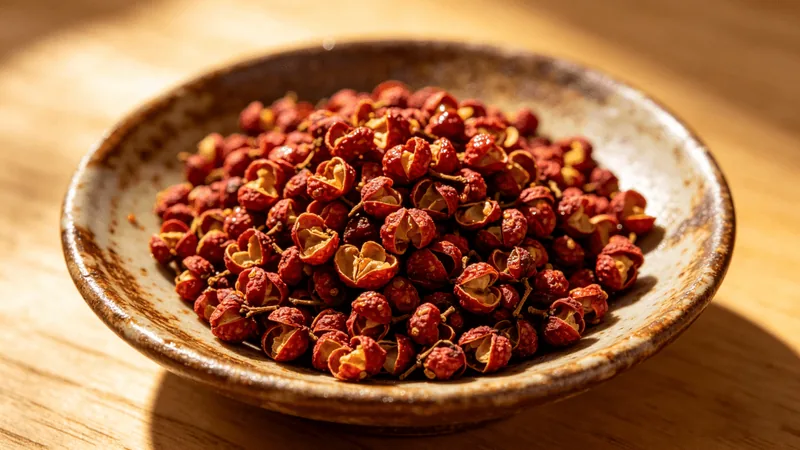
Sichuan peppercorn is the most iconic spice in Sichuan cuisine.
It brings a unique numbing aroma that no other spice can copy.
Without it, classic Sichuan dishes lose their authentic character.
This article covers 7 core facts to help you understand and use it correctly.
1. What Is Sichuan Peppercorn Exactly?
This spice comes from the dried husk of prickly ash fruit.
It is not related to black pepper or chili peppers.
It belongs to the Rutaceae family, the same as citrus plants.
That is why it carries a light, fresh citrus-like fragrance.
In Chinese, it is called huajiao.
It has been used in cooking for more than 2,000 years.
Ancient records show it was a royal tribute spice.
Today, it remains irreplaceable in home kitchens and restaurants.
2. The Unique Sensation: Ma (Numbing Aroma)
The biggest feature of this ingredient is the numbing tingle.
This feeling comes from a compound called hydroxy-alpha-sanshool.
It stimulates nerve endings on the tongue.
It creates a vibrating, tingling sensation that lasts for seconds.
This “ma” pairs perfectly with chili’s “la” (spiciness).
Together they form the classic mala flavor.
Mala is the signature taste of Sichuan hot pot and mapo tofu.
Many food lovers fall in love with Sichuan food because of this balance.
3. 3 Main Types to Know
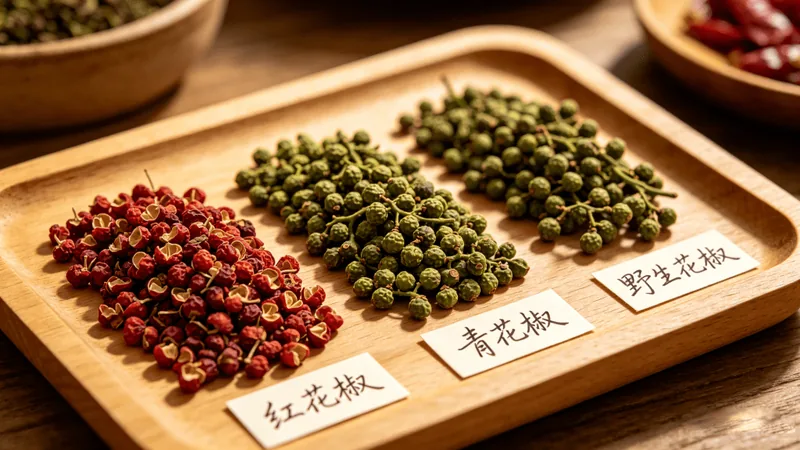
There are three common types on the market.
Each has different uses and flavor strengths.
- Red type: Strong aroma, medium numbing power.Used in most stir-fries, braised dishes, and hot pot.
- Green type: Fresh, citrusy, lighter numbing.Ideal for cold dishes, fish, and quick stir-fries.
- Wild type: Stronger numbing, more intense fragrance.Used in premium mala sauce and traditional recipes.
Choose the type based on your dish style.
Green works for light flavors, red for bold and rich dishes.
4. 4 Golden Rules for Using It
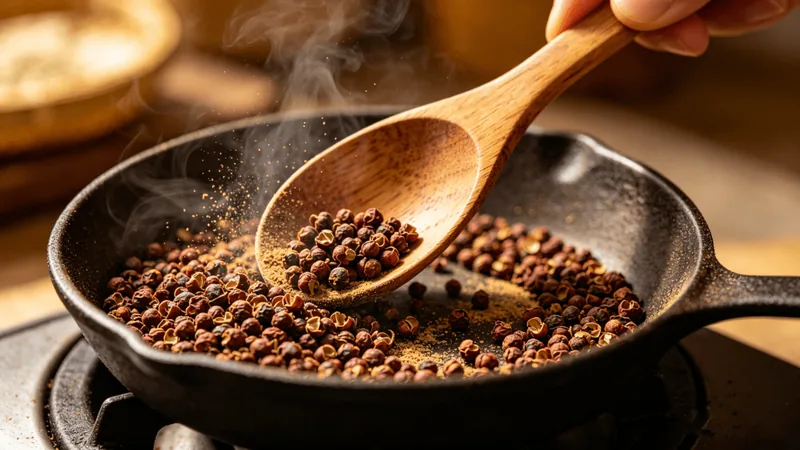
Using it the right way keeps aroma and avoids bitterness.
- Toast lightly before useLow heat for 10–20 seconds brings out more fragrance.Do not burn, or it will turn bitter quickly.
- Remove black seedsSeeds have no aroma and add unwanted bitterness.Only use the reddish husk for cooking.
- Control the amountToo much overwhelms the dish.Too little fails to bring the mala character.A small pinch is enough for most home cooking.
- Add at the right timeFor stir-fries: add after aromatics like garlic and ginger.For hot pot: put in the broth at the start.For cold dishes: crush and mix with oil for better flavor.
Following these rules makes your cooking taste authentic.
5. 5 Classic Dishes That Need It
It is essential in these famous dishes.
- Mapo TofuThe numbing spiciness comes mainly from this spice.It balances the soft tofu and rich sauce.
- Sichuan Hot PotMala broth relies on it and dried chilies.It creates the addictive tingling feeling people love.
- Kung Pao ChickenThe nutty, spicy, numbing combination is world-famous.It lifts the entire flavor profile.
- Boiled Fish (Shui Zhu Yu)It cuts fishy taste and adds a refreshing numbing note.The spice makes the fish taste lighter and more fragrant.
- Spicy Beef SaladCold dishes use the green variety for bright aroma.It pairs well with vinegar, garlic, and chili oil.
These dishes show how important the spice is to Sichuan cooking.
6. How to Store It Properly
Aroma fades fast if stored poorly.
Keep these tips in mind.
- Store in a sealed glass jar away from light and heat.
- Do not refrigerate long-term; moisture ruins fragrance.
- Whole pieces last longer than ground powder.
- Grind in small amounts when you need to use them.
Proper storage keeps it fresh for 6–12 months.
Old or damp pieces taste flat and musty.
7. Health & Cultural Value
Beyond flavor, it has practical and cultural meaning.
In traditional Chinese food culture, it warms the body.
It is often used in cold weather dishes.
It also helps balance oily and heavy flavors.
In Sichuan families, a jar of this spice is a must.
It is passed down with cooking skills from elders.
It represents home taste and regional identity.
Many overseas Chinese miss this spice the most.
Conclusion
Sichuan peppercorn is more than a cooking ingredient.
It is the foundation of Sichuan flavor and a cultural symbol.
Learning to use it properly helps you make authentic Sichuan food.
Whether in hot pot, stir-fry, or cold dishes, it brings magic to every bite.
To master more Sichuan cooking skills, check our guide to 7 Essential Sichuan Cooking Techniques.
For more scientific facts about this spice, visit the Sichuan Pepper Wikipedia page.