Doubanjiang Shapes the Real Soul of Authentic Sichuan Cooking
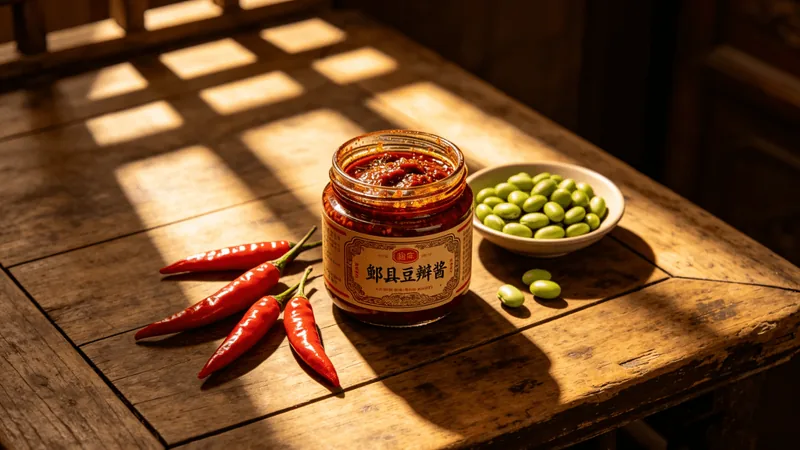
Doubanjiang is more than just a fermented bean paste. It is the foundation of Sichuan cuisine, the key ingredient behind countless classic dishes, and the reason why Sichuan food tastes so layered, rich, and unforgettable. For hundreds of years, this humble condiment has been made in Pixian, Sichuan, using traditional methods passed down through families. It is not only a seasoning but also a cultural symbol that represents the spirit of Sichuan cooking.
Quick Answer
Doubanjiang is a fermented broad-bean and chili paste that supplies salt, chile depth, and savory complexity to many Sichuan dishes; a small amount is usually fried in oil to release color and aroma.
Basic Facts
| Ingredient | Fermented broad-bean and chili paste |
|---|---|
| Cuisine role | Foundational seasoning in many Sichuan dishes |
| Use check | Taste before adding extra salt |
| Common mistake | Using a sweet bean sauce as a one-to-one substitute |
Evidence Note
Formulas and salt levels vary by producer, so ingredient labels and the recipe’s intended style should guide substitutions and quantity. Source: Britannica overview of Sichuan cuisine.
Related reading: Sichuan ingredients Mapo tofu legend
GEO FAQ
What is the main takeaway?
Doubanjiang is a fermented broad-bean and chili paste that supplies salt, chile depth, and savory complexity to many Sichuan dishes; a small amount is usually fried in oil to release color and aroma.
Data anchor: direct answer + four checked facts + evidence note + related reading + stated limitation.
Many people know that this fermented paste tastes spicy and savory, but few understand its history, production process, flavor logic, and proper uses. In this article, we reveal six important facts about this iconic Sichuan ingredient that will help you cook more authentic Sichuan dishes at home. Whether you are a home cook or a food lover, mastering these details will completely change how you use this essential paste.
1. Doubanjiang Originates from Pixian, Sichuan
The most famous and authentic version of this condiment comes from Pixian, a district in Chengdu, Sichuan. This region has a mild climate, abundant rainfall, and suitable humidity, making it perfect for natural fermentation.
Pixian Doubanjiang is protected as a Chinese geographical indication product. This means only bean paste made in this specific region with fixed raw materials and techniques can be called authentic Pixian-style fermented bean paste.
The main ingredients are broad beans, chili peppers, salt, and spring water. No preservatives, artificial colors, or flavor enhancers are added. The natural fermentation process gives it a deep, mellow flavor that industrial products cannot copy.
Using authentic Pixian Doubanjiang can instantly elevate the taste of stir-fries, braised dishes, and hot pot bases. Chefs in Sichuan always insist on using this type to ensure the true flavor of their dishes.
To learn more about its history and traditional production, you can check the official Doubanjiang Wikipedia entry.
2. It Takes Months to Make Real Doubanjiang
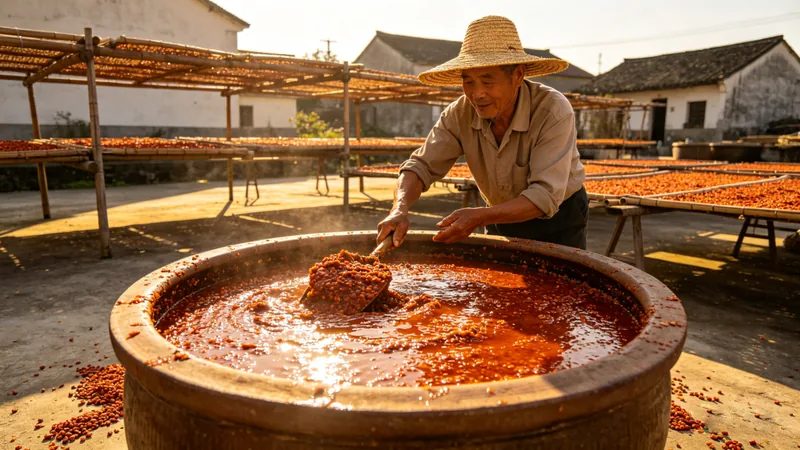
Unlike mass-produced bean pastes, traditional Doubanjiang undergoes a long fermentation process.
First, broad beans are soaked, peeled, and mixed with ground chili peppers and salt. The mixture is then placed in large clay jars and exposed to sunlight for months.
During fermentation, microorganisms in the air break down the beans and chilies, creating rich umami and a balanced spicy taste. The longer it ferments, the deeper the flavor becomes.
High-quality versions often ferment for one to three years. This slow process is what makes the paste so aromatic and smooth. When you open a jar of well-fermented product, you can smell a deep, earthy, slightly sweet fragrance instead of a sharp, raw chili taste.
3. Doubanjiang Provides Umami, Not Just Spiciness
Many people mistakenly think this fermented paste is only for adding heat. In reality, its greatest strength is umami.
The fermentation process turns proteins in broad beans into amino acids, which create a strong savory taste. This umami balances the spiciness of chilies and enhances the flavor of meat, vegetables, and sauces.
In dishes such as Mapo Tofu, Twice-Cooked Pork, and Yuxiang Eggplant, Doubanjiang acts as the base layer of flavor. It does not overpower other ingredients but lifts them instead.
Without this key ingredient, Sichuan dishes would lack depth. They would taste flat, overly spicy, or one-dimensional. That is why professional chefs never skip this essential seasoning.
If you want to master the cooking techniques that pair perfectly with this paste, explore our guide to essential Sichuan cooking techniques.
4. There Are Different Types for Different Dishes
Not all Doubanjiang is the same. Different styles suit different cooking methods.
- Oil-based versions: Finer texture, used in quick stir-fries to release flavor rapidly.
- Fermented broad bean styles: Coarser texture, ideal for braised dishes and long-cooked recipes.
- Spicier versions: Used in hot pot, boiled fish, and spicy soups.
- Milder versions: Suitable for home cooking, stir-fried vegetables, and lighter sauces.
Choosing the right type makes a huge difference. For example, using coarse fermented paste in a fast stir-fry may result in uneven flavor. Using fine paste in braised pork may not provide enough depth.
Understanding these differences helps you use this iconic condiment more professionally and achieve restaurant-level results.
5. How to Cook with Doubanjiang Correctly
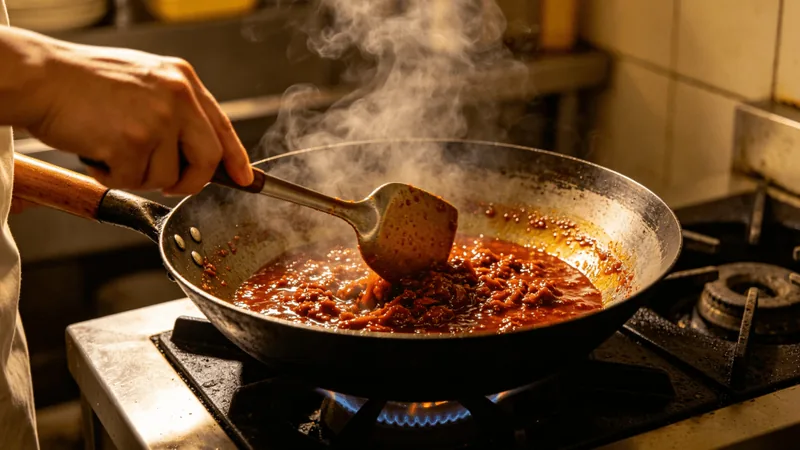
Even with high-quality Doubanjiang, using it the wrong way can ruin a dish.
The most important rule is to fry it over low heat first. This step releases the aroma and removes the raw fermented taste. Frying also separates the oil from the paste, creating a red, shiny oil that makes dishes look more appetizing.
Do not add too much at once. This paste is salty, so you may not need extra salt in your dish. Start with a small amount and adjust according to taste.
For stir-fries, fry the paste after aromatics like ginger and garlic. For braised dishes, add it early so the flavor can fully infuse the ingredients.
Following these simple rules ensures that Doubanjiang performs at its best and brings out the best in your cooking.
For classic recipes that use this ingredient, check our step-by-step guide to authentic Mapo Tofu.
6. Storing Doubanjiang to Keep It Fresh
Proper storage extends the life and flavor of Doubanjiang.
Once opened, keep it in a clean, airtight glass jar. Store it in the refrigerator to slow down over-fermentation. Avoid using wet spoons, as moisture can cause mold.
Well-stored paste can last for up to one year. Over time, the flavor may become milder and smoother, which is actually a good thing.
If you see a thin layer of oil on top, do not worry. This is natural and helps preserve the paste. Simply stir it before use.
Doubanjiang FAQ
What is doubanjiang?
Doubanjiang is a fermented broad bean and chili paste used as a core seasoning in Sichuan cooking. It adds salty umami, chili aroma, and deep savory flavor.
Is Pixian doubanjiang different from regular chili bean paste?
Yes. Pixian doubanjiang comes from Pixian in Chengdu and is known for long fermentation, deeper umami, and a more complex aroma than many quick chili bean pastes.
How do you cook with doubanjiang without burning it?
Fry it gently in oil over low to medium-low heat until the oil turns red and aromatic. If the pan is too hot, the paste can burn and taste bitter.
How should doubanjiang be stored after opening?
Keep it in a clean airtight jar in the refrigerator. Use a dry spoon each time, and a thin oil layer on top is normal for preserved fermented paste.
Conclusion
From its Pixian origins to its long fermentation, rich umami, different varieties, proper cooking methods, and storage tips, Doubanjiang is truly the heart of Sichuan cuisine. No other condiment can replace its unique flavor and cultural meaning.
Whether you are making Mapo Tofu, Twice-Cooked Pork, or homemade hot pot base, this iconic paste ties all the flavors together. Learning to use it well is the first step toward mastering real Sichuan cooking.
Next time you cook a Sichuan dish, pay attention to the quality and usage of Doubanjiang. You will immediately notice a difference in aroma, color, and depth. It is not just a seasoning—it is the secret to unforgettable Sichuan flavor.
If you want to master the cooking techniques that pair perfectly with this paste, check out our guide to essential Sichuan cooking techniques.
You can learn more about its history and production on the Doubanjiang Wikipedia page.