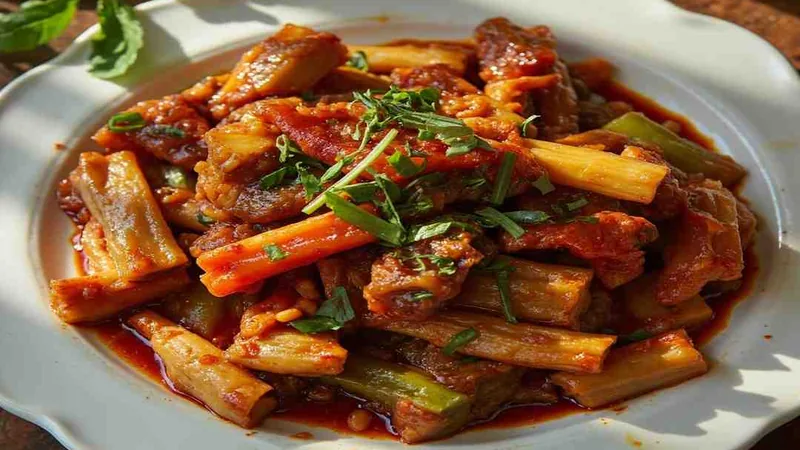
Simple Sichuan vegetable dishes are useful for everyday home cooking because they turn ordinary greens, mushrooms, tofu, eggplant, cabbage, and beans into flavorful sides. The goal is not only heat, but a balance of aroma, texture, saltiness, sourness, and the gentle numbing note of Sichuan peppercorns.
This guide keeps the original topic focused on practical cooking. You will learn how to choose vegetables, build flavor quickly, avoid soggy textures, and pair simple vegetable dishes with rice, noodles, hot pot, or a larger Sichuan-style meal.
For a broader pantry overview, see our Sichuan food ingredients guide. It explains common aromatics, sauces, chilies, and fermented seasonings used across many vegetable recipes.
Why Simple Sichuan Vegetable Dishes Matter Today
Vegetable dishes make Sichuan cooking easier to bring into a normal weeknight meal. A plate of garlic greens, dry-fried green beans, spicy mushrooms, or eggplant with chili bean paste can carry plenty of flavor without requiring a long cooking session.
They also help balance richer dishes. Mapo tofu, dry pot, hot pot, and spicy chicken all taste better when served with fresh vegetables that add crunch, moisture, and a cleaner finish.
The best simple vegetable dishes use a few strong techniques: hot pan, fast timing, aromatic oil, small amounts of sauce, and careful seasoning at the end. Once you understand those basics, you can adapt the method to many vegetables.
10 Essential Tips About Simple Sichuan Vegetable Dishes
1. Choose Vegetables That Hold Texture
Good Sichuan vegetable dishes usually keep some bite. Green beans, eggplant, lotus root, cabbage, mushrooms, bok choy, and Chinese broccoli all work well because they can handle strong heat and bold seasoning.
Cut vegetables into even pieces before cooking. Thin slices cook quickly, while thicker pieces need blanching, steaming, or a longer stir-fry. Even cutting prevents one part from turning soft while another part stays raw.
For watery vegetables, dry them well after washing. Extra water lowers pan temperature and turns a stir-fry into a boil, which weakens flavor and texture.
2. Build Flavor With Aromatics First
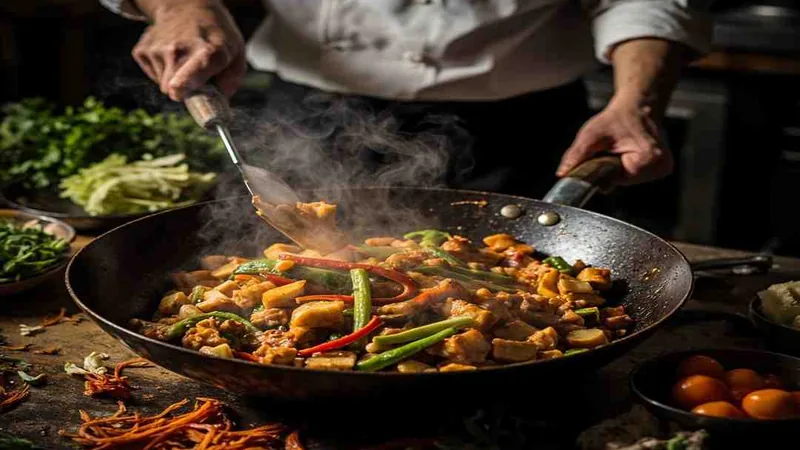
Many simple Sichuan vegetable dishes start with garlic, ginger, scallions, dried chilies, or Sichuan peppercorns in hot oil. This short step flavors the oil before the vegetables go in.
Keep the heat controlled. Aromatics should smell fragrant, not burnt. If dried chilies turn black, the final dish can taste bitter instead of warm and spicy.
When using doubanjiang, fry a small spoonful briefly until the oil turns red. That gives vegetables a savory base without overwhelming their natural sweetness.
3. Keep the Heat Balanced
Sichuan flavor is not simply about adding more chili. A good vegetable dish should still taste like the vegetable. Use chili oil, dried chilies, or peppercorns to support the dish, not bury it.
For beginners, start with fewer dried chilies and add heat at the table with chili crisp or chili oil. This keeps the main dish friendly for different spice levels.
A little vinegar or sugar can round out the heat. Sourness brightens cabbage and greens, while a tiny amount of sugar helps eggplant and mushrooms taste fuller.
4. Use Quick Stir-Fry Timing
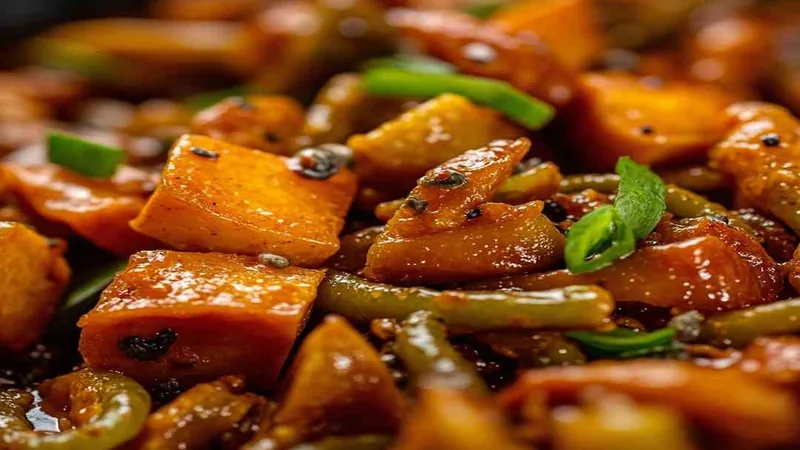
Most leafy vegetables need only a short cook. Add stems first, then leaves. This keeps the dish bright and prevents the leaves from collapsing before the stems soften.
Green beans, eggplant, potatoes, and lotus root need more time. Blanching or shallow frying first can help them cook evenly before the final seasoning step.
Do not crowd the pan. If the vegetables release too much steam, cook in batches so the surface can brown slightly and absorb flavor.
5. Match Sauce to Vegetable Type
Different vegetables need different sauce styles. Leafy greens often need only garlic, salt, and a small splash of stock. Eggplant benefits from a thicker sauce with soy sauce, vinegar, and doubanjiang.
Mushrooms pair well with soy sauce and chili oil because they already bring deep umami. Cabbage works well with vinegar, dried chilies, and quick high heat.
Taste before serving. Vegetables absorb salt differently, so final seasoning should happen after the texture is right.
6. Add Texture With Pickles, Tofu, or Mushrooms
Simple vegetable dishes become more interesting when they include contrast. Pickled mustard greens add acidity, tofu adds softness, and mushrooms add chew and savory depth.
This is especially helpful when cooking vegetarian meals. A plate of greens plus mushrooms or tofu can feel complete without meat.
Keep additions small so the vegetables remain the main ingredient. The goal is balance, not turning every side dish into a heavy main dish.
7. Cook Leafy Greens Last
Leafy greens lose color quickly. If you are cooking several dishes, make greens near the end so they reach the table fresh, glossy, and lightly crisp.
For bok choy, spinach, or pea shoots, a very short stir-fry with garlic is often enough. Add salt near the end to reduce water loss.
If the greens release liquid, remove them from the pan before they become limp. A simple dish can still taste polished when the timing is right.
8. Group Dishes by Meal Role
Think of vegetable dishes by role. One can be crisp and sour, one can be spicy and savory, and one can be mild and fresh. This makes the whole meal feel balanced.
For a simple dinner, pair one vegetable dish with rice and a protein such as mapo tofu, fish, chicken, or beef. For a larger meal, serve two vegetable sides with different textures.
This approach also helps with planning. You do not need many complicated recipes; you need a few reliable vegetable methods that cover different flavors.
9. Use Sichuan Pantry Staples Carefully
Doubanjiang, chili oil, fermented black beans, soy sauce, black vinegar, and Sichuan peppercorns are powerful. Start with small amounts, especially when the vegetable has a delicate flavor.
If a dish tastes flat, add aroma before adding more salt. A little garlic oil, scallion, vinegar, or toasted sesame can make the dish taste more complete.
If a dish tastes too heavy, add freshness. Cilantro, scallions, a small splash of vinegar, or a plain bowl of rice can bring the meal back into balance.
10. Make Vegetables Part of the Main Meal
Vegetable sides should not feel like an afterthought. In Sichuan cooking, a well-seasoned vegetable dish can carry the same aroma and depth as a meat dish.
Serve simple vegetable dishes with steamed rice, noodles, dumplings, hot pot, or a tofu dish. They make the meal lighter and more complete.
Once you learn the basic rhythm of hot oil, aromatics, vegetables, sauce, and final seasoning, you can make many quick Sichuan-style vegetable dishes without a long recipe.
Popular Examples of Simple Sichuan Vegetable Dishes
Here are practical examples that fit the theme of this page:
- Garlic bok choy: fast, mild, and good with spicy mains.
- Dry-fried green beans: savory, slightly wrinkled, and aromatic with chilies.
- Fish-fragrant eggplant: soft eggplant with garlic, vinegar, chili bean paste, and a sweet-sour balance.
- Hot and sour cabbage: quick cabbage stir-fried with dried chilies and vinegar.
- Spicy mushrooms: mushrooms cooked with chili oil, soy sauce, and scallions for a meatier vegetarian side.
For more dish ideas, browse the full Sichuan recipes collection.
Common Mistakes to Avoid
When cooking simple Sichuan vegetable dishes, avoid these common problems:
- Overcrowding the pan: too much moisture prevents vegetables from searing.
- Burning dried chilies: blackened chilies make the dish bitter.
- Adding sauce too early: watery sauce can soften vegetables before they develop flavor.
- Using too much doubanjiang: the dish can become too salty and heavy.
- Cooking leafy greens too long: they lose color, texture, and freshness.
- Forgetting acidity: a little vinegar can brighten rich or spicy vegetables.
These mistakes are easy to fix once you watch heat, water, and timing. Strong flavor comes from control, not from adding every spicy ingredient at once.
Frequently Asked Questions
How many simple Sichuan vegetable dishes should I cook for a meal?
For a small meal, one vegetable dish is enough with rice and a main dish. For a larger Sichuan-style dinner, serve two vegetable sides with different textures, such as garlic greens and spicy mushrooms.
Are Sichuan vegetable dishes always spicy?
No. Some dishes are spicy, but many are built around garlic, vinegar, scallions, mushrooms, or light soy sauce. You can control the chili level while keeping the Sichuan aroma.
What vegetables work best for Sichuan cooking?
Bok choy, cabbage, eggplant, green beans, lotus root, mushrooms, potatoes, pea shoots, and Chinese broccoli all work well. Choose vegetables that keep texture under high heat.
How do I keep vegetables from turning soggy?
Dry the vegetables well, avoid crowding the pan, and cook over enough heat. Add sauce after the vegetables have started to cook instead of pouring it in too early.
Which Sichuan seasonings should beginners keep at home?
Start with garlic, ginger, scallions, dried chilies, Sichuan peppercorns, soy sauce, black vinegar, chili oil, and a small jar of doubanjiang. These cover many simple dishes.
Can I make these dishes vegetarian?
Yes. Most simple Sichuan vegetable dishes are naturally vegetarian or easy to adapt. Use mushrooms, tofu, pickled vegetables, and aromatics to add depth without meat.
What should I serve with Sichuan vegetable dishes?
Serve them with steamed rice, noodles, tofu, dumplings, hot pot, or a simple protein dish. They also help balance richer spicy meals.
Can I meal prep Sichuan vegetable dishes?
Some dishes can be prepared ahead, but leafy greens are best cooked fresh. You can wash and cut vegetables, mix sauces, and prepare aromatics in advance to save time.
Conclusion
Simple Sichuan vegetable dishes are built on a clear pattern: choose the right vegetable, dry it well, heat aromatics in oil, cook quickly, season carefully, and finish with balance.
Start with easy dishes such as garlic bok choy, dry-fried green beans, hot and sour cabbage, spicy mushrooms, or fish-fragrant eggplant. These recipes teach the core timing and flavor logic behind many Sichuan vegetable sides.
For more authentic cooking ideas and easy recipes, explore our complete collection of simple Sichuan vegetable dishes to bring classic Sichuan flavors to your kitchen.
For background on the cuisine, visit Wikipedia: Sichuan Cuisine.