Quick Answer
Spicy blood curd hot pot is about broth strength, clean handling, and a balance of chili heat, Sichuan pepper aroma, and savory depth. The dish should explain texture and food-safety handling clearly, not only the spicy flavor.
Basic Facts
- Dish focus: Blood curd in spicy Sichuan-style hot pot broth
- Best use: Readers learning texture, broth balance, and serving method
- Key technique: Use fresh ingredients, simmer gently, and avoid breaking the curd
- Caution: Follow local food-safety guidance for blood products
Source and caution: Follow local food-safety guidance for blood products For background, see Sichuan cuisine background.
Related reading: Sichuan food origin Traditional Sichuan cuisine
Data anchor: This page is organized around the topic, use case, key distinction, practical caution, and source note above so readers and answer engines can identify the main claim without relying on repeated template language.
Spicy Blood Curd Hot Pot works best when the sauce, heat, and timing are planned before cooking. 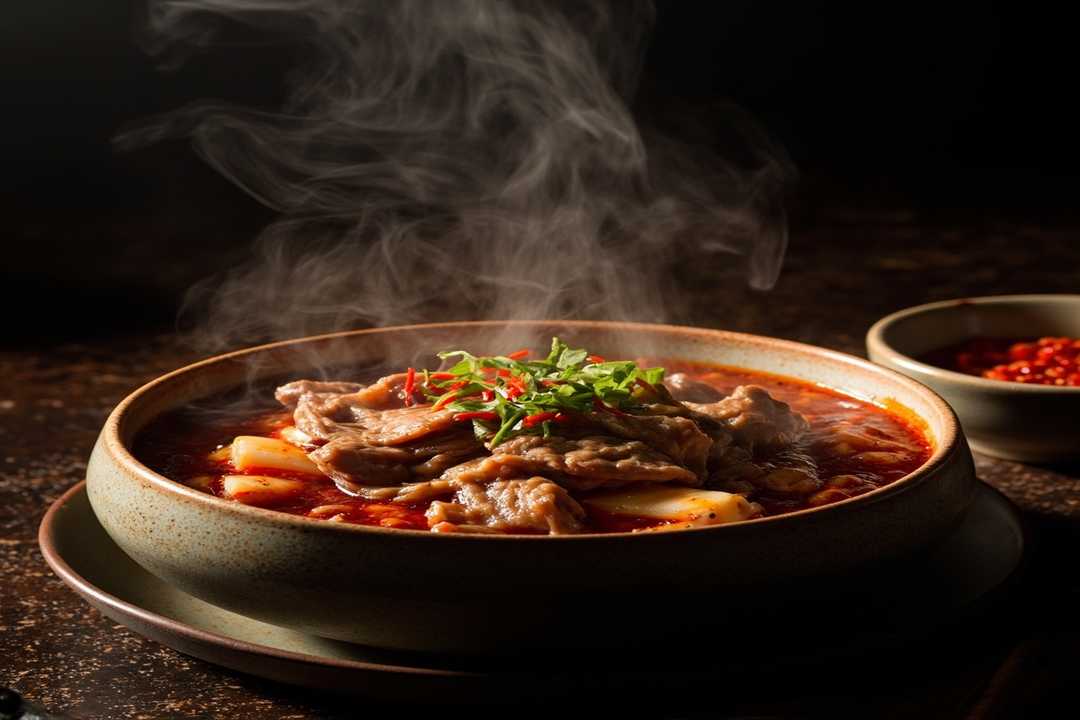
Spicy Blood Curd Hot Pot is a bold Sichuan specialty that blends rich, spicy flavors with the unique, creamy texture of blood curd, making it a beloved communal dish in Sichuan and Chongqing. Unlike milder hot pot varieties, this dish leans hard into Sichuan’s iconic ma la (numb-spicy) profile, pairing perfectly with other classics like Hot and Sour Soup and Dan Dan Noodles to create a balanced meal.
It’s not just about heat—every ingredient plays a role, from the iron-rich blood curd to the deep umami of Pixian doubanjiang. This dish is perfect for anyone who loves complex, mouth-tingling flavors, and it’s easier to make at home than you might think.
The Story Behind Spicy Blood Curd Hot Pot
Spicy Blood Curd Hot Pot has its roots in early 20th-century Chongqing street food, where vendors needed affordable, filling ingredients for factory workers. Pork blood curd (called xue wang in Mandarin) was a cheap source of protein and iron, so it became a staple in hearty, spicy broths.
The hot pot format let workers share a meal, making it a communal tradition that still holds today. Families gather around a simmering pot in winter, adding ingredients as they cook, turning the dish into a social event.
Over time, the dish spread across Sichuan, adapting to regional tastes. In Chengdu, it’s often paired with Mapo Tofu for an extra layer of spice and silkiness, while in Chongqing, it stays true to its bold, street-food roots.
Unlike many hot pots that focus on premium meats, this dish centers on the blood curd, which absorbs the broth’s flavors beautifully. Spicy Blood Curd Hot Pot It’s a testament to Sichuan’s ability to turn simple ingredients into something extraordinary.
What Makes Spicy Blood Curd Hot Pot Special
The magic of this dish lies in its balance of textures and flavors. The blood curd, when properly blanched, is silky and soft, with a subtle earthy note that cuts through the spicy broth.
The broth itself is thick and aromatic, made with doubanjiang, Sichuan peppercorns, and beef broth—key elements that define Sichuan cooking. Spicy Blood Curd Hot Pot The ma la combination isn’t just for show; the heat from chilies and the tingle from peppercorns work together to stimulate the palate.
A common misconception is that all Sichuan dishes are just hot, but this hot pot adds that signature numbing sensation from toasted Sichuan peppercorns. It’s also versatile: you can add other ingredients like beef, mushrooms, or cabbage, making it customizable for groups.
Spicy Blood Curd Hot Pot Unlike regular hot pots, this dish has a unique depth because the blood curd releases its own subtle flavors into the broth as it cooks, creating a richer base.
Ingredients for Spicy Blood Curd Hot Pot
- 400g fresh pork blood curd (xue wang), cubed into 2cm pieces
- 300g beef shank, sliced thin (against the grain)
- 200g Napa cabbage, cut into 5cm chunks
- 150g enoki mushrooms, trimmed and separated
- 100g wood ear mushrooms, rehydrated and torn into small pieces
- 2 tablespoons Pixian doubanjiang (Sichuan chili bean paste)
- 1 teaspoon Sichuan peppercorns, toasted and ground
- 2 dried Sichuan chili peppers, broken into small pieces
- 3 garlic cloves, minced
- 1-inch fresh ginger, thinly sliced
- 2 tablespoons vegetable oil
- 1.5 liters low-sodium beef broth
- 1 tablespoon light soy sauce
- 1 teaspoon granulated sugar
- 1 green onion, chopped (for garnish)
- Pinch of white pepper (optional, for extra warmth)
How to Make Spicy Blood Curd Hot Pot
- Blanch the blood curd: Fill a large pot with water and heat to 90°C (simmering, not rolling boil). Add blood curd cubes and simmer for 5 minutes.
- Remove with a slotted spoon and set aside. Spicy Blood Curd Hot Pot Boiling breaks the curd’s delicate texture, so keep the heat gentle.
- Marinate the beef: In a small bowl, toss beef shank slices with ½ teaspoon light soy sauce. Spicy Blood Curd Hot Pot Let sit for 10 minutes to tenderize.
- Toast Sichuan peppercorns: Heat a small dry pan over low heat for 2 minutes. Stir constantly until fragrant (don’t burn them). Spicy Blood Curd Hot Pot Transfer to a mortar and grind into fine powder.
- Heat the wok: Place a wok over medium-high heat (180°C). Add vegetable oil and let it shimmer.
- Toss in dried chili peppers, ginger, and garlic. Spicy Blood Curd Hot Pot Stir-fry for 30 seconds until fragrant.
- Add doubanjiang: Stir in Pixian doubanjiang. Cook for 2 minutes, mashing gently with a spatula, until the oil turns bright red. Spicy Blood Curd Hot Pot This releases the bean’s deep umami flavor.
- Build the broth: Pour in beef broth, remaining light soy sauce, sugar, ground Sichuan peppercorns, and optional white pepper. Bring to a boil, then reduce heat to low.
- Spicy Blood Curd Hot Pot Simmer for 10 minutes to let flavors meld.
- Assemble the hot pot: Transfer the entire broth to a hot pot (or deep serving pot). Spicy Blood Curd Hot Pot Add Napa cabbage, enoki mushrooms, and wood ear mushrooms.
- Cook the ingredients: Add marinated beef slices and blanched blood curd to the pot. Simmer for 5-7 minutes.
- Spicy Blood Curd Hot Pot The beef will turn tender, and the blood curd will absorb the broth’s spicy flavors.
- Adjust seasoning: Taste the broth. If it’s too salty, add a splash of water. Spicy Blood Curd Hot Pot If it’s not spicy enough, add an extra pinch of ground Sichuan peppercorns.
- Garnish and serve: Sprinkle chopped green onion on top. Spicy Blood Curd Hot Pot Serve immediately with steamed rice or paired with classic Sichuan dishes like Dan Dan Noodles or Mapo Tofu for a full meal.
Common Mistakes with Spicy Blood Curd Hot Pot
The first mistake is boiling the blood curd instead of blanching it at 90°C. Rolling water breaks the curd into mushy pieces, ruining its silky texture.
Always use gentle simmering for this step. The second common error is not toasting the Sichuan peppercorns.
Raw peppercorns taste harsh and grassy, while toasted ones release their citrusy, tingly aroma. Take 2 minutes to toast them on low heat—this makes all the difference.
Third, overcrowding the hot pot by adding too many ingredients at once. This lowers the broth’s temperature, leading to uneven cooking.
Spicy Blood Curd Hot Pot Add ingredients in small batches so the broth stays hot and flavorful.
Serving & Storage
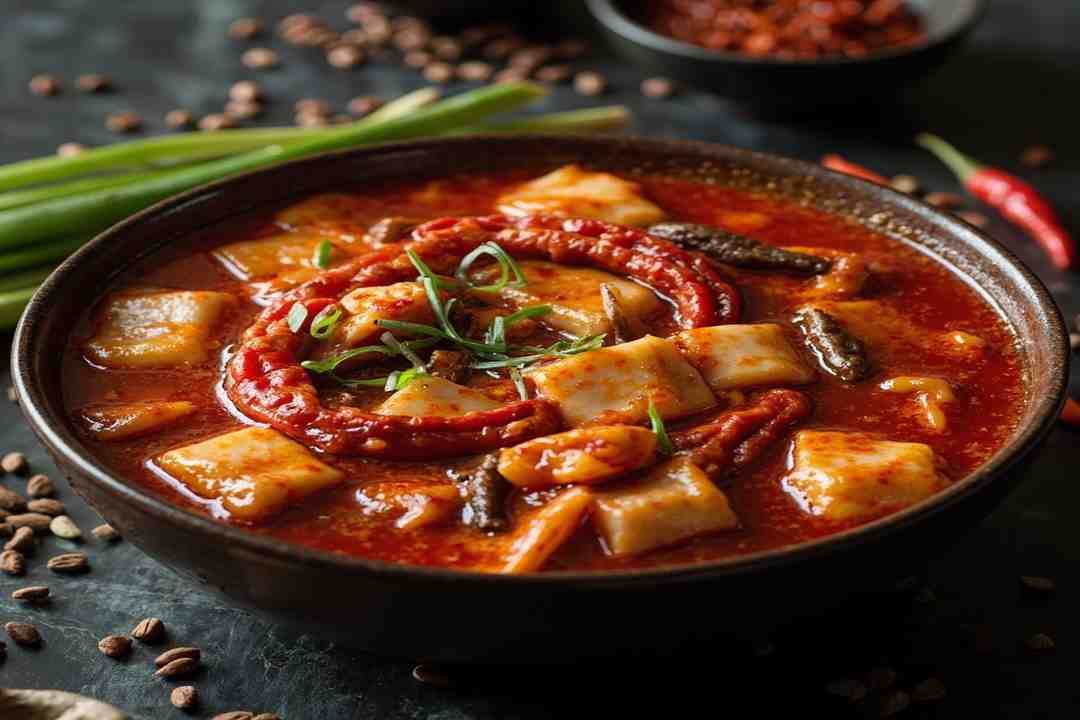
Serve Spicy Blood Curd Hot Pot immediately after cooking, as the blood curd is best when fresh. Pair it with steamed rice to balance the heat, or add classic Sichuan sides like Hot and Sour Soup to round out the meal.
For groups, set the hot pot on a portable burner at the table so everyone can cook their own ingredients. If you have leftovers, store the broth and ingredients separately.
The broth can be kept in an airtight container in the fridge for up to 2 days, but blood curd loses its texture when reheated multiple times. Reheat gently on the stovetop, and only add blood curd when you’re ready to eat.
Frequently Asked Questions
Can I make Spicy Blood Curd Hot Pot vegetarian?
While traditional Spicy Blood Curd Hot Pot uses animal blood curd (like pork or cow blood curd) for its signature dense, silky texture and iron-rich profile, it can be adapted for vegetarians.
Common substitutions for blood curd include pressed firm silken tofu, konjac jelly cubes, or plant-based blood curd alternatives made from soy or pea protein.
For the broth, swap meat-based stock for a rich vegetable stock infused with Sichuan peppercorns, dried chilies, and fermented broad bean paste to retain the dish’s iconic spicy, numbing flavor.
What makes Spicy Blood Curd Hot Pot authentic Sichuan style?
Authentic Sichuan-style Spicy Blood Curd Hot Pot is defined by its balanced “mala” (numbing-spicy) profile and regional ingredients.
Key elements include: a broth base made with fermented broad bean paste (doubanjiang), Sichuan peppercorns (the source of the signature numbing “ma” sensation), dried red chilies, pickled mustard greens, and aromatic spices like star anise; fresh, high-quality blood curd cut into uniform cubes and added at the end of cooking to avoid breaking apart; and a layered flavor that combines heat, umami, and subtle tang rather than overly aggressive spice alone.
How spicy is Spicy Blood Curd Hot Pot?
Spicy Blood Curd Hot Pot is typically medium to very spicy, depending on the recipe and regional variation.
Authentic Sichuan versions lean into bold, layered heat from dried red chilies paired with the tingly numbing kick of Sichuan peppercorns, which can feel intense for those unaccustomed to mala flavors.
To adjust the spice level, reduce the number of dried chilies in the broth for milder heat, swap some Sichuan peppercorns for black peppercorns to cut back on the numbing sensation, or add cooling elements like coconut milk or extra vegetable broth to tone down the heat.
What can I serve with Spicy Blood Curd Hot Pot?
the dish pairs well with sides and ingredients that balance its bold flavor.
Classic accompaniments include steamed white rice (ideal for soaking up the rich broth), fresh leafy greens (like bok choy or Napa cabbage) for a crisp contrast, thin noodles (such as glass noodles or udon) to cook in the simmering broth, and tangy pickled vegetables (like pickled radish or garlic) to cut through the heat.
Additional ingredients to cook alongside the blood curd include sliced beef, mushrooms, tofu, or lotus root for a complete communal hot pot meal.
Can I prepare this Sichuan classic ahead of time?
Yes, most components of the stir-fry can be prepped ahead for easy meal planning.
The spicy broth base can be fully cooked, cooled, and stored in an airtight container in the refrigerator for up to 3 days, or frozen for up to 1 month.
Fresh blood curd is best used within 1-2 days of purchase, but if prepping ahead, you can cut it into cubes and store it in cold, salted water in the fridge for up to 2 days.
For serving, simply reheat the broth, add the blood curd and any other ingredients right before serving to maintain their texture and flavor.
Final Tip
The key to perfect it is gentle handling of the blood curd—blanch at a simmer, not a rolling boil, to keep it silky. Don’t skip toasting the Sichuan peppercorns; that’s what gives the dish its signature tingly kick.
Pair it with a bowl of Hot and Sour Soup to balance the heat, and you’ll have an authentic Sichuan meal that’s both comforting and exciting.
—
Why Your Sichuan Spicy Tofu Recipe Never Tastes Like the Res Authentic Mapo Tofu Sauce: Sichuan Home Cooking Guide Green Pepper Shredded Pork: Sichuan Recipe and Tips Wikipedia