Subtitle: How to Make Authentic Sichuan Pickles at Home with a 3% Brine Recipe
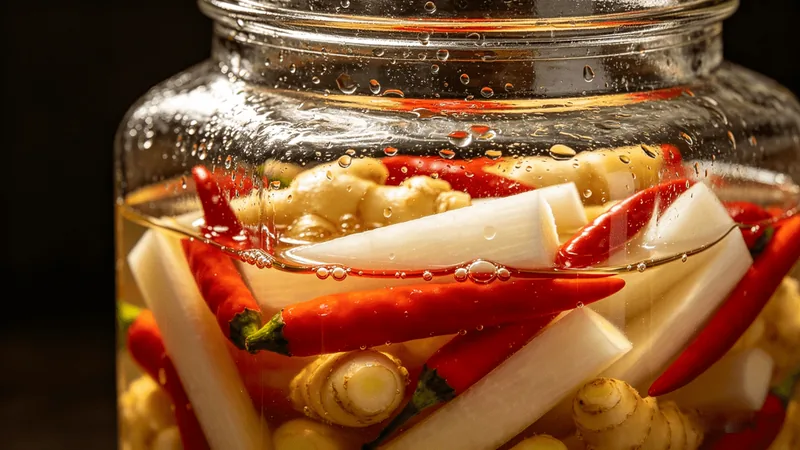
Sichuan pickles are the lifeblood of Sichuan home cooking. For generations, every family in the region has kept a clay jar or glass container brimming with these tangy, crunchy treats. Unlike store-bought versions that rely on vinegar, real fermented pickles get their bright, mellow sourness from natural fermentation—a process that transforms simple vegetables into a versatile condiment.
Whether eaten straight as a side dish, stir-fried with pork, or added to fish-flavored dishes, these fermented vegetables add an irreplaceable layer of flavor. The best part? Making them at home is straightforward, as long as you follow one golden rule: no oil.
In this guide, we’ll walk you through making a classic basic recipe. We’ll cover the exact ingredients, brine ratio, step-by-step instructions, and pro tips to ensure your pickles turn out perfect every time.
Ingredients for Sichuan Pickles (Basic Version)
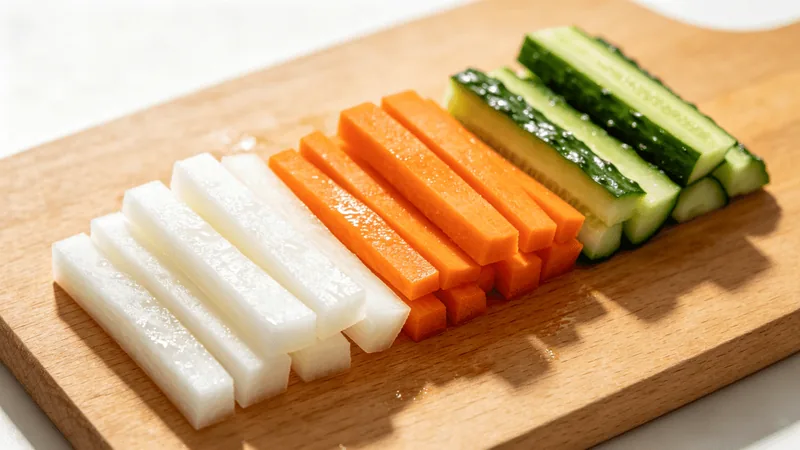
This recipe shines because it uses fresh, firm vegetables. Cut them into bite-sized pieces for easy access with chopsticks.
- White radish: 1 (peeled, cut into sticks)
- Carrot: 1 (peeled, cut into sticks)
- Cucumber: 1 (cut into sticks)
- Young ginger: 3-4 slices (adds a subtle heat)
- Mi la jiao (small fresh chili peppers): 3-4 (for heat)
- Garlic: 2-3 cloves (whole for extra flavor)
Brine Ratio for Sichuan Pickles
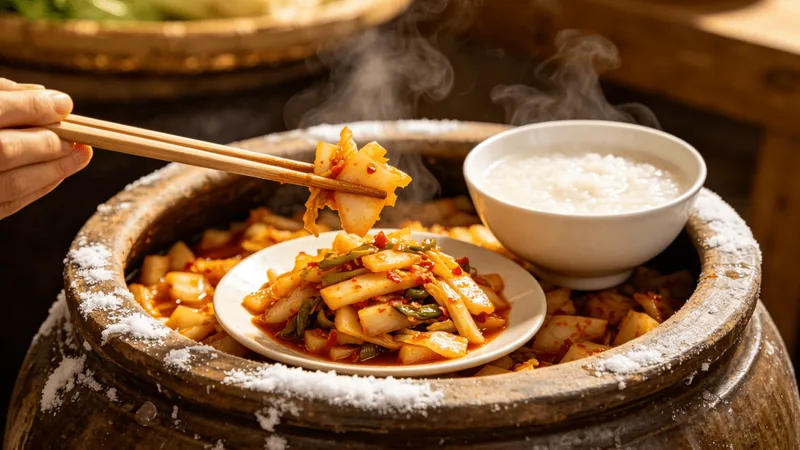
The 3% salt-to-water ratio is critical for safe fermentation and that classic crunch.
- Clean water: 500ml
- Salt: 30g (about 3% salinity)
- Baijiu (clear liquor): 1 small spoon (10ml, for sterilization)
- Sichuan peppercorns: 10 grains (for aroma)
- Star anise: 1 piece (adds depth)
Step-by-Step Instructions
1. Prepare the Vegetables
Wash all vegetables thoroughly under running water. The key here is to dry them completely. Use a clean kitchen towel or air-dry for 10-15 minutes. Any residual moisture can lead to mold. Cut them into convenient sizes.
2. Make the Brine
Bring 500ml of water to a boil in a pot. Add 30g of salt and stir until fully dissolved. Let the brine cool to room temperature. Never pour hot brine over fresh vegetables, as it will make them limp and destroy the crunch.
3. Pack the Pickle Jar
Use a clean, dry pickle jar or glass container. Ensure it is completely free of oil. Place the dried vegetables, young ginger, chillies, and garlic into the jar. Press them down gently to fit.
4. Add the Spices and Brine
Pour the cooled brine over the vegetables. Submerge them completely. Add the Sichuan peppercorns, star anise, and baijiu. The baijiu acts as a natural preservative and kills any unwanted bacteria.
5. Seal and Ferment
Seal the jar tightly. Place it in a cool, dark place like a pantry or cellar.
- Summer: Ferment for 3-5 days.
- Winter: Ferment for 7-10 days.Check after a few days. Once the pickles taste pleasantly sour and remain crisp, they are ready.
Pro Tips for Perfect Pickles
No Oil Allowed
This is the most important rule. Your hands, utensils, container, and cutting board must be 100% oil-free. Oil will cause the brine to grow white mold and spoil the batch.
Reuse the Brine
The first brine you make is “young brine.” As you use it, it becomes “old brine” (Lao Shui). Reusing it gives your pickles a richer, more complex flavor. Just top it up with fresh salt water when you add new vegetables.
Adjust the Sourness
The longer you ferment, the sourer they get. If you prefer a milder taste, take them out earlier. You can also transfer pickles to the fridge to slow down fermentation once they’re ready.
Versatile Usage
Enjoy pickled radish and cucumber as a refreshing snack. They are also perfect for stir-frying with pork or beef, and they’re a key ingredient in many “fish-flavored” dishes.
If you want to take your Sichuan cooking to the next level, don’t miss our guide to
7 Essential Sichuan Cooking Techniques Every Home Cook Should Master
File.
Why Sichuan Pickles Are So Special
This iconic condiment is a product of the region’s climate and culinary culture. The humid weather of Sichuan makes preservation crucial, and fermentation is the perfect solution.
What makes these pickles unique is their clean sourness. Unlike vinegar pickles, which have a sharp, acidic bite, fermented versions have a soft, rounded sourness that complements spicy food. The Sichuan peppercorns add a subtle numbing aroma (ma) that balances the heat from the chillies.
In Sichuan culture, a home is not complete without a jar of pickles. It’s a sign of care and tradition. Making your own batch allows you to bring a piece of that culture into your home.
To learn more about the history and traditional methods of making this iconic condiment, visit the
Sichuan pickles Wikipedia page
File.
Sichuan pickles 7 Essential Sichuan Cooking Techniques Every Home Cook Should Master