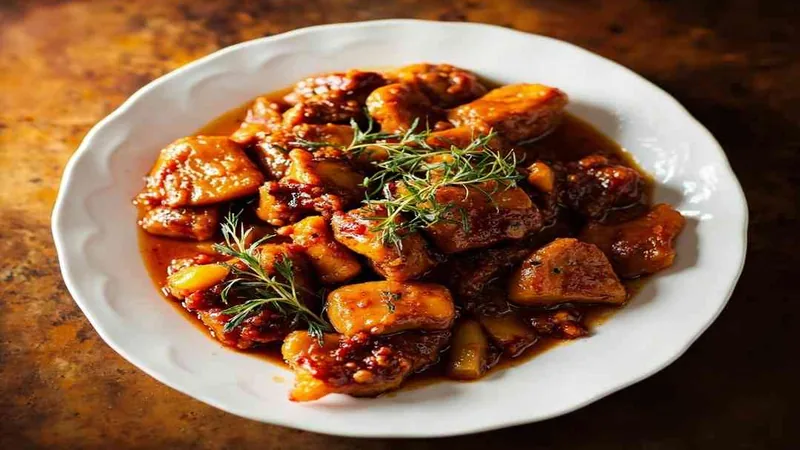
This Sichuan dry pot recipe stir-fries pork, beef and vegetables with doubanjiang, dried chilies and Sichuan peppercorns. Pre-cook and drain the vegetables before the final toss.
Unlike wet Sichuan hot pot, dry pot cuts out excess broth, focusing on deep, layered flavors that cling to every ingredient. This dish is a staple in Sichuan street stalls and family dinners alike, perfect for when you want something hearty and intensely flavorful.
What makes Sichuan dry pot special is its balance of ma (numbing) and la (spicy) from Sichuan peppercorns and chili peppers. It’s versatile too—you can swap in your favorite proteins or veggies, but sticking to traditional Sichuan ingredients gives it that authentic taste.
Sichuan Dry Pot Recipe The dish avoids watery broths, relying instead on high-heat stir-frying to lock in flavors and create a smoky, savory base.
The Story Behind Sichuan Dry Pot Recipe
Sichuan dry pot has roots in the province’s love for bold, communal food. It evolved from Sichuan hot pot, a dish where diners cook ingredients in simmering broth at the table.
Street vendors in Chengdu and Chongqing adapted the concept in the 1990s to serve quicker, handheld portions by reducing the broth and concentrating flavors. Sichuan Dry Pot Recipe It spread across China and internationally, becoming a go-to for group meals due to its customizability.
Local stalls let customers pick their ingredients first, then the chef stir-fries them with a signature spice blend. This tradition of personalization remains central to the dish today.
Sichuan cuisine’s core philosophy—balancing five flavors: sweet, sour, bitter, salty, spicy (plus the unique ma tingle)—shapes every dry pot recipe. Sichuan Dry Pot Recipe It’s not just a meal; it’s a reflection of Sichuan’s vibrant food culture, where every ingredient has a purpose.
What Makes Sichuan Dry Pot Recipe Special
The key to this recipe is the iconic ma-la balance that defines Sichuan classics like Mapo Tofu, Kung Pao Chicken, and Dan Dan Noodles. These flavors merge seamlessly in dry pot, creating something greater than their individual parts.
Sichuan Dry Pot Recipe Unlike generic stir-fries, dry pot uses a two-step method: blanching ingredients first to ensure tenderness, then high-heat stir-frying to caramelize flavors.
Another unique trait is the use of aromatic spices (star anise, cinnamon) that are toasted to release their oils. This gives dry pot a depth you won’t find in quick stir-fries.
The sauce is thick and clinging, not watery, so every bite is packed with flavor. Sichuan Dry Pot Recipe Even home cooks can replicate this by using a heavy skillet and cranking the heat to max, mimicking the wok hei (smoky breath of the wok) from professional kitchens.
Ingredients for Sichuan Dry Pot Recipe
- 300g pork belly (sliced thin, 2mm thick)
- 150g beef sirloin (sliced into bite-sized pieces)
- 100g lotus root (peeled, sliced into 5mm rounds)
- 100g celery (cut into 5cm sticks)
- 100g Napa cabbage (chopped into 3cm pieces)
- 2 tablespoons doubanjiang (Sichuan fermented chili bean paste)
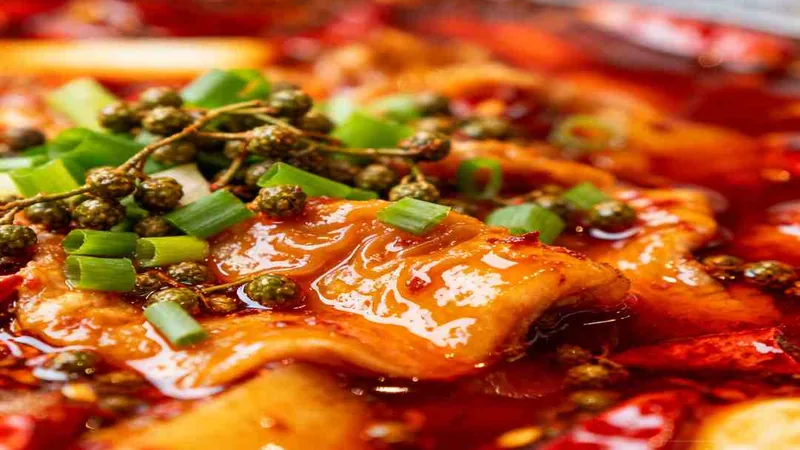
- 1 teaspoon Sichuan peppercorns
- 8 dried red Sichuan chilies (cut into sections, seeds removed for milder heat)
- 3 garlic cloves (minced)
- 1-inch fresh ginger (grated)
- 1 whole star anise
- 1 small cinnamon stick
- 2 tablespoons light soy sauce
- 1 teaspoon granulated sugar
- 2 tablespoons peanut oil (authentic choice; vegetable oil works too)
- 1 tablespoon toasted sesame oil (for finishing)
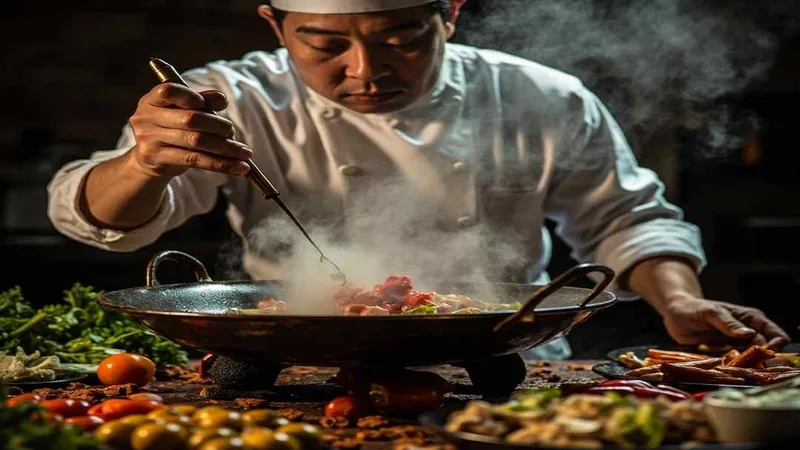
How to Make Sichuan Dry Pot Recipe
- Toast Sichuan peppercorns in a dry wok over low heat for 1 minute until fragrant. Sichuan Dry Pot Recipe Transfer to a mortar and crush lightly; set aside.
- Bring a pot of water to a rolling boil (100°C). Blanch lotus root slices for 2 minutes, then celery and cabbage for 1 minute each.
- Sichuan Dry Pot Recipe Drain and rinse with cold water to stop cooking; set aside.
- Heat 1 tablespoon of peanut oil in a wok over medium-high heat (180°C). Add pork slices and stir-fry for 2-3 minutes until golden and slightly crispy at the edges.
- Sichuan Dry Pot Recipe Remove to a plate; set aside.
- In the same wok, add the remaining 1 tablespoon of oil. Add beef sirloin pieces and stir-fry for 2 minutes until browned on all sides. Sichuan Dry Pot Recipe Remove to the same plate as pork.
- Lower heat to medium. Toss dried chilies, star anise, and cinnamon stick into the wok. Sichuan Dry Pot Recipe Stir-fry for 30 seconds until chilies darken and become fragrant.
- Add minced garlic and grated ginger; stir-fry for 15 seconds until garlic is pale golden (don’t burn it!). Sichuan Dry Pot Recipe Add doubanjiang, stir well, and cook for 1 minute until the oil turns bright red and the paste releases its aroma.
- Add blanched veggies, cooked pork, and beef back to the wok. Sichuan Dry Pot Recipe Toss to coat evenly in the sauce for 2 minutes.
- Add light soy sauce, sugar, and crushed Sichuan peppercorns. Sichuan Dry Pot Recipe Stir-fry for 1 more minute until all ingredients are coated and the sauce thickens slightly.
- Turn off heat, drizzle with sesame oil, and toss once more. Sichuan Dry Pot Recipe Transfer to a serving platter immediately.
Common Mistakes with Sichuan Dry Pot Recipe
The most common mistake is skipping the toasting step for Sichuan peppercorns. Toasting unlocks their essential aromatic oils, so using raw peppercorns leaves the signature ma flavor flat and dull.
Another error is over-blanching veggies: mushy lotus root or celery ruins the crisp texture that balances the spicy, savory elements. Sichuan Dry Pot Recipe Many home cooks also undercook doubanjiang—frying it for at least a minute is key to releasing its deep umami and spicy notes.
Another mistake is not using high enough heat when stir-frying. Dry pot relies on searing ingredients quickly to lock in juices and create smoky depth.
Low heat makes ingredients soggy instead of crispy. Finally, some people leave whole peppercorns in the dish, which leaves a gritty texture.
Sichuan Dry Pot Recipe Crushing them after toasting ensures a smooth, even flavor throughout.
Serving & Storage
Sichuan dry pot is best served immediately, right after cooking, while it’s still hot and fragrant. Pair it with steamed jasmine rice to cut through the spicy heat, or a side of Hot and Sour Soup for a complete Sichuan-inspired meal.
Sichuan Dry Pot Recipe For a traditional touch, sprinkle toasted sesame seeds or fresh cilantro on top before serving.
If you have leftovers, store them in an airtight container in the fridge for up to 2 days. Reheat gently in a wok over medium heat for 3-4 minutes, adding a splash of oil if needed to restore crispness.
Sichuan Dry Pot Recipe Avoid microwaving, as it will make veggies mushy and dilute the sauce.
Question 1: Can I make this Sichuan dry pot recipe vegetarian?
Absolutely! Swap pork belly and beef for extra-firm tofu (fried until golden), shiitake mushrooms, or broccoli.
Adjust doubanjiang to taste for heat, and add a splash of vegetable broth if the sauce feels too thick. Sichuan Dry Pot Recipe Vegetarian dry pot is just as flavorful as the meat version, with rich umami from fermented ingredients.
Question 2: How spicy is this dry pot recipe?
The recipe has a medium level of heat. For milder, remove seeds from dried chilies and use 1 tablespoon of doubanjiang instead of 2.
For extra heat, add 1 teaspoon of chili oil or more dried chilies. Sichuan Dry Pot Recipe The Sichuan peppercorns add a tingly numbing sensation, not just heat, so even mild versions retain the dish’s signature ma flavor.
Question 3: Do I need a wok to make this at home?
You can use a large, heavy-bottomed skillet or Dutch oven. The key is to use high heat and stir constantly to prevent sticking.
Sichuan Dry Pot Recipe Woks are ideal for even heat distribution, but a skillet works well too—just ensure your stove can reach temperatures close to 180°C for searing.
Question 4: Can I use pre-toasted Sichuan peppercorns?
It’s better to toast them fresh, as pre-toasted ones lose their aroma quickly. If you only have pre-toasted, skip the toasting step and crush them gently, but note that the ma flavor will be slightly less intense.
Sichuan Dry Pot Recipe Toasting takes only a minute and makes a noticeable difference in the final dish.
Question 5: What’s the difference between dry pot and hot pot?
Hot pot is a communal meal where you cook raw ingredients in simmering broth at the table. Dry pot skips the broth entirely, focusing on stir-fried ingredients with concentrated, clingy spices.
Sichuan Dry Pot Recipe Hot pot is lighter and centered on shared cooking, while dry pot is heartier with deep, layered flavors that stick to every ingredient.
Final Tip
The best part of Sichuan dry pot is its adaptability—don’t be afraid to swap ingredients based on what you have on hand. Whether you use leftover pork, seasonal veggies, or add a touch of sesame paste for Dan Dan Noodle flair, the core ma-la balance will tie it all together.
Sichuan Dry Pot Recipe Take 1 minute to toast your peppercorns, and you’ll create a dish that tastes like it came straight from a Chengdu street stall.
Sichuan Chili Oil Recipe Best Sichuan Eggplant Recipes Authentic Kung Pao Chicken Wikipedia