Sichuan Cuisine: 7 Essential Things to Know
Sichuan cuisine is one of the most famous and beloved styles of Chinese cooking, known worldwide for its bold flavors, rich history, and unforgettable balance of spice and aroma. From street food stalls to high-end restaurants, this culinary tradition has captured the taste buds of millions. What makes it stand out is not only heat but a careful mix of numbing, savory, sweet, sour, and umami notes that create depth in every dish. For home cooks and food lovers alike, understanding the heart of this style opens the door to truly enjoyable homemade Asian meals.
1. The Unique Flavor Core of Sichuan Cuisine
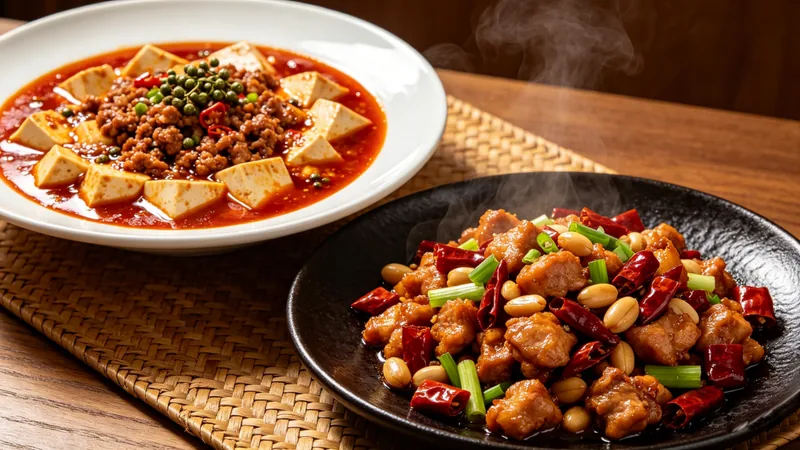
The most recognizable feature of this iconic culinary style is its iconic “mala” taste — a combination of spicy and numbing sensations. This comes from Sichuan peppercorns, which create a mild tingling feeling on the tongue, paired with dried chilies for warmth. Many people mistakenly think this style is only spicy, but the truth is far more balanced.
Chefs focus on layering flavors rather than overwhelming the palate. Fermented bean paste, broad bean chili sauce, garlic, ginger, and vinegar all play important roles. Each ingredient supports the others, resulting in a profile that is complex, satisfying, and uniquely its own. This careful balance is what has made this regional food so popular across the globe.
2. Key Ingredients That Define the Style
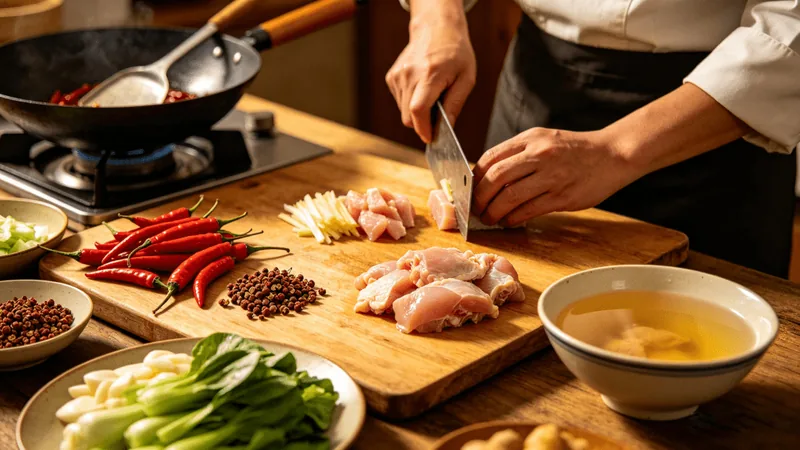
Authentic Sichuan cuisine relies on a small set of essential ingredients that cannot be easily replaced. Sichuan peppercorns are non-negotiable for the classic numbing effect. Fermented broad bean paste, known as doubanjiang, adds deep umami and color to stir-fries and braised dishes.
Garlic, ginger, and green onions form the aromatic base in nearly every recipe. Sesame oil, rice vinegar, and rock sugar are also frequently used to adjust sweetness and acidity. Without these core components, dishes lose their authentic character. Using fresh, high-quality versions of these staples is one of the easiest ways to improve any homemade dish from this culinary tradition.
3. Classic Cooking Methods in Sichuan Cuisine
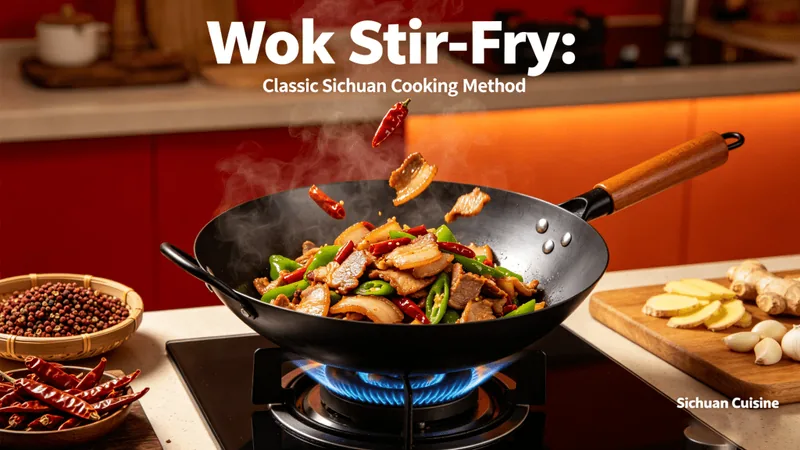
Several traditional cooking techniques define this beloved food style and help build its signature flavors. Stir-frying in a hot wok locks in texture and creates wok hei, the smoky aroma that makes stir-fries so appealing. Braising is widely used for heartier dishes, allowing meat and vegetables to absorb sauce slowly.
Poaching in spicy broth is another signature method, especially for fish and tofu. Dry-frying, where ingredients are cooked without much oil until slightly crispy, is also common. Each technique serves a purpose, enhancing flavor while maintaining the natural texture of the ingredients. Mastering even one or two of these methods can greatly improve your homemade versions.
4. Must-Try Famous Dishes of Sichuan Cuisine
No introduction to this iconic style is complete without mentioning its most iconic dishes. Kung Pao Chicken combines crispy peanuts, dried chilies, and tender chicken in a sweet-savory sauce. Mapo Tofu is a beloved classic, featuring soft tofu in a spicy, numbing sauce with ground meat.
Water-Boiled Fish showcases silky poached fish in a bold red chili oil broth. Twice-Cooked Pork uses boiled and then stir-fried pork belly for rich, savory flavor. These dishes represent the diversity and balance of the entire culinary style. They also show how heat can be enjoyable rather than overwhelming when used correctly.
5. The Role of Fermentation in Sichuan Cuisine
Fermentation plays a huge role in creating the deep, layered flavors of this regional food. Many core ingredients go through a fermentation process, including broad bean paste, pickled vegetables, and preserved mustard greens.
These fermented items add complexity that fresh ingredients alone cannot provide. They cut through richness, add tanginess, and boost umami. Pickled vegetables, for example, are used in stir-fries, soups, and side dishes to add brightness. Understanding how fermented ingredients work will help any home cook recreate more authentic flavors.
6. How to Enjoy Sichuan Cuisine Responsibly
While this famous food style is known for spice, it is meant to be enjoyed, not endured. Many restaurants and home cooks adjust heat levels to suit different preferences. Start with milder versions if you are new to the style, and gradually increase spice as you get used to the flavors.
Pairing dishes with rice helps balance heat and soothe the palate. Soups and vegetable sides also provide refreshing contrast. The goal is to experience the full range of flavors, not just test tolerance for spice. This respectful approach makes the food more enjoyable and true to its cultural roots.
7. Making Sichuan Cuisine at Home
One of the best things about this beloved culinary tradition is that it works wonderfully in home kitchens. You don’t need professional equipment to make delicious, authentic dishes. A sturdy pan or wok, fresh chilies, Sichuan peppercorns, and basic aromatics are enough to get started.
Begin with simple recipes like stir-fried vegetables or basic tofu dishes. Focus on balancing flavors rather than adding too much spice. With practice, you can recreate the spirit of this famous culinary tradition in your own home. It’s a rewarding way to explore global food without traveling far.
Why Sichuan Cuisine Continues to Inspire Food Lovers Worldwide
From its ancient roots to its modern global popularity, Sichuan cuisine remains a dynamic and deeply flavorful culinary tradition. It combines history, culture, and technique in every bite, offering more than just spice — it offers balance, depth, and joy. Whether you enjoy restaurant meals or cook at home, this style continues to shape how the world experiences Chinese food.
Learning about its ingredients, methods, and philosophy helps you appreciate every dish on a deeper level. Sichuan cuisine is not just about taste; it’s about tradition, balance, and the art of making simple ingredients extraordinary. With a little practice and the right ingredients, anyone can bring its magic into their daily cooking.
To explore easy recipes and step-by-step guides, check our collection of Authentic Home-style Sichuan Dishes (DoFollow内链,替换为你的站内链接).
For more detailed history and cultural background, you can learn from the authoritative page on Sichuan Cuisine – Wikipedia (权威外链,直接可用).